Quick Answer
Yes, teeth grinding can cause a dental filling to crack due to mechanical stress even when there is no new decay present. The excessive forces from grinding put stress on fillings, leading to cracks independently of cavities.
- Teeth grinding, or bruxism, applies repetitive excessive forces that can crack dental fillings without new decay. The materials in fillings can fatigue and fracture from grinding stresses, especially at edges and surfaces. Cracks from grinding may cause tooth sensitivity, pain, or visible lines on the filling, but can also be asymptomatic. Mechanical stress from grinding differs from decay-related damage, emphasizing the need for proper diagnosis. Wearing a custom night guard helps protect fillings by reducing grinding forces during sleep. Regular dental check-ups are important to detect cracks early and prevent further damage. Managing stress and avoiding hard foods can also reduce the risk of filling cracks caused by grinding.
Can Teeth Grinding Cause a Filling to Crack Even When There Is No New Decay?
Teeth grinding, medically known as bruxism, can indeed cause a dental filling to crack even when there is no new decay present. The excessive mechanical forces generated during grinding put stress on both natural tooth structure and restorations like fillings, potentially leading to cracks or fractures over time. This means that damage to your filling does not always indicate the presence of fresh cavities or tooth decay.
Many patients assume that a cracked filling only happens because of untreated decay weakening the tooth. However, the physical pressure from habitual grinding or clenching can cause micro-damage that eventually results in cracks. Recognizing this distinction is important because it affects how your dentist approaches diagnosis and treatment.
If you grind your teeth, understanding how this habit impacts your dental restorations can help you take steps to protect your teeth and fillings. Early detection of filling damage and preventive care are key to maintaining long-term oral health without unnecessary procedures.
Restore Cavities, Cracks, and Damaged Teeth
Answer a few short questions and HealthNode will help you connect with the right restorative dentist for fillings or tooth repair.
Pain, Sensitivity, and Damage
This helps us understand whether you may need a simple filling, tooth restoration, root canal evaluation, or another treatment.
Previous Dental Care and Preferences
A few details help the dentist understand the best restoration option for your tooth.
Final Details
Share anything important so the dentist can better understand your case.
Contact information
Your information is only used to contact you and is never shared with third parties.
Your request has been received!
Thank you. If you have dental X-rays, photos of the damaged tooth, previous filling records, root canal records, treatment plans, or information about tooth pain or sensitivity, please keep them ready. A HealthNode consultant will guide you through the next step.
How Teeth Grinding Exerts Stress on Dental Restorations
Bruxism involves involuntary clenching or grinding of the teeth, often during sleep. This action applies repetitive, excessive forces to your teeth that far exceed normal chewing pressure. Dental fillings, although designed to restore tooth function and strength, can be vulnerable to these abnormal stresses.
The materials used in fillings, such as composite resin or amalgam, have different physical properties from natural tooth enamel. Grinding can cause fatigue in these materials, leading to cracks or fractures even if the tooth underneath remains decay-free. When you grind, the repeated stress concentrates at the edges and surfaces of the filling, which are common sites for damage.
Bruxism may also cause tiny fractures in the tooth structure adjacent to the filling, further compromising the restoration's stability. Over time, this mechanical wear can degrade the filling’s integrity, making it more prone to cracking. This process occurs independently of decay, emphasizing that mechanical stress alone can damage dental restorations.
Signs That a Filling May Be Cracked Due to Grinding
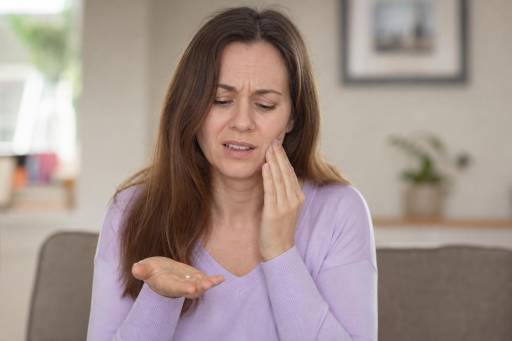
If you grind your teeth, you might notice certain symptoms that suggest a filling has cracked. Tooth pain or sensitivity, especially when biting down or consuming hot, cold, or sweet foods, can be a sign that the filling or tooth underneath is compromised.
Visual inspection may reveal small cracks or fractures on the surface of the filling. These cracks sometimes appear as thin lines or chips in the filling material. You might also feel roughness or sharpness when you run your tongue over the filling.
Other symptoms include discomfort during chewing, a feeling of pressure, or even a slight movement of the filling in severe cases. Because some cracks may be tiny and not cause obvious pain, regular dental exams are important for early detection before more serious damage occurs.
Why a Cracked Filling Can Occur Without New Decay
A filling can crack without any new tooth decay because the cause is mechanical stress rather than bacterial damage. Bruxism exerts forces that fatigue the filling material and the tooth structure supporting it, eventually leading to cracks.
Decay weakens tooth enamel from within, but in cases where no new decay is present, the filling’s integrity breaks down due to these repetitive, unnatural pressures. This means that even with good oral hygiene and no cavities, grinding alone can damage restorations.
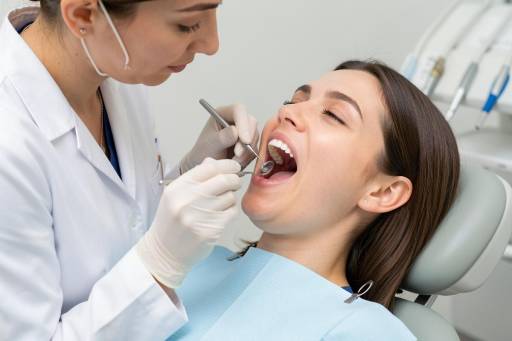
Regular dental check-ups help differentiate between cracks caused by decay and those caused by mechanical stress. Dentists use visual examination, X-rays, and sometimes specialized tools to assess the filling’s condition and determine the best treatment approach.
Knowing that cracks can result from grinding without decay highlights the importance of managing bruxism alongside standard dental care to protect your restorations and overall dental health.
Preventing Filling Cracks Caused by Grinding and Protecting Your Dental Restorations
Preventing cracks in your fillings starts with reducing the mechanical stress from teeth grinding. Wearing a custom-fitted night guard is one of the most effective ways to protect your teeth and fillings during sleep. These guards absorb and distribute the pressure, minimizing direct force on your restorations.
Managing stress through relaxation techniques or professional support can also decrease the frequency and intensity of grinding episodes. Avoiding hard or crunchy foods that strain your teeth further reduces risk.
Maintaining regular dental visits allows your dentist to monitor existing fillings for early signs of damage and recommend timely interventions. In some cases, reshaping or smoothing rough edges of fillings can prevent further cracking.
Combining behavioral changes with appropriate dental appliances offers the best protection for your fillings against bruxism-related damage, helping you preserve your smile and avoid costly repairs.
When to Seek Dental Care for a Suspected Cracked Filling
If you notice symptoms like tooth sensitivity, pain on biting, or visible cracks in your filling, it is important to schedule a dental evaluation promptly. Early diagnosis can prevent the crack from worsening and causing more extensive tooth damage.
Even if you do not experience pain, a cracked filling may compromise the tooth’s protection against bacteria and lead to future decay or infection if untreated. Dentists can use clinical examination and imaging to confirm a crack and recommend appropriate treatment, which may range from repairing the filling to replacing it.
Prompt professional care also allows your dentist to address the underlying cause, such as recommending a night guard for bruxism. This comprehensive approach protects your dental restorations and maintains your oral health over time.
Delaying care risks progression to more complicated problems that require more invasive and costly procedures, so timely dental visits are essential when a cracked filling is suspected.
Restore Cavities, Cracks, and Damaged Teeth
Answer a few short questions and HealthNode will help you connect with the right restorative dentist for fillings or tooth repair.
Pain, Sensitivity, and Damage
This helps us understand whether you may need a simple filling, tooth restoration, root canal evaluation, or another treatment.
Previous Dental Care and Preferences
A few details help the dentist understand the best restoration option for your tooth.
Final Details
Share anything important so the dentist can better understand your case.
Contact information
Your information is only used to contact you and is never shared with third parties.
Your request has been received!
Thank you. If you have dental X-rays, photos of the damaged tooth, previous filling records, root canal records, treatment plans, or information about tooth pain or sensitivity, please keep them ready. A HealthNode consultant will guide you through the next step.
Frequently Asked Questions
Q: Can teeth grinding cause my filling to crack even if I don’t feel pain?
A: Yes, teeth grinding can exert enough force to crack a filling without causing immediate pain. Some cracks are small and asymptomatic initially, so regular dental check-ups are essential to detect such issues early.
Q: Are certain types of fillings more prone to cracking from grinding?
A: Some materials, like composite resin, may be more susceptible to cracking under stress compared to more durable options like gold or amalgam. However, all types of fillings can be affected by persistent grinding forces.
Q: What can I do to prevent cracks in my dental fillings if I grind my teeth at night?
A: Wearing a custom night guard specially designed for your bite can protect your teeth and fillings during sleep. Managing stress and avoiding hard or sticky foods also reduce the risk of damage from grinding.
Q: Is a cracked filling always painful or noticeable?
A: Not necessarily. Some filling cracks are small and do not cause symptoms, making regular dental exams important for early detection. Pain or sensitivity often develops as cracks worsen or expose underlying tooth structures.
Q: How is a cracked filling treated by a dentist?
A: Treatment depends on the crack’s size and location. It may involve repairing or replacing the filling and addressing causes like bruxism with protective appliances such as night guards.
The information provided is for educational purposes only and does not constitute medical advice. Always consult with a healthcare professional for medical guidance specific to your situation.