Quick Answer
Dentists check that a tooth is numb before a filling by asking for patient feedback and performing gentle clinical tests such as tapping the tooth, probing, or applying cold stimuli to ensure no pain or sensation is felt. These methods confirm effective local anesthesia for a pain-free procedure.
- Dentists confirm numbness by combining patient feedback with clinical tests like tapping, probing, and cold air application.
- Effective local anesthesia blocks sensation in the target tooth and surrounding tissues to prevent pain during a filling.
- Patient communication is essential for dentists to adjust anesthesia if any sensation or discomfort is reported.
- Signs of numbness include lack of response to stimuli and relaxed jaw muscles, which dentists observe during testing.
- Patients can help ensure numbness by staying relaxed, hydrated, and communicating openly about any sensations.
- Confirming numbness prevents pain, reduces anxiety, and allows the dentist to perform the filling safely and efficiently.
- If numbness lasts longer than expected or causes discomfort, patients should contact their dentist for guidance.
How Can a Dentist Check That a Tooth Is Numb Before Starting a Filling?
Dentists confirm that a tooth is numb before starting a filling to ensure you do not feel pain during the procedure. They use several techniques, including asking for your feedback and performing gentle clinical tests, to verify the effectiveness of local anesthesia. This step is critical to maintain your comfort and allow the dentist to work safely and efficiently.
When you receive local anesthesia, the goal is to block sensation in the target tooth and surrounding tissues. However, the numbness can vary depending on factors like the anesthesia type, injection site, and individual response. That is why dentists do not rely on injection alone but actively check that the area is sufficiently numb before proceeding. Being informed about these checks can help you feel more at ease and participate in your care.
Understanding how dentists assess numbness also highlights why communication matters. If you experience any sensation or discomfort during the test, letting your dentist know immediately allows them to adjust anesthesia or delay treatment until adequate numbness is achieved. This collaborative approach protects your comfort and contributes to a successful dental filling experience.
Restore Cavities, Cracks, and Damaged Teeth
Answer a few short questions and HealthNode will help you connect with the right restorative dentist for fillings or tooth repair.
Pain, Sensitivity, and Damage
This helps us understand whether you may need a simple filling, tooth restoration, root canal evaluation, or another treatment.
Previous Dental Care and Preferences
A few details help the dentist understand the best restoration option for your tooth.
Final Details
Share anything important so the dentist can better understand your case.
Contact information
Your information is only used to contact you and is never shared with third parties.
Your request has been received!
Thank you. If you have dental X-rays, photos of the damaged tooth, previous filling records, root canal records, treatment plans, or information about tooth pain or sensitivity, please keep them ready. A HealthNode consultant will guide you through the next step.
Methods Dentists Use to Confirm Tooth Numbness Before Filling
Dentists use a combination of patient feedback and clinical tests to confirm that a tooth is numb before starting a filling. First, they usually ask you if you feel any sensation or discomfort when the anesthesia is administered and shortly after. Your subjective response helps guide the dentist in deciding if more anesthesia is needed.
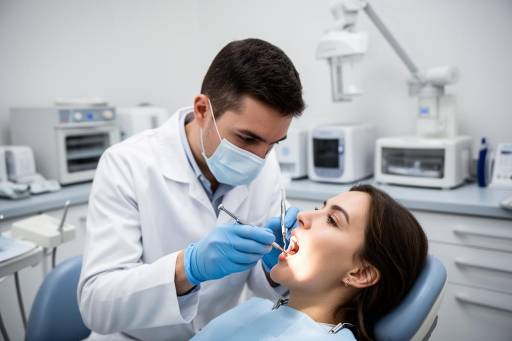
Clinically, dentists may use gentle physical stimuli to test numbness. This can include lightly tapping the tooth or surrounding gum with a dental instrument or applying a cool air spray. These tests provoke sensations that you would normally feel if the anesthesia were ineffective. If you report no sensation or pain, the dentist can proceed confidently.
Sometimes dentists use a probing tool to gently touch the tooth surface or nearby soft tissues. If you feel sharp pain during this test, it indicates the anesthesia has not fully taken effect. Additionally, the dentist observes your facial expressions and involuntary reactions as clues to discomfort. Combining these methods ensures the numbness is adequate for a painless filling procedure.
Why Confirming Numbness Is Critical for a Successful Dental Filling
Confirming numbness before a dental filling is essential to prevent pain during the procedure. A filling involves removing decayed tooth material and shaping the cavity, which can cause discomfort if the nerve is not properly numbed. Ensuring effective local anesthesia allows the dentist to work thoroughly without causing you distress.
Patient comfort is a priority because pain can trigger sudden movements, complicating the procedure and increasing the risk of injury. When numbness is confirmed, the dentist can perform the filling with precision, enhancing treatment quality and reducing procedure time.
In addition, verifying numbness helps build trust and reduces patient anxiety. Knowing that you will not feel pain helps you relax, which can improve cooperation and overall experience. Inadequate anesthesia can lead to a need for repeated injections or incomplete treatment, so confirming numbness upfront supports both safety and success.
Signs and Tests Used to Assess Numbness During Dental Procedures
Dentists rely on several signs and tests to assess numbness during dental procedures. One common sign is your lack of response to gentle tapping or pressure on the tooth or gum. If you do not react or report any sensation, it suggests effective anesthesia.
Another test is the use of cold stimuli, such as a blast of air or chilled water applied briefly to the tooth surface. Normally, this causes a sharp sensation, but numbness reduces or eliminates this feeling. Dentists watch your facial expressions and ask for feedback to confirm you do not feel discomfort.
Patient feedback is integral. Dentists encourage you to speak up if you feel any sensation during these tests. They may also check for muscle relaxation around the jaw, as numbness often reduces involuntary muscle movements. These combined assessments provide a reliable indication that the tooth and surrounding area are adequately numb for filling.
What Patients Can Do to Help Ensure Effective Numbness Before a Filling
You can play an active role in ensuring your tooth is effectively numb before a filling. Communicate openly with your dentist about any sensations you feel during or after the anesthesia injection. Honest feedback helps your dentist adjust the anesthesia dosage or technique if needed.
Arriving relaxed and well-hydrated can also improve anesthesia effectiveness. Stress and dehydration may reduce how well local anesthesia works, so try to be calm and drink water before your appointment unless instructed otherwise.
Following your dentist’s pre-procedure instructions carefully, such as avoiding certain medications or fasting if required, supports optimal anesthesia response. Don’t hesitate to ask your dentist about what to expect with numbness and how they will check it. Being informed empowers you and contributes to a smoother, more comfortable treatment experience.
Common Concerns About Dental Numbness and How They Are Addressed
Many patients worry about numbness lasting too long or feeling uncomfortable after a dental procedure. Dentists are aware of these concerns and manage them carefully. Typically, numbness from local anesthesia fades within a few hours as the medication wears off.
If numbness lingers longer than expected or causes discomfort such as drooling or difficulty speaking, your dentist can provide guidance on safe management. Sometimes, gently moving your mouth and facial muscles helps restore normal sensation more quickly.
Another concern is whether the anesthesia will fully work, especially if you have had previous difficulties with numbing. Dentists can use different anesthetic agents or techniques to improve effectiveness. They also monitor you closely during the procedure to address any discomfort immediately. Discussing your concerns beforehand helps your dentist tailor care to your needs and eases your mind.
Frequently Asked Questions
Q: How does a dentist test if my tooth is numb before filling?
Restore Cavities, Cracks, and Damaged Teeth
Answer a few short questions and HealthNode will help you connect with the right restorative dentist for fillings or tooth repair.
Pain, Sensitivity, and Damage
This helps us understand whether you may need a simple filling, tooth restoration, root canal evaluation, or another treatment.
Previous Dental Care and Preferences
A few details help the dentist understand the best restoration option for your tooth.
Final Details
Share anything important so the dentist can better understand your case.
Contact information
Your information is only used to contact you and is never shared with third parties.
Your request has been received!
Thank you. If you have dental X-rays, photos of the damaged tooth, previous filling records, root canal records, treatment plans, or information about tooth pain or sensitivity, please keep them ready. A HealthNode consultant will guide you through the next step.
A: Dentists test numbness by gently tapping or probing the tooth and asking for your feedback about any sensations. They may also use cold air or water to check if you feel discomfort. If you do not feel pain or sharp sensations, the tooth is considered numb enough to proceed.
Q: Why is it important to confirm numbness before dental work?
A: Confirming numbness prevents pain during dental procedures like fillings. It helps keep you comfortable and allows the dentist to work precisely without interruptions. Proper numbness also reduces anxiety and improves the overall treatment experience.
Q: Can I help my dentist ensure numbness is effective?
A: Yes, you can by communicating openly about any sensation you feel during anesthesia and following pre-appointment instructions. Being relaxed and hydrated also supports better anesthesia effectiveness. Your honest feedback during testing allows your dentist to adjust anesthesia if needed.
Q: What if the numbness lasts longer than expected after my filling?
A: Lingering numbness usually fades within a few hours, but if it lasts longer or causes discomfort, contact your dentist. Gentle mouth movements may help restore normal sensation. Your dentist can provide advice or treatment if numbness persists unusually long.
Q: Are there risks if the tooth is not fully numb before filling?
A: If a tooth is not fully numb, you may experience pain during the filling, causing discomfort and sudden movements. This can complicate the procedure and potentially harm surrounding tissue. Dentists confirm numbness carefully to avoid these risks and ensure your safety.
The information provided is for educational purposes only and does not constitute medical advice. Always consult with a healthcare professional for medical guidance specific to your situation.