Quick Answer
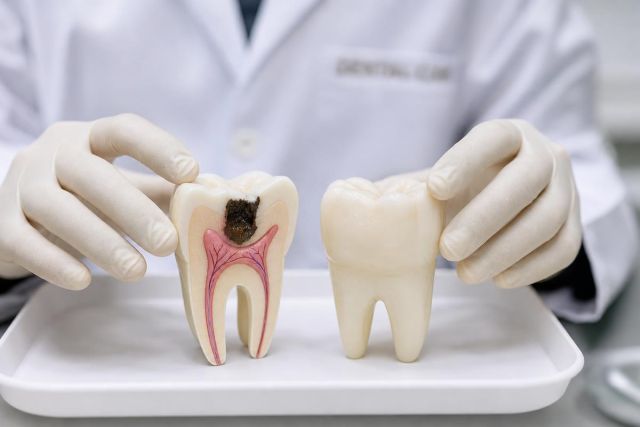
A tooth needing restoration on five surfaces requires a more complex and extensive procedure than a small filling, involving multiple surfaces and specialized techniques to restore function and strength. This type of restoration covers nearly the entire visible part of the tooth and demands careful material selection, longer treatment time, and ongoing maintenance.
- Small fillings typically address decay on one or two localized surfaces and are quick, straightforward procedures.
- Multi-surface restorations involve treating extensive damage across five surfaces, requiring removal of more decay and rebuilding the tooth's anatomy.
- These restorations use materials that must withstand greater chewing forces and often require layering and curing techniques for durability.
- The procedure for multi-surface restorations is longer, may need multiple visits, and includes shaping, layering, and polishing the tooth.
- Proper oral hygiene and regular dental check-ups are essential to maintain the longevity of extensive restorations.
- Choosing a dental professional with experience in complex restorations ensures better outcomes and tailored treatment plans.
- Patients should expect higher costs and more detailed post-treatment care compared to small fillings.
What Changes When a Tooth Needs Five Surfaces Restored Instead of a Small Filling?
A tooth that requires restoration on five surfaces undergoes a significantly more extensive dental procedure compared to a small filling that typically addresses only one or two surfaces. This difference reflects the severity and spread of damage or decay, which directly influences the treatment approach, choice of materials, and overall complexity of the restoration.
When a cavity or structural damage involves multiple surfaces of a tooth, including the biting surface, sides, and sometimes the root or gumline, a simple filling is insufficient to restore proper function and strength. Instead, a multi-surface restoration is necessary to rebuild the tooth’s anatomy comprehensively, protect it from further deterioration, and maintain its role in chewing and speech.
Understanding these differences helps patients anticipate what the treatment involves, including the time commitment, potential costs, and post-treatment care. It also clarifies why such extensive restorations may require more visits or specialized techniques compared to routine fillings.
Restore Cavities, Cracks, and Damaged Teeth
Answer a few short questions and HealthNode will help you connect with the right restorative dentist for fillings or tooth repair.
Pain, Sensitivity, and Damage
This helps us understand whether you may need a simple filling, tooth restoration, root canal evaluation, or another treatment.
Previous Dental Care and Preferences
A few details help the dentist understand the best restoration option for your tooth.
Final Details
Share anything important so the dentist can better understand your case.
Contact information
Your information is only used to contact you and is never shared with third parties.
Your request has been received!
Thank you. If you have dental X-rays, photos of the damaged tooth, previous filling records, root canal records, treatment plans, or information about tooth pain or sensitivity, please keep them ready. A HealthNode consultant will guide you through the next step.
Whether you face a small filling or a large, multi-surface restoration, knowing the scope and implications of your dental treatment can ease concerns and guide you toward informed decisions about your oral care. Being informed empowers you to collaborate effectively with your dental professional and supports better long-term outcomes for your dental health.
The Scope of Tooth Damage Requiring Extensive Restoration
The extent of tooth damage is a critical factor in determining whether a small filling or a more comprehensive restoration involving multiple surfaces is necessary. Small fillings typically address localized decay confined to one or two surfaces of the tooth, often on the biting surface or smooth sides where the damage is limited and easily accessible.
When decay or damage spreads across more than two surfaces, especially when it involves the chewing surface (occlusal) and adjacent sides (mesial, distal, buccal, or lingual), a multi-surface restoration becomes necessary. This approach is required to adequately restore the tooth’s function, strength, and structural integrity. Such extensive damage may result from large cavities, fractures caused by trauma or biting forces, or failure of previous restorations that have compromised multiple areas.
Dentists assess the extent of damage through a combination of clinical examination and diagnostic imaging, such as X-rays, to determine how many surfaces are affected and the depth of decay or structural loss. When five surfaces require attention, it often means the tooth is significantly compromised, and a restoration that covers nearly the entire visible part of the tooth is needed. This comprehensive restoration ensures durability, prevents further breakdown, and maintains the tooth’s role in chewing and aesthetics.
Understanding the scope of damage helps patients appreciate why more extensive treatment is necessary and what to expect during the restoration process. It also underscores the importance of early intervention to prevent damage from spreading to multiple surfaces.
Differences Between Small Fillings and Multi-Surface Restorations
Small fillings are generally straightforward, quick procedures that involve removing decay from a localized area and filling it with a restorative material such as composite resin or amalgam. These fillings restore the tooth’s shape and function with minimal removal of healthy tooth structure, preserving as much natural enamel and dentin as possible. The process typically takes a short amount of time and is often completed in a single visit.
Multi-surface restorations, by contrast, are more complex and require a more detailed approach. They often involve removing extensive decay or damaged tissue from multiple surfaces of the tooth, precise shaping of the remaining tooth structure, and layering of restorative materials to rebuild the tooth’s full anatomy. Because these restorations cover a larger area, the materials used must withstand greater chewing forces and provide long-term durability and resistance to wear.
Due to this complexity, multi-surface restorations often take longer to complete and may require specialized techniques, equipment, or even multiple appointments. The process may involve additional steps such as building up weakened tooth structure with bonding agents or liners before placing the restorative material. Ensuring a proper fit, occlusion, and aesthetic appearance is critical to the success of these restorations.
Choosing the right materials and approach is essential to balance strength, aesthetics, and patient comfort. For example, composite resins offer excellent cosmetic results but require meticulous layering and curing, while ceramic or gold restorations may be used in some cases for enhanced durability. Ultimately, the treatment plan is tailored to the patient’s specific needs, oral health status, and lifestyle factors to achieve the best possible outcome.
What to Expect During a Multi-Surface Tooth Restoration Procedure
The restoration process for a tooth requiring treatment on five surfaces begins with administering local anesthesia to ensure you remain comfortable and pain-free throughout the procedure. Once the area is numb, your dentist carefully removes all decayed or damaged tissue from the affected surfaces, taking care to preserve as much healthy tooth structure as possible.
Next, the tooth is shaped and prepared to receive the restorative material. This preparation often involves creating a stable foundation and may include building up weakened areas to restore the tooth’s natural contours and function. The restorative material is typically applied in layers, especially when using composite resins, to closely mimic the natural tooth structure and provide optimal strength.
Each layer of composite resin is hardened or cured using a special light, which ensures the material bonds properly and achieves the desired durability. This layering technique allows the dentist to sculpt the restoration precisely, matching the tooth’s anatomy and ensuring a comfortable bite.
Throughout the procedure, your dentist will frequently check the fit and occlusion (bite) of the restoration to ensure it aligns well with your opposing teeth and does not interfere with normal chewing. The restoration is then polished to create a smooth surface that resists plaque buildup and enhances aesthetics.
Because of the detailed work involved, the entire appointment may take longer than a simple filling, sometimes requiring multiple visits depending on the complexity. After the procedure, your dentist will provide instructions on post-treatment care, including any precautions to support healing, minimize sensitivity, and maintain the restoration’s longevity. Following these guidelines is essential to ensure the success and durability of your multi-surface restoration.
Long-term Outcomes and Maintenance for Extensive Restorations
Extensive restorations that cover multiple tooth surfaces can be highly durable and effective with proper care, but they often require ongoing maintenance or occasional repairs over time. Because these restorations are larger and more complex than small fillings, they are subject to greater mechanical stress and potential marginal breakdown. This means that wear, chipping, or minor gaps at the edges of the restoration can develop, increasing the risk of secondary decay or sensitivity.
Maintaining excellent oral hygiene is crucial to protect the restored tooth from new decay or gum disease. This includes thorough brushing at least twice daily, flossing to remove plaque between teeth, and using antimicrobial mouth rinses if recommended by your dentist. Regular dental check-ups and professional cleanings are also essential to monitor the health of the restoration and surrounding tissues.
Avoiding habits that can damage the restoration, such as chewing on hard objects (ice, pens, or hard candies), grinding or clenching your teeth, and using your teeth as tools can help extend the lifespan of the restoration. If you have bruxism (teeth grinding), your dentist may recommend a night guard to protect your teeth and restorations.
Your dentist will likely recommend periodic evaluations to assess the condition of the restoration, checking for signs of wear, marginal gaps, or recurrent decay. Early intervention can prevent more extensive damage and prolong the restoration’s function and aesthetics. With attentive care, multi-surface restorations can preserve your tooth’s function, appearance, and comfort for many years, contributing to your overall oral health and quality of life.
Choosing the Right Dental Professional for Complex Restorations
Complex dental restorations require a dentist with extensive experience and refined skill in managing multi-surface treatments to ensure high-quality, long-lasting outcomes. Such professionals often have advanced training in restorative dentistry or collaborate closely with specialists such as prosthodontists or endodontists when cases demand it. Their expertise enables them to handle the intricacies involved in restoring multiple surfaces of a tooth, which can be more challenging than single-surface fillings.
When selecting a provider for these complex procedures, it is important to consider their track record with similar cases, including success rates and patient satisfaction. Patient reviews and testimonials can provide insight into the dentist's approach and bedside manner. Additionally, the technology and materials used by the provider can significantly impact the quality of the restoration. Modern equipment such as digital imaging, intraoral scanners, and advanced curing lights contribute to more precise treatment planning and execution.
A knowledgeable dentist will conduct a thorough evaluation of your tooth, including clinical examination and diagnostic imaging, to fully understand the extent of damage. They should discuss all viable treatment options with you, clearly explaining the benefits, potential risks, and expected outcomes of each. This discussion helps you make an informed decision aligned with your oral health goals.
Open communication about your concerns, lifestyle, and expectations allows your dental professional to tailor the restoration to your specific needs. For example, considerations such as aesthetics, durability, and cost can influence material choice and technique. Choosing the right provider not only gives you confidence in your treatment but also supports your long-term oral health by ensuring the restoration is durable, functional, and comfortable.
Restore Cavities, Cracks, and Damaged Teeth
Answer a few short questions and HealthNode will help you connect with the right restorative dentist for fillings or tooth repair.
Pain, Sensitivity, and Damage
This helps us understand whether you may need a simple filling, tooth restoration, root canal evaluation, or another treatment.
Previous Dental Care and Preferences
A few details help the dentist understand the best restoration option for your tooth.
Final Details
Share anything important so the dentist can better understand your case.
Contact information
Your information is only used to contact you and is never shared with third parties.
Your request has been received!
Thank you. If you have dental X-rays, photos of the damaged tooth, previous filling records, root canal records, treatment plans, or information about tooth pain or sensitivity, please keep them ready. A HealthNode consultant will guide you through the next step.
Frequently Asked Questions
Q: How do I know if I need a multi-surface restoration or just a small filling?
A: Your dentist will evaluate the extent of decay or damage through examination and X-rays to determine the appropriate treatment.
Q: Is a multi-surface restoration more painful than a small filling?
A: The procedure may involve more extensive work, but anesthesia is used to ensure comfort during treatment.
Q: How long does a multi-surface restoration typically last?
A: With proper care, these restorations can last many years, but durability depends on oral hygiene and habits.
Q: Are there alternatives to traditional restorations for extensive damage?
A: Yes, options like crowns or inlays/onlays may be considered based on the specific case.
Q: What are the costs involved in extensive tooth restoration?
A: Costs vary depending on the materials and complexity, so consultation with your dentist is necessary for an estimate.
Q: How should I care for my restored tooth?
A: Maintain good oral hygiene, avoid biting hard objects, and attend regular dental check-ups.
The information provided is for educational purposes only and does not constitute medical advice. Always consult with a healthcare professional for medical guidance specific to your situation.