Quick Answer
Dentists in Turkey prioritize replacing old fillings based on the severity of decay, damage to the filling or tooth, risk of infection, and functional importance of the teeth. Urgent cases like fillings with active decay or fractures are treated first to prevent complications.
- Dentists assess old fillings by examining visible damage, decay, and symptoms to prioritize treatment.
- Fillings with active decay or fractures are considered high-risk and require prompt replacement.
- Molars are often prioritized due to their role in chewing, while front teeth may be treated early for aesthetic or sensitivity reasons.
- Patient-specific factors such as pain tolerance and scheduling preferences influence treatment sequencing.
- Preparation for dental treatment in Turkey includes providing dental records and arranging accommodations near the clinic.
- The filling replacement procedure involves removing old material, cleaning decay, and restoring the tooth with composite resin under local anesthesia.
- Post-treatment care includes gentle oral hygiene, avoiding hard foods initially, and attending follow-up visits to ensure the longevity of restorations.
Replacing Several Old Fillings in Turkey: Which Teeth Should Be Treated First?
When you have several old dental fillings that require replacement, determining the priority for treatment depends on a careful evaluation of each filling’s condition as well as the overall health of the affected teeth. Dentists in Turkey assess multiple factors including the progression of decay, any damage to the filling or underlying tooth structure, and the potential risk of infection. This comprehensive assessment helps identify which teeth need immediate attention to prevent further complications such as pain, infection, or tooth loss.
Prioritizing treatment ensures that urgent dental issues are addressed promptly, allowing for the most effective use of your dental visits and resources. It also helps in planning a treatment sequence that balances patient comfort with clinical needs, avoiding unnecessary delays that could worsen oral health.
Traveling to Turkey for dental care has become a popular choice due to the availability of experienced dental professionals and modern, well-equipped clinics offering high-quality treatments at competitive prices. Many international patients seek this option to benefit from expert care combined with the opportunity to explore a new country. Understanding which teeth to treat first can help you efficiently plan your dental trip, focusing on urgent needs while allowing time for comprehensive care and recovery.
Restore Cavities, Cracks, and Damaged Teeth
Answer a few short questions and HealthNode will help you connect with the right restorative dentist for fillings or tooth repair.
Pain, Sensitivity, and Damage
This helps us understand whether you may need a simple filling, tooth restoration, root canal evaluation, or another treatment.
Previous Dental Care and Preferences
A few details help the dentist understand the best restoration option for your tooth.
Final Details
Share anything important so the dentist can better understand your case.
Contact information
Your information is only used to contact you and is never shared with third parties.
Your request has been received!
Thank you. If you have dental X-rays, photos of the damaged tooth, previous filling records, root canal records, treatment plans, or information about tooth pain or sensitivity, please keep them ready. A HealthNode consultant will guide you through the next step.
This guide will walk you through how dental specialists evaluate old fillings, the factors influencing the order of treatment, practical preparation tips for your visit to Turkey, what to expect during the filling replacement procedure, and how to care for your teeth after treatment. Armed with this knowledge, you can make informed decisions and approach your oral health journey abroad with confidence and peace of mind.
Assessing the Severity of Your Old Fillings for Prioritized Treatment
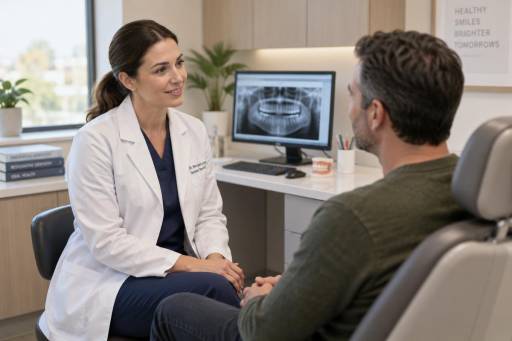
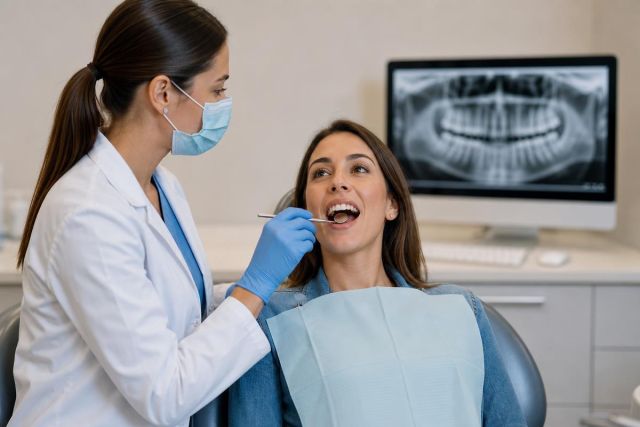
When assessing the severity of your old fillings, dentists conduct a thorough examination to determine the condition of each restoration and the surrounding tooth structure. This evaluation includes looking for visible signs such as cracks, wear, discoloration, or gaps around the filling where bacteria could enter. Dentists also use diagnostic tools like X-rays to detect decay beneath or adjacent to the filling that may not be visible during a routine visual inspection.
The presence and extent of decay are critical factors in prioritizing treatment. Fillings with active decay underneath or those that have fractured are considered high-risk because they can lead to tooth infection, abscesses, or further structural damage. These cases often require prompt replacement to prevent pain and avoid more invasive procedures such as root canal therapy or tooth extraction.
In contrast, fillings that exhibit minor wear or superficial defects without underlying decay may be scheduled for treatment at a later date, especially if they are asymptomatic. Dentists also take into account any symptoms you report, such as sensitivity to temperature, pressure, or discomfort, which can indicate the need for more urgent care.
Your overall oral health, including gum condition and bite alignment, is also factored into the treatment plan to ensure comprehensive care. This detailed assessment allows your dentist to prioritize the most vulnerable teeth for immediate treatment while planning a safe and effective sequence for restoring all affected teeth. By addressing the most severe issues first, the risk of complications is minimized, and your oral health is better preserved.
Factors Influencing the Order of Dental Restoration in Multiple Fillings
Several important factors influence how dentists determine the order in which multiple old fillings are replaced. One key consideration is the location of the teeth involved. Molars, which endure significant chewing forces, are often prioritized if their fillings are damaged or failing, as maintaining their function is critical for effective biting and chewing. Conversely, front teeth, which play a major role in appearance and speech, may be treated promptly if their fillings affect aesthetics or cause sensitivity, as these concerns can impact a patient’s confidence and comfort.
The risk of infection is another paramount factor guiding treatment order. Teeth with deep decay beneath the fillings or compromised restorations that allow bacterial infiltration pose a higher risk for abscess formation, pain, or even tooth loss. Such teeth typically require immediate attention to prevent more serious complications.
Functional importance is also assessed; teeth essential for daily oral functions like biting or chewing are often restored earlier to preserve overall oral health and quality of life. Additionally, patient-specific factors such as overall health status, pain tolerance, and scheduling preferences influence how treatments are sequenced. For example, some patients may prefer to address the most symptomatic teeth first, while others may opt for a more gradual approach.
Your dentist carefully balances these considerations to design a treatment plan that addresses urgent issues promptly while ensuring that the entire restoration process is manageable and effective. This strategic sequencing helps optimize treatment outcomes, patient comfort, and long-term oral health.
How to Prepare for Your Dental Treatment in Turkey: Tips for International Patients
Preparing thoroughly for your dental treatment in Turkey can significantly enhance your overall experience and the success of your procedure. Begin by collecting all relevant dental records, such as recent X-rays, treatment histories, and any notes from previous dentists. Providing these to your Turkish dentist allows for a comprehensive evaluation and helps in creating a precise and personalized treatment plan.
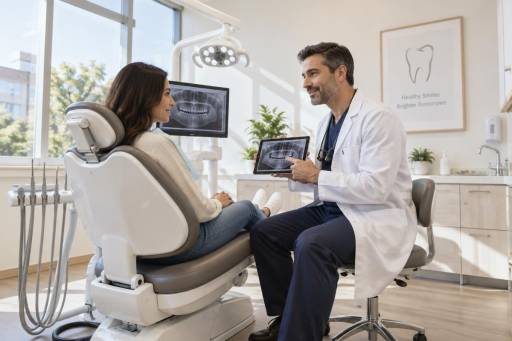
Many clinics offer initial consultations via telehealth, which can be particularly convenient for international patients. During this consultation, you can discuss your dental concerns, ask questions about the procedure, and receive a detailed treatment plan including the recommended sequence for replacing multiple fillings. Understanding this sequence is crucial for planning the length of your stay in Turkey, as some treatments may require multiple visits.
When arranging your travel, consider booking accommodations close to the dental clinic to minimize travel time and reduce stress during your treatment period. This proximity can be especially beneficial if you need to attend several appointments or experience temporary sensitivity after procedures. If you are not fluent in Turkish, inquire about language support services offered by the clinic to facilitate clear communication and ensure you fully understand each step of your care.
It is also important to clarify payment methods, costs, and any additional fees upfront to avoid surprises. Some clinics may accept international insurance or offer financing options. By preparing these logistical details in advance, you can focus on your oral health and enjoy the benefits of receiving quality dental care in Turkey with greater peace of mind.
What to Expect During Your Dental Filling Replacement Procedure in Turkey
When you undergo dental filling replacement in Turkey, the procedure generally begins with the removal of the old, damaged, or decayed filling material. Your dentist will carefully extract this material to eliminate any underlying decay or compromised areas. To ensure your comfort throughout the process, local anesthesia is administered to numb the treatment area, so you should expect to feel little to no pain during the procedure.
If you have multiple fillings to replace, your dentist may decide to schedule several appointments or complete the work in a single session, depending on your overall oral health, the complexity of the cases, and your personal tolerance for dental procedures. This approach helps manage patient comfort and allows for thorough care.
Once the old filling is removed and the tooth is cleaned, the dentist will restore the tooth using appropriate filling materials. Tooth-colored composite resins are commonly used because they blend naturally with your existing teeth, providing both functional and aesthetic benefits. The dentist carefully shapes and polishes the new filling to restore your bite alignment and ensure a smooth, natural finish.
After the procedure, most patients experience a quick recovery with only mild sensitivity to temperature or pressure, which usually subsides within a few days. Being informed about these steps can help reduce anxiety and empower you to communicate any concerns or discomfort to your dentist promptly.
Many dental clinics in Turkey utilize modern technology and adhere to strict sterilization protocols, contributing to a safe and comfortable treatment environment. This combination of advanced care and patient-centered practices aims to deliver effective results while prioritizing your well-being throughout the entire process.
Post-Treatment Care and Follow-Up for Replaced Fillings
After your fillings are replaced, taking diligent care of your teeth is vital to ensure the restorations last and your overall oral health improves. Your dentist will provide specific advice on oral hygiene practices tailored to your treatment, which typically includes gentle brushing with a soft-bristled toothbrush and careful flossing around the treated teeth to avoid disturbing the new fillings. Using fluoride toothpaste can also help strengthen enamel and protect against further decay.
Immediately following treatment, it is important to avoid hard, crunchy, or sticky foods that could dislodge or damage the fresh fillings. This precaution helps prevent sensitivity and allows the material to fully set and bond with your tooth. You may experience some mild sensitivity to hot, cold, or pressure for a few days, which is normal; however, if you notice unusual or prolonged pain, swelling, or discomfort, you should contact your dentist promptly as these could indicate complications such as infection or improper filling placement.
Regular follow-up visits are essential to monitor the condition of your new fillings and to catch any early signs of wear or decay around the restoration. During these check-ups, your dentist may polish the fillings or recommend additional treatments if necessary. Maintaining good oral habits, including a balanced diet low in sugary snacks and drinks, will also support the longevity of your restorations. By adhering to these guidelines and attending routine dental appointments, you can help ensure your restored teeth function well and remain healthy for many years to come.
Frequently Asked Questions
Q: How do I know which old fillings need to be replaced first?
Restore Cavities, Cracks, and Damaged Teeth
Answer a few short questions and HealthNode will help you connect with the right restorative dentist for fillings or tooth repair.
Pain, Sensitivity, and Damage
This helps us understand whether you may need a simple filling, tooth restoration, root canal evaluation, or another treatment.
Previous Dental Care and Preferences
A few details help the dentist understand the best restoration option for your tooth.
Final Details
Share anything important so the dentist can better understand your case.
Contact information
Your information is only used to contact you and is never shared with third parties.
Your request has been received!
Thank you. If you have dental X-rays, photos of the damaged tooth, previous filling records, root canal records, treatment plans, or information about tooth pain or sensitivity, please keep them ready. A HealthNode consultant will guide you through the next step.
A: A dentist evaluates the condition of each filling, looking for signs of decay, damage, or wear, to determine which should be prioritized.
Q: Is it safe to get multiple fillings replaced in one visit?
A: Yes, with proper planning and anesthesia, many patients can have several fillings replaced in a single appointment, but your dentist will advise based on your specific case.
Q: What are the benefits of replacing old fillings in Turkey?
A: Turkey offers high-quality dental care with experienced professionals and affordable prices, making it an attractive destination for dental tourism.
Q: How long does the filling replacement procedure take?
A: Typically, each filling replacement takes about 30 to 60 minutes, depending on the number and complexity of the fillings.
Q: Are there any risks associated with replacing old dental fillings?
A: Risks are minimal when performed by qualified dentists, but potential issues include sensitivity or infection if not properly managed.
Q: What should I do after my fillings are replaced?
A: Follow your dentist’s instructions for oral hygiene, avoid hard foods initially, and attend follow-up appointments for check-ups.
The information provided is for educational purposes only and does not constitute medical advice. Always consult with a healthcare professional for medical guidance specific to your situation.