Quick Answer
Teeth can move back after orthodontic treatment due to natural forces and biological factors, a process called orthodontic relapse. Wearing retainers as prescribed and maintaining good oral habits are essential to prevent this shifting and maintain alignment.
- Orthodontic relapse occurs because teeth and their supporting structures remain flexible and can shift after braces or aligners are removed.
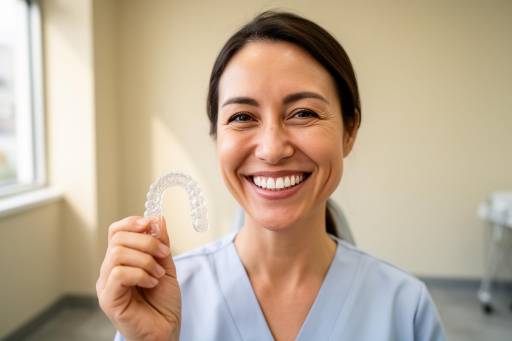
- Retainers stabilize teeth while bone and periodontal ligaments adapt to new positions, reducing the risk of relapse.
- Factors influencing teeth shifting include age, complexity of initial movement, retainer compliance, oral habits, and wisdom teeth eruption.
- Good oral hygiene and regular dental check-ups support healthy gums and bone, which are critical for tooth stability.
- Signs of shifting include crowding, spacing, bite changes, discomfort, and changes in retainer fit.
- Long-term retainer use, sometimes lifelong, is often necessary to maintain orthodontic results.
- Avoiding habits like tongue thrusting, nail biting, and teeth grinding helps prevent unwanted tooth movement after treatment.
Can Teeth Move Back After Orthodontic Treatment?
Teeth can indeed move back after orthodontic treatment, a phenomenon known as orthodontic relapse. This occurs because teeth are naturally subject to forces both inside the mouth and from surrounding bone and soft tissues, which means they can shift if not properly maintained after braces or aligners are removed. Understanding this possibility is important for anyone who has undergone orthodontic treatment, as it underscores the need for ongoing care.
Orthodontic treatment works by applying controlled forces to reposition teeth into a more desirable alignment. However, the biological structures supporting teeth, including the periodontal ligaments and bone, need time to stabilize in their new positions. Without appropriate retention strategies, such as wearing retainers as prescribed, teeth can gradually return toward their original alignment or shift unpredictably due to natural forces like chewing, tongue pressure, and muscle activity.
The risk and extent of relapse vary among individuals and depend on factors such as age, the complexity of the initial tooth movement, and compliance with retention protocols. Some shifting may be subtle and go unnoticed initially, while other cases can lead to noticeable crowding or spacing.
Find the Right Orthodontic Treatment for Your Smile
Answer a few short questions and HealthNode will help you connect with the right orthodontist for braces, clear aligners, or bite correction.
Treatment Preferences
This helps us understand which orthodontic option may fit your lifestyle and expectations.
Dental and Bite Details
A few details help the orthodontist understand whether you may need simple alignment, bite correction, or a more detailed treatment plan.
Contact information
Your information is only used to contact you and is never shared with third parties.
Your request has been received!
Thank you. If you have recent dental photos, dental X-rays, panoramic X-ray, cephalometric X-ray, intraoral scan, previous braces or aligner records, retainer records, or orthodontic treatment plans, please keep them ready. A HealthNode consultant will guide you through the next step.
Understanding the reasons behind this movement and how to prevent it is crucial for preserving the investment you made in your smile. This knowledge helps you maintain long-term stability and enjoy the benefits of orthodontic treatment for years to come. It also highlights the importance of follow-up care and the role of retainers in safeguarding your results.
How Teeth Can Shift After Orthodontic Treatment
After orthodontic treatment such as braces or clear aligners, your teeth may seem perfectly aligned, but they remain capable of moving due to the biological nature of the structures that support them. Teeth are anchored in the jawbone by periodontal ligaments, which are flexible connective tissues that allow slight movement and respond to pressure. When braces move teeth, they apply controlled forces that cause remodeling of the surrounding bone, allowing the teeth to shift into new positions.
Once the active treatment phase ends and braces or aligners are removed, the bone and periodontal tissues need time to solidify and adapt to the new tooth positions. However, these structures can remain somewhat flexible for months or even years, meaning teeth may drift if not held firmly in place.
This post-treatment shifting is called orthodontic relapse. The degree of relapse can vary widely, from minor adjustments that are barely noticeable to more significant crowding, spacing, or bite changes. The risk of relapse depends on several factors including your age (younger patients may experience more movement), the initial complexity of the tooth movement, and individual biological variability.
Orthodontic relapse emphasizes the importance of post-treatment measures to maintain your smile. Without these measures, the natural forces in your mouth, including chewing, tongue pressure, and muscle activity, can gradually undo the corrections achieved during treatment. Retainers serve to counteract these forces by stabilizing teeth until the bone and tissues fully adapt.
Understanding this process helps set realistic expectations and highlights why retention protocols are a critical part of orthodontic care. Maintaining your results requires ongoing attention and care beyond the active treatment phase to ensure your smile remains aligned and healthy.
Factors That Influence Teeth Shifting Post-Treatment
Several factors contribute to why teeth may move back after orthodontic treatment, and understanding these can help you take appropriate preventive measures. One of the most significant factors is retainer compliance. Retainers are designed to hold teeth in their new positions while the bone and ligaments stabilize around them. If you do not wear your retainer as advised, even for short periods, your teeth can easily drift back toward their original positions.
Biological factors also play a role in tooth stability. Some individuals have a genetic predisposition to tooth movement or gum conditions such as periodontal disease that affect tooth support. Additionally, the natural aging process influences bone density and ligament elasticity, which can make teeth more prone to shifting over time. This means that even with good compliance, some movement may occur as part of normal aging.
Oral habits can exert abnormal forces on teeth, encouraging them to move. Habits such as tongue thrusting, where the tongue pushes against the front teeth during swallowing or at rest, nail biting, or grinding and clenching teeth (bruxism) can all contribute to relapse. These forces can gradually alter tooth position if not addressed.
Another factor is the eruption of wisdom teeth in younger adults, which can push other teeth forward or backward, altering alignment. While the impact of wisdom teeth on orthodontic relapse is debated, it remains a consideration for some patients.
Understanding these influences helps you appreciate why maintaining good habits, wearing your retainer consistently, and following your orthodontist's guidance is essential for preserving your treatment results. Regular dental visits can help monitor these factors and allow timely intervention if shifting begins.
How to Maintain Your Orthodontic Results Long-Term
Maintaining your orthodontic results requires consistent effort and care over the long term. Wearing your retainer exactly as prescribed by your orthodontist is the cornerstone of long-term success. Typically, this involves full-time wear initially, often for several months, followed by a gradual transition to nighttime use indefinitely. Some patients may need to wear retainers nightly for many years or even permanently to prevent relapse.
Good oral hygiene supports healthy gums and bone, which are critical for tooth stability. Regular brushing, flossing, and dental check-ups reduce inflammation and disease that can compromise your teeth’s position. Gum disease or bone loss weakens the structures that hold teeth in place, increasing the risk of shifting.
Scheduling follow-up visits with your orthodontist or dentist allows early detection of any shifting or issues with your retainers. During these visits, your provider can adjust or replace retainers as needed to maintain fit and function, ensuring they continue to effectively stabilize your teeth.
Avoiding harmful oral habits is also important. Behaviors such as nail biting, excessive chewing on hard objects like pens or ice, or tongue thrusting can exert unwanted forces on your teeth, potentially causing movement. Being mindful of these habits and seeking guidance if you struggle to stop them can help protect your orthodontic results.
By combining diligent retainer use, excellent oral hygiene, regular professional care, and mindful habits, you significantly increase the odds of preserving your smile for life. Remember that retention is a lifelong commitment for many people, and staying proactive is key to maintaining your beautiful, healthy smile.
Signs That Your Teeth Are Shifting After Treatment
Recognizing early signs of teeth shifting can help you act promptly to prevent significant relapse and avoid the need for more extensive orthodontic treatment. Common indicators include changes such as crowding, where teeth begin to overlap or become crooked again, or the development of new spaces between teeth that were previously aligned closely. Additionally, you might notice a change in the way your upper and lower teeth fit together when you bite down, known as your occlusion, which can feel different or uncomfortable.
Sensitivity or discomfort in certain areas of your mouth can also signal pressure from shifting teeth. This may manifest as mild soreness or tenderness when chewing or touching specific teeth. Another subtle sign is if your retainer feels either tighter or looser than usual; a tighter fit might indicate that your teeth are moving closer together, while a looser retainer suggests they are drifting apart.
Early detection involves regular self-monitoring of your smile and being aware of any changes in tooth position or bite. Taking photographs periodically can help you compare your teeth over time. If you observe any of these signs, it is important to consult your orthodontist or dentist promptly. They can evaluate your alignment and assess whether your retainer is still effective or requires adjustment.
Professional consultation is crucial because small adjustments or retainer modifications can often prevent more extensive treatments later on. Acting early preserves your orthodontic investment and keeps your smile healthy and attractive. Ignoring these signs may lead to more complex issues such as bite problems, jaw discomfort, or increased difficulty in correcting the relapse.
Preventing Teeth from Moving Back: Expert Advice
Experts emphasize that long-term stability after orthodontic treatment depends largely on patient cooperation and consistent follow-up care. Wearing retainers exactly as prescribed is the most effective way to prevent relapse, as retainers help hold your teeth in their new positions while the surrounding bone and tissues solidify.
Orthodontic maintenance involves periodic professional check-ups to monitor tooth position and retainer condition. During these visits, your orthodontist will assess whether your teeth have shifted and if your retainer still fits properly. Depending on your individual case, your orthodontist may recommend lifetime retainer use, especially if you had significant tooth movement or if your teeth tend to shift easily.
Maintaining excellent oral health is also critical. Healthy gums and bone provide a solid foundation that resists unwanted tooth movement. Gum disease or bone loss can destabilize teeth, making them more prone to drifting. Regular brushing, flossing, and dental cleanings reduce the risk of inflammation and infection that can compromise tooth stability.
Find the Right Orthodontic Treatment for Your Smile
Answer a few short questions and HealthNode will help you connect with the right orthodontist for braces, clear aligners, or bite correction.
Treatment Preferences
This helps us understand which orthodontic option may fit your lifestyle and expectations.
Dental and Bite Details
A few details help the orthodontist understand whether you may need simple alignment, bite correction, or a more detailed treatment plan.
Contact information
Your information is only used to contact you and is never shared with third parties.
Your request has been received!
Thank you. If you have recent dental photos, dental X-rays, panoramic X-ray, cephalometric X-ray, intraoral scan, previous braces or aligner records, retainer records, or orthodontic treatment plans, please keep them ready. A HealthNode consultant will guide you through the next step.
Avoiding habits that exert excessive pressure on teeth contributes to maintaining your orthodontic results. For example, if you grind or clench your teeth at night, a night guard may be advised to protect your teeth from harmful forces. Similarly, refraining from nail biting, chewing on pens, or using teeth as tools helps prevent unwanted movement.
Following professional advice and staying vigilant about your orthodontic care will help ensure your smile remains stable and beautiful for years to come. Remember that retention is a lifelong commitment for many people, and consistent care is key to preserving your orthodontic investment.
Frequently Asked Questions
Q: Can teeth move back even if I wear my retainer?
A: Wearing your retainer as prescribed significantly reduces the risk of teeth shifting back. However, slight movement can still occur over many years due to natural biological changes. Consistent long-term retainer use and regular dental check-ups help maintain stability.
Q: How long do I need to wear a retainer after braces?
A: Typically, retainers are worn full-time for several months after braces, then at night indefinitely. The exact duration depends on your orthodontist’s recommendation and your individual risk of relapse. Many patients benefit from wearing retainers nightly for life.
Q: What habits can cause teeth to shift after treatment?
A: Oral habits like tongue thrusting, nail biting, teeth grinding, and chewing hard objects can apply pressure that moves teeth. Avoiding these habits and using protective devices, such as night guards for grinding, help maintain your orthodontic results.
Q: When should I see an orthodontist if I notice teeth shifting?
A: If you observe changes in your bite, new crowding, spacing, or retainer fit issues, you should consult your orthodontist promptly. Early intervention prevents more extensive treatment. Regular follow-ups even without symptoms are also important.
Q: Can wisdom teeth cause teeth to move after orthodontic treatment?
A: Yes, the eruption of wisdom teeth can exert pressure on neighboring teeth, potentially causing shifting. Your orthodontist will monitor wisdom teeth and may recommend removal if they threaten your alignment or orthodontic stability.
The information provided is for educational purposes only and does not constitute medical advice. Always consult with a healthcare professional for medical guidance specific to your situation.