Quick Answer
The average cost of dental fillings and tooth restorations varies widely depending on the materials used, procedure complexity, and country where treatment is performed. Prices are generally higher in developed countries and lower in countries like India.
- Dental fillings repair cavities or minor tooth damage, while tooth restorations address more extensive repairs such as crowns or inlays.
- Common filling materials include amalgam, composite resin, gold, and ceramic, each differing in durability, aesthetics, and cost.
- Factors influencing cost include material choice, dentist expertise, procedure complexity, location, and additional services like anesthesia.
- Dental treatment costs are higher in countries like the United States, Canada, the UK, and Australia, and lower in countries like India.
- Choosing the right treatment involves balancing cost, durability, aesthetics, and oral health needs with professional advice.
- Dental insurance coverage and payment plans can help offset costs but vary widely by provider and region.
- Affordable dental care options include dental schools, clinics with sliding scale fees, and dental tourism with accredited providers.
What Is the Average Cost of Dental Fillings and Tooth Restorations?
The average cost of dental fillings and tooth restorations varies widely depending on the materials used, the complexity of the procedure, and the country where treatment is performed. Generally, dental fillings serve to repair cavities or minor tooth damage, while tooth restorations can include more extensive repairs such as crowns or inlays. Understanding these costs can help you make informed decisions about your dental care without compromising quality.
Dental treatments can differ significantly in price based on factors like the type of filling material, the dentist's expertise, and geographical location. For patients seeking dental care internationally or locally, being aware of these variables is essential to budgeting for treatment effectively. This overview explores the basics of dental fillings and restorations, cost determinants, and global pricing trends to guide you through the financial aspects of dental health management.
Whether you are considering a simple composite filling or more substantial tooth restoration, knowing what influences costs and how to choose treatment options can empower you. This information also highlights practical ways to find quality care that fits your budget without sacrificing safety or results.
Restore Cavities, Cracks, and Damaged Teeth
Answer a few short questions and HealthNode will help you connect with the right restorative dentist for fillings or tooth repair.
Pain, Sensitivity, and Damage
This helps us understand whether you may need a simple filling, tooth restoration, root canal evaluation, or another treatment.
Previous Dental Care and Preferences
A few details help the dentist understand the best restoration option for your tooth.
Final Details
Share anything important so the dentist can better understand your case.
Contact information
Your information is only used to contact you and is never shared with third parties.
Your request has been received!
Thank you. If you have dental X-rays, photos of the damaged tooth, previous filling records, root canal records, treatment plans, or information about tooth pain or sensitivity, please keep them ready. A HealthNode consultant will guide you through the next step.
Dental Fillings and Tooth Restorations: Repairing and Protecting Your Teeth
Dental fillings and tooth restorations are dental procedures aimed at repairing damaged or decayed teeth to restore their function and appearance. A dental filling typically involves placing a material into a cavity caused by tooth decay to prevent further damage and restore the tooth's integrity. Tooth restorations, a broader category, include procedures like crowns, inlays, onlays, and veneers, which address more extensive tooth damage or structural loss.
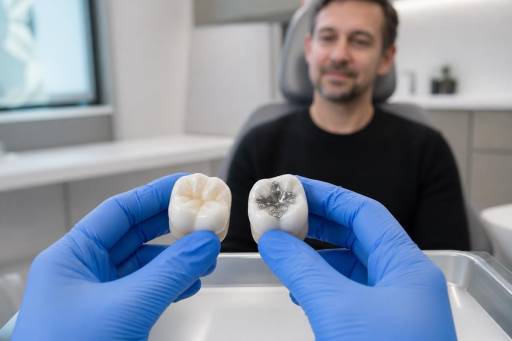
Common types of dental filling materials include amalgam (silver-colored), composite resin (tooth-colored), gold, and ceramic. These materials vary in durability, aesthetics, and cost. Tooth restorations may use similar materials but often involve lab fabrication to create custom-fit pieces that cover or replace parts of a tooth.
The primary reason to get a dental filling or restoration is to treat tooth decay or damage early, preventing more severe problems such as infection, tooth loss, or complex orthodontic issues. These procedures help maintain oral health, preserve tooth structure, and improve chewing and speech functions. Regular dental visits ensure timely detection and treatment of issues requiring fillings or restorations.
Factors Influencing the Cost of Dental Treatments
Several factors influence the cost of dental fillings and tooth restorations, making prices vary even within the same city or country. One major determinant is the choice of material. Amalgam fillings tend to be less expensive but are less aesthetic, while composite resins and ceramics cost more due to their natural appearance and material properties.
Location plays a significant role in pricing. Dental care in urban centers or developed countries like the United States, Canada, the United Kingdom, and Australia generally costs more than in countries like India, where operational and labor costs are lower. The expertise and reputation of the dental provider also impact the price, as highly trained specialists or clinics with advanced technology often charge higher fees.
The extent of tooth damage affects the complexity of the procedure and the cost. Larger restorations or multiple fillings require more chair time and materials. Additional factors include diagnostic tests, anesthesia, and follow-up visits. Dental insurance coverage or health plans may offset some costs but vary widely by region and provider.
Average Costs Around the World for Dental Fillings and Restorations
Dental filling and restoration costs differ considerably across countries, influenced by economic conditions, healthcare infrastructure, and market demand. For example, patients in the United States and Canada typically pay higher prices due to the cost of living and advanced dental technologies.
| Country | Typical Cost Range for Dental Fillings (Per Tooth) | Typical Cost Range for Tooth Restorations (Crowns, etc.) |
|---|---|---|
| United States | Moderate to high | High |
| Canada | Moderate to high | High |
| United Kingdom | Moderate | Moderate to high |
| Australia | Moderate to high | Moderate to high |
| India | Low to moderate | Moderate |
Patients seeking affordable dental care often consider treatment in countries like India, where costs may be substantially lower without compromising quality when selecting accredited providers. However, traveling for dental care also involves considering travel costs, recovery time, and continuity of care.
Understanding these price differences can help you plan your dental treatment budget and explore options such as dental tourism or local clinics offering competitive rates.
How to Choose the Right Dental Treatment for You
Choosing the right dental treatment involves balancing cost, durability, aesthetics, and your oral health needs. The type of filling or restoration material can affect the longevity and appearance of your dental work. For example, composite resins provide good aesthetics but may wear faster in certain cases compared to amalgam or gold.
Consider your budget but avoid compromising quality or safety. Discuss with your dentist the benefits and drawbacks of available materials and procedures tailored to your specific dental condition. Your dentist may recommend more durable materials for areas subject to heavy chewing forces or aesthetic options for visible teeth.
Personal health factors such as allergies, existing dental conditions, and lifestyle also influence treatment choice. Prioritize providers who offer transparent pricing and detailed explanations so you can make an informed decision. Remember that preventive care and early treatment often reduce overall costs and complexity.
Tips for Saving on Dental Costs Without Compromising Quality
Finding affordable dental care without sacrificing quality is possible by exploring several practical strategies. First, check if your dental insurance covers fillings and restorations, and understand any co-pays or limits. Some insurance plans offer negotiated rates that can reduce out-of-pocket expenses.
Look for dental clinics that offer payment plans, sliding scale fees, or special packages for multiple procedures. Dental schools or teaching hospitals may provide lower-cost care performed by supervised students, which can be a safe and budget-friendly option.
Compare prices from multiple providers and consider traveling to regions with lower dental fees if you plan to combine care with travel. However, ensure the clinic meets accreditation and quality standards. Maintaining good oral hygiene and regular check-ups can prevent the need for costly treatments later, saving money in the long run.
Frequently Asked Questions
Q: What materials are commonly used for dental fillings?
Restore Cavities, Cracks, and Damaged Teeth
Answer a few short questions and HealthNode will help you connect with the right restorative dentist for fillings or tooth repair.
Pain, Sensitivity, and Damage
This helps us understand whether you may need a simple filling, tooth restoration, root canal evaluation, or another treatment.
Previous Dental Care and Preferences
A few details help the dentist understand the best restoration option for your tooth.
Final Details
Share anything important so the dentist can better understand your case.
Contact information
Your information is only used to contact you and is never shared with third parties.
Your request has been received!
Thank you. If you have dental X-rays, photos of the damaged tooth, previous filling records, root canal records, treatment plans, or information about tooth pain or sensitivity, please keep them ready. A HealthNode consultant will guide you through the next step.
A: Common dental filling materials include amalgam (silver-colored), composite resin (tooth-colored), gold, and ceramic. Each material has different durability, aesthetics, and cost profiles. Your dentist can help choose the best option based on your needs.
Q: Why do dental filling costs vary by country?
A: Costs vary due to differences in economic conditions, labor costs, healthcare infrastructure, and local market pricing. Developed countries usually have higher prices, while some countries offer more affordable care due to lower operational expenses.
Q: How long do dental fillings typically last?
A: The lifespan of dental fillings depends on the material and oral hygiene. Amalgam fillings can last 10-15 years, while composite fillings typically last 5-7 years. Regular dental check-ups help monitor and maintain fillings.
Q: Can dental insurance cover the cost of tooth restorations?
A: Many dental insurance plans cover part of the cost of fillings and restorations, but coverage varies widely. It's important to review your plan details and consult with your provider to understand benefits and out-of-pocket costs.
Q: Are there ways to reduce dental treatment costs safely?
A: Yes, options include using dental insurance, seeking care at dental schools, exploring payment plans, and choosing clinics with transparent pricing. Prioritizing preventive care also helps avoid expensive procedures later.
The information provided is for educational purposes only and does not constitute medical advice. Always consult with a healthcare professional for medical guidance specific to your situation.