Quick Answer
Sinus problems after upper dental implants can occur due to the close proximity of the upper jaw to the maxillary sinuses, potentially causing sinus membrane perforation, infection, or inflammation. Recognizing symptoms early and proper surgical planning can help prevent and manage these complications.
- The upper jawbone is located just beneath the maxillary sinuses, making sinus complications a risk during upper dental implant procedures. Sinus problems related to implants include sinus membrane perforation, sinusitis, and graft failure after sinus lift procedures. Symptoms of sinus issues after implant surgery include facial pain, nasal congestion, nasal discharge, headaches, and swelling near the upper teeth. Preoperative imaging like CBCT scans helps assess sinus anatomy and bone height to prevent sinus complications. Sinus lift procedures may be performed to increase bone height but require careful technique to avoid infection or membrane damage. Treatment options range from antibiotics and nasal irrigation to surgical repair or implant removal in severe cases. Consulting an ENT specialist is recommended if sinus symptoms persist after implant surgery for comprehensive care.
Sinus Problems After Upper Dental Implants
Sinus problems can sometimes occur after upper dental implants due to the close anatomical relationship between the upper jaw and the maxillary sinuses. These complications may include sinus infections, inflammation, or perforation of the sinus membrane during implant placement. Understanding this connection helps you recognize risks and take steps to minimize sinus complications.
The upper jawbone lies just beneath the maxillary sinuses, air-filled cavities located behind your cheeks. When dental implants are placed in the upper jaw, especially in the back region, there is a risk that the implant may encroach on the sinus cavity or affect the sinus membrane. This can lead to symptoms like sinus pain, congestion, or infection if not managed carefully.
Awareness of sinus health in relation to upper dental implants is essential for anyone considering this procedure. Knowing the causes, signs to watch for, ways to prevent complications, and treatment options allows you to make informed decisions and seek appropriate care if sinus problems arise after your implant surgery.
Find Out If Dental Implants Are Right for You
Answer a few short questions and HealthNode will help you connect with the right dental implant specialist.
Your Main Goal
This helps us understand which implant option may be most relevant for you.
Dental Health and Previous Tests
A few details help us understand whether you may need imaging, bone grafting, gum treatment, or implant planning.
Health and Healing Factors
These details help the specialist understand any factors that may affect implant healing.
Contact information
Your information is only used to contact you and is never shared with third parties.
Your request has been received!
Thank you. If you have dental X-rays, panoramic X-ray, CBCT scan, treatment plan, tooth extraction notes, gum disease records, or previous implant records, please keep them ready. A HealthNode consultant will guide you through the next step.
How Upper Dental Implants Impact Sinus Health and What You Need to Know
The upper jawbone and the maxillary sinuses are closely connected both anatomically and functionally. The maxillary sinuses are air-filled spaces located above the upper teeth, especially the molars and premolars. Because the bone in this area is relatively thin, placing dental implants here can sometimes affect the sinus cavity. This anatomical proximity means that dental implant procedures in the upper jaw carry a risk of sinus complications if the implant extends into or irritates the sinus membrane.
The most common sinus problems related to upper dental implants include sinus membrane perforation, sinusitis, and graft failure if a sinus lift procedure is involved. Sinus membrane perforation can occur if the implant drills or extends beyond the bone into the sinus space. This disruption can lead to inflammation or infection within the sinus cavity.
Sinus lift procedures, often performed to increase bone height before implant placement, also involve manipulating the sinus membrane. While these procedures are generally safe, insufficient healing or infection can contribute to sinus complications. Understanding this connection helps you appreciate the importance of careful surgical planning and assessments to prevent sinus-related issues after upper dental implants.
Recognizing Symptoms of Sinus Issues After Dental Implant Surgery
After upper dental implant surgery, certain symptoms may signal sinus problems. Early recognition is key to prompt treatment and avoiding more serious complications. Common symptoms include facial pain or pressure, especially around the cheeks and eyes, which may worsen when bending forward or lying down.
You might experience nasal congestion or a feeling of fullness in the nose, which can affect your breathing through the affected nostril. Persistent nasal discharge, sometimes with a foul smell or taste, can also indicate sinus infection or inflammation related to the implant site.
Other signs to watch for include headaches, swelling over the cheekbones, or tenderness when touching the area near your upper teeth. If you notice any of these symptoms after your dental implant procedure, it is important to consult your healthcare provider promptly for an evaluation to determine if the sinuses are involved.
Preventing Sinus Problems Before and During Dental Implant Procedures
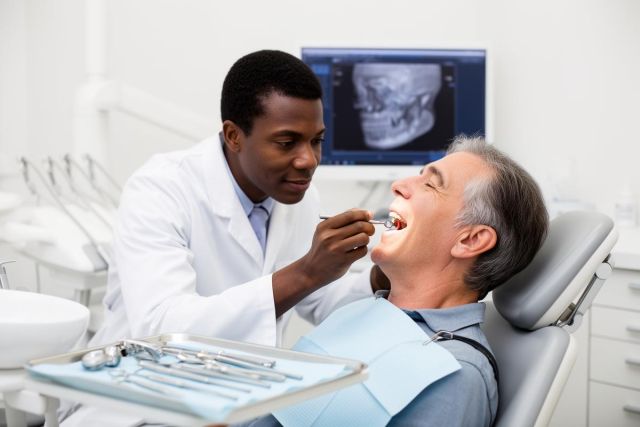
Preventing sinus complications starts with thorough preoperative assessment. Your dental surgeon will often use imaging techniques like cone beam computed tomography (CBCT) scans to evaluate the bone height and sinus anatomy before implant placement. This helps identify the risk of sinus membrane perforation and guides surgical planning.
If the bone is insufficient to support an implant without invading the sinus cavity, a sinus lift procedure may be recommended. This involves gently elevating the sinus membrane and placing bone graft material to create adequate bone height. Proper technique and sterile conditions during this surgery are critical to reduce infection risk and promote healing.
During implant placement, using precise surgical guides and minimally invasive techniques can minimize trauma to the sinus membrane. Your surgeon will also consider implant size and position carefully to avoid sinus encroachment. Following postoperative care instructions, such as avoiding nose blowing or heavy lifting, helps prevent pressure changes that could affect sinus healing.
Treatment Options for Sinus Problems Related to Dental Implants
If sinus problems occur after upper dental implant surgery, treatment depends on the severity and cause. Mild sinus inflammation may respond well to medical management including antibiotics, nasal decongestants, and anti-inflammatory medications to reduce infection and swelling.
Sinus irrigation techniques can also help clear mucus and promote drainage, easing symptoms. When an implant has perforated the sinus or caused persistent infection, surgical intervention may be necessary. This can involve repairing the sinus membrane, removing the implant if it cannot be salvaged, or performing revision sinus lift procedures.
Collaboration between your dental surgeon and an ear, nose, and throat (ENT) specialist is often beneficial for managing complex sinus complications. Timely treatment improves healing outcomes and reduces the risk of chronic sinusitis or implant failure.
When to Consult a Specialist for Sinus Complications
It is important to seek specialist consultation if you experience persistent sinus symptoms following upper dental implants. An ENT specialist is trained to evaluate and manage sinus conditions and can work alongside your dental surgeon to provide comprehensive care.
You should consider consulting a specialist if you have ongoing facial pain, nasal congestion, or signs of infection that do not improve with initial treatment. Early referral helps prevent complications like chronic sinusitis or damage to surrounding structures.
Choosing the right healthcare provider involves looking for board-certified ENT doctors or dental surgeons experienced in sinus-related implant complications. Your primary dental or medical provider can guide you on timing for referral and coordinate multidisciplinary care to achieve the best outcomes.
Maintaining Long-term Sinus and Dental Health After Implants
Maintaining sinus and dental health after implant surgery requires ongoing care and monitoring. Regular dental check-ups and imaging can detect early signs of sinus or implant issues before they worsen. Good oral hygiene reduces infection risks that could affect the sinuses.
If you had sinus lift procedures or experienced sinus complications, follow-up visits with both your dental surgeon and ENT specialist may be recommended. They can assess healing progress and address any emerging concerns.
Avoiding habits that increase sinus pressure, such as heavy nose blowing or smoking, supports long-term sinus health. Prompt attention to any new sinus symptoms ensures that your dental implants and sinuses remain healthy and functional over time.
Frequently Asked Questions
Q: Can dental implants cause sinus infections?
A: Yes, upper dental implants can cause sinus infections if the implant affects the sinus cavity or causes inflammation. This is more likely if the sinus membrane is perforated during surgery or if infection develops afterward.
Find Out If Dental Implants Are Right for You
Answer a few short questions and HealthNode will help you connect with the right dental implant specialist.
Your Main Goal
This helps us understand which implant option may be most relevant for you.
Dental Health and Previous Tests
A few details help us understand whether you may need imaging, bone grafting, gum treatment, or implant planning.
Health and Healing Factors
These details help the specialist understand any factors that may affect implant healing.
Contact information
Your information is only used to contact you and is never shared with third parties.
Your request has been received!
Thank you. If you have dental X-rays, panoramic X-ray, CBCT scan, treatment plan, tooth extraction notes, gum disease records, or previous implant records, please keep them ready. A HealthNode consultant will guide you through the next step.
A: Sinus pain, nasal congestion, or pressure that starts after dental implant surgery may indicate a connection. It is best to consult your dental or medical provider who can evaluate your symptoms and perform necessary tests.
Q: What are the treatment options if I experience sinus issues after implants?
A: Treatment can include antibiotics, nasal irrigation, or surgery to repair the sinus or remove the implant if needed. A specialist will determine the appropriate approach based on your condition.
Q: Are sinus problems after dental implants common?
A: Sinus complications are not very common but can occur, especially without careful planning and sinus evaluation before the implant procedure. Proper surgical technique reduces this risk significantly.
Q: How can I prevent sinus problems when getting upper dental implants?
A: Preoperative imaging and sinus assessment, careful surgical planning, and possibly sinus lift procedures help minimize sinus complications during implant placement.
Q: Should I see a specialist if I suspect sinus problems after dental surgery?
A: Yes, seeing an ENT specialist or your dental surgeon promptly ensures proper diagnosis and treatment to prevent worsening sinus issues.
The information provided is for educational purposes only and does not constitute medical advice. Always consult with a healthcare professional for medical guidance specific to your situation.