Quick Answer
A tooth can have too little enamel for a porcelain veneer if the enamel thickness is below approximately 0.3 millimeters, which compromises veneer bonding and durability. In such cases, alternative cosmetic treatments may be recommended.
- Porcelain veneers require a sufficient layer of healthy enamel for optimal bonding and longevity.
- Enamel thickness on front teeth typically ranges from 0.5 to 1.0 millimeters, with less than 0.3 millimeters generally considered too thin for veneers.
- Thin enamel can lead to increased tooth sensitivity and visible signs like wear, translucency, or discoloration.
- Dentists assess enamel thickness through clinical examination and imaging to determine veneer suitability.
- Alternatives to traditional veneers for thin enamel include lumineers, composite bonding, and dental crowns.
- Maintaining enamel health through good oral hygiene and avoiding acidic foods supports veneer success.
- Consulting with a dentist helps tailor cosmetic treatment plans based on enamel condition and aesthetic goals.
Can a Tooth Have Too Little Enamel for a Porcelain Veneer?
Porcelain veneers require a sufficient layer of healthy enamel on the tooth surface for optimal bonding and durability. If the enamel is too thin or significantly worn, it can compromise the veneer’s adhesion and longevity, making the tooth unsuitable for traditional porcelain veneers.
Dental enamel is the hard, protective outer layer of your teeth. It provides structural support and serves as the foundation for cosmetic treatments like veneers. When enamel thickness falls below a certain threshold, the risk of veneer failure, increased tooth sensitivity, or damage to underlying tooth structures increases. This makes enamel thickness a critical factor in determining if porcelain veneers are a viable cosmetic option for you.
Evaluating enamel thickness involves clinical examination and sometimes imaging, allowing your dentist to recommend appropriate treatments. Understanding the role of enamel in veneer placement can help you make informed decisions about your smile enhancement options and explore alternatives if needed.
Find Out If Dental Veneers Are Right for Your Smile
Answer a few short questions and HealthNode will help you connect with the right cosmetic dentist or smile design specialist.
Your Teeth and Current Situation
This helps us understand whether veneers, bonding, crowns, whitening, or orthodontics may be more suitable.
Dental Health Check
A few details help the specialist understand whether any dental treatment may be needed before veneers.
Final Details
Share anything important so the specialist can better understand your expectations.
Contact information
Your information is only used to contact you and is never shared with third parties.
Your request has been received!
Thank you. If you have recent dental photos, dental X-rays, smile design plans, previous veneer or crown records, gum treatment notes, or orthodontic records, please keep them ready. A HealthNode consultant will guide you through the next step.
Assessing Enamel Thickness for Veneer Compatibility
Enamel thickness varies naturally across different teeth and individuals. Typically, the enamel layer on front teeth ranges from about 0.5 to 1.0 millimeters thick. For porcelain veneers to bond securely, a healthy enamel layer is essential because veneers adhere best to enamel rather than dentin, the softer layer beneath.
If enamel is severely reduced due to wear, erosion, or previous dental treatments, the bonding surface may be compromised. Generally, if enamel thickness drops below approximately 0.3 millimeters, it becomes challenging to achieve a strong bond without risking damage to the tooth.
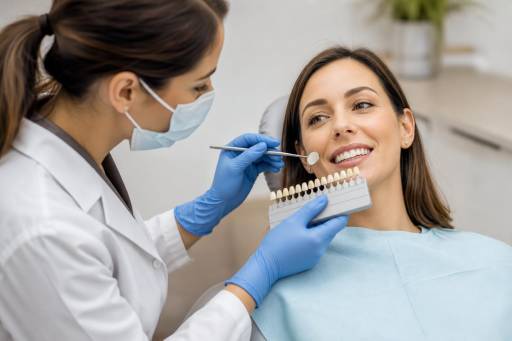
Dentists assess enamel thickness using clinical tools and sometimes radiographic imaging. They look for sufficient enamel to support veneer placement with minimal tooth preparation. If enamel is too thin, traditional veneer placement may not be advisable, and alternative cosmetic options should be considered.
This assessment ensures that your veneers will be durable, look natural, and minimize risks such as sensitivity or veneer detachment. Proper enamel thickness is a cornerstone of effective veneer treatment planning.
Signs That Your Enamel May Be Too Thin for Veneers
Several clinical signs can suggest that your enamel might be too thin to support porcelain veneers safely. Tooth sensitivity is a common symptom, especially when consuming hot, cold, or acidic foods and beverages. This sensitivity occurs because thinning enamel exposes the underlying dentin, which transmits sensations more readily.
Visible enamel wear or erosion can appear as thinning edges, translucency, or uneven surfaces on your teeth. You might also notice discoloration since dentin has a yellower hue than enamel, affecting the overall tooth color.
If your teeth have been previously subjected to aggressive dental procedures or grinding habits like bruxism, enamel wear may be accelerated. These factors can reduce enamel thickness and influence veneer candidacy.
Your dentist will perform a clinical evaluation to confirm these signs and use diagnostic tools to measure enamel thickness accurately. Recognizing these symptoms early can guide you toward appropriate cosmetic dental solutions that protect your oral health.
Alternative Cosmetic Dental Treatments for Enamel-Limited Teeth
When enamel thickness is insufficient for traditional porcelain veneers, other cosmetic dental treatments may offer effective smile enhancement without compromising tooth integrity.
Lumineers are a popular alternative; these ultra-thin veneers require minimal to no enamel removal and can bond to teeth with thinner enamel. However, not all cases are suitable for lumineers, particularly if there is severe enamel loss.
Composite bonding is another option that uses tooth-colored resin applied and sculpted directly onto the tooth surface. This approach is less invasive and preserves more of the natural tooth but may not last as long as porcelain veneers.
Dental crowns provide full coverage and can be considered when enamel is too compromised. Crowns require more extensive tooth preparation but offer strength and durability when veneers are not feasible.
Discussing these alternatives with your dentist ensures you choose the treatment best matched to your enamel condition and aesthetic goals.
The Role of Your Dentist in Determining Enamel Health and Treatment Planning
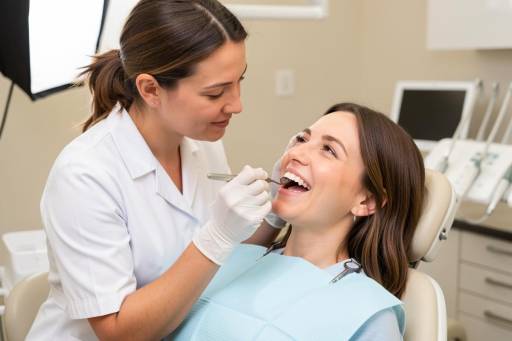
Your dentist plays a crucial role in evaluating enamel health and planning the right cosmetic treatment for you. They conduct a comprehensive dental examination, including visual inspection and diagnostic imaging, to assess enamel thickness and quality.
This evaluation helps determine if porcelain veneers are suitable or if alternative treatments are advisable. Dentists also consider other factors such as bite alignment, tooth shape, and overall oral health in their treatment planning.
A personalized approach ensures that your veneers or alternative restorations will be both functional and aesthetically pleasing. Your dentist can explain potential risks, benefits, and maintenance requirements based on your enamel condition.
Collaborating closely with your dental professional guarantees a treatment plan tailored to your unique needs and helps you set realistic expectations for your smile transformation.
Preparing for Your Veneer Consultation: Questions to Ask Your Dentist
Going into your veneer consultation well-prepared can help you gain clarity about your enamel health and treatment options. Asking questions about your enamel thickness and suitability for porcelain veneers is essential.
You might want to inquire about how your enamel condition affects the choice between veneers, lumineers, or bonding. Asking about the risks associated with veneers on thin enamel and potential alternatives provides valuable insight.
Clarify the expected outcomes, longevity, and maintenance requirements for each treatment type. Understanding the process of tooth preparation and how it relates to enamel preservation can also guide your decision.
By engaging in an open dialogue, you empower yourself to make informed decisions aligned with your dental health and cosmetic goals.
Maintaining Dental Enamel and Long-Term Veneer Success
Preserving your dental enamel and caring for your veneers are key to ensuring long-lasting, successful results. Good oral hygiene practices such as regular brushing with a non-abrasive toothpaste and flossing help protect enamel and prevent decay.
Avoiding excessive consumption of acidic foods and beverages reduces enamel erosion risk. Using a fluoride mouthwash or treatments recommended by your dentist can strengthen enamel surfaces.
Once veneers are placed, routine dental visits are important to monitor their condition and the health of your underlying teeth. Wearing a nightguard may be advised if you have grinding habits that could damage veneers or enamel.
Find Out If Dental Veneers Are Right for Your Smile
Answer a few short questions and HealthNode will help you connect with the right cosmetic dentist or smile design specialist.
Your Teeth and Current Situation
This helps us understand whether veneers, bonding, crowns, whitening, or orthodontics may be more suitable.
Dental Health Check
A few details help the specialist understand whether any dental treatment may be needed before veneers.
Final Details
Share anything important so the specialist can better understand your expectations.
Contact information
Your information is only used to contact you and is never shared with third parties.
Your request has been received!
Thank you. If you have recent dental photos, dental X-rays, smile design plans, previous veneer or crown records, gum treatment notes, or orthodontic records, please keep them ready. A HealthNode consultant will guide you through the next step.
Taking these proactive steps maintains your natural enamel as much as possible and supports the durability and appearance of your porcelain veneers over time.
Frequently Asked Questions
Q: Can I get porcelain veneers if I have thin enamel?
A: It depends on the extent of enamel thinning; your dentist can evaluate whether veneers are suitable or if alternative options are better.
Q: What are the risks of placing veneers on teeth with little enamel?
A: Risks include increased sensitivity, veneer failure, or damage to the underlying tooth structure if enamel is too thin.
Q: Are there non-invasive options for improving my smile if I have minimal enamel?
A: Yes, options like lumineers or composite bonding may be suitable for teeth with limited enamel.
Q: How can I tell if my enamel is too thin for veneers?
A: Signs include increased sensitivity, visible wear, or your dentist's assessment through clinical examination and imaging.
Q: What can I do to protect my enamel before considering veneers?
A: Maintain good oral hygiene, avoid acidic foods and drinks, and consult your dentist for personalized advice.
Q: Is enamel regrowth possible to improve veneer candidacy?
A: Enamel does not naturally regenerate; however, your dentist can recommend treatments to strengthen existing enamel or suggest suitable alternatives.
The information provided is for educational purposes only and does not constitute medical advice. Always consult with a healthcare professional for medical guidance specific to your situation.