Quick Answer
If a veneer chips but remains attached, avoid touching or forcing it and schedule a dental appointment promptly for professional assessment and repair.
- Avoid applying pressure or trying to remove a chipped veneer yourself to prevent further damage.
- Perform a gentle visual check for sharp edges and rinse with warm salt water to soothe irritation if needed.
- Use over-the-counter pain relievers for discomfort and avoid hard or sticky foods until you see a dentist.
- Prompt dental consultation is important to assess damage, prevent complications, and enable simpler repairs.
- Repair options include smoothing, dental bonding, or veneer replacement depending on the extent of the chip.
- Protect veneers by avoiding hard foods, maintaining good oral hygiene, and preventing habits like teeth grinding.
- Seek emergency dental care if you experience severe pain, bleeding, swelling, or if the veneer becomes loose or partially detached.
What Should You Do if a Veneer Chips but Remains Attached?
If your dental veneer chips but stays attached, it is important to act carefully to avoid further damage and discomfort. You should avoid forcing the veneer or trying to remove it yourself. Instead, gently check the damage and protect the area until you can see your dentist for a professional assessment.
Dental veneers are thin shells bonded to the front of teeth to improve appearance. Though durable, they can chip due to trauma or biting hard objects. A chip that leaves the veneer still attached may not cause pain immediately but can expose the underlying tooth to risk. Prompt care helps preserve your smile and prevents complications.
Knowing the right steps to take after a veneer chips can help you maintain oral health and reduce anxiety. This guidance explains what to do right away, why timely dental consultation matters, possible repair options, and how to protect your veneer from further harm.
Find Out If Dental Veneers Are Right for Your Smile
Answer a few short questions and HealthNode will help you connect with the right cosmetic dentist or smile design specialist.
Your Teeth and Current Situation
This helps us understand whether veneers, bonding, crowns, whitening, or orthodontics may be more suitable.
Dental Health Check
A few details help the specialist understand whether any dental treatment may be needed before veneers.
Final Details
Share anything important so the specialist can better understand your expectations.
Contact information
Your information is only used to contact you and is never shared with third parties.
Your request has been received!
Thank you. If you have recent dental photos, dental X-rays, smile design plans, previous veneer or crown records, gum treatment notes, or orthodontic records, please keep them ready. A HealthNode consultant will guide you through the next step.
Immediate Steps to Take After a Veneer Chips
When a veneer chips but remains attached, your first priority is to protect your mouth and assess the situation calmly. Avoid touching or applying pressure to the chipped area to prevent loosening the veneer or causing additional damage.
You can perform a gentle visual check using a mirror and good lighting. Look for sharp edges that could irritate your tongue or cheeks. If you feel any rough spots, rinsing your mouth with warm salt water can soothe minor irritation.
If there is any discomfort or sensitivity, over-the-counter pain relievers like acetaminophen or ibuprofen may help temporarily. Avoid eating hard, sticky, or crunchy foods that could worsen the chip. Temporarily covering sharp edges with dental wax or sugarless gum can offer protection until you get professional care.
These initial actions help you stay comfortable and reduce the risk of further veneer or tooth damage. They also set the stage for a smoother dental visit by preserving the current condition of your veneer.
Why It’s Important to Consult Your Dentist Promptly
Even if the veneer remains attached after chipping, it is crucial to arrange a dental appointment as soon as possible. Delaying professional evaluation can increase risks such as further veneer fracture, exposure of the underlying tooth, or decay.
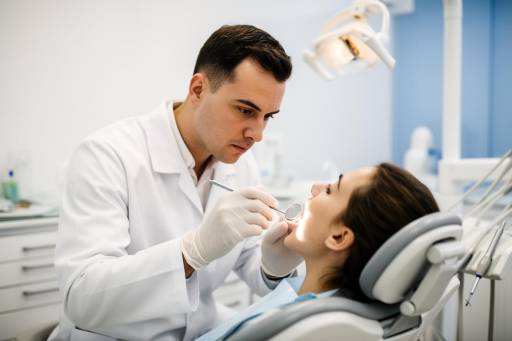
A dentist can assess the damage thoroughly, including any impact on the tooth structure beneath the veneer. They will check for cracks, looseness, or possible gum irritation that you might not notice yourself.
Prompt consultation helps your dentist recommend the safest and most effective treatment. Early intervention often allows for simpler repairs or bonding, which can preserve more of your natural tooth and the existing veneer.
Ignoring a chipped veneer can lead to worsening damage that may require more extensive procedures later. Your dentist's expert assessment ensures your oral health is protected and your smile restored with minimal complications.
Common Repair Options for Chipped Veneers and What to Expect
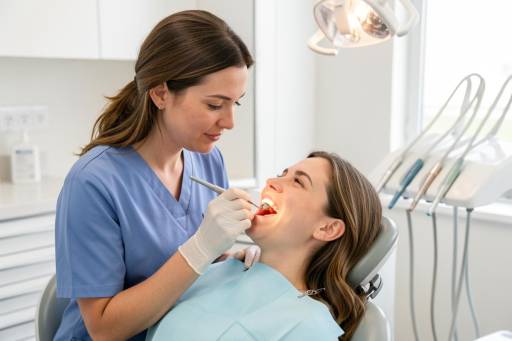
When you see your dentist for a chipped veneer that is still attached, several repair options may be considered depending on the extent of the damage.
Minor chips can often be smoothed or repaired with dental bonding. This involves applying a tooth-colored resin that is shaped and hardened to blend with the veneer. Bonding is minimally invasive and typically completed in one visit.
If the chip is larger or bonding is unsuitable, your dentist might recommend replacing the veneer. This involves removing the damaged veneer and fabricating a new one that matches your natural tooth color and shape. Replacement usually requires multiple visits and precise laboratory work.
In some cases, minor adjustments or polishing can restore the veneer’s appearance without full repair. Your dentist will explain the best option based on your veneer material, the damage, and your oral health.
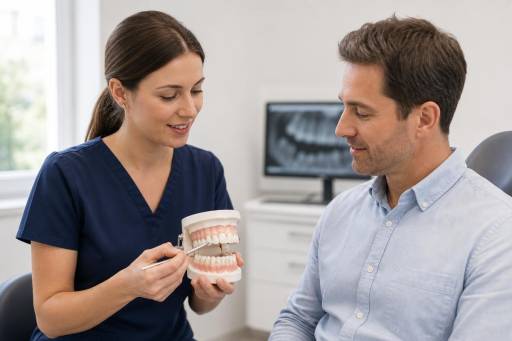
Understanding the repair process helps you set realistic expectations. Most repairs are comfortable and aim to restore both function and aesthetics to your smile.
How to Protect Your Veneer and Prevent Further Damage
After a veneer chips, protecting it from additional harm is essential for long-term success. Avoid chewing hard foods like nuts, ice, or hard candies that can stress the veneer and cause new chips or cracks.
Maintaining excellent oral hygiene supports the health of the veneer and surrounding teeth. Brush gently with a soft-bristled toothbrush and non-abrasive fluoride toothpaste to prevent damage to the veneer surface.
Avoid habits such as nail-biting, using teeth as tools, or grinding and clenching your teeth. If you have bruxism, consider a custom night guard to shield your veneers during sleep.
Regular dental check-ups enable your dentist to monitor your veneers and intervene early if small issues arise. Protective measures combined with good oral care help extend the life of your veneers and keep your smile healthy.
Signs That Indicate You Need Emergency Dental Care for Your Veneer
Certain symptoms after a veneer chips require immediate dental attention. Severe pain that does not improve with over-the-counter medication could indicate nerve involvement or tooth damage beneath the veneer.
Active bleeding or swelling around the affected tooth signals possible injury to the gums or soft tissues, necessitating urgent care to prevent infection.
If the veneer becomes loose or partially detached, there is a risk it could fall off completely or cause damage to the underlying tooth. Prompt dental stabilization is needed in such cases.
Emergency care helps relieve pain, control infection risk, and preserve your natural teeth. If you experience any of these signs, contact your dentist or an emergency dental provider right away for evaluation and treatment.
Choosing the Right Dental Professional for Veneer Repairs
Selecting a qualified dental professional experienced in veneer repairs is important for optimal outcomes. Look for a dentist or cosmetic specialist who is licensed, has a strong track record with restorative dentistry, and uses modern techniques.
Board-certified cosmetic dentists often have advanced training in veneer repair and replacement, ensuring precise color matching and durable bonding.
Find Out If Dental Veneers Are Right for Your Smile
Answer a few short questions and HealthNode will help you connect with the right cosmetic dentist or smile design specialist.
Your Teeth and Current Situation
This helps us understand whether veneers, bonding, crowns, whitening, or orthodontics may be more suitable.
Dental Health Check
A few details help the specialist understand whether any dental treatment may be needed before veneers.
Final Details
Share anything important so the specialist can better understand your expectations.
Contact information
Your information is only used to contact you and is never shared with third parties.
Your request has been received!
Thank you. If you have recent dental photos, dental X-rays, smile design plans, previous veneer or crown records, gum treatment notes, or orthodontic records, please keep them ready. A HealthNode consultant will guide you through the next step.
Patient reviews and before-and-after photos can provide insight into a dentist’s expertise and patient satisfaction. Don’t hesitate to ask about their experience with veneer repairs during your consultation.
Choosing the right professional gives you confidence your chipped veneer will be restored safely and attractively, with attention to both function and aesthetics.
Frequently Asked Questions
Q: Can I fix a chipped veneer at home?
A: It is not recommended to attempt repairs at home as improper handling can cause further damage. Seek professional dental care for safe and effective treatment.
Q: Will my chipped veneer fall off completely?
A: If the veneer remains attached after chipping, it may stay in place temporarily, but professional evaluation is necessary to determine if it is safe to remain or needs repair.
Q: Is a chipped veneer painful?
A: Most often, a chipped veneer does not cause pain, but if the underlying tooth or nerve is affected, discomfort may occur. Consult your dentist for assessment.
Q: How long can I wait before seeing a dentist after a veneer chips?
A: It is best to schedule an appointment as soon as possible to prevent further damage or complications.
Q: What are the risks of leaving a chipped veneer untreated?
A: Potential risks include increased damage to the veneer, underlying tooth decay, gum irritation, or further fracture.
The information provided is for educational purposes only and does not constitute medical advice. Always consult with a healthcare professional for medical guidance specific to your situation.