Quick Answer
Full-mouth prosthetics typically last between 5 and 15 years, depending on the type, materials used, and how well they are cared for. Proper maintenance and regular dental visits can help extend their lifespan.
- Full-mouth prosthetics include complete dentures, fixed bridges, and implant-supported restorations, each with different durability and maintenance needs.
- Materials such as acrylic resin and porcelain affect the prosthetics' durability, with implant posts usually made from titanium for strength and biocompatibility.
- Oral hygiene, lifestyle habits like smoking and diet, and physiological changes in the mouth significantly influence prosthetic longevity.
- Regular dental check-ups are essential for monitoring fit, performing maintenance, and preventing complications that can shorten prosthetic life.
- Proper daily cleaning, avoiding damaging habits, and using protective devices like nightguards can extend the lifespan of full-mouth prosthetics.
- Signs that prosthetics may need repair or replacement include discomfort, looseness, visible wear, and difficulty chewing or speaking.
- Advancements in materials and digital fabrication techniques are improving the durability, comfort, and aesthetics of full-mouth prosthetics.
How Long Do Full-Mouth Prosthetics Last?
Full-mouth prosthetics are comprehensive dental restorations designed to replace multiple missing teeth or restore an entire dental arch. Typically, these prosthetics last between 5 and 15 years, though this range can vary widely based on several factors including the type of prosthetic, the materials used in fabrication, and how well you care for them. Understanding these elements is crucial for setting realistic expectations and ensuring the longevity of your dental restorations.
When multiple teeth are lost or the entire dental arch requires restoration, full-mouth prosthetics offer a functional and aesthetic solution. These can include removable dentures, fixed bridges, or implant-supported restorations, each with unique characteristics affecting their durability and maintenance needs. The choice among these options depends on factors such as bone health, oral anatomy, personal preferences, and budget.
Individual patient factors such as oral hygiene habits, lifestyle choices like smoking or diet, and the frequency of dental check-ups significantly influence the lifespan of prosthetics. Regular professional care and timely adjustments can prevent complications and extend the functional life of your restorations.
Restore Your Smile With Dentures or Full-Mouth Prosthetics
Answer a few short questions and HealthNode will help you connect with the right prosthodontic or restorative dental specialist.
Comfort, Function, and Appearance
This helps us understand whether you may need new dentures, denture adjustment, implant-supported dentures, or full-mouth prosthetics.
Dental History and Treatment Planning
A few details help the specialist understand whether you may need extractions, denture relining, implants, or full-mouth reconstruction.
Health and Prosthetic Factors
These details help the specialist understand any factors that may affect healing, denture fit, or implant-supported options.
Contact information
Your information is only used to contact you and is never shared with third parties.
Your request has been received!
Thank you. If you have dental X-rays, panoramic X-ray, CBCT scan, previous denture records, implant records, extraction notes, gum treatment records, or photos of your current dentures, please keep them ready. A HealthNode consultant will guide you through the next step.
By understanding the differences between prosthetic types, the materials involved, and the various factors that impact their longevity, you can make informed decisions about your dental care. This overview will guide you through the types of full-mouth prosthetics available, the factors influencing their lifespan, practical care tips, signs indicating wear or damage, and important considerations when selecting your dental provider.
Types and Materials of Full-Mouth Prosthetics
Full-mouth prosthetics are designed to restore both the function and appearance of an entire set of teeth, providing patients with improved chewing ability, speech, and aesthetics. The main types of full-mouth prosthetics include complete dentures, fixed bridges, and implant-supported prosthetics, each suited to different clinical situations and patient needs.
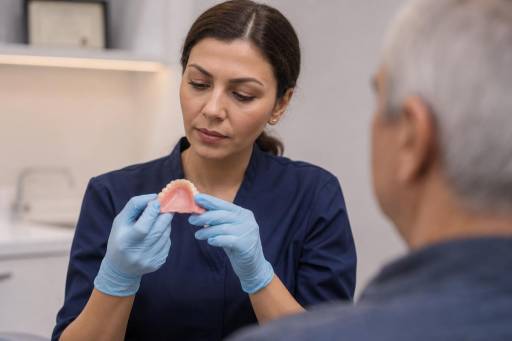
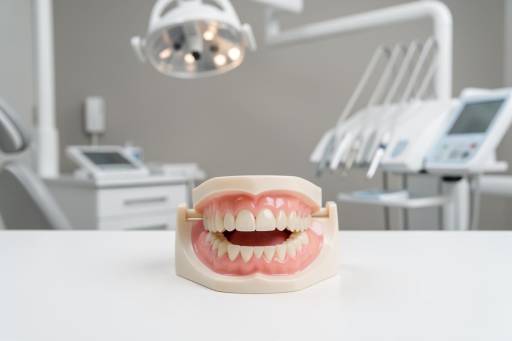
Complete dentures are removable appliances that replace all teeth in either the upper or lower arch. They rest on the gums and underlying bone and are typically recommended when all natural teeth are missing. Fixed bridges, in contrast, are non-removable restorations that rely on adjacent natural teeth or dental implants for support, bridging the gap created by missing teeth. Implant-supported prosthetics use titanium posts surgically anchored into the jawbone to provide a stable and durable foundation for crowns or bridges, offering improved function and comfort compared to traditional dentures.
The materials used in these prosthetics vary widely and have a significant impact on their durability and appearance. Common denture bases are made from acrylic resin, which is lightweight and can be color-matched to gum tissue but may wear or fracture over time. Prosthetic teeth can be fabricated from acrylic or porcelain; porcelain teeth are more resistant to wear and staining but can be more brittle and prone to chipping. Implant posts are usually made from titanium due to its excellent biocompatibility, strength, and ability to integrate with bone.
The expected lifespan of these prosthetics varies: traditional dentures often require replacement or relining every 5 to 8 years due to changes in the mouth and material wear. Bridges and implant-supported prosthetics generally last longer, often 10 to 15 years or more, especially when maintained with proper oral hygiene and regular dental care. Ongoing advancements in materials and fabrication techniques continue to improve the durability, comfort, and esthetics of full-mouth prosthetics, enhancing patient satisfaction and quality of life.
Factors Affecting the Longevity of Full-Mouth Prosthetics
Several important factors influence the longevity of full-mouth prosthetics, determining how long they will function effectively and look natural. The quality of materials used in fabrication is fundamental; higher-grade materials tend to resist wear, staining, and damage better than lower-quality alternatives. However, it is important to recognize that no material is completely impervious to the effects of daily use, aging, and environmental factors.
Your oral hygiene routine plays a critical role in preserving your prosthetics. Regular cleaning removes plaque, food debris, and bacteria that can contribute to deterioration of the prosthetic surfaces or cause oral infections. Neglecting hygiene can accelerate wear and compromise both oral and overall health.
Lifestyle habits also have a significant impact. Smoking can stain prosthetics and negatively affect gum health, while diets high in acidic or sugary foods can contribute to material degradation and oral disease. Additionally, habits such as grinding or clenching teeth (bruxism) increase mechanical stress on prosthetics, leading to premature wear, fractures, or loosening.
Physiological changes in your mouth, such as bone resorption in the jaw, can alter the fit and stability of dentures or implant-supported prosthetics over time. These changes necessitate periodic adjustments or relining to maintain comfort and function.
Regular dental visits are essential for monitoring these factors. Your provider can assess the condition of your prosthetics, evaluate oral health changes, and perform necessary maintenance or repairs before serious problems develop, thereby extending the lifespan of your restorations.
Maintenance and Care Tips to Extend Prosthetic Lifespan
Proper maintenance and care are essential to significantly extend the lifespan of your full-mouth prosthetics and ensure they remain comfortable and functional. Begin with daily cleaning using a soft-bristled brush and a non-abrasive cleanser specifically designed for dentures or prosthetics. Avoid using regular toothpaste on dentures, as its abrasive components can scratch and wear down the material over time.
It is advisable to remove dentures at night to allow your gums to rest and to reduce the risk of fungal infections such as denture stomatitis. When not in use, soak your dentures in a recommended cleaning solution to maintain hygiene and prevent bacterial buildup. For implant-supported prosthetics, maintain a diligent oral hygiene routine similar to natural teeth, including brushing and flossing around implants to prevent gum disease and peri-implantitis.
Avoid habits that can damage your prosthetics, such as chewing on hard foods or objects, biting nails, or using your teeth as tools to open packages. Protect your mouth during sports activities by wearing a custom-fitted mouthguard. If you suffer from bruxism or teeth grinding, consult your dentist about a nightguard to shield your prosthetics from excessive wear.
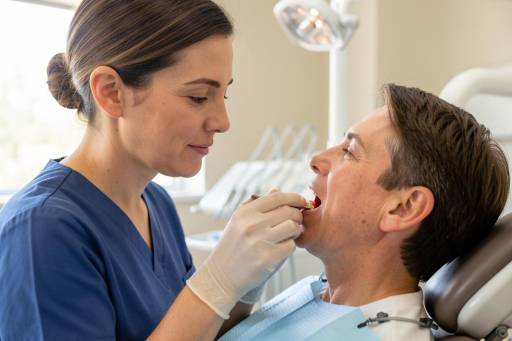
Regular dental check-ups are crucial. During these visits, your dentist can assess the fit and function of your prosthetics, perform professional cleanings, and identify any early signs of damage or wear. Prompt repairs or adjustments can prevent more extensive damage, discomfort, and costly replacements, helping you maintain optimal oral health and prosthetic performance.
Signs Your Full-Mouth Prosthetics May Need Replacement or Repair
Recognizing when your full-mouth prosthetics require repair or replacement is vital to maintaining comfort, function, and oral health. One of the most common signs is discomfort or pain during use, which may indicate that the prosthetics no longer fit properly or are causing irritation to your gums or other oral tissues. Ignoring these symptoms can lead to sores, infections, or further complications.
If your prosthetics feel loose, unstable, or shift during speaking or eating, this instability suggests that adjustments or replacement may be necessary. Over time, changes in your jawbone or gum tissue can alter the fit of dentures or implant-supported prosthetics, making them less secure.
Visible wear such as cracks, chips, or worn-down teeth can compromise both the function and appearance of your prosthetics. Difficulty chewing food effectively or speaking clearly can also signal that your prosthetics are no longer performing optimally.
Regular dental evaluations are essential because they allow your provider to monitor changes in your oral structures and the condition of your prosthetics. Early detection of fit problems or damage enables timely interventions such as relining, repairs, or replacement, which can extend the life of your prosthetics and prevent more serious issues like infections or bone loss.
Choosing the Right Prosthetics and Dental Provider: What to Consider
Selecting quality full-mouth prosthetics starts with finding a skilled and experienced dental provider who understands the complexities of restorative dentistry. It is important to seek out dentists or prosthodontists who specialize in full-mouth rehabilitations and have a proven track record of successful outcomes. Experience with a variety of prosthetic types and materials can be a strong indicator of expertise.
High-quality prosthetics depend heavily on precise fitting and the appropriate selection of materials tailored to your unique oral anatomy and functional needs. Providers who utilize advanced imaging techniques, such as digital 3D scanning and computer-aided design/manufacturing (CAD/CAM), often achieve superior precision and customization, which can lead to better comfort, function, and longevity of the prosthetics.
Patient satisfaction is also closely linked to clear and open communication about all aspects of treatment. This includes discussing the range of available options, potential costs, expected lifespan of the prosthetics, and the maintenance required to keep them in good condition. Choosing a provider who offers thorough consultations and ongoing follow-up care is essential to ensure your prosthetics continue to function well and remain comfortable over time. Additionally, understanding the provider’s approach to managing complications or adjustments can help set realistic expectations and foster trust throughout your treatment journey.
Future Innovations in Full-Mouth Prosthetics: What to Expect
The field of full-mouth prosthetics is rapidly advancing with ongoing research and technological developments aimed at enhancing the durability, functionality, and aesthetics of dental restorations. New biomaterials are being engineered to more closely replicate the natural properties of teeth, including strength, translucency, and resistance to wear and staining. These materials aim to provide prosthetics that not only look more natural but also maintain their appearance and function over longer periods.
Digital dentistry continues to transform prosthetic fabrication through tools such as 3D scanning, 3D printing, and computer-aided design/manufacturing (CAD/CAM). These technologies enable highly customized prosthetics with precise fits, reducing the risk of complications such as discomfort or poor occlusion. Improved accuracy can also shorten treatment times and reduce the need for multiple adjustments.
Restore Your Smile With Dentures or Full-Mouth Prosthetics
Answer a few short questions and HealthNode will help you connect with the right prosthodontic or restorative dental specialist.
Comfort, Function, and Appearance
This helps us understand whether you may need new dentures, denture adjustment, implant-supported dentures, or full-mouth prosthetics.
Dental History and Treatment Planning
A few details help the specialist understand whether you may need extractions, denture relining, implants, or full-mouth reconstruction.
Health and Prosthetic Factors
These details help the specialist understand any factors that may affect healing, denture fit, or implant-supported options.
Contact information
Your information is only used to contact you and is never shared with third parties.
Your request has been received!
Thank you. If you have dental X-rays, panoramic X-ray, CBCT scan, previous denture records, implant records, extraction notes, gum treatment records, or photos of your current dentures, please keep them ready. A HealthNode consultant will guide you through the next step.
Research into osseointegration, the process by which dental implants bond with the jawbone, is yielding new surface treatments and implant designs that promote stronger and more reliable integration. This progress may minimize implant failure rates and improve the stability of implant-supported prosthetics.
Looking ahead, these innovations suggest that future full-mouth prosthetics will be more durable, comfortable, and natural-looking than ever before. Patients can expect improved quality of life through restorations that function seamlessly with their oral tissues, require less maintenance, and offer enhanced esthetic outcomes.
Frequently Asked Questions
Q: How often do full-mouth prosthetics need to be replaced?
A: The replacement timeline varies depending on the type of prosthetic, materials used, and individual care, but generally ranges from 5 to 15 years.
Q: Can I extend the lifespan of my prosthetics?
A: Yes, proper oral hygiene, regular dental check-ups, and avoiding damaging habits can significantly extend the life of your prosthetics.
Q: What are the signs that my prosthetics need repair or replacement?
A: Signs include discomfort, looseness, visible wear or damage, and difficulty chewing or speaking.
Q: Are there any risks associated with long-term use of prosthetics?
A: Potential risks include oral infections, bone loss, and prosthetic failure if not properly maintained.
Q: How do material choices affect the durability of full-mouth prosthetics?
A: High-quality materials tend to last longer and resist wear better, but individual factors and care are also crucial.
The information provided is for educational purposes only and does not constitute medical advice. Always consult with a healthcare professional for medical guidance specific to your situation.