Quick Answer
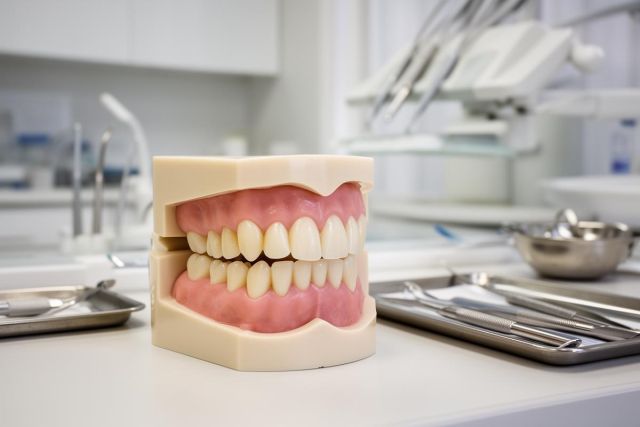
Acrylic dentures are removable dental prosthetics made primarily from acrylic resin that replace missing teeth and restore oral function. They are affordable, customizable, and can be either complete or partial dentures.
- Acrylic dentures consist of a pink acrylic base resembling gum tissue and artificial teeth made of acrylic resin.
- They can be complete dentures replacing all teeth in an arch or partial dentures filling gaps while preserving natural teeth.
- Acrylic dentures are lightweight, customizable in color and shape, and provide improved chewing, speech, and appearance.
- They are cost-effective and easy to adjust or repair but may be less durable and bulkier than metal-based alternatives.
- The fitting process involves oral examination, impressions, and multiple adjustments to ensure comfort and proper function.
- Proper care includes daily cleaning with non-abrasive cleansers, soaking when not worn, and regular dental check-ups for adjustments.
- Acrylic dentures are suitable for many patients but the dentist will determine the best prosthetic based on individual oral health and needs.
What Are Acrylic Dentures?
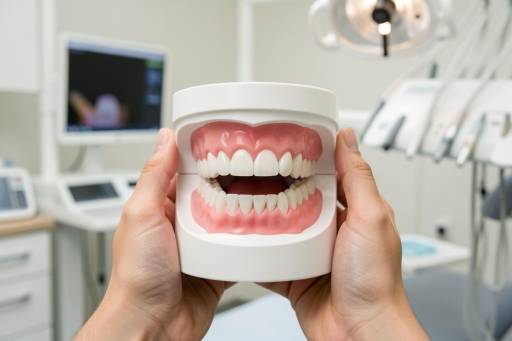
Acrylic dentures are removable dental prosthetics made primarily from acrylic resin, designed to replace missing teeth and restore oral function. They offer a practical solution for individuals who have lost some or all of their natural teeth, providing improved chewing ability, speech, and appearance. Acrylic dentures are widely used due to their affordability and ease of customization, making them accessible to a broad range of patients.
These dentures consist of a pink acrylic base that mimics gum tissue and artificial teeth also made of acrylic. The base is carefully crafted to fit snugly against the gums, providing stability and comfort during daily activities. They can be crafted as complete dentures, replacing all teeth in an arch, or partial dentures, filling gaps left by missing teeth while preserving remaining natural teeth. Partial dentures often include metal clasps or other attachments to secure them in place.
Because acrylic is a versatile material, these dentures can be tailored to fit comfortably and match the natural look of your gums and teeth. The color, shape, and size of the artificial teeth can be customized to blend seamlessly with your existing teeth or to create a natural-looking smile if all teeth are replaced. Understanding acrylic dentures is key to making informed decisions about tooth replacement options.
Restore Your Smile With Dentures or Full-Mouth Prosthetics
Answer a few short questions and HealthNode will help you connect with the right prosthodontic or restorative dental specialist.
Comfort, Function, and Appearance
This helps us understand whether you may need new dentures, denture adjustment, implant-supported dentures, or full-mouth prosthetics.
Dental History and Treatment Planning
A few details help the specialist understand whether you may need extractions, denture relining, implants, or full-mouth reconstruction.
Health and Prosthetic Factors
These details help the specialist understand any factors that may affect healing, denture fit, or implant-supported options.
Contact information
Your information is only used to contact you and is never shared with third parties.
Your request has been received!
Thank you. If you have dental X-rays, panoramic X-ray, CBCT scan, previous denture records, implant records, extraction notes, gum treatment records, or photos of your current dentures, please keep them ready. A HealthNode consultant will guide you through the next step.
Whether you need a full set of dentures or a partial solution, acrylic dentures provide a widely accessible and effective approach to restoring your smile and oral health. They can help improve nutrition and self-confidence by enabling better chewing and speech, contributing to overall quality of life.
Acrylic Dentures: Composition, Function, and Benefits
Acrylic dentures are dental prosthetics primarily composed of a durable acrylic resin material. This resin forms both the base, which resembles the natural gum tissue, and the artificial teeth attached to it. Due to its plastic nature, acrylic is lightweight and can be easily shaped to fit the contours of your mouth, providing a comfortable and secure fit. The adaptability of acrylic allows dental professionals to customize the color and texture of the base to closely match your natural gums, enhancing the overall aesthetic appearance.
These dentures serve as replacements for missing teeth and surrounding tissues, helping to restore essential functions like chewing and speaking, as well as improving facial aesthetics. By filling the gaps left by missing teeth, acrylic dentures support the lips and cheeks, preventing the sunken appearance that can occur with tooth loss. Acrylic dentures can be either complete, replacing all teeth in the upper or lower jaw, or partial, designed to fill in spaces where some natural teeth remain, helping to maintain proper alignment and bite.
The material's adaptability allows dental professionals to customize dentures to suit your mouth precisely, ensuring a comfortable fit and natural appearance. Acrylic dentures are often chosen for their quick fabrication process and cost-effectiveness compared to other prosthetic materials, making them accessible to many patients. However, it is important to understand that while acrylic dentures are convenient and affordable, they may require periodic adjustments as your mouth changes over time to maintain optimal comfort and function. Overall, acrylic dentures provide a practical and widely used option for tooth replacement that balances aesthetics, function, and affordability.
Benefits and Drawbacks of Acrylic Dentures
Acrylic dentures offer several advantages, making them a popular choice for many patients. One of the primary benefits is affordability; acrylic is less expensive than other materials such as metal-based dentures. This cost-effectiveness allows wider access to tooth replacement for individuals on various budgets, making it a practical solution for many.
Customization is another significant benefit. Acrylic dentures can be easily adjusted or relined if your gum shape changes over time due to bone resorption or other factors. This flexibility also means repairs can be performed quickly and with minimal cost, reducing the inconvenience of denture damage. Additionally, the lightweight nature of acrylic makes these dentures comfortable to wear once properly fitted, minimizing irritation or fatigue.
However, there are some limitations to consider. Acrylic dentures tend to be less durable than those made with metal or high-quality composites. They may be more prone to fractures or wear over time, especially if dropped or subjected to excessive force. Acrylic can also absorb odors and stains if not cared for properly, which may affect aesthetics and hygiene. Some patients may find acrylic dentures bulkier compared to other options, which can affect speech or comfort initially, requiring an adjustment period.
Evaluating these pros and cons will help you determine if acrylic dentures align with your needs and lifestyle. Discussing your expectations and concerns with your dental professional can guide you toward the most appropriate prosthetic choice for your oral health and daily living.
The Denture Fitting Process: What to Expect
Getting fitted for acrylic dentures involves several careful steps to ensure comfort and function. Initially, your dentist will examine your oral health and take measurements of your jaw and gums. If any remaining teeth need extraction, those will be addressed before starting the denture process, allowing your mouth to heal properly for optimal denture fit.
The next step involves taking impressions of your mouth. These molds capture the exact shape of your gums and any remaining teeth, allowing the dental lab to craft dentures that fit precisely. Sometimes, multiple impressions or bite registrations are taken to ensure the dentures align correctly with your opposing teeth. After the initial dentures are created, you will have a fitting appointment where the dentist checks the fit, bite, and appearance.
Adjustments are common during this phase to address pressure points or discomfort. Since acrylic dentures are customizable, the dentist can modify the base or teeth to improve fit. You may need several follow-up visits to ensure the dentures feel natural and secure, especially as your mouth adapts to wearing them. It is normal to experience some initial soreness or difficulty speaking and eating, which typically improves with practice and adjustments.
Throughout the process, your dental professional will guide you on how to wear and care for your new dentures, helping you adapt smoothly to this tooth replacement option. They will provide instructions on cleaning, handling, and what to expect during the adjustment period to maximize your comfort and satisfaction.
Caring for Your Acrylic Dentures: Tips for Longevity
Proper care of your acrylic dentures is essential to maintain their appearance, fit, and function over time. Daily cleaning with a soft denture brush and non-abrasive denture cleanser helps remove food particles and plaque without damaging the acrylic surface, which can be sensitive to harsh abrasives. Avoid using regular toothpaste as it can be too abrasive for acrylic dentures and may cause microscopic scratches that lead to staining or bacterial buildup.
Also, rinse your dentures thoroughly after meals to prevent buildup of debris and stains that can affect both appearance and oral hygiene. When not wearing your dentures, soak them in a denture cleaning solution or water to keep them moist and prevent warping, as acrylic can become brittle if allowed to dry out. Avoid using hot water for soaking, as high temperatures can distort the shape of the dentures.
Handle your dentures carefully to avoid dropping and causing cracks or breaks. It is advisable to clean them over a soft towel or basin of water as a precaution. Regular dental check-ups allow your dentist to assess the fit and make necessary adjustments or repairs, which is important since changes in your mouth over time can affect how well the dentures fit. Poorly fitting dentures can cause sore spots, irritation, or difficulty chewing.
Good oral hygiene of your gums and any remaining teeth supports overall mouth health while you wear dentures. Brushing your gums, tongue, and palate daily helps stimulate circulation and remove plaque. By following these care tips, you can extend the lifespan of your acrylic dentures and enjoy comfortable, confident use, minimizing the risk of infections or complications.
Choosing the Right Dental Prosthetic: Is Acrylic Denture Right for You?
Selecting acrylic dentures depends on your specific dental needs, lifestyle, and preferences. If you are looking for a cost-effective, easily adjustable option to replace missing teeth, acrylic dentures can be a suitable choice. They are particularly beneficial for individuals who require removable dentures, whether partial or complete, and who prioritize affordability and ease of maintenance.
Consider factors like the number of missing teeth, your jawbone health, and whether you prefer removable or fixed prosthetics. For example, if you have sufficient jawbone density and are interested in a more permanent solution, implant-supported dentures might be recommended instead. Conversely, acrylic dentures provide a less invasive option that can be fitted more quickly and without surgery. Your overall oral health, including the condition of your gums and any remaining teeth, will influence the suitability of acrylic dentures.
Your dentist will evaluate your oral condition and discuss alternative options such as metal-based dentures or implant-supported prosthetics if they better meet your functional or aesthetic goals. Metal-based dentures may offer greater durability and a slimmer profile, but often at a higher cost. Personal comfort, dietary habits, and how often you want to visit the dentist for adjustments also influence the best choice. Acrylic dentures may require more frequent adjustments due to changes in the mouth, but their ease of modification can be advantageous.
Ultimately, working closely with your dental professional will help you decide if acrylic dentures align with your expectations for tooth replacement and oral health restoration. Understanding the benefits and limitations of each prosthetic type will allow you to make an informed decision that suits your lifestyle and dental needs.
Restore Your Smile With Dentures or Full-Mouth Prosthetics
Answer a few short questions and HealthNode will help you connect with the right prosthodontic or restorative dental specialist.
Comfort, Function, and Appearance
This helps us understand whether you may need new dentures, denture adjustment, implant-supported dentures, or full-mouth prosthetics.
Dental History and Treatment Planning
A few details help the specialist understand whether you may need extractions, denture relining, implants, or full-mouth reconstruction.
Health and Prosthetic Factors
These details help the specialist understand any factors that may affect healing, denture fit, or implant-supported options.
Contact information
Your information is only used to contact you and is never shared with third parties.
Your request has been received!
Thank you. If you have dental X-rays, panoramic X-ray, CBCT scan, previous denture records, implant records, extraction notes, gum treatment records, or photos of your current dentures, please keep them ready. A HealthNode consultant will guide you through the next step.
Frequently Asked Questions
Q: How long do acrylic dentures typically last?
A: With proper care, acrylic dentures can last between 5 to 8 years, but this varies based on usage and maintenance.
Q: Are acrylic dentures comfortable to wear?
A: Many patients find acrylic dentures comfortable once properly fitted, though initial adjustments may be necessary.
Q: Can acrylic dentures be repaired if damaged?
A: Yes, minor damages can often be repaired by a dental professional, but severe damage may require replacement.
Q: How often should I visit my dentist for denture check-ups?
A: It is recommended to see your dentist at least once a year for check-ups and adjustments.
Q: Are acrylic dentures suitable for everyone?
A: Acrylic dentures are suitable for many patients, but your dentist will determine if they are the best option based on your specific needs.
The information provided is for educational purposes only and does not constitute medical advice. Always consult with a healthcare professional for medical guidance specific to your situation.