Quick Answer
The cost of full-mouth prosthetics is influenced by the type of prosthetics, materials used, technology involved, location of the clinic, provider expertise, and any additional preparatory or customization procedures required.
- Full-mouth prosthetics include removable dentures, fixed bridges, and implant-supported prostheses, each varying in complexity and cost.
- Material quality such as ceramics, zirconia, and titanium implants significantly affects the price and durability of prosthetics.
- Advanced technologies like digital imaging, CAD/CAM, and 3D printing contribute to higher costs but improve precision and outcomes.
- Clinic location and provider expertise impact pricing, with urban centers and experienced specialists typically charging more.
- Additional procedures like extractions, bone grafts, and sinus lifts add to the overall expense but are often necessary for successful treatment.
- Customization options such as shade matching and bite alignment increase costs due to additional laboratory work and appointments.
- Financial planning should include detailed cost estimates, insurance coverage checks, and consideration of travel or financing options for comprehensive budgeting.
What Factors Affect the Cost of Full-Mouth Prosthetics?
The cost of full-mouth prosthetics varies widely depending on several important factors, including the type of prosthetics chosen, the materials used, the technology involved, and the location and expertise of the dental provider. Understanding these elements can help you prepare financially and choose the best treatment plan tailored to your individual needs and goals.
Full-mouth prosthetics are comprehensive dental restorations designed to replace or restore all the teeth in the upper and/or lower jaw. These restorations can include removable dentures, fixed bridges, or implant-supported prostheses. Because these treatments are complex and highly customized to each patient’s unique oral condition, the pricing reflects many variables beyond just the prosthetic device itself.
Factors such as preparatory dental work, the quality of materials, the use of advanced technology, and the clinician’s experience all contribute to the final cost. Additionally, treatment duration and the number of required visits can influence the overall expense. Patients should also consider potential additional costs for follow-up care and maintenance.
Restore Your Smile With Dentures or Full-Mouth Prosthetics
Answer a few short questions and HealthNode will help you connect with the right prosthodontic or restorative dental specialist.
Comfort, Function, and Appearance
This helps us understand whether you may need new dentures, denture adjustment, implant-supported dentures, or full-mouth prosthetics.
Dental History and Treatment Planning
A few details help the specialist understand whether you may need extractions, denture relining, implants, or full-mouth reconstruction.
Health and Prosthetic Factors
These details help the specialist understand any factors that may affect healing, denture fit, or implant-supported options.
Contact information
Your information is only used to contact you and is never shared with third parties.
Your request has been received!
Thank you. If you have dental X-rays, panoramic X-ray, CBCT scan, previous denture records, implant records, extraction notes, gum treatment records, or photos of your current dentures, please keep them ready. A HealthNode consultant will guide you through the next step.
If you are considering full-mouth prosthetics, knowing what influences the cost will empower you to discuss options confidently with your dental team. This insight is especially helpful for international patients or those budgeting carefully for their dental care journey, enabling you to plan effectively and make informed decisions that align with your health priorities and financial situation.
Full-Mouth Prosthetics: Types, Benefits, and Cost Factors
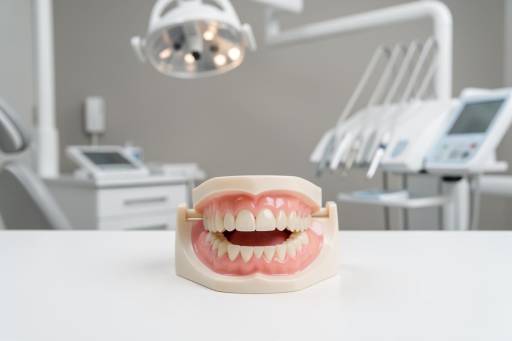
Full-mouth prosthetics involve restoring an entire arch or both arches of teeth, typically due to extensive tooth loss, trauma, or severe dental disease. The goal is to restore function, aesthetics, and oral health comprehensively. Common types include traditional removable dentures, fixed dental bridges, and implant-supported prosthetics, each differing in complexity, durability, and cost.
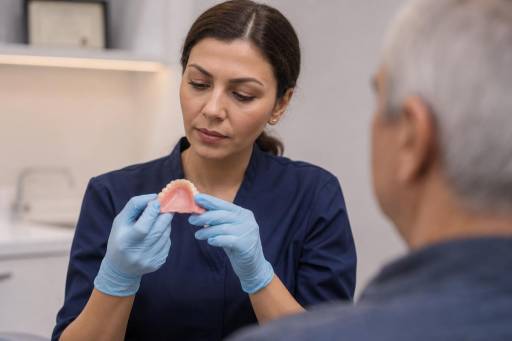
Traditional dentures are usually the most affordable option and can restore basic chewing and appearance. However, they may require frequent adjustments to maintain fit, can cause discomfort, and generally have a shorter lifespan compared to other options. Fixed dental bridges involve anchoring prosthetic teeth to adjacent natural teeth or implants, offering improved stability and function but at a higher cost and with the need for preparation of supporting teeth.
Implant-supported prosthetics provide the most stable and natural-feeling restoration by anchoring artificial teeth directly to titanium implants embedded in the jawbone. This option involves surgical procedures and longer treatment timelines but offers superior chewing efficiency, bone preservation, and aesthetics. The costs are higher due to surgical fees, implant components, and laboratory work.
The overall cost of full-mouth prosthetics is influenced by factors such as the number of teeth involved, the need for preparatory procedures like extractions or bone grafts, and the materials chosen for the prosthetics. Additionally, the treatment timeline, number of clinical visits, and follow-up care requirements also affect the total expense. Understanding these variables helps patients set realistic expectations and make informed decisions about their dental restoration journey.
Material Quality and Technology: How They Impact Price
The materials used in full-mouth prosthetics significantly affect the final cost and overall quality of the restoration. High-quality ceramics, zirconia, and titanium implants tend to be more expensive but offer superior aesthetics, strength, biocompatibility, and longevity compared to more affordable options like acrylic or metal-based prosthetics. For instance, zirconia crowns provide a natural tooth-like appearance and are highly resistant to wear, making them a popular choice for patients seeking durability and cosmetic excellence.
Advanced dental technology also contributes to cost differences. The use of digital imaging techniques such as cone-beam computed tomography (CBCT) allows for precise assessment of bone structure and implant placement. Computer-aided design and manufacturing (CAD/CAM) technology enables the creation of highly accurate prosthetics with improved fit and comfort. Additionally, 3D printing can expedite the fabrication process and reduce manual errors. While these technologies add to the treatment price, they often reduce chair time, minimize complications, and enhance the final outcome.
Patients opting for premium materials and cutting-edge technology should expect higher upfront costs but often benefit from better comfort, durability, and appearance. It is important to discuss these options with your dental provider to understand the trade-offs between cost, aesthetics, longevity, and maintenance. Your provider can help you select materials and technologies that best fit your budget and clinical needs, ensuring a balance between investment and long-term satisfaction.
Clinic Location and Provider Expertise: Their Role in Cost Variation
Geographic location plays a major role in the cost of full-mouth prosthetics. Clinics situated in urban centers or in countries with higher living costs typically charge more due to increased overhead expenses such as rent, staff salaries, and regulatory compliance. Conversely, treatment in rural areas or countries with lower living costs may be more affordable but could come with trade-offs in terms of convenience or access to specialized care.
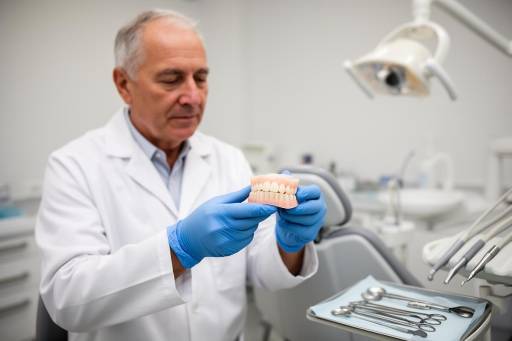
Provider expertise is equally important in determining cost. Board-certified prosthodontists and specialists with extensive experience often charge premium fees reflecting their advanced training, skill set, and reputation. Their expertise can lead to more accurate treatment planning, fewer complications, and better long-term outcomes, which may ultimately reduce the need for costly revisions or repairs. Patients should consider the balance between cost and quality, recognizing that lower fees may sometimes correspond with less experienced providers or facilities.
International patients seeking cost savings by traveling abroad for dental care should conduct thorough research on clinic accreditation, provider qualifications, and patient reviews to ensure safety and quality standards are met. Additionally, they should factor in travel expenses, potential language barriers, and the availability of follow-up care. While some countries offer affordable yet high-quality dental services, careful planning and due diligence are essential to avoid risks associated with substandard treatment or complications.
Additional Procedures and Customization Options
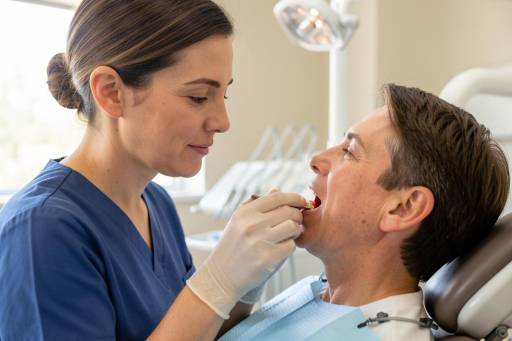
Full-mouth prosthetic treatment often requires preparatory or complementary procedures such as tooth extractions, bone grafting, sinus lifts, or periodontal therapy. These additional treatments are sometimes essential to create a stable foundation for the prosthetics, ensuring their long-term success and comfort. For example, bone grafting may be necessary when there is insufficient jawbone density to support dental implants, while sinus lifts can provide the needed bone height in the upper jaw. Each of these procedures adds to the overall cost but plays a critical role in the success of the prosthetic placement and the patient's oral health.
Customization options also significantly influence the final pricing. Patients can choose from a variety of personalized features such as precise shade matching to ensure the prosthetics blend naturally with their existing teeth or facial aesthetics. Personalized bite alignment is another customization that improves chewing efficiency and comfort, reducing the risk of jaw pain or temporomandibular joint disorders. Aesthetic enhancements, including gum-colored acrylics or customized tooth shapes, can also be incorporated to achieve a more natural and pleasing appearance. These tailored solutions often require more laboratory work, additional clinical appointments, and specialized materials, all of which contribute to increased costs.
Patients with complex dental histories, anatomical challenges, or specific aesthetic desires should anticipate variable costs beyond the standard prosthetic fees. It is important to have transparent communication with your dental team about your expectations, lifestyle, and budget to avoid unexpected expenses. Understanding the necessity and benefits of these additional procedures and customization options will help you make informed decisions and ensure your treatment plan aligns with your functional needs and cosmetic goals.
Planning and Budgeting for Your Full-Mouth Prosthetics Treatment
Financial planning is essential when considering full-mouth prosthetics due to the procedure’s complexity and wide cost range. The first step is to obtain detailed cost estimates from your dental provider that clearly outline every component of your treatment plan, including preparatory procedures, prosthetic fabrication, surgical fees, and follow-up visits. This transparency helps you understand the full financial commitment and avoid unexpected expenses.
It is important to check with your dental insurance provider regarding coverage for prosthetic treatments, as many plans only cover partial costs or specific procedures such as tooth extractions or periodontal therapy. Some insurance policies may exclude implant-supported prosthetics or have annual maximum benefits that limit reimbursement. Understanding your coverage will help you plan accordingly.
For international patients, additional costs such as travel, accommodation, and time off work should be factored into the overall budget. These expenses can significantly increase the total cost of treatment.
Choosing a reputable clinic that offers transparent pricing, payment plans, or financing options can make treatment more accessible and manageable. Many clinics provide installment plans or third-party financing to spread out payments over time. Comparing quotes from multiple providers and seeking consultations allows you to balance cost with quality, convenience, and the level of care you expect. Effective budgeting and open communication with your dental team will help ensure a smoother treatment journey and financial peace of mind.
Restore Your Smile With Dentures or Full-Mouth Prosthetics
Answer a few short questions and HealthNode will help you connect with the right prosthodontic or restorative dental specialist.
Comfort, Function, and Appearance
This helps us understand whether you may need new dentures, denture adjustment, implant-supported dentures, or full-mouth prosthetics.
Dental History and Treatment Planning
A few details help the specialist understand whether you may need extractions, denture relining, implants, or full-mouth reconstruction.
Health and Prosthetic Factors
These details help the specialist understand any factors that may affect healing, denture fit, or implant-supported options.
Contact information
Your information is only used to contact you and is never shared with third parties.
Your request has been received!
Thank you. If you have dental X-rays, panoramic X-ray, CBCT scan, previous denture records, implant records, extraction notes, gum treatment records, or photos of your current dentures, please keep them ready. A HealthNode consultant will guide you through the next step.
Frequently Asked Questions
Q: What determines the price of full-mouth prosthetics?
A: The price depends on prosthetic type, materials, technology used, provider expertise, clinic location, and any additional procedures needed.
Q: Are implant-supported prosthetics more expensive than dentures?
A: Yes, implant-supported prosthetics typically cost more due to surgical procedures and high-quality materials but offer better durability and function.
Q: Can insurance cover full-mouth prosthetic costs?
A: Some dental insurance plans may cover portions of the cost, but coverage varies widely. It's important to check your specific policy details.
Q: How can I reduce the cost of full-mouth prosthetics?
A: Consider treatment in locations with lower costs, discuss payment plans with your provider, and choose materials and technologies that balance cost and quality.
Q: Do additional procedures always increase the total cost?
A: Yes, preparatory treatments like extractions or bone grafts add to the overall expense but are often necessary for successful prosthetic outcomes.
The information provided is for educational purposes only and does not constitute medical advice. Always consult with a healthcare professional for medical guidance specific to your situation.