Quick Answer
Dentures and full-mouth prosthetics restore chewing ability, improve speech clarity, enhance facial aesthetics, and rebuild self-confidence for patients with missing teeth. They provide functional and cosmetic benefits that help patients enjoy a natural and confident smile.
- Dentures can be complete or partial, and full-mouth prosthetics replace all teeth in both jaws to restore function and appearance.
- Types of dentures include conventional removable, immediate, and implant-supported options, chosen based on individual oral health and preferences.
- These prosthetics improve chewing ability, allowing patients to eat a wider variety of foods and support better nutrition.
- Speech clarity often improves as dentures help support lips and tongue for proper sound formation.
- Dentures restore facial structure by supporting muscles and soft tissues, preventing sagging and a sunken appearance.
- Proper fitting, regular adjustments, and maintenance are essential for comfort, function, and longevity of dentures.
- Patients should have realistic expectations as dentures may require adaptation time and do not fully replicate natural teeth's biting force or sensory feedback.
What Results Can Dentures and Full-Mouth Prosthetics Achieve?
Dentures and full-mouth prosthetics can significantly improve your oral function and appearance when you have missing teeth, whether due to injury, decay, or other dental conditions. These dental restorations are designed to restore chewing ability, enhance speech clarity, and improve facial aesthetics, helping you regain a natural and confident smile. They also play a vital role in rebuilding self-confidence by providing a natural-looking and functional replacement for lost teeth.
These prosthetic devices vary in type and complexity, depending on your individual dental needs and the extent of tooth loss. Whether you require partial dentures to replace some missing teeth or full-mouth prosthetics for complete tooth loss, these solutions offer practical benefits that improve your everyday life, including eating, speaking, and social interactions. Understanding what dentures and full-mouth prosthetics can achieve helps you set realistic goals and prepare mentally and physically for treatment.
If you are considering dentures or full-mouth prosthetics, it is helpful to learn about the different types available, the expected functional improvements, and how these devices affect your appearance and confidence. This knowledge can empower you to make informed decisions about your oral health, treatment options, and long-term care. Being well-informed also helps you communicate effectively with your dental team and participate actively in your treatment plan.
Restore Your Smile With Dentures or Full-Mouth Prosthetics
Answer a few short questions and HealthNode will help you connect with the right prosthodontic or restorative dental specialist.
Comfort, Function, and Appearance
This helps us understand whether you may need new dentures, denture adjustment, implant-supported dentures, or full-mouth prosthetics.
Dental History and Treatment Planning
A few details help the specialist understand whether you may need extractions, denture relining, implants, or full-mouth reconstruction.
Health and Prosthetic Factors
These details help the specialist understand any factors that may affect healing, denture fit, or implant-supported options.
Contact information
Your information is only used to contact you and is never shared with third parties.
Your request has been received!
Thank you. If you have dental X-rays, panoramic X-ray, CBCT scan, previous denture records, implant records, extraction notes, gum treatment records, or photos of your current dentures, please keep them ready. A HealthNode consultant will guide you through the next step.
Types and Benefits of Dentures and Full-Mouth Prosthetics
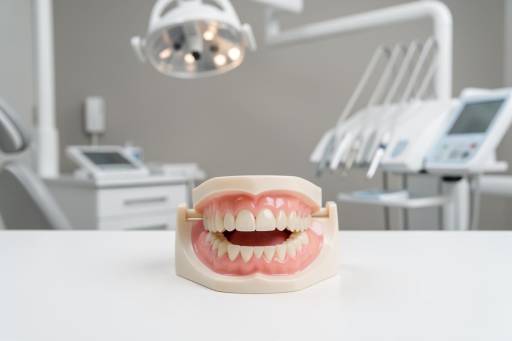
Dentures and full-mouth prosthetics are dental devices used to replace missing teeth and restore oral function, comfort, and aesthetics. Dentures can be complete, replacing all teeth in an arch, or partial, replacing some missing teeth while retaining your natural ones. Full-mouth prosthetics typically involve replacing all teeth in both the upper and lower jaws, often addressing both function and aesthetics comprehensively to restore your bite and smile.
There are several types of dentures available to suit different needs and circumstances. Conventional removable dentures are made after your gums have healed following tooth extraction, while immediate dentures are placed right after extraction to help maintain appearance and function during healing. Implant-supported dentures attach to dental implants anchored in the jawbone, providing added stability and preventing movement, which can be especially beneficial for patients who have difficulty with traditional dentures.
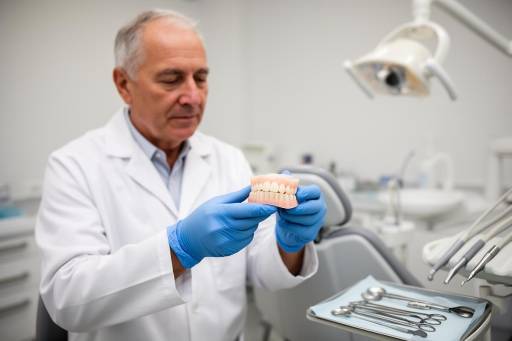
The choice of denture type depends on factors such as your oral health, bone structure, jaw anatomy, and personal preferences. Your dentist or prosthodontist will evaluate these factors and discuss the best options to meet your functional and aesthetic goals.
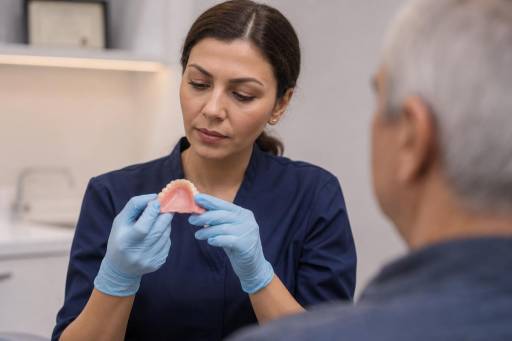
These prosthetics are custom-made to fit your mouth precisely and can restore your ability to chew and speak effectively. They also help maintain the shape of your face and prevent the sagging or sunken appearance that can occur with tooth loss. Proper fitting and adjustment are crucial to maximize comfort, function, and longevity. Regular follow-up appointments ensure your prosthetics continue to fit well as your mouth changes over time.
Expected Functional Improvements After Prosthetic Treatment
Once fitted with dentures or full-mouth prosthetics, many patients notice significant improvements in their ability to chew and speak. Missing teeth can make it difficult to eat certain foods, especially those that are hard, crunchy, or fibrous, and can also affect the clarity of speech. Prosthetics restore the biting surface and alignment, allowing you to enjoy a wider variety of foods and speak more naturally and confidently.
Improved chewing ability supports better digestion and nutrition, which are important for overall health and well-being. Being able to consume a balanced diet with a variety of textures can enhance your energy levels and quality of life. Speech clarity often improves because the prosthetics help support the lips and tongue in forming sounds correctly, reducing lisps or slurred speech that may occur with missing teeth.
These devices also help reduce oral discomfort caused by exposed gums or uneven bite forces, which can lead to soreness or irritation. Properly fitted prosthetics distribute chewing forces evenly, protecting sensitive tissues and preventing further oral complications.
It is important to have realistic expectations since initial adaptation may take time. You might experience increased saliva production, minor irritation, or difficulty controlling the prosthetics during the first few weeks, but these symptoms usually resolve as you become accustomed to the devices. Regular follow-up appointments allow your dentist to make necessary adjustments for improved comfort and function.
With proper care, patience, and professional support, dentures and prosthetics enable you to regain much of your oral functionality, improving your ability to eat, speak, and enjoy daily activities with greater ease.
Aesthetic Outcomes and Confidence Restoration
Dentures and full-mouth prosthetics are designed to look natural and enhance your facial aesthetics, helping to restore not only your smile but also your overall facial structure. Tooth loss can cause the cheeks and lips to sag due to the lack of support, leading to an aged or sunken appearance. By replacing missing teeth, these prosthetics provide essential support to facial muscles and soft tissues, restoring a fuller and more youthful look.
The color, shape, size, and alignment of artificial teeth can be carefully tailored to match your natural teeth and complement your facial features. This customization process involves selecting shades that blend seamlessly with your existing teeth or skin tone, as well as shaping teeth to suit your bite and smile line. Such attention to detail helps create a smile that appears harmonious and natural, which can significantly boost your self-confidence.
Many patients report feeling more comfortable smiling, speaking, and engaging socially after receiving their prosthetics, as they no longer feel self-conscious about gaps or missing teeth. The restoration of a natural-looking smile can improve psychological well-being and social interactions.
It is worth noting that precise fitting and skilled craftsmanship are key to achieving the best cosmetic results. Ill-fitting dentures can affect appearance and comfort, so working closely with your dental team to communicate your aesthetic preferences and concerns is important. Your dentist or prosthodontist can provide guidance on what is achievable and ensure your prosthetics meet your expectations, enhancing not only your smile but your overall look and confidence.
Longevity and Maintenance of Dentures and Prosthetics
Maintaining your dentures or full-mouth prosthetics properly is essential for their longevity and optimal function. Daily cleaning with appropriate brushes and non-abrasive cleaners helps remove food debris and plaque, preventing odors, staining, and gum irritation. It is important to avoid harsh cleaning agents or abrasive materials that could scratch or damage the surface of your prosthetics. Rinsing your dentures after meals can also help reduce buildup and maintain freshness.
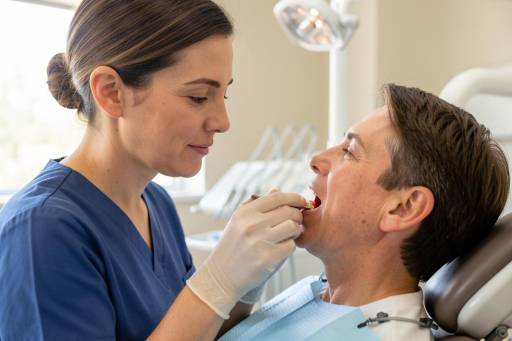
Regular dental check-ups allow your provider to assess the fit and condition of your prosthetics. Over time, natural changes in your jawbone and gums, such as bone resorption or tissue shrinkage, may cause your dentures to become loose or uncomfortable. These changes often require professional adjustments, relining, or rebasing to maintain comfort, stability, and effectiveness. Your dentist can also check for signs of wear or damage and recommend repairs or replacements when necessary.
Avoiding habits like chewing hard objects, biting nails, or smoking can further extend the lifespan of your dental devices. Smoking not only affects oral tissues but can also stain dentures and contribute to unpleasant odors. Additionally, storing your dentures properly when not in use, typically in water or a denture-soaking solution, prevents them from drying out and warping.
With diligent care and attention to your dental professional’s advice, dentures and prosthetics can last several years before replacement or major repairs become necessary. Maintaining good oral hygiene, including cleaning your gums, tongue, and any remaining natural teeth, supports overall oral health and helps prevent infections or irritation. By committing to proper maintenance routines, you can ensure your prosthetics remain comfortable, functional, and aesthetically pleasing over time.
Limitations and Realistic Expectations
While dentures and full-mouth prosthetics offer many benefits, it is important to understand their inherent limitations to set realistic expectations. Unlike natural teeth, dentures may not provide the same level of biting force or sensory feedback. This means some foods, particularly very hard, sticky, or chewy items, might remain difficult or uncomfortable to eat even with prosthetics in place.
Removable dentures can sometimes shift or feel less secure, especially if they are not supported by dental implants. This movement can affect chewing efficiency and may cause discomfort or sore spots on the gums. Speech may also take some time to adjust after receiving dentures, with certain sounds or pronunciations feeling awkward initially. Most patients adapt over time, but ongoing practice and patience are necessary.
Full-mouth prosthetics require diligent daily care, including cleaning and proper handling, to maintain hygiene and prevent damage. Periodic dental visits are essential for adjustments to accommodate changes in the mouth’s shape and to ensure the prosthetics continue to fit well and function properly.
Restore Your Smile With Dentures or Full-Mouth Prosthetics
Answer a few short questions and HealthNode will help you connect with the right prosthodontic or restorative dental specialist.
Comfort, Function, and Appearance
This helps us understand whether you may need new dentures, denture adjustment, implant-supported dentures, or full-mouth prosthetics.
Dental History and Treatment Planning
A few details help the specialist understand whether you may need extractions, denture relining, implants, or full-mouth reconstruction.
Health and Prosthetic Factors
These details help the specialist understand any factors that may affect healing, denture fit, or implant-supported options.
Contact information
Your information is only used to contact you and is never shared with third parties.
Your request has been received!
Thank you. If you have dental X-rays, panoramic X-ray, CBCT scan, previous denture records, implant records, extraction notes, gum treatment records, or photos of your current dentures, please keep them ready. A HealthNode consultant will guide you through the next step.
Setting realistic expectations helps you adapt to life with dentures or prosthetics more successfully. Open communication with your dental team about your lifestyle, dietary habits, and personal goals can help tailor your treatment plan to your needs. Remember that while these devices are effective tools for restoring oral health and function, they are not a perfect replacement for natural teeth and may require some adaptation and ongoing maintenance.
Frequently Asked Questions
Q: How long does it take to adjust to new dentures?
A: Adjustment to new dentures typically takes a few weeks. During this time, you may notice increased saliva and minor irritation. Practicing speaking and eating with your dentures helps speed adaptation.
Q: Can dentures improve my speech clarity?
A: Yes, dentures can support your lips and tongue to help improve speech clarity. It may take some practice, but most patients see noticeable improvement once accustomed to the prosthetics.
Q: What is the lifespan of full-mouth prosthetics?
A: With proper care, full-mouth prosthetics can last 5 to 10 years or longer. Regular cleaning, dental visits, and avoiding damaging habits help extend their lifespan.
Q: Are implant-supported dentures better than traditional ones?
A: Implant-supported dentures offer greater stability and chewing efficiency than traditional removable dentures. They may feel more natural but require surgical placement of implants and additional cost.
Q: How should I clean and maintain my dentures?
A: Clean your dentures daily with a soft brush and denture cleaner. Avoid using abrasive toothpaste. Soak them overnight if recommended and visit your dentist regularly for check-ups and adjustments.
The information provided is for educational purposes only and does not constitute medical advice. Always consult with a healthcare professional for medical guidance specific to your situation.