How Is Full-Mouth Rehabilitation Planned?
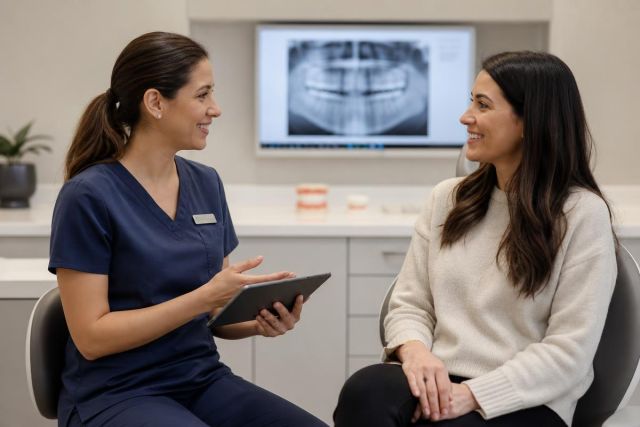
Full-mouth rehabilitation planning begins with a comprehensive evaluation of your oral health and dental needs, followed by a personalized treatment plan designed to restore function, aesthetics, and comfort. This initial phase is crucial because it lays the foundation for all subsequent procedures, ensuring that every aspect of your oral health is considered. Dental professionals utilize detailed diagnostics, including clinical examinations, imaging, and patient history, to create a roadmap that addresses both the health and appearance of your teeth.
This careful planning process helps ensure that the treatment aligns with your personal goals while considering the most appropriate restorative techniques and materials available. It involves collaboration between you and your dental team, where your preferences, lifestyle, and expectations play a key role in shaping the treatment strategy. This patient-centered approach helps tailor the rehabilitation to your unique needs, increasing the likelihood of a successful and satisfying outcome.
Understanding how this planning unfolds can help you feel more confident and prepared for the journey toward renewed oral health and a beautiful smile. It also highlights the complexity and importance of each step, from diagnosis to final restoration, emphasizing that full-mouth rehabilitation is a comprehensive process aimed at improving your overall quality of life.
Restore Your Smile, Bite, and Chewing Function
Answer a few short questions and HealthNode will help you connect with the right prosthodontic, restorative, or full-mouth rehabilitation specialist.
Function, Comfort, and Appearance
This helps us understand whether your main need is chewing function, bite correction, smile restoration, or replacement of existing dental work.
Previous Dental Work and Treatment Options
A few details help the specialist understand whether crowns, bridges, implants, veneers, dentures, or a combined plan may be needed.
Dental Health and Planning Factors
These details help the specialist understand whether any gum, bone, bite, or healing factors may affect your treatment plan.
Contact information
Your information is only used to contact you and is never shared with third parties.
Your request has been received!
Thank you. If you have dental X-rays, panoramic X-ray, CBCT scan, intraoral scan, photos, previous crown, bridge, implant, denture, veneer, root canal, or treatment plan records, please keep them ready. A HealthNode consultant will guide you through the next step.
Assessing Patient Needs and Dental Health Status
The first and most critical step in planning full-mouth rehabilitation is conducting a thorough dental assessment to gain a complete understanding of your oral health status. This comprehensive evaluation begins with a detailed review of your dental and medical history, which helps identify any underlying systemic conditions, medications, or risk factors that could impact treatment planning or healing outcomes.
Your dentist will perform a meticulous clinical examination to assess the condition of your teeth, gums, jawbone, and bite alignment. This includes checking for signs of tooth decay, gum disease, wear patterns, and functional issues such as malocclusion or temporomandibular joint disorders. Understanding these factors is essential because full-mouth rehabilitation often involves addressing multiple dental problems simultaneously.
Advanced diagnostic tools such as X-rays, 3D imaging, and sometimes CT scans provide detailed views of your oral structures beyond what is visible during a routine exam. These images help detect hidden issues like bone loss, root infections, impacted teeth, or structural abnormalities that may influence treatment choices. Together, these assessments provide a clear and comprehensive picture of your oral health.
This thorough evaluation is crucial because it allows your dental team to develop a coordinated treatment plan that addresses both functional and aesthetic concerns effectively. By understanding your unique oral health needs, potential challenges, and treatment goals, your dentist can recommend interventions that restore optimal function, improve appearance, and promote long-term oral health and wellbeing.
Creating a Customized Treatment Plan for Full-Mouth Rehabilitation
Once your oral health has been carefully assessed through clinical examinations and diagnostic imaging, your dental team will develop a personalized treatment plan tailored specifically to your individual needs. This plan addresses both functional concerns, such as improving chewing efficiency and speech clarity, and aesthetic goals, including enhancing the appearance of your smile to boost confidence.
Your preferences, lifestyle, and daily routine will be taken into account to ensure the treatment fits seamlessly into your life. For example, if you have specific time constraints or concerns about recovery, your dentist can sequence procedures accordingly. The treatment plan may involve a combination of procedures such as restorative work on damaged teeth, replacement of missing teeth with implants or bridges, and periodontal therapy to improve gum health.
By creating a step-by-step approach, your dentist can carefully sequence treatments to maximize healing, minimize discomfort, and allow for proper adaptation between phases. This structured plan also provides flexibility, enabling adjustments based on your progress, feedback, and any unforeseen changes in your oral health status. Such a personalized strategy ensures the best possible outcome for your full-mouth rehabilitation, balancing clinical effectiveness with your comfort and satisfaction throughout the process.
Selecting the Right Restorative Techniques and Materials
Selecting the appropriate restorative techniques and materials is a critical and highly individualized part of planning full-mouth rehabilitation. Depending on the extent of dental damage or tooth loss, your treatment options may include dental crowns, implants, bridges, veneers, and in some cases, partial or full dentures. Each option serves a specific purpose and is chosen based on your unique dental condition, functional needs, and aesthetic goals.
The materials used for these restorations must provide a combination of durability, biocompatibility, and a natural appearance that blends seamlessly with your existing teeth. Common materials include all-ceramic options such as lithium disilicate or zirconia, porcelain-fused-to-metal, and composite resins. Your dentist will recommend materials that balance strength and esthetics, taking into account factors like the location of the teeth being restored (front teeth often require more esthetic materials, while back teeth need stronger materials to withstand chewing forces).
During the selection process, your dental team will also consider bite forces, oral hygiene habits, and any allergies or sensitivities you may have. This comprehensive evaluation ensures that the restorations not only look natural but also function effectively over time, supporting your long-term oral health and patient satisfaction. Additionally, the choice of materials can influence the longevity and maintenance requirements of your restorations, so discussing these aspects with your dentist helps you make informed decisions tailored to your lifestyle and expectations.
The Role of Patient Education and Expectations Management
Effective communication and patient education are fundamental to the success of full-mouth rehabilitation. Your dental team will take the time to thoroughly explain the proposed treatment plan, detailing the specific procedures involved, the expected timelines, and what you can anticipate during the recovery period. This transparency helps reduce anxiety and prepares you mentally and physically for the journey ahead.
Understanding the potential outcomes, benefits, and limitations of the treatment allows you to set realistic expectations. Full-mouth rehabilitation is often a multi-step process that requires commitment to follow-up visits, oral hygiene practices, and sometimes lifestyle adjustments. Your dental team will educate you on how to care for your new restorations properly, including brushing and flossing techniques, dietary considerations, and habits to avoid that could compromise the longevity of your dental work.
By fostering an open dialogue, your dentist ensures you feel comfortable asking questions and expressing any concerns throughout the treatment process. This collaborative approach empowers you to take an active role in maintaining your oral health, which is essential for achieving lasting results. Additionally, being well-informed helps you recognize early signs of potential issues and seek timely care, ultimately enhancing both your satisfaction and the success of your full-mouth rehabilitation.
Monitoring Progress and Adjusting the Treatment Plan
Full-mouth rehabilitation is a complex process that typically unfolds over multiple phases, making diligent follow-up care and ongoing progress monitoring essential components of successful treatment. Regular appointments with your dental team provide opportunities to carefully assess how well your mouth is healing from procedures, evaluate the fit and function of restorations such as crowns, bridges, implants, or dentures, and address any concerns or discomfort you may be experiencing. These visits are crucial for detecting subtle changes or complications early on, which can prevent more significant problems later.
As your mouth adapts to the new dental work, adjustments may be necessary to optimize comfort, occlusion (bite alignment), and aesthetics. For example, minor modifications to the shape or position of crowns or bridges can improve how your teeth come together, reduce pressure points, and enhance your overall bite function. These refinements are a normal and important part of the rehabilitation process, ensuring that the final outcome meets both functional and cosmetic goals.
Ongoing evaluations also enable your dental team to monitor the health of surrounding tissues, such as gums and bone, to ensure they remain stable and free from infection or inflammation. This continuous care approach not only protects your investment in oral health but also promotes patient comfort and long-term success of your full-mouth rehabilitation. Patients should expect to attend multiple follow-up visits over several months or even years, as maintaining optimal oral health is a dynamic process requiring collaboration between you and your dental professionals.
Frequently Asked Questions
Q: What are the first steps in planning full-mouth rehabilitation?
A: The initial steps include comprehensive dental assessment, diagnostic imaging, and discussing patient goals to develop a tailored treatment plan.
Restore Your Smile, Bite, and Chewing Function
Answer a few short questions and HealthNode will help you connect with the right prosthodontic, restorative, or full-mouth rehabilitation specialist.
Function, Comfort, and Appearance
This helps us understand whether your main need is chewing function, bite correction, smile restoration, or replacement of existing dental work.
Previous Dental Work and Treatment Options
A few details help the specialist understand whether crowns, bridges, implants, veneers, dentures, or a combined plan may be needed.
Dental Health and Planning Factors
These details help the specialist understand whether any gum, bone, bite, or healing factors may affect your treatment plan.
Contact information
Your information is only used to contact you and is never shared with third parties.
Your request has been received!
Thank you. If you have dental X-rays, panoramic X-ray, CBCT scan, intraoral scan, photos, previous crown, bridge, implant, denture, veneer, root canal, or treatment plan records, please keep them ready. A HealthNode consultant will guide you through the next step.
Q: How long does full-mouth rehabilitation typically take?
A: The duration varies depending on the complexity of the case, but it generally spans several months with multiple phases of treatment.
Q: Are there different approaches for full-mouth rehabilitation?
A: Yes, treatment plans are customized based on individual needs, which may involve different combinations of restorative techniques and materials.
Q: What should I consider when choosing a dental provider for full-mouth rehabilitation?
A: Look for experienced, qualified specialists with a good track record in complex restorative procedures and a patient-centered approach.
Q: Is full-mouth rehabilitation painful or uncomfortable?
A: While some discomfort may occur, modern techniques and anesthesia options aim to minimize pain, and your dentist will guide you through managing any post-procedure sensitivity.
Q: How can I maintain the results of full-mouth rehabilitation long-term?
A: Regular dental check-ups, proper oral hygiene, and following your dentist’s maintenance recommendations are essential for lasting results.
The information provided is for educational purposes only and does not constitute medical advice. Always consult with a healthcare professional for medical guidance specific to your situation.