What Are the Different Types of Full-Mouth Rehabilitation?
Full-mouth rehabilitation encompasses a comprehensive range of dental procedures designed to restore the function, health, and aesthetics of your entire mouth. These treatments are particularly beneficial for individuals facing extensive dental issues such as severe tooth decay, trauma, multiple missing teeth, or complex bite problems. By combining multiple dental disciplines and techniques, full-mouth rehabilitation aims to bring your oral health back to optimal condition, improving essential functions like chewing, speech, and overall oral well-being.
Unlike isolated dental treatments that focus on single teeth or specific areas, full-mouth rehabilitation considers your mouth as an integrated system. This holistic approach addresses the interrelated aspects of your oral health, including teeth, gums, jawbone, and bite alignment. Treatment may involve restorative methods such as crowns, bridges, dental implants, dentures, and occasionally surgical interventions to correct underlying structural issues.
Understanding the various types of full-mouth rehabilitation and their purposes can help you make informed decisions about your dental care journey. Whether you seek cosmetic enhancement, functional restoration, or a combination of both, this knowledge enables you to collaborate effectively with your dental specialist to develop a personalized treatment plan.
Restore Your Smile, Bite, and Chewing Function
Answer a few short questions and HealthNode will help you connect with the right prosthodontic, restorative, or full-mouth rehabilitation specialist.
Function, Comfort, and Appearance
This helps us understand whether your main need is chewing function, bite correction, smile restoration, or replacement of existing dental work.
Previous Dental Work and Treatment Options
A few details help the specialist understand whether crowns, bridges, implants, veneers, dentures, or a combined plan may be needed.
Dental Health and Planning Factors
These details help the specialist understand whether any gum, bone, bite, or healing factors may affect your treatment plan.
Contact information
Your information is only used to contact you and is never shared with third parties.
Your request has been received!
Thank you. If you have dental X-rays, panoramic X-ray, CBCT scan, intraoral scan, photos, previous crown, bridge, implant, denture, veneer, root canal, or treatment plan records, please keep them ready. A HealthNode consultant will guide you through the next step.
Navigating complex oral health challenges can be overwhelming, but awareness of the available options empowers you to pursue comprehensive care that aligns with your health goals and lifestyle. Full-mouth rehabilitation offers the opportunity to regain confidence, comfort, and oral function, significantly enhancing your quality of life.
Exploring Full-Mouth Rehabilitation: Key Approaches and Techniques
Full-mouth rehabilitation involves several primary approaches tailored to address the specific dental problems you face. One common technique is prosthetic rehabilitation, which utilizes dental prostheses such as crowns, bridges, and dentures to replace missing or damaged teeth. These prosthetics can be either fixed or removable and are designed to restore both function and appearance, allowing you to chew effectively and smile confidently.
Another widely used method is implant-supported rehabilitation. Dental implants serve as artificial tooth roots anchored securely into your jawbone, providing a stable foundation for crowns or dentures. This approach offers a more permanent and natural-feeling solution compared to traditional dentures and also helps preserve jawbone health by stimulating bone maintenance.
In addition to prosthetics and implants, restorative techniques like dental crowns, veneers, and inlays/onlays are employed to repair damaged teeth, restoring their strength, shape, and aesthetics. These treatments can protect weakened teeth from further damage and improve their appearance.
Sometimes, full-mouth rehabilitation incorporates orthodontic treatments to correct bite misalignments or periodontal therapy to manage gum disease before restorative work begins. Addressing these underlying issues is crucial for the long-term success of the rehabilitation.
The choice of techniques depends on your oral health status, bone structure, and personal goals. Your dental team will carefully design a comprehensive plan that combines these methods to achieve optimal results tailored specifically to your needs. This personalized approach ensures that your rehabilitation not only restores function and aesthetics but also supports lasting oral health.
Choosing the Right Full-Mouth Rehabilitation Treatment for Your Needs
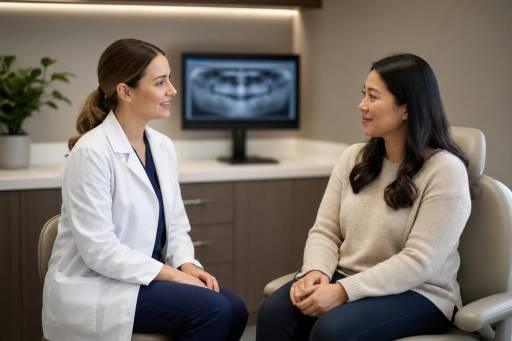
Choosing the right full-mouth rehabilitation treatment begins with a comprehensive dental evaluation conducted by your specialist. This assessment involves examining the extent of tooth decay, gum health, bone density, bite alignment, and the condition of any existing dental restorations. Diagnostic tools such as clinical exams, X-rays, and sometimes advanced 3D imaging provide detailed information to inform treatment planning.
Effective communication with your dental team is essential to ensure that your personal goals, concerns, and lifestyle preferences are fully understood. For example, if you prioritize a durable, fixed solution that mimics natural teeth, implant-supported prosthetics may be the best option. On the other hand, if you prefer to avoid surgery or have budget constraints, removable dentures or less invasive restorative options might be more suitable.
Your provider will consider factors such as your oral health status, bone availability, systemic health conditions, and aesthetic desires to develop a personalized rehabilitation plan. This plan balances function, appearance, maintenance requirements, and overall health considerations.
During treatment planning, your dental team will discuss expected outcomes, timelines, potential risks, and the necessary maintenance to ensure longevity of the restorations. This collaborative approach empowers you to make informed decisions and feel confident in your chosen treatment path. It also allows for adjustments based on your feedback and evolving needs throughout the rehabilitation process.
Benefits and Risks of Full-Mouth Rehabilitation Procedures
Full-mouth rehabilitation offers numerous significant benefits that can profoundly improve your oral function and overall quality of life. By restoring chewing ability, patients can enjoy a wider variety of foods, which supports better nutrition and digestion. Speech often improves as well, since missing or damaged teeth can affect pronunciation and clarity. Aesthetic enhancements through full-mouth rehabilitation can boost self-confidence by creating a more attractive, natural-looking smile. Additionally, addressing all dental issues comprehensively reduces the risk of future complications such as tooth loss, jaw misalignment, or temporomandibular joint (TMJ) disorders.
Many patients report that after completing their rehabilitation, they experience not only physical improvements but also psychological benefits, including increased self-esteem and social comfort. The holistic nature of full-mouth rehabilitation means that oral health is optimized in a way that isolated treatments cannot achieve.
However, like any surgical or restorative dental procedure, full-mouth rehabilitation carries potential risks. These may include infection at surgical sites, implant failure due to poor integration with the bone, gum irritation, or discomfort during the healing process. The likelihood and severity of risks depend on factors such as the complexity of the treatment, the patient's overall health, and adherence to post-operative care instructions.
Your dental team will carefully evaluate your individual risk profile and provide detailed guidance on how to minimize complications. This includes instructions on maintaining excellent oral hygiene, attending regular follow-up appointments, and recognizing signs of potential problems early. Understanding both the advantages and the possible downsides of full-mouth rehabilitation empowers you to make realistic decisions and prepares you for a successful treatment journey with manageable expectations.
What to Expect During Your Full-Mouth Rehabilitation Journey
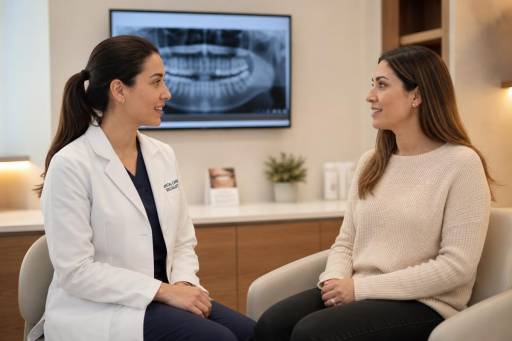
Your full-mouth rehabilitation journey begins with an initial consultation where your oral health is thoroughly evaluated. This comprehensive assessment typically includes diagnostic imaging such as X-rays, panoramic scans, or 3D cone beam computed tomography (CBCT) to gain a detailed view of your teeth, jawbone, and surrounding structures. During this phase, your dental team will discuss your medical and dental history, current concerns, and treatment goals to establish realistic expectations and timelines.
Treatment often proceeds in carefully planned phases tailored to your unique needs. Preparatory procedures may include extractions of non-restorable teeth, periodontal therapy to address gum disease, or bone grafting to enhance jawbone volume for implant placement. If dental implants are part of your rehabilitation plan, surgical placement will follow, with a healing period of several months to allow for osseointegration, the process where the implant fuses with the bone.
Throughout the rehabilitation process, you will attend multiple appointments for impressions, fittings, and adjustments to ensure that prosthetic components fit comfortably and function properly. Your dental team will monitor healing closely and make necessary modifications to optimize outcomes.
Post-treatment care is critical for long-term success and involves routine check-ups, professional cleanings, and diligent oral hygiene practices at home. Recovery times vary depending on the extent of procedures performed, your overall health, and adherence to care instructions. Your provider will give you personalized guidance on managing discomfort, diet modifications, and activity restrictions during healing.
Being well-informed about each stage of the rehabilitation journey helps you manage expectations, reduces anxiety, and encourages active participation in your care. This collaborative approach between you and your dental team fosters better results, higher satisfaction, and sustained oral health improvements.
Cost Factors and Insurance Considerations for Full-Mouth Rehabilitation
The cost of full-mouth rehabilitation can vary widely depending on several important factors, including the complexity of the treatment plan, the types of materials used, geographic location, and the expertise of the dental provider. For example, implant-supported restorations tend to be more expensive than removable dentures because they require surgical procedures, advanced technology, and often multiple appointments. The use of high-quality materials such as zirconia crowns or custom-milled prosthetics can also increase costs but may offer better durability and aesthetics.
Insurance coverage for full-mouth rehabilitation varies significantly based on your individual plan and the specific procedures involved. Many insurance policies differentiate between medically necessary treatments and cosmetic procedures, often covering only the former. For instance, if tooth replacement is essential for oral function or health, implants might be partially covered, whereas purely aesthetic enhancements may not be. It is crucial to verify with your insurance provider which treatments are included, the extent of coverage, deductibles, and any out-of-pocket expenses you might incur.
Because full-mouth rehabilitation can be a substantial financial investment, some patients explore alternative options to manage costs effectively. Financing plans through dental offices, third-party lenders, or healthcare credit cards can spread payments over time. Additionally, some individuals consider dental tourism, traveling to other countries where dental care may be more affordable, though this approach requires careful consideration of quality and follow-up care.
Restore Your Smile, Bite, and Chewing Function
Answer a few short questions and HealthNode will help you connect with the right prosthodontic, restorative, or full-mouth rehabilitation specialist.
Function, Comfort, and Appearance
This helps us understand whether your main need is chewing function, bite correction, smile restoration, or replacement of existing dental work.
Previous Dental Work and Treatment Options
A few details help the specialist understand whether crowns, bridges, implants, veneers, dentures, or a combined plan may be needed.
Dental Health and Planning Factors
These details help the specialist understand whether any gum, bone, bite, or healing factors may affect your treatment plan.
Contact information
Your information is only used to contact you and is never shared with third parties.
Your request has been received!
Thank you. If you have dental X-rays, panoramic X-ray, CBCT scan, intraoral scan, photos, previous crown, bridge, implant, denture, veneer, root canal, or treatment plan records, please keep them ready. A HealthNode consultant will guide you through the next step.
Transparent discussions about costs and insurance with your dental team and insurance representatives are essential to avoid unexpected expenses. Understanding these financial factors allows you to plan your treatment realistically, balancing your oral health needs with your budget. This informed approach ensures that you can pursue comprehensive dental care while minimizing financial stress and making decisions that align with your personal circumstances.
Frequently Asked Questions
Q: What types of procedures are included in full-mouth rehabilitation?
A: Full-mouth rehabilitation can include dental implants, crowns, bridges, dentures, veneers, orthodontics, and periodontal therapy. The combination depends on your oral health needs and treatment goals.
Q: How do I know if I am a candidate for full-mouth rehabilitation?
A: A comprehensive dental evaluation by a specialist will determine your candidacy. Factors include the condition of your teeth, gums, bone health, and overall medical history.
Q: What is the typical recovery time after full-mouth rehabilitation?
A: Recovery varies based on procedures performed. Surgical treatments like implants may require several months for healing, while restorations like crowns have shorter recovery periods.
Q: Are full-mouth rehabilitation procedures painful?
A: Dental treatments are performed with anesthesia or sedation to minimize discomfort. Some soreness or swelling may occur post-treatment but is usually manageable with prescribed care.
Q: Does insurance usually cover full-mouth rehabilitation costs?
A: Coverage depends on your insurance plan and whether treatments are classified as medically necessary. It is best to consult your insurance provider for specific details.
The information provided is for educational purposes only and does not constitute medical advice. Always consult with a healthcare professional for medical guidance specific to your situation.