What Happens During a Full-Mouth Rehabilitation Consultation?
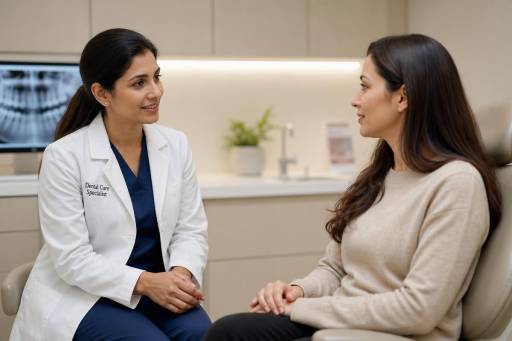
A full-mouth rehabilitation consultation is a comprehensive dental appointment designed to assess your oral health and develop a personalized treatment plan to restore both function and aesthetics to your teeth and gums. During this consultation, your dental team will evaluate the condition of your entire mouth, discuss your concerns and goals, and outline potential treatment options tailored specifically to your needs and circumstances.
This consultation is the critical first step toward regaining a healthy, comfortable, and beautiful smile, especially if you have multiple dental issues such as tooth decay, gum disease, missing teeth, or bite problems. It provides a detailed understanding of your oral condition and allows your dentist to craft a step-by-step plan that addresses each problem effectively and safely.
Knowing what to expect during your consultation can help you prepare mentally and physically, ensuring you get the most out of your visit. From gathering your dental history to understanding diagnostic tests and treatment discussions, this process is collaborative and patient-centered. It aims to empower you with knowledge and confidence about your dental rehabilitation journey, helping you make informed decisions that align with your health goals and lifestyle.
Restore Your Smile, Bite, and Chewing Function
Answer a few short questions and HealthNode will help you connect with the right prosthodontic, restorative, or full-mouth rehabilitation specialist.
Function, Comfort, and Appearance
This helps us understand whether your main need is chewing function, bite correction, smile restoration, or replacement of existing dental work.
Previous Dental Work and Treatment Options
A few details help the specialist understand whether crowns, bridges, implants, veneers, dentures, or a combined plan may be needed.
Dental Health and Planning Factors
These details help the specialist understand whether any gum, bone, bite, or healing factors may affect your treatment plan.
Contact information
Your information is only used to contact you and is never shared with third parties.
Your request has been received!
Thank you. If you have dental X-rays, panoramic X-ray, CBCT scan, intraoral scan, photos, previous crown, bridge, implant, denture, veneer, root canal, or treatment plan records, please keep them ready. A HealthNode consultant will guide you through the next step.
Throughout the consultation, your dental team will also discuss the importance of maintaining oral hygiene and the potential impact of lifestyle factors on treatment success. They will emphasize that full-mouth rehabilitation is often a multi-phase process requiring commitment and cooperation to achieve the best outcomes. Understanding these aspects upfront helps set realistic expectations and fosters a trusting relationship between you and your dental professionals.
Preparing for Your Full-Mouth Rehabilitation Consultation
Preparing for your full-mouth rehabilitation consultation involves gathering important information and considering your expectations and concerns to ensure a productive and informative appointment. Start by compiling your complete dental and medical history, including any previous treatments, surgeries, allergies, medications, or ongoing health conditions that could impact your oral health or treatment options. This background helps your dentist understand your overall health context and anticipate any special considerations.
Make a list of symptoms or issues you are experiencing, such as pain, sensitivity, difficulty chewing, or aesthetic concerns. Being specific about your experiences allows your dental team to focus on the areas most important to you. Bringing photographs of your smile or examples of dental results you admire can also help communicate your goals and preferences clearly.
Prepare questions for your dental team to clarify the consultation process, treatment options, risks, and expected outcomes. Examples include asking about the types of procedures involved, recovery times, how the treatment might affect your daily life, and what to expect in terms of maintenance after rehabilitation. Being proactive in this way ensures you feel heard and informed from the start.
It is also important to consider logistical factors such as your availability for multiple appointments, financial considerations, and support systems during recovery. Sharing these details with your dentist can help in creating a realistic and personalized treatment plan that fits your lifestyle.
Initial Evaluation and Diagnostic Procedures
During the initial evaluation, your dentist will perform a thorough dental exam to assess the condition of your teeth, gums, jaws, and bite alignment. This exam typically includes a detailed visual inspection to identify signs of decay, wear, or damage, periodontal probing to check gum health and detect any pockets or inflammation, and evaluation of tooth wear patterns or structural damage that could affect function.
Diagnostic tools such as X-rays, 3D imaging (like cone beam computed tomography), and photographs are often used to gain a detailed view of your oral structures beneath the surface. These images help detect hidden issues like bone loss, tooth decay beneath restorations, root problems, or jaw joint disorders (temporomandibular joint dysfunction) that may not be visible during a standard exam.
The combination of clinical examination and diagnostic testing allows your dentist to map out all underlying problems accurately. This comprehensive assessment is essential to developing an effective and safe treatment plan tailored to your unique dental needs. It also helps identify any urgent issues that need immediate attention before proceeding with rehabilitation.
Your dentist may also assess your overall oral function, including bite analysis and jaw movement, to understand how your teeth and jaws work together. This information is critical for designing a treatment plan that restores not only appearance but also comfort and functionality.
Discussion of Treatment Options and Planning
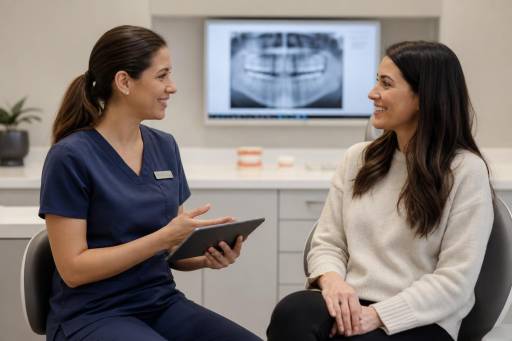
After completing the evaluation, your dentist will discuss the findings with you and present potential treatment options tailored to your unique oral health needs. This conversation covers the recommended procedures, their purposes, timelines, and how they work together to restore your oral health, function, and aesthetics.
Treatment plans for full-mouth rehabilitation can include a variety of dental procedures such as crowns, bridges, dental implants, veneers, root canals, periodontal therapy, or orthodontics. Your dentist will carefully explain the benefits and limitations of each option, helping you understand what to expect at every stage of treatment. They may also discuss alternative approaches and the potential consequences of delaying or declining certain treatments.
They will tailor the plan based on your overall health status, personal preferences, lifestyle, and budget considerations. For example, if you have certain medical conditions or habits, some treatment options may be more suitable than others. Collaborative decision-making ensures that your treatment aligns with your goals and comfort level, setting realistic expectations for outcomes and recovery times.
Your dental team will also inform you about the estimated duration of treatment, the number of visits required, and any necessary follow-up care. This comprehensive planning helps you prepare mentally and practically for the rehabilitation process, making it easier to commit to the plan and achieve the best possible results.
Addressing Patient Concerns and Questions
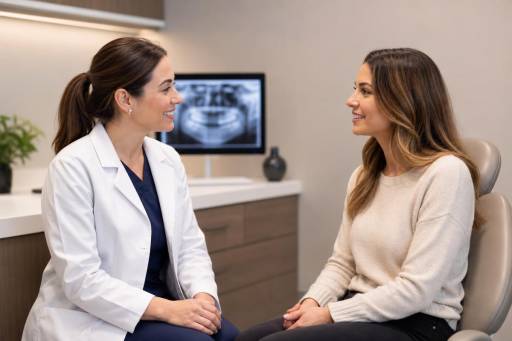
The consultation provides a vital opportunity for you to ask questions and express any concerns about the procedures, pain management, duration, or costs involved. Open dialogue helps build trust between you and your dental team, fostering a collaborative environment where your comfort and understanding are prioritized. It is important to feel comfortable discussing any fears or anxieties you may have, as this allows the dental professionals to tailor their approach to your needs and provide reassurance throughout the process.
Dentists typically explain the steps of each recommended procedure in detail, including what you can expect before, during, and after treatment. They will outline possible risks and complications, no matter how rare, to ensure you have a realistic understanding of the process. Additionally, they will discuss how they will manage your comfort throughout treatment, including options for local anesthesia, sedation, or other pain control methods. You can also discuss anesthesia options, post-treatment care, and any lifestyle adjustments needed during recovery, such as dietary restrictions or activity limitations.
Understanding these details helps reduce anxiety and supports informed consent, empowering you to make decisions that align with your personal preferences and health goals. Your dental team is there to guide you patiently and ensure you feel confident and prepared before moving forward with treatment. They encourage you to voice any lingering questions even after the consultation, as ongoing communication is key to a successful rehabilitation journey.
Next Steps After the Consultation
Once the consultation concludes, you will receive a clear outline of the next steps toward starting your full-mouth rehabilitation. This often includes scheduling appointments for preliminary treatments such as cleanings, extractions, or periodontal therapy, as well as diagnostic lab work or specific procedures required to prepare your mouth for rehabilitation.
Financial planning is another key aspect of the next steps. Your dental team will provide detailed cost estimates for the proposed treatment plan and discuss various payment options, including insurance coverage, financing plans, or out-of-pocket expenses. Having this information upfront helps you plan effectively, manage your budget, and avoid unexpected financial surprises during the course of treatment.
You may also be advised on how to prepare for upcoming procedures. This can include specific oral hygiene instructions to optimize your oral health before treatment, dietary recommendations to support healing, or adjustments to any medications you are taking. Your dentist may also advise you on lifestyle factors such as smoking cessation or limiting alcohol consumption to improve treatment outcomes.
Staying engaged and following your dentist’s guidance from this point on is essential to achieving the best possible results from your rehabilitation journey. Keeping scheduled appointments, adhering to care instructions, and maintaining open communication with your dental team will help ensure a smooth and successful treatment experience.
Restore Your Smile, Bite, and Chewing Function
Answer a few short questions and HealthNode will help you connect with the right prosthodontic, restorative, or full-mouth rehabilitation specialist.
Function, Comfort, and Appearance
This helps us understand whether your main need is chewing function, bite correction, smile restoration, or replacement of existing dental work.
Previous Dental Work and Treatment Options
A few details help the specialist understand whether crowns, bridges, implants, veneers, dentures, or a combined plan may be needed.
Dental Health and Planning Factors
These details help the specialist understand whether any gum, bone, bite, or healing factors may affect your treatment plan.
Contact information
Your information is only used to contact you and is never shared with third parties.
Your request has been received!
Thank you. If you have dental X-rays, panoramic X-ray, CBCT scan, intraoral scan, photos, previous crown, bridge, implant, denture, veneer, root canal, or treatment plan records, please keep them ready. A HealthNode consultant will guide you through the next step.
Frequently Asked Questions
Q: What should I bring to my full-mouth rehabilitation consultation?
A: Bring your dental and medical history, a list of current medications, any previous dental records if available, and a list of questions or concerns you have. Photographs of your smile or examples of desired outcomes can also be helpful during the discussion.
Q: How long does a full-mouth rehabilitation consultation usually take?
A: Consultations typically last between 45 minutes to an hour, depending on the complexity of your dental condition and the number of diagnostic tests required. This allows time for a thorough evaluation and detailed discussion of treatment options.
Q: Will diagnostic X-rays be taken during the consultation?
A: Yes, diagnostic imaging such as X-rays or 3D scans are commonly part of the consultation to assess the health of your teeth, bone, and surrounding structures. These images provide critical information that cannot be seen during a visual exam alone.
Q: Can I discuss all my treatment options during the consultation?
A: Your dentist will review all viable treatment options tailored to your needs and explain the benefits and risks of each. This collaborative discussion helps you make informed decisions about your dental care plan.
Q: What happens if I decide not to proceed with treatment after the consultation?
A: Choosing not to proceed with treatment is entirely your decision. Your dentist can provide advice on managing your dental health and may recommend alternative options or periodic monitoring to maintain your oral condition.
The information provided is for educational purposes only and does not constitute medical advice. Always consult with a healthcare professional for medical guidance specific to your situation.