Quick Answer
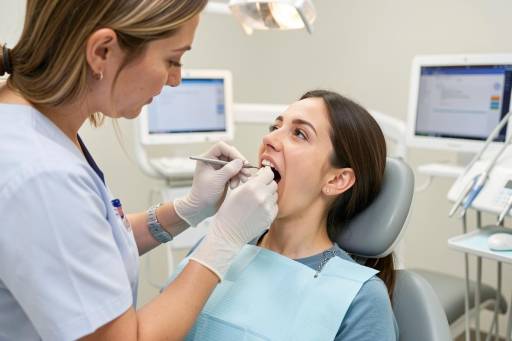
Gum disease is diagnosed through a dental exam that includes visual inspection, measuring gum pocket depths with a periodontal probe, and sometimes imaging like dental X-rays to assess bone health. These diagnostic steps help determine the presence, severity, and progression of gum disease before treatment.
- Diagnosis begins with a visual examination of gums for signs like redness, swelling, and bleeding.
- Periodontal probing measures pocket depths between teeth and gums to detect disease progression.
- Dental X-rays are used to evaluate bone loss associated with periodontitis.
- Advanced techniques like periodontal charting and 3D imaging may be employed for detailed assessment.
- Early diagnosis is crucial to prevent progression from gingivitis to more severe periodontitis.
- Regular dental check-ups are important as gum disease can be present without obvious symptoms.
- A comprehensive diagnosis guides personalized treatment plans to maintain long-term oral health.
How Is Gum Disease Diagnosed Before Treatment?
Gum disease is diagnosed through a combination of clinical examination and specialized diagnostic tests conducted by dental professionals. The process typically includes a visual inspection of the gums to identify signs of inflammation such as redness, swelling, and bleeding. Measuring the depth of gum pockets with a periodontal probe provides crucial information about the attachment of the gums to the teeth and helps detect early signs of disease.
Sometimes imaging techniques like dental X-rays are used to assess the underlying bone health around the teeth, which is important for identifying bone loss associated with periodontitis. These diagnostic steps together enable the dentist to determine the presence, severity, and progression of gum disease.
Early diagnosis is essential to prevent progression and ensure effective treatment. Gum disease often begins subtly, so professional evaluation is necessary to detect early stages such as gingivitis before it advances to more severe periodontitis, which can cause irreversible damage.
Get Support for Bleeding Gums and Gum Disease
Answer a few short questions and HealthNode will help you connect with the right dentist or gum disease specialist.
Symptoms and Severity
This helps us understand whether you may need routine cleaning, deep cleaning, periodontal care, or urgent dental review.
Previous Dental Care and Risk Factors
A few details help the specialist understand whether you may need deep cleaning, gum surgery, implant care, or ongoing periodontal maintenance.
Final Details
Share anything important so the dentist or periodontist can better understand your case.
Contact information
Your information is only used to contact you and is never shared with third parties.
Your request has been received!
Thank you. If you have dental X-rays, periodontal charting, gum pocket measurements, previous deep cleaning records, gum surgery records, implant records, or medication history, please keep them ready. A HealthNode consultant will guide you through the next step.
Whether you have symptoms like bleeding gums or no obvious signs, regular dental assessments provide critical information about your gum health. This knowledge empowers you to make informed decisions about prevention and treatment options tailored to your individual needs, ultimately supporting long-term oral health and wellbeing.
Recognizing the Signs and Progression of Gum Disease
Gum disease, also known as periodontal disease, affects the tissues surrounding and supporting your teeth, including the gums, periodontal ligament, and alveolar bone. It usually begins as gingivitis, the mildest form, characterized by red, swollen gums that may bleed during brushing or flossing. This early stage is caused by plaque buildup and is often reversible with proper oral hygiene and professional care.
Without timely intervention, gingivitis can progress to periodontitis, a more severe form where the gums pull away from the teeth, forming pockets that become infected. This leads to the destruction of the supporting bone and connective tissue, potentially resulting in tooth mobility and eventual tooth loss.
Common signs of gum disease include persistent bad breath, gum recession, tooth sensitivity, and in advanced cases, loose or shifting teeth. Some individuals may experience discomfort or pain, while others may have no noticeable symptoms, which is why regular dental check-ups are crucial.
Early detection is critical because gingivitis is reversible with proper care, whereas periodontitis requires more intensive treatment to prevent further damage and tooth loss. Recognizing these signs early and seeking professional evaluation can lead to better outcomes and preservation of oral health.
Understanding the nature and progression of gum disease empowers patients to take proactive steps in prevention, recognize warning signs, and adhere to treatment plans designed to maintain healthy gums and teeth.
The Dental Examination Process for Diagnosing Gum Disease
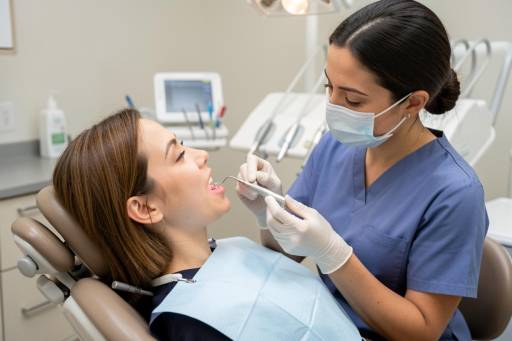
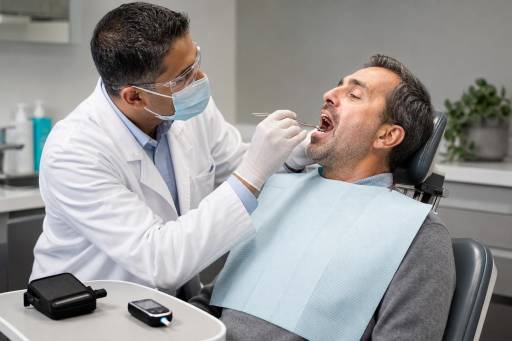
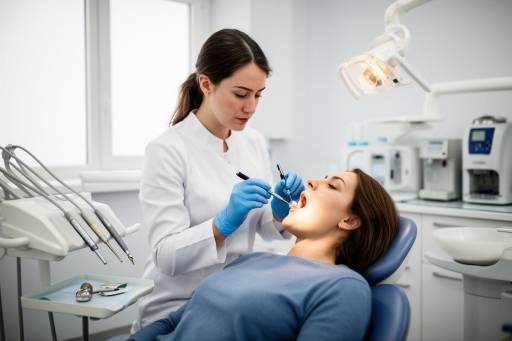
During a dental exam for gum disease, your dentist or hygienist will begin with a careful visual inspection of your gums and teeth. They look for signs such as redness, swelling, bleeding, and plaque buildup, which are indicators of inflammation and infection. These observations help identify areas that may require closer examination.
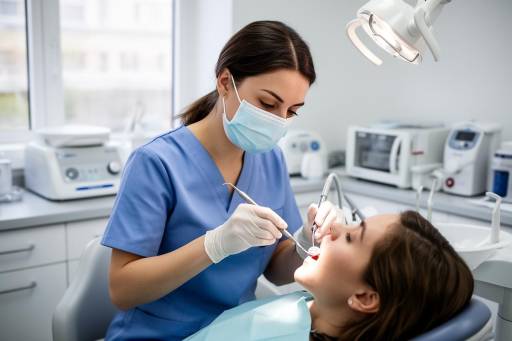
A key diagnostic tool is periodontal probing, where a small, calibrated instrument called a probe is gently inserted into the space between your tooth and gum to measure pocket depth. Healthy gums typically have pocket depths of 1 to 3 millimeters. Deeper pockets suggest gum detachment and disease progression, indicating that the supporting structures of the teeth may be compromised.
The dental professional will also assess gum firmness, bleeding on probing, and tooth mobility. Bleeding upon probing is a sign of active inflammation, while increased tooth mobility can indicate loss of bone support.
This thorough oral health assessment provides vital information about your periodontal condition and guides further testing or treatment planning. Depending on findings, your dentist may recommend additional diagnostic tools such as X-rays or bacterial testing to gain a complete understanding of your gum health.
Patients should expect a gentle but comprehensive evaluation that forms the foundation for an accurate diagnosis and effective treatment plan aimed at restoring and maintaining healthy gums.
Advanced Diagnostic Techniques in Gum Disease Detection
To complement clinical examination, advanced diagnostic tools help dentists accurately evaluate gum disease severity and tailor treatment effectively. Dental X-rays are commonly used to visualize bone levels around teeth and detect bone loss, which is a hallmark of periodontitis. These images provide critical information that cannot be seen during a routine visual exam, allowing the dentist to assess the extent of damage beneath the gum line and monitor changes over time.
Periodontal charting is another essential technique where detailed recordings of pocket depths, gum recession, and bleeding sites are systematically mapped across all teeth. This comprehensive data helps track disease progression or improvement over multiple visits, offering a clear picture of how the gums and supporting structures respond to treatment.
In more complex or advanced cases, additional imaging methods such as 3D cone beam computed tomography (CBCT) may be employed to gain a more precise view of bone architecture and detect subtle defects. Bacterial tests can also be performed to identify specific pathogens responsible for the infection, which can guide the choice of targeted antibiotic therapy when necessary.
These advanced diagnostic technologies significantly enhance the precision of gum disease diagnosis beyond what visual and probing assessments alone can provide. They ensure that the treatment approach is informed, personalized, and aimed at addressing the underlying causes and severity of the disease. Patients can expect a thorough evaluation that supports early detection, accurate staging, and effective management of their gum health.
Why Early Diagnosis Matters and Next Steps
Early diagnosis of gum disease significantly improves treatment outcomes by allowing interventions before extensive tissue and bone damage occur. When detected at an initial stage such as gingivitis, simple measures like improved oral hygiene routines, professional cleanings, and lifestyle modifications can reverse the condition and halt disease progression.
If periodontitis is diagnosed, your dentist may recommend periodontal therapy tailored to the severity of your disease. This can include deep cleaning procedures such as scaling and root planing to remove plaque and tartar from below the gum line, and sometimes surgical options like flap surgery or bone grafts if the damage is more advanced. The goal is to eliminate infection, reduce pocket depths, and promote healing of the gum tissues.
Managing risk factors such as smoking cessation, controlling diabetes, and maintaining a balanced diet are also critical components of successful treatment, as these factors influence gum disease progression and healing capacity.
Following diagnosis, your dental team will create a personalized treatment plan and schedule regular follow-up visits to monitor healing and maintain gum health. These visits allow early detection of any recurrence and timely intervention.
Proactive care after early detection helps prevent tooth loss, preserves the supporting bone and tissues, and supports long-term oral wellbeing. Patients can expect a comprehensive approach that combines professional treatment with self-care strategies to achieve the best possible outcomes.
Questions to Ask Your Dentist About Gum Disease Diagnosis
Engaging with your dentist about your gum health is an important step in understanding your diagnosis and exploring the best treatment options available to you. Consider asking about the specific signs of gum disease that were observed during your exam, such as inflammation, bleeding, or pocket depths, and what stage of gum disease you might currently have. This helps clarify the severity and urgency of your condition.
Inquire about the meaning of your periodontal pocket measurements and how these depths influence your treatment plan. Understanding whether your pockets indicate mild gingivitis or more advanced periodontitis can help you grasp the rationale behind recommended therapies.
You can also ask which diagnostic tests were used during your evaluation, such as X-rays or bacterial cultures, and whether additional assessments might be necessary to fully understand your gum health. This knowledge ensures you are aware of all the tools used to make an accurate diagnosis.
Clarify what lifestyle changes or oral hygiene practices can support your gum health, including brushing techniques, flossing frequency, and the use of antimicrobial rinses. Additionally, ask how often you should schedule follow-up visits to monitor your condition and prevent progression.
Get Support for Bleeding Gums and Gum Disease
Answer a few short questions and HealthNode will help you connect with the right dentist or gum disease specialist.
Symptoms and Severity
This helps us understand whether you may need routine cleaning, deep cleaning, periodontal care, or urgent dental review.
Previous Dental Care and Risk Factors
A few details help the specialist understand whether you may need deep cleaning, gum surgery, implant care, or ongoing periodontal maintenance.
Final Details
Share anything important so the dentist or periodontist can better understand your case.
Contact information
Your information is only used to contact you and is never shared with third parties.
Your request has been received!
Thank you. If you have dental X-rays, periodontal charting, gum pocket measurements, previous deep cleaning records, gum surgery records, implant records, or medication history, please keep them ready. A HealthNode consultant will guide you through the next step.
Open communication with your dental provider ensures you are informed, empowered, and active in managing your gum disease effectively. It also builds a collaborative relationship where your questions and concerns are addressed, leading to better adherence to treatment and improved oral health outcomes.
Frequently Asked Questions
Q: What are the common signs that indicate I might have gum disease?
A: Signs include swollen or bleeding gums, persistent bad breath, receding gums, and loose teeth. If you notice these symptoms, consult a dentist promptly.
Q: How does a dentist diagnose gum disease?
A: Diagnosis involves a visual examination, probing to measure gum pocket depths, and possibly X-rays to check for bone loss.
Q: Are there any special tests used to confirm gum disease?
A: Yes, dentists may use periodontal probes, X-rays, and bacterial tests to confirm the presence and severity of gum disease.
Q: Can gum disease be diagnosed at home?
A: No, a professional dental examination is necessary for an accurate diagnosis. Regular dental visits are essential for early detection.
Q: How often should I get my gums checked for disease?
A: It’s recommended to have a dental check-up and gum assessment at least twice a year, or more frequently if you have risk factors.
Q: What should I do if my dentist says I have gum disease?
A: Follow your dentist’s recommended treatment plan, which may include professional cleaning, improved oral hygiene, and possibly periodontal therapy.
The information provided is for educational purposes only and does not constitute medical advice. Always consult with a healthcare professional for medical guidance specific to your situation.