Quick Answer
During a gum disease consultation, a dental professional examines your gums and teeth, measures gum pocket depths, may take X-rays, and discusses your symptoms and treatment options to assess and address gum disease.
- Gum disease consultation involves a comprehensive examination by a dentist or periodontist to detect and assess gum disease severity.
- The consultation includes reviewing medical and dental history, oral hygiene habits, and lifestyle factors affecting gum health.
- Clinical examination involves measuring gum pocket depths with a periodontal probe and checking for bleeding, inflammation, and tissue damage.
- Dental X-rays are often used to evaluate bone loss supporting the teeth, which is critical for diagnosis and treatment planning.
- Treatment options vary based on disease severity, ranging from improved oral hygiene and professional cleanings to scaling and root planing or surgical interventions.
- Preparation for the consultation includes noting symptoms, gathering medical and dental history, and listing medications and questions for the provider.
- Follow-up appointments are important to monitor treatment progress and maintain gum health over time.
What Happens During a Gum Disease Consultation?
A gum disease consultation is an important first step in identifying and addressing any issues related to periodontal health. During this appointment, a dental professional, either a general dentist or a periodontist, who specializes in gum health, conducts a comprehensive examination of your gums and teeth. The goal is to detect any signs of gum disease, assess its severity, and discuss appropriate treatment options that are tailored to your individual needs.
Gum disease is a widespread condition that can develop gradually and often without obvious symptoms, making professional evaluation essential to prevent progression to more serious oral health problems. If left untreated, gum disease can lead to complications such as gum recession, bone loss, and tooth loss, which can affect not only your oral function but also your overall health.
Understanding what to expect during your consultation can help you feel more comfortable and prepared. This knowledge allows you to engage actively in the process, ask informed questions, and make decisions that align with your health goals. If you have noticed symptoms such as bleeding gums, persistent bad breath, gum tenderness, or gum recession, scheduling a consultation is a responsible and proactive step toward maintaining or restoring healthy gums.
Get Support for Bleeding Gums and Gum Disease
Answer a few short questions and HealthNode will help you connect with the right dentist or gum disease specialist.
Symptoms and Severity
This helps us understand whether you may need routine cleaning, deep cleaning, periodontal care, or urgent dental review.
Previous Dental Care and Risk Factors
A few details help the specialist understand whether you may need deep cleaning, gum surgery, implant care, or ongoing periodontal maintenance.
Final Details
Share anything important so the dentist or periodontist can better understand your case.
Contact information
Your information is only used to contact you and is never shared with third parties.
Your request has been received!
Thank you. If you have dental X-rays, periodontal charting, gum pocket measurements, previous deep cleaning records, gum surgery records, implant records, or medication history, please keep them ready. A HealthNode consultant will guide you through the next step.
This initial visit lays the foundation for effective periodontal care and personalized treatment planning, enabling you to take control of your oral health and work collaboratively with your dental provider to achieve the best possible outcomes.
Key Facts About Gum Disease and Its Warning Signs
Gum disease, medically referred to as periodontal disease, is a common yet potentially serious infection that affects the tissues surrounding and supporting your teeth. It typically begins with the accumulation of plaque, a sticky film of bacteria, on the teeth, which irritates and inflames the gums, a condition known as gingivitis. At this early stage, the inflammation is usually reversible with proper dental care and hygiene.
If gingivitis is left untreated, it can progress to periodontitis, a more severe form of gum disease. In periodontitis, the inner layer of the gum and bone pull away from the teeth, forming pockets that can become infected. The body’s immune response to this infection, combined with bacterial toxins, can lead to the breakdown of bone and connective tissue that hold teeth in place. This progression can result in gum recession, loosening of teeth, and eventually tooth loss.
Common signs and symptoms of gum disease include gums that are red, swollen, tender, or bleed easily during brushing or flossing. Persistent bad breath or a bad taste in the mouth may also be present. Additionally, gums may start to recede or pull away from the teeth, creating pockets that trap food and bacteria. However, gum disease can sometimes advance silently without obvious symptoms, which underscores the importance of regular dental check-ups.
Early recognition of these signs is crucial because timely intervention can halt or reverse the disease process. A professional evaluation by a dentist or periodontist involves a thorough examination to confirm the diagnosis and determine the stage of gum disease. This assessment guides the development of an effective treatment plan aimed at managing infection, preserving gum and bone health, and preventing further damage. Understanding the nature of gum disease and its warning signs empowers you to seek care promptly and maintain optimal oral health.
Preparing for Your Gum Disease Consultation
Preparing well for your gum disease consultation can significantly enhance the quality and efficiency of your visit, making the experience less stressful and more informative. It is beneficial to gather comprehensive information about your dental and medical history before the appointment. This includes details of any previous gum disease treatments, dental procedures, or surgeries you have undergone, as well as any chronic health conditions such as diabetes or cardiovascular disease that can influence gum health. Sharing this information helps your dentist or periodontist understand factors that may affect your oral condition and treatment options.
It is also important to take time to observe and note any symptoms you have experienced, such as bleeding gums during brushing or flossing, persistent bad breath, gum tenderness, swelling, or discomfort. Writing down these observations ensures you don’t forget to mention important details during the consultation. It is also helpful to prepare a list of questions or concerns you may have regarding gum disease, its causes, treatment possibilities, and preventive measures.
Bringing a current list of all medications and supplements you are taking is crucial, as some drugs can impact gum health or interact with dental treatments. Arriving prepared with this information enables your dental professional to have a complete understanding of your oral and overall health status. This collaborative approach supports an accurate diagnosis and helps in developing a personalized care plan that addresses your specific needs and lifestyle. Being proactive in preparation also empowers you to engage more confidently in discussions about your treatment and oral health maintenance.
What to Expect During the Consultation
During your gum disease consultation, the dental professional will begin by gathering detailed information about your overall health and dental history. This includes discussing any previous dental treatments, current oral hygiene practices, lifestyle factors such as smoking, and any medical conditions or medications that could influence gum health.
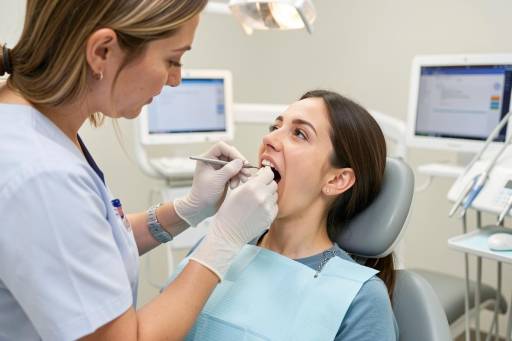
Following this, a thorough clinical examination of your gums and teeth will be conducted. One key component is measuring the depth of the gum pockets around each tooth using a specialized instrument called a periodontal probe. These measurements help determine the presence and severity of gum disease, as deeper pockets often indicate more advanced disease. The dentist or periodontist will also check for signs of gum bleeding, inflammation, and tissue damage.
To gain a comprehensive understanding of your periodontal status, imaging techniques such as dental X-rays may be utilized. These images reveal the condition of the bone supporting your teeth, which cannot be assessed through visual examination alone. Detecting bone loss is critical in diagnosing the extent of gum disease and planning appropriate treatment.
This combination of medical history review, clinical probing, and imaging allows the dental professional to accurately diagnose the stage of gum disease and develop a personalized treatment plan. The consultation may also include a discussion about your symptoms, risk factors, and strategies to improve and maintain gum health. Overall, this thorough evaluation ensures that you receive care tailored to your unique oral health needs.
Follow-Up and Treatment Options After Consultation
Following your initial consultation for gum disease, your dentist or periodontist will review their findings with you and recommend appropriate treatment options tailored to the severity and specifics of your condition. For early-stage gum disease, often characterized by gingivitis, treatment may focus on improving your oral hygiene routine and professional dental cleanings to remove plaque and tartar buildup. This conservative approach aims to reverse inflammation and restore gum health before more serious damage occurs.
If the disease has progressed to periodontitis, more intensive treatments may be necessary. Scaling and root planing is a common non-surgical deep cleaning procedure that removes plaque and tartar from below the gumline and smooths the root surfaces to help gums reattach to the teeth. In some cases, adjunctive therapies such as localized antibiotics or antimicrobial rinses might be recommended to control infection.
For advanced cases where significant tissue or bone loss has occurred, surgical interventions may be considered. These can include flap surgery to reduce pocket depths, bone grafts to regenerate lost bone, or soft tissue grafts to restore gum tissue. Your dental professional will explain the benefits, risks, and recovery expectations associated with these procedures.
In addition to clinical treatments, lifestyle modifications play a critical role in supporting gum health. Quitting smoking, adopting a balanced diet rich in nutrients, managing stress, and maintaining consistent oral hygiene practices are all important factors in treatment success and long-term maintenance.
Regular follow-up appointments are essential to monitor your progress, assess the effectiveness of treatment, and make any necessary adjustments. The ultimate goal after consultation and treatment is to restore and maintain healthy gums, prevent further periodontal damage, preserve your teeth, and ensure your oral comfort and function.
Questions to Ask Your Dentist or Periodontist
Actively participating in your gum disease consultation by asking thoughtful questions can greatly enhance your understanding of your condition and the care recommended. It is important to inquire about the severity and stage of your gum disease, as this information influences the treatment approach and urgency. Understanding whether your condition is mild, moderate, or advanced helps set realistic expectations for outcomes and timelines.
Ask about the various treatment options available for your specific situation, including non-surgical methods like scaling and root planing, as well as possible surgical interventions if necessary. It is also wise to discuss the potential benefits and risks associated with each treatment, so you can weigh them carefully. Knowing how long the treatment process might take, including the number of appointments and recovery periods, helps you plan accordingly.
Discuss strategies for maintaining gum health after treatment, such as recommended oral hygiene practices, frequency of professional cleanings, and lifestyle modifications. Questions about how habits like smoking, diet, and stress can affect gum health are valuable for long-term management. If cost is a concern, asking about treatment expenses, insurance coverage, and payment options allows you to understand financial implications upfront. Clarifying scheduling and follow-up care ensures you know what to expect throughout the treatment journey.
Being informed through these questions empowers you to make confident, well-considered decisions about your oral health care and fosters a collaborative relationship with your dental provider.
Frequently Asked Questions
Q: How long does a gum disease consultation typically take?
Get Support for Bleeding Gums and Gum Disease
Answer a few short questions and HealthNode will help you connect with the right dentist or gum disease specialist.
Symptoms and Severity
This helps us understand whether you may need routine cleaning, deep cleaning, periodontal care, or urgent dental review.
Previous Dental Care and Risk Factors
A few details help the specialist understand whether you may need deep cleaning, gum surgery, implant care, or ongoing periodontal maintenance.
Final Details
Share anything important so the dentist or periodontist can better understand your case.
Contact information
Your information is only used to contact you and is never shared with third parties.
Your request has been received!
Thank you. If you have dental X-rays, periodontal charting, gum pocket measurements, previous deep cleaning records, gum surgery records, implant records, or medication history, please keep them ready. A HealthNode consultant will guide you through the next step.
A: Most consultations last between 30 to 60 minutes, depending on the complexity of the case.
Q: Will I need X-rays or other imaging during the consultation?
A: Yes, imaging such as X-rays is often used to assess bone levels and the extent of gum disease.
Q: Is a gum disease consultation painful?
A: The consultation itself is generally not painful; some examinations may involve gentle probing or imaging.
Q: How soon can I expect treatment after the consultation?
A: Treatment plans are usually discussed during the consultation, and scheduling can be arranged shortly afterward.
Q: Should I bring any medical or dental records to the appointment?
A: Yes, bringing relevant medical and dental history can help your provider give a more accurate assessment.
Q: Can I get a second opinion if I’m unsure about the diagnosis?
A: Absolutely, seeking a second opinion is common and encouraged if you have doubts.
The information provided is for educational purposes only and does not constitute medical advice. Always consult with a healthcare professional for medical guidance specific to your situation.