Quick Answer
Oral and maxillofacial surgery is generally suitable and safe for children when performed by specialists trained in pediatric care, addressing various dental and facial conditions with careful consideration of children's unique anatomical and developmental needs.
- Oral and maxillofacial surgery in children treats issues like impacted teeth, facial injuries, and congenital anomalies such as cleft lip and palate.
- Pediatric surgeons use techniques that minimize risks and support healthy facial growth due to children's ongoing development.
- Safety protocols include specialized anesthesia management, infection control, and careful postoperative monitoring tailored to children.
- Parents can prepare their child by explaining procedures in simple terms, following preoperative instructions, and providing emotional support.
- Common conditions requiring surgery include impacted teeth, facial trauma, congenital defects, cysts, tumors, and jaw growth abnormalities.
- Choosing a board-certified pediatric oral surgeon and an accredited pediatric facility enhances safety and surgical outcomes.
- Early consultation with specialists is important when symptoms like persistent pain, facial swelling, or trauma occur to ensure timely and appropriate care.
Is Oral and Maxillofacial Surgery Suitable for Children?
Oral and maxillofacial surgery is a specialized field of surgical care that is generally suitable for children when performed by skilled specialists trained in pediatric care. These surgeries address a variety of dental and facial issues that can significantly affect a child’s health, development, and overall quality of life. With proper safety protocols, careful planning, and a child-centered approach, children can safely undergo these procedures to correct problems such as impacted teeth, facial injuries, or congenital anomalies like cleft lip and palate.
Understanding the specific needs of pediatric patients is critical because children’s facial bones and soft tissues differ considerably from those of adults. Their bones are still growing and developing, which requires surgeons to use techniques that minimize risks and support healthy growth. Pediatric oral and maxillofacial surgeons are trained to consider these factors when planning and performing surgery.
Parents often have concerns about the safety, necessity, and potential impact of surgery on their child. Gaining knowledge about the procedures, indications for surgery, preparation steps, and expected outcomes can help alleviate anxiety and empower families to make informed decisions. This overview aims to explain what oral and maxillofacial surgery involves for children, outline common conditions that may require surgery, discuss important safety considerations, and offer practical guidance for parents preparing their child for these procedures.
Get Support From an Oral and Maxillofacial Surgeon
Answer a few short questions and HealthNode will help you connect with the right oral and maxillofacial surgery specialist.
Symptoms and Urgency
This helps us understand whether you may need routine surgical planning or a higher-priority review.
Previous Tests or Surgical Planning
A few details help the surgeon understand what has already been checked and what type of surgical care may be needed.
Health and Surgery Factors
These details help the specialist understand any factors that may affect surgery, anesthesia, or healing.
Contact information
Your information is only used to contact you and is never shared with third parties.
Your request has been received!
Thank you. If you have dental X-rays, panoramic X-ray, CBCT or 3D scan, CT or MRI, referral notes, pathology reports, implant records, previous surgery records, or photos of swelling or injury, please keep them ready. A HealthNode consultant will guide you through the next step.
By understanding these aspects, parents and caregivers can feel more confident in navigating their child’s oral and facial health care journey, ensuring that their child receives the best possible treatment tailored to their unique needs.
Key Insights into Oral and Maxillofacial Surgery for Children
Oral and maxillofacial surgery in children encompasses a wide range of surgical procedures aimed at addressing issues related to the mouth, jaws, face, and associated structures. Pediatric oral surgery covers treatments from the removal of impacted or problematic teeth to correcting jaw alignment, repairing facial trauma, and addressing congenital defects such as cleft lip and palate.
Common procedures include the extraction of baby or permanent teeth that are causing pain, infection, or crowding. Surgical exposure may be necessary for teeth that are not erupting properly to guide them into place. Treatment of cysts or tumors in the oral cavity or facial bones is also managed surgically to prevent complications and preserve function.
Repair of congenital anomalies like cleft lip and palate involves specialized surgical techniques designed to restore normal anatomy and support speech, eating, and facial growth. These surgeries often require a multidisciplinary approach involving surgeons, orthodontists, speech therapists, and other healthcare professionals.
Pediatric maxillofacial surgeons are specially trained to work with young patients, taking into account their ongoing facial development and unique anatomical considerations. Their expertise ensures that surgical interventions are performed safely and effectively, minimizing risks and supporting normal growth patterns. Understanding the scope and goals of these surgeries helps parents appreciate how these interventions contribute positively to their child’s overall health, function, and quality of life.
Common Conditions Requiring Surgery in Children
Several dental and facial conditions in children may require oral and maxillofacial surgical treatment to restore function, relieve pain, or improve appearance. One common issue is impacted teeth, particularly wisdom teeth or permanent teeth that fail to emerge properly through the gums. Impacted teeth can cause discomfort, crowding, misalignment, or damage to adjacent teeth, making surgical removal or exposure necessary.
Facial trauma is another frequent reason for surgery in children. Accidents or injuries from falls, sports, or other incidents can result in fractures of the jaw, nose, or cheekbones, as well as lacerations to soft tissues. Surgical repair is often required to realign bones, restore facial symmetry, and repair damaged tissues to ensure proper healing and function.
Congenital facial anomalies such as cleft lip and palate are conditions present at birth that affect the structure and function of the mouth and face. These anomalies require coordinated surgical care to improve feeding, speech, hearing, and facial appearance. Treatment often involves multiple surgeries over time, along with support from speech therapists and other specialists.
Other reasons for surgery include the removal of cysts or tumors that may develop in the oral or facial region, correction of jaw growth abnormalities that affect bite and facial balance, and treatment of infections or other oral diseases that do not respond to non-surgical care. Each condition requires careful evaluation to determine the most appropriate surgical approach tailored to the child’s individual needs and developmental stage.
Safety and Considerations for Pediatric Oral Surgery
Safety is the foremost priority when it comes to pediatric oral and maxillofacial surgery. Surgical teams adhere to strict protocols designed to protect children throughout the procedure and promote a smooth, complication-free recovery. These safety measures encompass preoperative planning, intraoperative care, and postoperative monitoring.
Anesthesia management is a critical component of safety in pediatric surgery. Specialists trained in pediatric anesthesia carefully assess each child’s health status, age, and the specific procedure to determine the most appropriate anesthesia method. Options may include local anesthesia to numb a small area, sedation to relax the child, or general anesthesia to induce a controlled unconscious state. Preoperative assessments help identify any potential risks related to allergies, medical conditions, or previous reactions to anesthesia.
Infection control practices are rigorously followed to minimize the risk of postoperative infections. This includes sterilization of instruments, use of protective barriers, and maintaining a clean surgical environment. Surgeons employ precise and minimally invasive techniques tailored to children’s anatomy to reduce tissue trauma and promote faster healing.
During and after surgery, attentive monitoring by the surgical and nursing team ensures that any signs of complications are detected early. Postoperative care instructions are customized to the child’s age and specific needs, guiding parents on wound care, activity restrictions, pain management, and signs to watch for that may require medical attention.
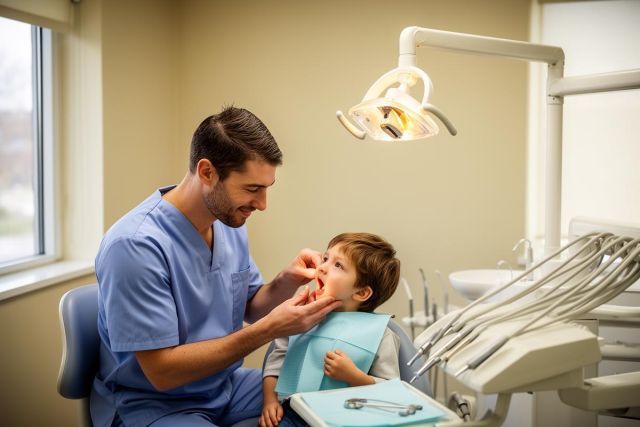
Parents can be reassured that these surgeries are performed in controlled environments specifically designed for children’s safety and comfort. The multidisciplinary approach involving surgeons, anesthesiologists, nurses, and support staff works together to provide comprehensive care that prioritizes your child’s well-being at every stage.
Preparing Your Child for Oral Surgery: What Parents Need to Know
Preparing your child for oral surgery involves both practical steps and emotional support to help them feel safe and comfortable throughout the process. One of the most effective ways to reduce your child’s anxiety is to explain the procedure in simple, age-appropriate language. Using clear and reassuring terms helps build trust and allows your child to understand what to expect without feeling overwhelmed.
It is essential to carefully follow the surgeon’s preoperative instructions, which may include fasting guidelines to ensure safety during anesthesia, adjustments to any medications your child is taking, and planning for transportation to and from the surgical facility. Arranging for someone to stay with your child after surgery is also important, as they will need supervision and assistance during the initial recovery period.
On the day of surgery, keeping your child calm and comfortable can make a significant difference. Bringing along a favorite toy, blanket, or comfort item can provide reassurance and a sense of familiarity in an unfamiliar environment. Maintaining a calm and positive attitude yourself can also help your child feel more secure.
After the surgery, it is normal for your child to experience some swelling, bruising, or discomfort. The surgical team will provide pain management strategies, which may include prescribed medications and the use of cold compresses to reduce swelling. Monitoring your child closely for any unusual symptoms such as excessive bleeding, fever, or difficulty breathing is critical, and you should contact the surgeon promptly if concerns arise.
Attending all scheduled follow-up appointments ensures that your child’s healing progresses well and allows the surgeon to address any questions or complications early. Providing emotional support and encouraging your child to rest and eat soft foods as recommended will help them recover comfortably and return to their normal activities as soon as possible.
When to Consider Consulting an Oral and Maxillofacial Surgeon
Knowing when to seek specialist care can be challenging for many parents and caregivers. There are several signs and symptoms that may indicate the need to consult an oral and maxillofacial surgeon, especially when general dental or medical care does not resolve the issue. Persistent pain in the mouth, jaw, or face that does not improve with standard treatment should raise concern. Difficulty chewing, opening the mouth fully, or speaking clearly can also be warning signs that require specialist evaluation. Facial swelling, redness, or visible deformities such as asymmetry or lumps may suggest underlying structural problems or infections needing surgical intervention.
In cases of trauma, such as a fall, sports injury, or accident resulting in injury to the face or jaw, prompt evaluation by an oral and maxillofacial surgeon is important. Early assessment helps identify fractures, dislocations, or soft tissue injuries that require timely treatment to prevent long-term complications. For children born with congenital issues like cleft lip or palate, early surgical consultation is crucial to plan interventions that support feeding, speech development, and facial growth.
Your pediatric dentist or primary care provider plays a key role in recognizing these indications and can help guide you toward the appropriate specialist. They will consider your child’s symptoms, medical history, and developmental status to determine if surgical evaluation is warranted. Early consultation with an oral and maxillofacial surgeon can improve outcomes by addressing problems before they worsen or cause additional complications. It also allows families to ask questions, understand treatment options, and prepare for any necessary procedures in a timely manner.
Choosing the Right Facility and Specialist for Your Child’s Surgery
Selecting an experienced oral and maxillofacial surgeon who specializes in pediatric care is essential to ensure your child’s safety and achieve the best possible surgical outcome. Pediatric oral surgery requires specific skills and knowledge of children’s unique anatomy, growth patterns, and emotional needs. Therefore, it is important to seek surgeons who are board-certified and have specialized training in pediatric oral and maxillofacial surgery.
In addition to the surgeon’s qualifications, the choice of surgical facility plays a significant role in your child’s experience and recovery. Accredited hospitals or surgical centers that are equipped to handle pediatric cases provide an environment designed for children’s comfort and safety. These facilities often have dedicated pediatric units with staff trained in child-friendly anesthesia techniques and postoperative care. Such settings help reduce anxiety for both children and parents and ensure that any potential complications can be managed promptly.
To make an informed decision, consider gathering information through referrals from your child’s dentist or pediatrician, reading reviews from other families, and scheduling consultations with potential surgeons. During consultations, observe how the surgeon and their team communicate with you and your child. Clear, compassionate communication about the procedure, risks, benefits, and recovery expectations fosters trust and helps you feel confident in the care your child will receive.
Get Support From an Oral and Maxillofacial Surgeon
Answer a few short questions and HealthNode will help you connect with the right oral and maxillofacial surgery specialist.
Symptoms and Urgency
This helps us understand whether you may need routine surgical planning or a higher-priority review.
Previous Tests or Surgical Planning
A few details help the surgeon understand what has already been checked and what type of surgical care may be needed.
Health and Surgery Factors
These details help the specialist understand any factors that may affect surgery, anesthesia, or healing.
Contact information
Your information is only used to contact you and is never shared with third parties.
Your request has been received!
Thank you. If you have dental X-rays, panoramic X-ray, CBCT or 3D scan, CT or MRI, referral notes, pathology reports, implant records, previous surgery records, or photos of swelling or injury, please keep them ready. A HealthNode consultant will guide you through the next step.
Choosing the right provider and facility supports not only the technical success of the surgery but also your child’s emotional well-being, leading to a smoother experience and recovery process.
Frequently Asked Questions
Q: Is oral and maxillofacial surgery safe for children?
A: Yes, when performed by experienced specialists with proper safety protocols, oral and maxillofacial surgery is generally safe for children.
Q: At what age can children undergo facial surgery?
A: The suitable age varies depending on the condition and procedure, but many surgeries are performed once the child's facial bones are developed enough, typically around age 7 or older.
Q: What should I expect during my child's surgical consultation?
A: The surgeon will evaluate your child's condition, discuss the procedure, anesthesia options, and answer any questions you may have to ensure you are fully informed.
Q: How can I prepare my child for oral surgery?
A: Prepare your child by explaining the procedure in simple terms, following pre-operative instructions, and providing emotional support to reduce anxiety.
Q: What is the recovery process like for children after surgery?
A: Recovery varies by procedure but generally involves some swelling, pain management, and follow-up care to ensure proper healing.
Q: Are there alternatives to surgery for pediatric facial conditions?
A: In some cases, non-surgical options may be available, but your surgeon will recommend the best approach based on your child's specific condition.
The information provided is for educational purposes only and does not constitute medical advice. Always consult with a healthcare professional for medical guidance specific to your situation.