Quick Answer
Oral and maxillofacial surgery can be safe and effective for many older adults when carefully planned and tailored to their overall health and specific medical conditions. Age alone is not a barrier to these procedures, and with advances in surgical techniques and preoperative care, seniors can achieve favorable outcomes.
- Age alone does not exclude older adults from oral and maxillofacial surgery; candidacy depends on overall health and specific medical conditions.
- Common surgeries for seniors include tooth extractions, dental implants, jaw reconstruction, and treatment of facial injuries or deformities.
- Chronic conditions like diabetes and heart disease may affect surgical risk and recovery but do not necessarily preclude surgery if well-managed.
- Advances in minimally invasive techniques and anesthesia protocols improve safety and tolerance of surgery in elderly patients.
- Preoperative preparation involves thorough medical assessments, medication review, and maintaining good oral hygiene to reduce risks.
- Postoperative care for seniors emphasizes pain management, nutritional support, infection prevention, and close monitoring to promote healing.
- Long-term outcomes can be positive with improved oral function, appearance, and quality of life when surgery is accompanied by proper care and follow-up.
Is Oral and Maxillofacial Surgery Suitable for Older Adults?
Oral and maxillofacial surgery can be appropriate and effective for many older adults when carefully planned and executed. Age alone is not a barrier to these surgical procedures; instead, candidacy depends on overall health, specific medical conditions, and the complexity of the surgery needed. With advances in surgical techniques, anesthesia, and preoperative care, seniors can safely undergo many oral surgeries with favorable outcomes.
Older adults often face unique oral health challenges such as tooth loss, jawbone deterioration, or facial trauma that may require specialized surgical intervention. These issues can significantly impact nutrition, speech, appearance, and overall quality of life. Understanding the types of procedures available and how your individual health profile affects surgery is essential before proceeding.
Discussing your medical history, current health status, and concerns openly with your surgeon helps ensure safe and personalized care. This dialogue allows the healthcare team to tailor surgical plans and postoperative management to your needs, addressing potential risks and optimizing recovery.
Get Support From an Oral and Maxillofacial Surgeon
Answer a few short questions and HealthNode will help you connect with the right oral and maxillofacial surgery specialist.
Symptoms and Urgency
This helps us understand whether you may need routine surgical planning or a higher-priority review.
Previous Tests or Surgical Planning
A few details help the surgeon understand what has already been checked and what type of surgical care may be needed.
Health and Surgery Factors
These details help the specialist understand any factors that may affect surgery, anesthesia, or healing.
Contact information
Your information is only used to contact you and is never shared with third parties.
Your request has been received!
Thank you. If you have dental X-rays, panoramic X-ray, CBCT or 3D scan, CT or MRI, referral notes, pathology reports, implant records, previous surgery records, or photos of swelling or injury, please keep them ready. A HealthNode consultant will guide you through the next step.
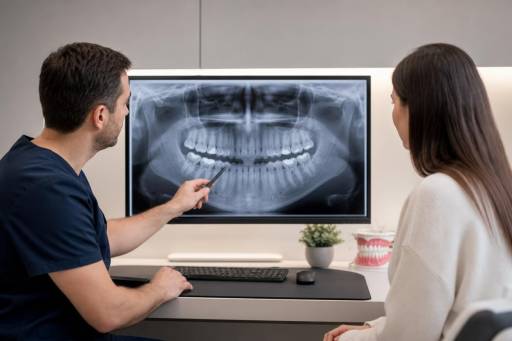
This overview will help you learn what oral and maxillofacial surgery involves for seniors, the factors specialists consider when evaluating candidacy, and what to expect before, during, and after surgery. Being well-informed empowers you to make confident decisions about your oral health treatment options at any age, supporting better outcomes and improved quality of life.
Oral and Maxillofacial Surgery: Key Considerations for Older Adults
Oral and maxillofacial surgery encompasses a broad range of procedures aimed at treating conditions affecting the mouth, jaw, face, and neck. For older adults, common reasons for surgery include tooth extractions, dental implant placement, correction of jaw deformities, treatment of facial injuries, and management of tumors or cysts.
Many seniors require these surgeries to restore essential functions such as chewing and speaking, improve facial aesthetics, or relieve pain that significantly impairs quality of life. For instance, dental implants can replace missing teeth, which not only enhances chewing ability but also helps prevent further bone loss, a critical consideration since bone density tends to decline with age, potentially complicating dental health.
Advances in surgical techniques have made procedures less invasive and better tolerated by elderly patients. Minimally invasive approaches reduce tissue trauma and postoperative discomfort, while sedation options and targeted anesthesia protocols are tailored to minimize risks and enhance safety for older adults with complex health profiles.
Your surgeon will carefully evaluate your specific needs and health status to select the most appropriate procedure type and surgical approach. This personalized planning helps optimize outcomes and supports a smoother recovery process, taking into account factors such as bone quality, medical conditions, and functional goals.
Assessing Surgical Candidacy for Older Adults
Determining whether an older adult is a suitable candidate for oral or maxillofacial surgery involves a comprehensive health assessment that goes beyond chronological age. Specialists carefully evaluate your medical history, current health conditions, medications, and functional status to understand how these factors may influence surgical risk and recovery.
Chronic diseases common in seniors, such as diabetes, heart disease, or osteoporosis, can affect your body's ability to heal and tolerate surgery. For example, diabetes may impair wound healing and increase infection risk, while heart disease may raise concerns about anesthesia safety. Preoperative evaluations typically include blood tests, imaging studies, and consultations with your primary care physician or relevant specialists to optimize your health before surgery.
Functional ability is another key consideration, as it reflects your capacity to manage postoperative care and rehabilitation. Nutritional status is assessed because adequate nutrition supports healing, while cognitive health is evaluated to ensure you can understand and follow postoperative instructions.
Surgeons carefully weigh the potential benefits of surgery against the risks and discuss realistic expectations with you and your caregivers. This shared decision-making process helps ensure that surgery aligns with your health goals and quality of life priorities.
In many cases, if chronic conditions are well-managed and appropriate perioperative planning is in place, these health factors do not exclude seniors from surgery. Instead, they highlight the importance of individualized care strategies to promote safe and effective outcomes.
Benefits and Risks of Oral and Maxillofacial Surgery for Seniors
Oral and maxillofacial surgery offers significant benefits for older adults by improving oral function, appearance, and overall health. Common benefits include restoring the ability to chew and speak effectively, relieving chronic pain or infection, and enhancing facial structure support, which can improve both function and aesthetics. These improvements often translate into better nutrition, increased social confidence, and enhanced quality of life.
However, surgery in seniors carries some increased risks compared to younger patients. These risks stem from age-related physiological changes and the higher prevalence of chronic health conditions. Potential challenges include delayed wound healing, increased susceptibility to infection, and complications related to anesthesia or existing medical conditions such as cardiovascular disease or diabetes.
Given these factors, postoperative care and close monitoring are especially crucial to minimize risks. Your care team will provide comprehensive pain management tailored to your needs, implement infection prevention strategies, and offer guidance on nutrition and activity levels during recovery. They will also monitor for any signs of complications and intervene promptly if necessary.
Deciding to proceed with surgery involves weighing these risks against the potential benefits. When performed with appropriate precautions, careful patient selection, and individualized care plans, the benefits of oral and maxillofacial surgery often outweigh the risks for many elderly patients, leading to meaningful improvements in health and well-being.
Preparing for Surgery: What Older Adults Need to Know
Preparation for oral and maxillofacial surgery involves both medical and lifestyle steps designed to optimize safety and enhance recovery, particularly for older adults who may have complex health profiles. Before surgery, you will undergo thorough medical assessments that include reviewing your overall health status, identifying chronic conditions, and evaluating any factors that could affect anesthesia or healing.
A critical part of preparation is medication review. Many older adults take multiple medications, and some drugs may increase the risk of bleeding or interact adversely with anesthesia. Your surgeon and healthcare team will carefully evaluate your medications and provide guidance on which should be continued, adjusted, or temporarily paused to minimize risks during and after surgery.
Maintaining good oral hygiene before surgery is essential to reduce the risk of infection and promote healing. This may involve professional dental cleanings and instructions on effective home care routines.
You will also receive specific instructions about fasting before anesthesia to reduce the risk of complications such as aspiration. Additionally, planning for postoperative care is important; arranging for help at home during the early recovery period can support your safety and comfort.
Understanding these preparations helps you feel confident and ready for your procedure. Being proactive in addressing health concerns and following preoperative instructions can significantly improve surgical outcomes and reduce the likelihood of complications.
Postoperative Care and Long-term Outcomes in Elderly Patients
Recovery after oral and maxillofacial surgery requires attentive postoperative care to support healing and avoid complications, especially in elderly patients. Older adults may experience slower healing due to age-related changes in tissue regeneration and immune response, making tailored pain control and nutritional support critical components of recovery. Effective pain management not only improves comfort but also facilitates better mobility and oral intake, which are essential for healing. Nutritional support may involve modifying diet consistency or supplementation to ensure adequate calorie and protein intake, which supports tissue repair and overall recovery.
Follow-up visits are a vital part of postoperative care, allowing your surgeon to monitor healing progress, identify and manage any complications such as infection or delayed wound healing, and adjust treatment plans as necessary. These visits also provide an opportunity to reinforce oral hygiene instructions and assess functional outcomes like chewing and speech.
Maintaining excellent oral hygiene during recovery is crucial to reduce the risk of infection, which can compromise surgical success and prolong healing. This may include gentle brushing, use of antiseptic mouth rinses, and avoiding irritants such as tobacco or alcohol.
Long-term outcomes for seniors following oral and maxillofacial surgery can be very positive, often resulting in improved quality of life, enhanced oral function, and better facial aesthetics. However, achieving these benefits depends on a commitment to postoperative instructions, including wound care, medication adherence, and lifestyle modifications. Regular dental check-ups and ongoing oral care are important to sustain surgical results and prevent future problems. Patients and caregivers should be aware that recovery timelines may be longer for older adults, and patience and close communication with the healthcare team are essential for optimal outcomes.
Get Support From an Oral and Maxillofacial Surgeon
Answer a few short questions and HealthNode will help you connect with the right oral and maxillofacial surgery specialist.
Symptoms and Urgency
This helps us understand whether you may need routine surgical planning or a higher-priority review.
Previous Tests or Surgical Planning
A few details help the surgeon understand what has already been checked and what type of surgical care may be needed.
Health and Surgery Factors
These details help the specialist understand any factors that may affect surgery, anesthesia, or healing.
Contact information
Your information is only used to contact you and is never shared with third parties.
Your request has been received!
Thank you. If you have dental X-rays, panoramic X-ray, CBCT or 3D scan, CT or MRI, referral notes, pathology reports, implant records, previous surgery records, or photos of swelling or injury, please keep them ready. A HealthNode consultant will guide you through the next step.
Frequently Asked Questions
Q: Is oral surgery safe for older adults?
A: With proper assessment and planning, oral surgery can be safe and beneficial for many older adults. It is important to consult with experienced specialists who evaluate individual health conditions.
Q: What are common oral surgeries performed on elderly patients?
A: Common procedures include tooth extractions, dental implants, jaw reconstruction, and treatment of facial injuries or deformities.
Q: How do health conditions like diabetes or heart disease affect surgical candidacy?
A: Such conditions may influence surgical risk and recovery. A thorough medical evaluation is necessary to determine suitability and manage potential complications.
Q: What should I expect during the recovery process?
A: Recovery varies depending on the procedure but generally includes pain management, oral hygiene, and follow-up visits. Your surgeon will provide tailored post-op instructions.
Q: Can elderly patients undergo complex maxillofacial surgeries?
A: Yes, many elderly patients can safely undergo complex surgeries with appropriate medical clearance and perioperative care.
Q: How do I find a qualified surgeon for my procedure?
A: Seek specialists with experience in maxillofacial surgery and a good track record with elderly patients. Your primary care doctor or dental professional can provide recommendations.
The information provided is for educational purposes only and does not constitute medical advice. Always consult with a healthcare professional for medical guidance specific to your situation.