Quick Answer
Oral and maxillofacial surgery treats conditions affecting the mouth, jaws, face, and related structures, including facial trauma, jaw misalignment, impacted teeth, and reconstructive needs. These surgeons perform procedures such as dental implant placement, corrective jaw surgery, and removal of cysts or tumors to restore function and appearance.
- Oral and maxillofacial surgery addresses complex medical and dental issues involving the mouth, jaws, face, and neck.
- Common conditions treated include facial trauma, jaw misalignment, impacted wisdom teeth, cysts, tumors, and temporomandibular joint disorders.
- Procedures performed range from tooth extractions and dental implants to orthognathic surgery and facial reconstructive surgeries.
- Surgeons in this specialty undergo extensive training that integrates dentistry, medicine, and surgery.
- Consultation with an oral and maxillofacial surgeon is important for persistent jaw pain, facial injuries, missing teeth requiring implants, and bite problems.
- These surgeons often collaborate with other specialists like orthodontists and plastic surgeons for comprehensive care.
- Choosing a qualified surgeon involves considering credentials, experience, patient feedback, and hospital affiliations.
What Does Oral and Maxillofacial Surgery Treat?
Oral and maxillofacial surgery is a specialized branch of surgery that focuses on diagnosing and treating a wide variety of conditions affecting the mouth, jaws, face, and related anatomical structures. These surgeons are uniquely trained to manage complex medical and dental issues that go beyond the scope of general dentistry. Their expertise covers a broad range of problems including facial trauma from accidents, congenital or developmental jaw misalignment, impacted teeth that cannot erupt properly, and reconstructive needs following injury or disease. This specialty serves as a critical bridge connecting dental care with medical and cosmetic surgical fields, aiming to restore both the function and appearance of the oral and facial regions.
Patients who experience significant jaw pain, persistent facial injuries, or require advanced procedures such as dental implants often benefit from the specialized skills of an oral and maxillofacial surgeon. These surgeons provide expert diagnosis and treatment plans tailored to complex conditions that may involve bone, soft tissue, nerves, and teeth. Understanding the scope of oral and maxillofacial surgery enables patients to recognize when specialized care is necessary, which is especially important for conditions that could affect eating, speaking, breathing, or facial aesthetics.
By gaining insight into what oral and maxillofacial surgeons do, patients can make informed decisions about their oral and facial health. This knowledge also helps set realistic expectations regarding surgical options, potential risks, recovery times, and the benefits of treatment. Whether dealing with trauma, congenital abnormalities, or needing reconstructive surgery, consulting with an oral and maxillofacial surgeon ensures comprehensive care that addresses both functional needs and cosmetic outcomes.
Get Support From an Oral and Maxillofacial Surgeon
Answer a few short questions and HealthNode will help you connect with the right oral and maxillofacial surgery specialist.
Symptoms and Urgency
This helps us understand whether you may need routine surgical planning or a higher-priority review.
Previous Tests or Surgical Planning
A few details help the surgeon understand what has already been checked and what type of surgical care may be needed.
Health and Surgery Factors
These details help the specialist understand any factors that may affect surgery, anesthesia, or healing.
Contact information
Your information is only used to contact you and is never shared with third parties.
Your request has been received!
Thank you. If you have dental X-rays, panoramic X-ray, CBCT or 3D scan, CT or MRI, referral notes, pathology reports, implant records, previous surgery records, or photos of swelling or injury, please keep them ready. A HealthNode consultant will guide you through the next step.
Oral and Maxillofacial Surgery: Essential Insights and Applications
Oral and maxillofacial surgery is a distinct surgical specialty dedicated to the diagnosis, surgical treatment, and management of diseases, injuries, and defects involving the mouth, jaws, face, and neck. This field uniquely integrates knowledge from dentistry, medicine, and surgery to address complex conditions that affect both the functional and aesthetic aspects of the craniofacial region.
Practitioners in this specialty undergo extensive training beyond dental school, often including medical education and rigorous surgical residencies. This advanced training equips them to perform a wide array of procedures such as tooth extractions, corrective jaw surgeries (orthognathic surgery), treatment of facial trauma, and reconstructive surgeries that restore both appearance and function.
Oral and maxillofacial surgeons frequently collaborate with other healthcare professionals including orthodontists, ear, nose, and throat (ENT) specialists, plastic surgeons, and oncologists. This multidisciplinary approach ensures that patients receive comprehensive care tailored to their individual needs. For example, treating jaw deformities may involve coordinated orthodontic and surgical interventions, while facial trauma repair might require combined efforts from multiple specialists.
The scope of oral and maxillofacial surgery encompasses both elective procedures aimed at improving quality of life and urgent interventions necessary for trauma or disease management. Patients benefit from the surgeon’s expertise in managing complex anatomical structures and ensuring safe, effective outcomes. Understanding this specialty helps patients appreciate the depth of care provided and the importance of seeking specialized treatment when faced with significant oral or facial health issues.
Common Conditions Treated by Oral and Maxillofacial Surgeons
Oral and maxillofacial surgeons treat a diverse range of conditions affecting the facial region, addressing both functional impairments and aesthetic concerns. One of the most common procedures they perform is the placement of dental implants, which serve as durable replacements for missing teeth. These implants restore chewing ability, improve speech, and enhance facial appearance by preventing bone loss and maintaining jaw structure.
Facial trauma is another significant area of expertise. Injuries such as fractures to the jaw, cheekbones, or eye sockets frequently result from accidents, sports injuries, or physical trauma. Oral and maxillofacial surgeons are skilled in reconstructing these fractures using advanced surgical techniques to realign bones and repair soft tissues, thereby restoring both the structural integrity and appearance of the face.
Jaw disorders, including misalignment or developmental abnormalities, are also commonly treated. Orthognathic surgery is performed to reposition the upper and/or lower jawbones, which can correct bite problems, improve speech, and enhance facial symmetry. This surgery often requires careful preoperative planning and coordination with orthodontists to achieve optimal functional and aesthetic outcomes.
In addition to these, oral and maxillofacial surgeons frequently extract impacted wisdom teeth that cause pain, infection, or crowding. They also remove cysts or tumors within the jaw or oral cavity, which may require biopsy and reconstruction. Temporomandibular joint (TMJ) disorders, which cause jaw pain and dysfunction, are another area where these specialists provide surgical and nonsurgical treatments.
Overall, the breadth of conditions managed by oral and maxillofacial surgeons highlights their critical role in addressing complex issues that affect the mouth and face, ensuring patients receive comprehensive and specialized care.
Procedures and Techniques in Oral and Maxillofacial Surgery
Oral and maxillofacial surgeons employ a wide range of surgical procedures and techniques tailored to address the specific needs of each patient. One of the most frequently performed procedures is tooth extraction, particularly the removal of impacted wisdom teeth that can cause pain, infection, or crowding. These extractions often require careful surgical planning to minimize trauma and preserve surrounding structures.
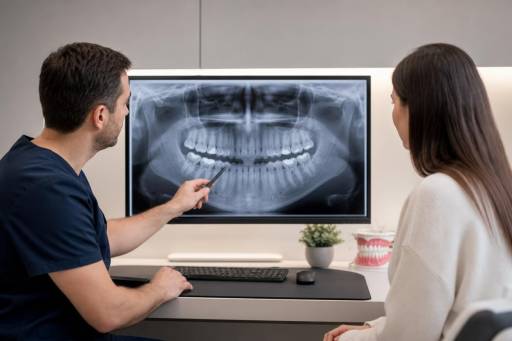
Dental implant placement is another common procedure. Surgeons prepare the jawbone with precision to accommodate titanium implants that serve as artificial tooth roots. This process may involve bone grafting or sinus lifts to ensure sufficient bone volume and stability. Advanced imaging technologies such as 3D CT scans assist in precise planning and placement, enhancing the likelihood of successful integration.
Corrective jaw surgery, or orthognathic surgery, involves repositioning the upper and/or lower jawbones to correct misalignment, improve bite function, and enhance facial aesthetics. These surgeries are typically performed under general anesthesia and require detailed preoperative planning using imaging and computer modeling to achieve accurate results while minimizing risks.
In cases of facial trauma, surgeons repair fractures by stabilizing bones with plates, screws, or wires to restore the facial skeleton’s integrity. Soft tissue repair is also essential to address lacerations, scarring, or nerve injuries. These procedures aim to restore both function and appearance.
Anesthesia options vary depending on the complexity and duration of the procedure. Local anesthesia with sedation may suffice for minor surgeries, while general anesthesia is reserved for more extensive interventions. Postoperative care is a critical component of treatment, focusing on effective pain management, infection prevention through antibiotics, and gradual return to normal activities. Surgeons provide detailed instructions to promote safe healing and monitor for any complications during recovery.
When to Consult an Oral and Maxillofacial Surgeon
Consulting an oral and maxillofacial surgeon is advisable when you experience symptoms that suggest underlying problems with your jaw, mouth, or facial structures. Persistent jaw pain, difficulty chewing or speaking, or noticeable facial swelling, especially following trauma, are important signs that warrant prompt evaluation. Early consultation allows for timely diagnosis and intervention, which can prevent worsening of the condition and improve outcomes.
If you have missing teeth and are considering dental implants, an oral and maxillofacial surgeon can assess your suitability for the procedure. Factors such as bone density, overall health, and oral hygiene influence candidacy. The surgeon will discuss the best surgical approach, potential risks, and expected recovery, helping you make an informed decision.
Impacted wisdom teeth that cause pain, infection, or damage to adjacent teeth often require surgical removal by a specialist. An oral and maxillofacial surgeon has the training to perform these extractions safely, minimizing complications and promoting faster healing.
Signs of jaw misalignment or bite problems, such as difficulty biting, chronic jaw discomfort, or changes in facial appearance, also indicate the need for specialist assessment. Your dentist or primary care provider can refer you to an oral and maxillofacial surgeon who will evaluate your condition and recommend appropriate treatment, which may include orthognathic surgery or other corrective procedures.
Prompt consultation with an oral and maxillofacial surgeon is especially critical in cases of facial trauma, where rapid intervention can prevent long-term functional impairment and aesthetic deformity. Early specialist involvement ensures comprehensive care and improves the likelihood of successful recovery.
Choosing the Right Surgeon for Your Oral and Maxillofacial Needs
Choosing the right oral and maxillofacial surgeon is a critical step in ensuring safe, effective, and satisfactory treatment outcomes for your oral and facial surgical needs. When selecting a surgeon, it is important to consider several key factors, starting with their credentials. Board certification by recognized surgical boards demonstrates that the surgeon has met rigorous standards of education, training, and professional competence.
Experience is another essential consideration. Surgeons who have performed a high volume of the specific procedure you require are generally more adept at anticipating and managing potential complications. You can inquire about the surgeon’s experience with your particular condition, including the number of similar cases they have handled and their success rates.
Patient feedback can provide valuable insights into the surgeon’s communication style, bedside manner, and overall patient satisfaction. Reviews and testimonials often highlight how well the surgeon listens to concerns, explains treatment options, and supports patients throughout the surgical process. A surgeon who takes the time to educate you and address your questions can make the experience less stressful and more reassuring.
Get Support From an Oral and Maxillofacial Surgeon
Answer a few short questions and HealthNode will help you connect with the right oral and maxillofacial surgery specialist.
Symptoms and Urgency
This helps us understand whether you may need routine surgical planning or a higher-priority review.
Previous Tests or Surgical Planning
A few details help the surgeon understand what has already been checked and what type of surgical care may be needed.
Health and Surgery Factors
These details help the specialist understand any factors that may affect surgery, anesthesia, or healing.
Contact information
Your information is only used to contact you and is never shared with third parties.
Your request has been received!
Thank you. If you have dental X-rays, panoramic X-ray, CBCT or 3D scan, CT or MRI, referral notes, pathology reports, implant records, previous surgery records, or photos of swelling or injury, please keep them ready. A HealthNode consultant will guide you through the next step.
Additional factors to consider include the surgeon’s affiliations with accredited hospitals or surgical centers, which reflect adherence to high standards of care and safety. It is also prudent to verify that the surgeon uses up-to-date techniques and technologies.
If you feel uncertain about a recommended treatment plan or want to explore alternative options, seeking a second opinion is a reasonable and encouraged step. Ultimately, selecting a surgeon with the right combination of qualifications, experience, and patient-centered approach helps ensure that your oral and maxillofacial surgical care is both safe and effective.
Frequently Asked Questions
Q: What types of conditions require oral and maxillofacial surgery?
A: Conditions such as impacted teeth, jaw misalignment, facial trauma, and cysts or tumors in the jaw often require oral and maxillofacial surgery. These surgeons also handle dental implant placement and corrective jaw procedures to restore function and appearance.
Q: How long is the recovery period after oral and maxillofacial surgery?
A: Recovery time varies depending on the procedure but generally ranges from a few days for simple extractions to several weeks for complex jaw surgeries. Following your surgeon’s postoperative care instructions helps promote healing and reduce complications.
Q: Are oral and maxillofacial surgeries painful?
A: Pain levels differ by procedure and individual tolerance. Surgeons use anesthesia during surgery and prescribe pain management strategies afterward to keep discomfort manageable. Most patients experience some swelling and soreness which improve within days to weeks.
Q: What risks are associated with oral and maxillofacial surgery?
A: Risks can include infection, bleeding, nerve injury, and complications related to anesthesia. Choosing an experienced surgeon and following pre- and post-surgery instructions carefully helps minimize these risks.
Q: How much does oral and maxillofacial surgery typically cost?
A: Costs vary widely based on the procedure complexity, location, and surgeon’s fees. Insurance coverage also differs, so it’s best to consult your healthcare provider for specific cost information and financing options.
The information provided is for educational purposes only and does not constitute medical advice. Always consult with a healthcare professional for medical guidance specific to your situation.