Quick Answer
Impacted wisdom teeth are no longer removed routinely in the UK because updated guidelines recommend individualized assessment and monitoring, reserving surgery only for cases with clear symptoms or complications to minimize unnecessary surgical risks.
- Routine removal of asymptomatic impacted wisdom teeth has declined due to evidence showing many remain trouble-free without causing problems.
- Surgical removal carries risks such as infection, nerve injury, and prolonged recovery, which are carefully weighed against benefits.
- UK guidelines, including those from NICE, advise against prophylactic extraction and promote patient-centered, evidence-based care.
- Dentists assess factors like tooth position, symptoms, and potential risks before recommending removal.
- Regular monitoring and advanced imaging techniques enable timely intervention if problems develop, avoiding unnecessary surgery.
- Shared decision-making between patients and clinicians is emphasized to align treatment with patient preferences and safety.
- Future trends include improved imaging, minimally invasive surgery, and AI to personalize and enhance wisdom teeth management.
Why Are Impacted Wisdom Teeth Not Removed Routinely in the UK Anymore?
In the UK, the management of impacted wisdom teeth has undergone a significant transformation, moving away from routine removal as a standard practice toward a more individualized and cautious approach. This change is grounded in updated clinical guidelines and a growing emphasis on evaluating each patient’s specific risk factors before recommending surgical intervention. The contemporary strategy prioritizes careful monitoring and intervention only when clear symptoms or complications arise, rather than preemptive extraction.
Historically, the removal of wisdom teeth, especially those that were impacted, was a common preventive measure aimed at avoiding potential future issues such as pain, infections, cyst development, and damage to adjacent teeth. Many young people underwent extraction during their late teens or early twenties as a routine part of dental care. However, accumulating evidence has demonstrated that routine extraction can expose patients to unnecessary surgical risks without guaranteed benefits, as many impacted wisdom teeth remain symptom-free and stable.
This evolving understanding has led to a more cautious and evidence-based approach that focuses on optimizing patient safety and minimizing overtreatment. Dentists now carefully assess the individual clinical scenario, considering factors such as tooth position, symptom presence, and potential risks before recommending removal.
Get Support From an Oral and Maxillofacial Surgeon
Answer a few short questions and HealthNode will help you connect with the right oral and maxillofacial surgery specialist.
Symptoms and Urgency
This helps us understand whether you may need routine surgical planning or a higher-priority review.
Previous Tests or Surgical Planning
A few details help the surgeon understand what has already been checked and what type of surgical care may be needed.
Health and Surgery Factors
These details help the specialist understand any factors that may affect surgery, anesthesia, or healing.
Contact information
Your information is only used to contact you and is never shared with third parties.
Your request has been received!
Thank you. If you have dental X-rays, panoramic X-ray, CBCT or 3D scan, CT or MRI, referral notes, pathology reports, implant records, previous surgery records, or photos of swelling or injury, please keep them ready. A HealthNode consultant will guide you through the next step.
If you have impacted wisdom teeth, it is important to understand why your dentist might suggest observation rather than immediate surgery. This article explores the evolution of wisdom teeth management in the UK, examines the risks and benefits of removal, and provides guidance on how decisions are made in modern dental care to ensure the best outcomes for patients.
Historical Practices and Current Guidelines on Wisdom Teeth Removal
Historically, dental practice in the UK commonly advocated for the routine removal of impacted wisdom teeth as a preventive measure. The rationale was to avoid potential future problems such as pain, infections, cyst formation, and damage to adjacent teeth. Many young adults underwent extraction of their wisdom teeth during late adolescence or early adulthood, often as a standard part of dental care regardless of symptom presence.
Over time, however, research began to challenge this approach. Studies revealed that a significant proportion of impacted wisdom teeth remain asymptomatic and do not cause complications throughout a person’s life. Furthermore, the risks associated with surgical removal, including infection, nerve injury, bleeding, and prolonged recovery, were increasingly recognized as important considerations.
In response to this growing evidence, professional dental organizations and NHS policies revised their recommendations. The National Institute for Health and Care Excellence (NICE), for example, issued guidelines advising against the routine prophylactic removal of asymptomatic impacted wisdom teeth. Instead, they recommend that extraction be reserved for cases with clear clinical indications such as pain, infection, or damage to nearby teeth.
This evolution reflects a broader shift toward evidence-based, patient-centered care that balances potential benefits against risks. It also emphasizes the importance of informed consent and shared decision-making between patients and clinicians. Current UK guidelines encourage regular monitoring and individualized assessment, reserving surgery for situations where the benefits clearly outweigh the risks, thereby optimizing patient outcomes and resource use.
Risks and Benefits of Removing Impacted Wisdom Teeth
Removing impacted wisdom teeth offers several important benefits, particularly when these teeth cause pain, infection, or threaten the health of adjacent teeth. Extraction can relieve discomfort, resolve infections such as pericoronitis, and prevent further complications like cyst or tumour formation around the impacted tooth. In some cases, removal is necessary to create space for orthodontic treatment or to address damage to neighbouring teeth caused by pressure or decay.
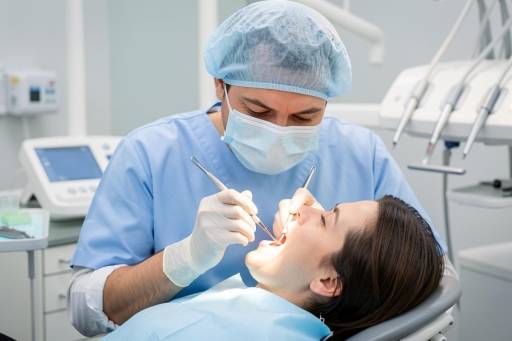
However, wisdom tooth extraction is a surgical procedure that carries inherent risks and potential complications. Common postoperative issues include swelling, bruising, bleeding, and pain, which typically resolve within a few days to weeks. Infection at the surgical site is also possible and may require additional treatment.
More serious but less frequent complications involve nerve injury, particularly to the inferior alveolar nerve or lingual nerve, which can lead to temporary or, rarely, permanent numbness, tingling, or altered sensation in the lower lip, chin, or tongue. Such outcomes, while uncommon, can significantly affect quality of life and are carefully considered during treatment planning.
Recovery from wisdom tooth removal varies among individuals but generally involves a period of rest and modified activities to support healing. Patients may experience difficulty eating, speaking, or opening their mouths fully during the initial days post-surgery.
Because not all impacted wisdom teeth cause problems, dental professionals carefully weigh the benefits of removal against the risks for each patient. When teeth are asymptomatic and stable, conservative management with regular monitoring is often preferred to avoid unnecessary surgery and its associated complications. This balanced, evidence-based approach prioritizes patient safety and well-being, aiming to preserve oral health while minimizing avoidable interventions.
Why Routine Removal Is Less Common Now in the UK
The decline in routine removal of impacted wisdom teeth in the UK reflects a significant shift in dental practice driven by evolving scientific evidence and updated clinical guidelines that emphasize risk-based, individualized decision-making. Historically, prophylactic extraction of wisdom teeth was common, often performed to prevent potential future problems before symptoms appeared. However, accumulating research has shown that many asymptomatic impacted wisdom teeth remain trouble-free throughout a person’s life, making routine removal unnecessary and potentially harmful.
Dentists now prioritize thorough assessment of each patient’s unique situation, considering factors such as the position of the wisdom teeth, the presence of symptoms or pathology, and the patient’s overall oral health. Surgery is recommended only when there are clear clinical indications, such as pain, infection, cyst formation, or damage to adjacent teeth. This approach reduces the risk of exposing patients to the inherent complications of surgery when no immediate benefit is expected.
This shift also aligns with the broader movement toward patient-centered care, where patients are fully informed about the potential risks and benefits of treatment options. Shared decision-making ensures that patients’ values, concerns, and preferences are integral to the management plan. Updated UK dental policies and guidelines, including those from the National Institute for Health and Care Excellence (NICE), explicitly discourage prophylactic removal of asymptomatic wisdom teeth to minimize unnecessary interventions.
Advances in diagnostic imaging and monitoring techniques enable dentists to keep impacted wisdom teeth under close observation. Regular check-ups and imaging allow timely detection of any changes or emerging problems, facilitating prompt intervention if needed. This watchful waiting strategy helps minimize surgical risks and supports better long-term oral health outcomes by tailoring care to the individual’s evolving needs.
What Patients Should Know About Impacted Wisdom Teeth Today
If you have impacted wisdom teeth, it is important to understand when to seek dental advice and what to expect during evaluation and management. Impacted wisdom teeth may remain symptom-free for years, but certain signs indicate the need for professional assessment. These include persistent pain or discomfort in the back of the mouth, swelling or redness around the wisdom tooth area, a bad taste or unpleasant odor that may suggest infection, difficulty opening your mouth fully, or recurrent infections such as pericoronitis.
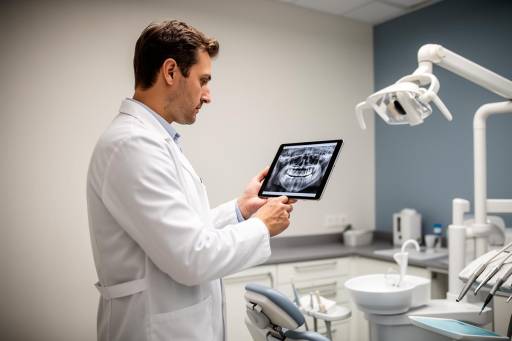
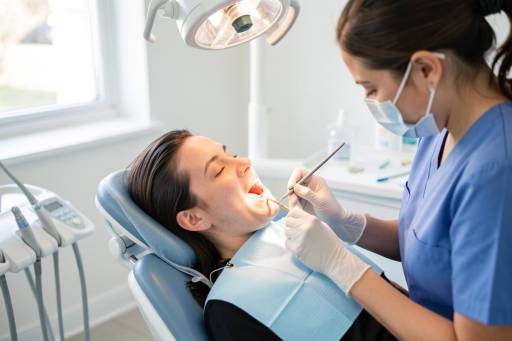
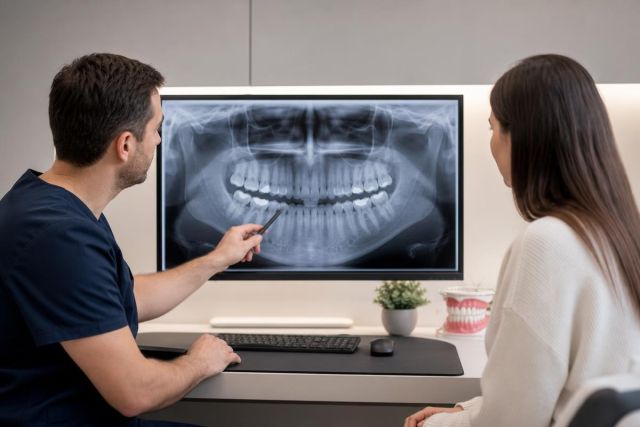
When you visit your dentist, they will perform a thorough clinical examination and may use imaging techniques like panoramic X-rays or 3D scans to assess the position of your wisdom teeth and their relationship to surrounding structures. The dentist will consider factors such as whether the tooth is partially erupted or fully impacted, the risk of damage to adjacent teeth, and your overall oral health status.
Decisions about whether to remove the wisdom teeth or monitor them over time are made collaboratively between you and your dental care team. Your dentist will explain the potential risks and benefits of each option, taking into account your personal preferences, lifestyle, and any medical conditions. Personalized care plans mean that immediate surgery is not always necessary; in many cases, regular monitoring with periodic check-ups and imaging is sufficient to ensure that any changes are detected early.
Being informed and engaged in your care empowers you to make the best choices for your oral health. If symptoms develop or the risk profile changes, your dentist can recommend timely intervention. Maintaining good oral hygiene and attending scheduled dental visits are essential components of managing impacted wisdom teeth effectively.
Future Trends in Wisdom Teeth Management in the UK
Looking ahead, the management of wisdom teeth in the UK is poised to benefit significantly from ongoing research and technological advancements that enhance diagnostic accuracy and treatment safety. One promising development is the increased use of advanced imaging techniques, such as 3D cone beam computed tomography (CBCT) scans. These provide high-resolution, three-dimensional views of the jaw and teeth, allowing dentists to evaluate the precise position of wisdom teeth and assess potential risks to adjacent structures like nerves and sinuses. This detailed imaging supports more accurate treatment planning and can help avoid complications during surgery.
In addition to imaging, minimally invasive surgical methods are being refined to reduce tissue trauma, postoperative pain, and recovery time. Techniques such as piezosurgery, which uses ultrasonic vibrations to cut bone without damaging soft tissues, may become more widespread. Alongside surgical advances, enhanced pain management protocols, including improved local anesthetics and multimodal analgesia, aim to make the removal process more comfortable and reduce reliance on opioids.
Artificial intelligence (AI) is also emerging as a valuable tool in dentistry. AI algorithms could analyze patient data and imaging to predict which impacted wisdom teeth are most likely to cause future problems, enabling a more personalized approach to treatment. This predictive capability supports shared decision-making between patients and clinicians by providing evidence-based risk assessments.
Get Support From an Oral and Maxillofacial Surgeon
Answer a few short questions and HealthNode will help you connect with the right oral and maxillofacial surgery specialist.
Symptoms and Urgency
This helps us understand whether you may need routine surgical planning or a higher-priority review.
Previous Tests or Surgical Planning
A few details help the surgeon understand what has already been checked and what type of surgical care may be needed.
Health and Surgery Factors
These details help the specialist understand any factors that may affect surgery, anesthesia, or healing.
Contact information
Your information is only used to contact you and is never shared with third parties.
Your request has been received!
Thank you. If you have dental X-rays, panoramic X-ray, CBCT or 3D scan, CT or MRI, referral notes, pathology reports, implant records, previous surgery records, or photos of swelling or injury, please keep them ready. A HealthNode consultant will guide you through the next step.
Overall, these innovations promise to deliver safer, more effective, and individualized care tailored to each patient’s unique anatomy and health profile. As new evidence continues to emerge, dental professionals in the UK will likely maintain a strong focus on balancing the benefits and risks of intervention while respecting patient preferences and promoting informed consent. This evolving landscape underscores the importance of ongoing education and adaptation in wisdom teeth management to optimize patient outcomes.
Frequently Asked Questions
Q: When should impacted wisdom teeth be removed in the UK?
A: Impacted wisdom teeth should be removed if they cause pain, infection, damage to nearby teeth, or develop cysts. Dentists assess these signs through exams and imaging before recommending surgery.
Q: What are common risks of wisdom teeth removal?
A: Common risks include swelling, bleeding, infection, and temporary numbness. Serious complications like permanent nerve damage are rare but possible. Careful evaluation helps minimize these risks.
Q: Can impacted wisdom teeth be safely monitored without removal?
A: Yes, many impacted wisdom teeth remain symptom-free and can be monitored with regular dental check-ups. Monitoring allows timely intervention if problems arise, avoiding unnecessary surgery.
Q: How do UK dentists decide on wisdom teeth removal?
A: UK dentists follow guidelines emphasizing symptom presence and risk assessment. They consider patient health, tooth position, and potential complications, making decisions collaboratively with patients.
Q: Will future dental technology change wisdom teeth treatment?
A: Emerging technologies like advanced imaging and AI may improve diagnosis and personalize care. Minimally invasive surgery and better pain control will also enhance safety when removal is needed.
The information provided is for educational purposes only and does not constitute medical advice. Always consult with a healthcare professional for medical guidance specific to your situation.
References
- https://leaflets.ekhuft.nhs.uk/removal-of-impacted-wisdom-teeth/html/
- https://www.ncbi.nlm.nih.gov/books/NBK279590/
- https://www.gloshospitals.nhs.uk/your-visit/patient-information-leaflets/advice-patients-having-wisdom-teeth-removed/
- https://www.cuh.nhs.uk/patient-information/patient-information-and-consent-to-surgical-removal-of-impacted-wisdom-teeth/