Quick Answer
Orthodontic treatment length is estimated through a detailed assessment of dental misalignment severity, patient age, appliance type, and biological response, allowing orthodontists to create a personalized treatment timeline. This estimate is refined throughout treatment based on progress and patient compliance.
- Treatment length depends on the severity of dental misalignment, patient age, and type of orthodontic appliances used.
- Orthodontists use examinations, imaging, and patient history to form a personalized treatment plan and timeline.
- Younger patients typically experience faster treatment due to more adaptable bone structures compared to adults.
- Patient compliance, oral hygiene, and biological response significantly influence treatment progress and duration.
- Regular monitoring and communication with the orthodontist help adjust treatment timelines as needed.
- Common myths include that treatment duration is the same for everyone and that clear aligners always work faster than braces.
- Following orthodontist instructions and maintaining good oral hygiene can help optimize treatment length and outcomes.
How Is Treatment Length Estimated in Orthodontics?
Orthodontic treatment length is estimated based on several clinical factors including the severity of dental misalignment, patient age, and the type of appliances used. Orthodontists use a detailed assessment process involving examinations, imaging, and patient history to form a personalized treatment timeline. This initial estimate helps set realistic expectations for patients regarding the duration of braces or aligner therapy, which can vary significantly from person to person.
Understanding how treatment length is determined can help you better prepare and engage in your orthodontic care. Each case is unique, so the timeline may vary depending on your specific dental needs, the complexity of tooth movements required, and how your teeth and supporting structures respond biologically to treatment. Factors such as bone density, gum health, and patient compliance also influence progress.
By knowing the factors and process behind these estimates, you can approach your orthodontic journey with confidence and clarity. This knowledge empowers you to actively participate in your care, follow instructions, and maintain good oral hygiene, all of which contribute to an efficient treatment experience.
Find the Right Orthodontic Treatment for Your Smile
Answer a few short questions and HealthNode will help you connect with the right orthodontist for braces, clear aligners, or bite correction.
Treatment Preferences
This helps us understand which orthodontic option may fit your lifestyle and expectations.
Dental and Bite Details
A few details help the orthodontist understand whether you may need simple alignment, bite correction, or a more detailed treatment plan.
Contact information
Your information is only used to contact you and is never shared with third parties.
Your request has been received!
Thank you. If you have recent dental photos, dental X-rays, panoramic X-ray, cephalometric X-ray, intraoral scan, previous braces or aligner records, retainer records, or orthodontic treatment plans, please keep them ready. A HealthNode consultant will guide you through the next step.
Since treatment duration influences your daily life and planning, affecting everything from dietary choices to social activities, it’s important to have open communication with your orthodontist. They can provide tailored guidance, adjust your treatment plan as needed, and help manage your expectations to ensure your goals are met efficiently and safely throughout the course of your orthodontic care.
Key Factors That Determine How Long Orthodontic Treatment Takes
Several critical factors affect how long orthodontic treatment will take, and understanding these can help you set realistic expectations. The severity and complexity of your dental misalignment play a central role. More severe crowding, spacing, or bite issues often require longer treatment times because teeth need to move greater distances or in more controlled patterns to achieve proper alignment and function.
Age is another important consideration. Younger patients typically experience faster treatment because their bones are still growing and more adaptable, allowing teeth to move more readily. Adults may require more time for similar corrections since their bone remodeling process is slower, and they may have additional dental concerns such as gum disease or previous dental work that can influence treatment.
The type of orthodontic appliances you use also affects duration. Traditional metal braces, ceramic braces, and clear aligners apply forces differently and may have varying speeds of tooth movement. For example, braces can be more effective for complex movements, while aligners offer convenience but might require longer treatment for certain cases. Your orthodontist will choose the most appropriate device based on your condition, lifestyle preferences, and treatment goals.
Other factors include your oral hygiene, compliance with instructions (such as wearing elastics or aligners as prescribed), and biological response to treatment. Poor oral hygiene can lead to inflammation or decay, which may necessitate pauses in treatment. Similarly, inconsistent appliance use can delay progress. All these elements combine to shape a personalized timeline that your orthodontist will discuss with you during treatment planning, helping you understand what to expect and how to contribute to a successful outcome.
Detailed Steps Orthodontists Use to Calculate Treatment Time
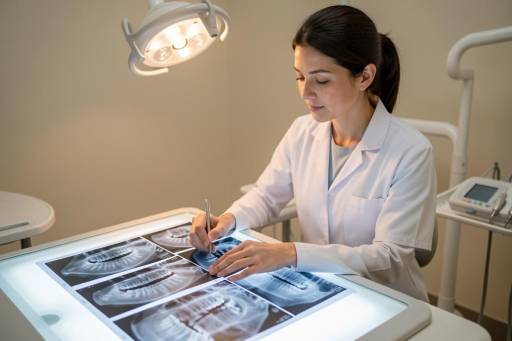
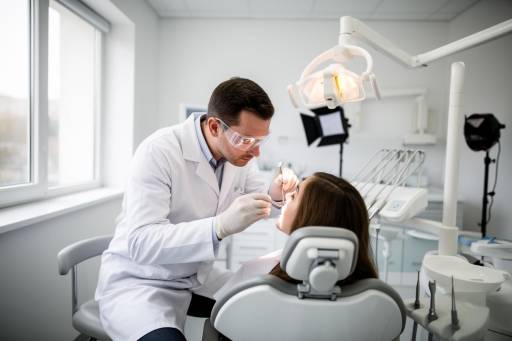
Estimating orthodontic treatment length begins with a comprehensive initial examination. Your orthodontist will review your dental history, perform a clinical evaluation, and take detailed photographs and dental impressions or digital scans. These records provide a baseline understanding of your current dental alignment and structural considerations.
Advanced dental imaging, such as X-rays or 3D cone-beam computed tomography (CBCT) scans, allows your orthodontist to assess tooth position, root alignment, jaw relationships, and bone density. This imaging is critical for understanding the full scope of your orthodontic needs and identifying any underlying issues that may impact treatment duration.
Using this information, the orthodontist formulates a detailed treatment plan that outlines the specific tooth movements needed and the sequence of adjustments. They estimate how long each phase will take based on clinical experience, evidence-based protocols, and your unique dental anatomy. The plan also considers the type of appliances to be used and any adjunctive procedures required.
Throughout treatment, progress is monitored closely through regular appointments and updated imaging as needed. Timelines are adjusted if necessary to reflect your biological response, compliance with instructions, and any unforeseen challenges. This dynamic, personalized approach helps keep your treatment on track and aligned with your goals, while prioritizing safety and long-term stability.
Common Myths and Realities About Orthodontic Treatment Duration
Misconceptions about orthodontic treatment length can lead to unrealistic expectations and frustration. One common myth is that treatment duration is the same for everyone. In reality, individual differences in dental issues, biological response, and lifestyle factors mean timelines vary widely. Some patients may complete treatment faster, while others require more time depending on the complexity of their case.
Another myth is that clear aligners always work faster than traditional braces. While aligners can be effective for mild to moderate cases, braces may be more efficient for complex movements or significant bite corrections. The choice between aligners and braces depends on your specific orthodontic needs, and your orthodontist will recommend the best option based on clinical evaluation.
Some believe that treatment can be rushed without consequences. However, accelerating tooth movement excessively can risk root damage, bone loss, or relapse after treatment. Orthodontic care balances efficiency with safety to ensure lasting results and maintain oral health. Attempting to shorten treatment beyond recommended protocols can compromise outcomes.
Setting realistic expectations with your orthodontist and understanding these truths will help you stay patient and motivated throughout your treatment journey. Being informed about what influences treatment duration empowers you to actively participate in your care and avoid disappointment.
Tips for Patients to Help Optimize Their Orthodontic Treatment Timeline
You play an important role in how smoothly and quickly your orthodontic treatment progresses. Maintaining good oral hygiene is essential since inflammation or infection can delay tooth movement and lengthen treatment. Brushing and flossing regularly, especially around your braces or aligners, helps prevent plaque buildup and gum disease, which can complicate treatment. Using recommended oral care products, such as fluoride toothpaste or interdental brushes, can further support your oral health during this time.
Following your orthodontist’s instructions carefully, such as wearing elastics as directed or attending all scheduled appointments, helps keep your treatment on track. Elastics and other appliances are designed to apply specific forces at the right times, so inconsistent use can slow progress or cause unwanted tooth movement. Skipping visits or not complying with your orthodontist’s guidance can cause setbacks, potentially extending your overall treatment time.
Avoiding habits that interfere with orthodontic appliances, like chewing hard foods, biting nails, or using your teeth as tools, protects your braces or aligners and prevents damage that could prolong treatment. Broken brackets or lost aligners require additional appointments and repairs, which can delay your progress.
Communicating openly with your orthodontist about any concerns or discomfort ensures problems are addressed early, minimizing delays. If you experience pain, appliance issues, or notice changes in your teeth, reporting these promptly allows your orthodontist to make timely adjustments. By actively participating in your care and following these practical tips, you support an efficient and successful treatment experience, helping you achieve your desired results within the expected timeframe.
When to Discuss Treatment Duration Concerns with Your Orthodontist
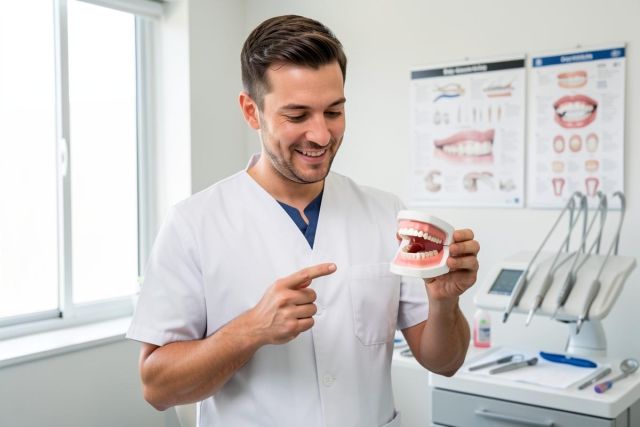
It’s natural to have questions or concerns about how long your orthodontic treatment will take, especially as you progress through different stages. Bringing up these concerns is best done during regular appointments, where your orthodontist can assess your progress, evaluate your oral health, and provide updated timelines based on your individual response to treatment.
If you notice unexpected changes, such as increased discomfort, appliance breakage, or issues with fit, reach out promptly rather than waiting for your next scheduled visit. Early communication allows your orthodontist to address problems before they affect overall treatment length or lead to complications.
Don’t hesitate to ask about how your individual factors, such as age, oral hygiene, or compliance, may influence your timeline or discuss any options for accelerating treatment safely, such as adjunctive therapies or alternative appliances. A transparent and trusting relationship with your provider helps ensure your expectations align with clinical realities and that you feel supported throughout your orthodontic journey.
Find the Right Orthodontic Treatment for Your Smile
Answer a few short questions and HealthNode will help you connect with the right orthodontist for braces, clear aligners, or bite correction.
Treatment Preferences
This helps us understand which orthodontic option may fit your lifestyle and expectations.
Dental and Bite Details
A few details help the orthodontist understand whether you may need simple alignment, bite correction, or a more detailed treatment plan.
Contact information
Your information is only used to contact you and is never shared with third parties.
Your request has been received!
Thank you. If you have recent dental photos, dental X-rays, panoramic X-ray, cephalometric X-ray, intraoral scan, previous braces or aligner records, retainer records, or orthodontic treatment plans, please keep them ready. A HealthNode consultant will guide you through the next step.
Remember that treatment duration estimates are just that, estimates. They can change based on your unique biological response, lifestyle habits, and how well you follow instructions. Maintaining ongoing dialogue with your orthodontist is key to feeling informed, confident, and engaged as you work toward your treatment goals.
Frequently Asked Questions
Q: How accurate are orthodontic treatment length estimates?
A: Estimates are based on thorough initial assessments and clinical experience. While they provide a useful general timeline, individual biological responses and compliance can cause variation. Your orthodontist will update you as treatment progresses.
Q: Can treatment time be shortened?
A: Some factors like the severity of dental issues are fixed, but following your orthodontist’s instructions and maintaining excellent oral hygiene can optimize treatment duration. Avoiding habits that damage appliances also helps keep your timeline on track.
Q: What if my treatment takes longer than expected?
A: Delays can happen for reasons such as biological variability or appliance issues. Discuss any concerns with your orthodontist to understand the causes. They may adjust your plan to address delays and keep treatment moving forward.
Q: Are there faster orthodontic options?
A: Accelerated orthodontic techniques exist, but they are not suitable for everyone. Discuss these options with your orthodontist to see if they fit your case and goals. Safety and long-term stability remain top priorities.
Q: Does age affect treatment length?
A: Younger patients often experience faster treatment due to greater bone adaptability. However, successful orthodontic care is possible at any age. Your orthodontist will tailor your treatment plan accordingly.
The information provided is for educational purposes only and does not constitute medical advice. Always consult with a healthcare professional for medical guidance specific to your situation.