What Results Can Orthodontic Treatment Achieve?
Discover the results orthodontic treatment can achieve, from improved dental alignment to enhanced confidence and oral health.
Understand expected orthodontic results, possible treatment risks, retainer use, oral care, and long-term follow-up after braces or clear aligners.

Discover the results orthodontic treatment can achieve, from improved dental alignment to enhanced confidence and oral health.

Learn how orthodontic treatment results can last a lifetime with proper maintenance, retainers, and good dental health practices.
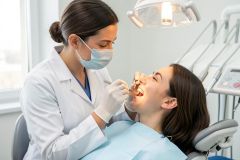
Learn how orthodontic treatment affects tooth stability and what to expect during braces or aligners. Stay informed for healthy teeth.
Get a free consultation and talk through symptoms, treatment options, and possible care paths with our coordination team.
Get Free Consultation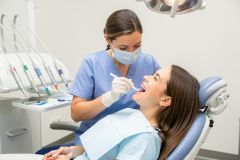
Explore how braces can affect tooth decay risk and learn effective prevention tips for maintaining dental health during orthodontic treatment.
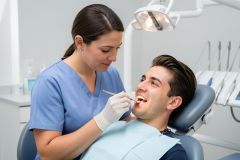
Learn why teeth can move back after orthodontic treatment, what causes it, and how to maintain your smile with expert tips for lasting results.
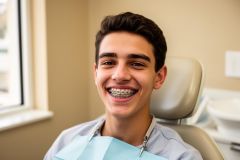
Learn key signs of a successful orthodontic result including alignment, bite correction, and patient satisfaction for lasting smiles.
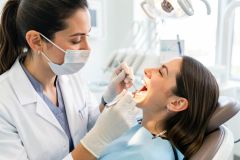
Orthodontic treatment can effectively improve bite function, enhancing dental health and jaw alignment for better oral well-being.
Orthodontic treatment can improve tooth alignment, bite relationships, smile appearance, and oral function. Depending on the patient’s condition, treatment may reduce crowding, close gaps, align rotated teeth, correct protrusion, and improve the relationship between the upper and lower teeth.
The final result depends on the original diagnosis, treatment plan, appliance type, biological response, patient cooperation, and consistency of follow-up care. More complex bite or jaw problems may require longer treatment and may not be fully corrected with braces or aligners alone.
Patients should have realistic expectations. Orthodontic treatment can improve dental alignment, but it may not completely change facial shape or correct major skeletal differences without surgery. Tooth shape, gum position, missing teeth, and existing dental restorations can also influence the final appearance.
Temporary discomfort is common after braces are fitted, wires are adjusted, or a new aligner is started. Patients may experience pressure, tenderness while chewing, irritation of the lips or cheeks, or minor speech changes. These effects usually improve as the mouth adapts.
Fixed braces can make oral hygiene more difficult. Plaque can accumulate around brackets and wires, increasing the risk of tooth decay, white spot lesions, gum inflammation, and bad breath. Patients must brush carefully and use interdental brushes, flossing aids, or other recommended cleaning tools.
Clear aligners are removable, which can make brushing easier, but poor hygiene can still cause problems. Teeth should be cleaned before the aligners are replaced after meals, and the trays should be cleaned according to professional instructions.
One possible orthodontic complication is root resorption, in which the roots of the teeth become shorter during movement. Mild root changes may occur without affecting tooth function, while significant resorption is less common. The orthodontist may use X-rays to monitor patients who have a higher risk.
Gum recession, loss of bone support, tooth sensitivity, or tooth vitality changes may also occur. Patients with existing gum disease require careful periodontal assessment before and during treatment.
Orthodontic appliances can break or become damaged. Brackets may detach, wires may move, and aligners may crack or become lost. These problems can delay treatment and may require an urgent appointment.
Clear aligner treatment can become less predictable if the trays are not worn consistently or if the teeth do not move according to plan. Additional refinement aligners may be needed.
After active treatment, retainers are used to maintain the new tooth positions. Teeth naturally tend to shift because of periodontal fibers, bite forces, growth, aging, and changes in the surrounding tissues. Retainers may be removable, fixed behind the teeth, or used in combination.
Patients are often instructed to wear removable retainers full-time initially and then continue at night. The exact schedule depends on the orthodontist’s recommendation. Long-term or lifelong nighttime use may be advised.
Fixed retainers require careful cleaning because plaque and tartar can accumulate around the wire. They should be checked regularly for loosening or breakage.
For patients who received orthodontic treatment abroad, retention and follow-up should be planned before returning home. The overseas clinic should provide details about the retainer type, wear schedule, cleaning instructions, and replacement process.
Patients should also identify a local dentist or orthodontist who can monitor gum health, check retainers, and respond to problems. Some professionals may charge separate fees for managing retainers produced by another clinic.
Orthodontic results can remain stable for many years, but no treatment can guarantee that teeth will never move. Failure to wear retainers is one of the most common causes of relapse.
Long-term success requires good oral hygiene, regular dental examinations, professional cleaning, appropriate retainer use, and monitoring of wisdom teeth, gum health, and bite changes.
International patients should receive copies of their final photographs, scans, X-rays, treatment records, and retainer instructions. Clear communication between the treating clinic and the patient’s local dental provider can make long-term aftercare safer and more effective.