What Are Fixed Orthodontic Appliances?
Learn about fixed orthodontic appliances, their types, functions, and care tips for effective teeth alignment and orthodontic treatment.
Explore different orthodontic treatment options, including traditional braces, ceramic braces, lingual braces, clear aligners, and other appliances used to improve dental alignment and bite function.
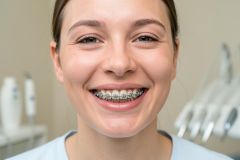
Learn about fixed orthodontic appliances, their types, functions, and care tips for effective teeth alignment and orthodontic treatment.

Learn about palatal expanders, orthodontic devices that widen the palate to improve dental alignment and facial structure. Explore treatment abroad options.

Explore removable orthodontic appliances, their types, treatment process, benefits, and how they help improve dental alignment effectively.
Get a free consultation and talk through symptoms, treatment options, and possible care paths with our coordination team.
Get Free Consultation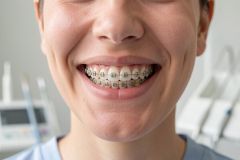
Explore ceramic braces as an aesthetic orthodontic option, their benefits, treatment process, and suitability for adults and teens.

Explore the common types of orthodontic treatments including braces and clear aligners to find the best dental correction option for you.

Explore how functional orthodontic appliances improve dental health and jaw alignment with types, benefits, and treatment insights.
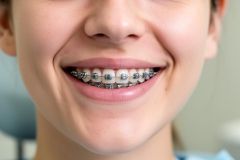
Explore self-ligating braces, how they work, benefits, and treatment expectations to decide if they're the right orthodontic choice for you.

Learn about lingual braces, a discreet orthodontic option that straightens teeth from behind. Discover benefits, treatment steps, and international options.

Explore traditional metal braces, their benefits, treatment process, care tips, and how they compare to other orthodontic options for effective teeth straightening.
Orthodontic treatments are designed to correct the position of the teeth and jaws, improve bite relationships, support oral function, and create a more balanced smile. Treatment may be recommended for crowded teeth, gaps, rotated teeth, protruding teeth, overbite, underbite, crossbite, open bite, or other alignment problems.
The most appropriate type of orthodontic treatment depends on the patient’s age, diagnosis, treatment goals, lifestyle, dental health, and the complexity of tooth or jaw movement required. While some patients may be suitable for removable clear aligners, others may need fixed braces, jaw-expansion appliances, temporary anchorage devices, or combined orthodontic and surgical treatment.
Traditional metal braces remain one of the most widely used orthodontic options. They consist of brackets attached to the teeth and connected with wires that apply controlled pressure over time. Metal braces can be used for both simple and complex alignment problems and may be suitable for children, teenagers, and adults.
Ceramic braces work in a similar way but use tooth-colored or clear brackets that are less visible. They may appeal to adult patients who want a more discreet fixed treatment. However, ceramic brackets may require additional care and can be more expensive than conventional metal braces.
Lingual braces are attached to the inner surfaces of the teeth, making them difficult to see from the front. They can provide a discreet treatment option, but they are not suitable for every case. Lingual braces may initially affect speech, tongue comfort, and oral hygiene, and treatment usually requires a clinician with specific experience in this technique.
Clear aligners use a sequence of removable, transparent trays to move the teeth gradually. Patients normally change to a new set of aligners according to their treatment plan and must wear them for most of the day. Clear aligners can be convenient for eating, brushing, and social activities, but the success of treatment depends heavily on patient compliance.
Other orthodontic options include functional appliances, palatal expanders, retainers, space maintainers, and temporary anchorage devices. Some children may receive early orthodontic treatment to guide jaw growth or create space for developing permanent teeth. Adults with significant jaw discrepancies may require orthognathic surgery in addition to orthodontic treatment.
For international patients considering orthodontic treatment abroad, the type of appliance is especially important. Fixed braces usually require regular in-person adjustments, which may make long-distance treatment difficult unless the patient can stay in the treatment country or has coordinated follow-up care at home. Clear aligners may offer greater flexibility because several sets of trays can sometimes be provided in advance and certain follow-up appointments may be conducted remotely.
However, clear aligner treatment still requires professional monitoring. Attachments may loosen, trays may stop fitting correctly, and treatment progress may differ from the original digital plan. Patients should not assume that orthodontic treatment can be managed entirely online.
Before choosing an orthodontic clinic abroad, patients should ask which treatment options are available, who will perform the treatment, how frequently appointments are required, how emergencies will be managed, and whether a local orthodontist can continue care after the patient returns home. The clinic should also explain whether diagnostic imaging, retainers, replacement aligners, and post-treatment monitoring are included.
Choosing the right orthodontic treatment involves more than selecting the least visible or least expensive appliance. Accurate diagnosis, long-term monitoring, patient cooperation, and continuity of care are essential for achieving a functional and stable result.