Quick Answer
Self-ligating braces use a built-in clip or door mechanism to hold the archwire, reducing friction and potentially increasing comfort and efficiency compared to traditional braces. They can simplify maintenance and may require fewer adjustment visits, but suitability depends on individual dental needs.
- Self-ligating braces secure the archwire with an integrated clip, eliminating the need for elastic or metal ties. They reduce friction between the wire and brackets, allowing gentler tooth movement and potentially less discomfort. These braces often require fewer and shorter adjustment appointments due to their design. The absence of elastic ties reduces areas where food and plaque accumulate, improving oral hygiene during treatment. Self-ligating braces tend to be smaller and less noticeable than traditional brackets, offering aesthetic benefits. They are suitable for many patients but may not be ideal for complex cases requiring alternative treatments. Treatment duration typically ranges from 12 to 24 months, with adjustments every 6 to 10 weeks, and maintaining good oral hygiene is essential throughout the process.
What Are Self-Ligating Braces?
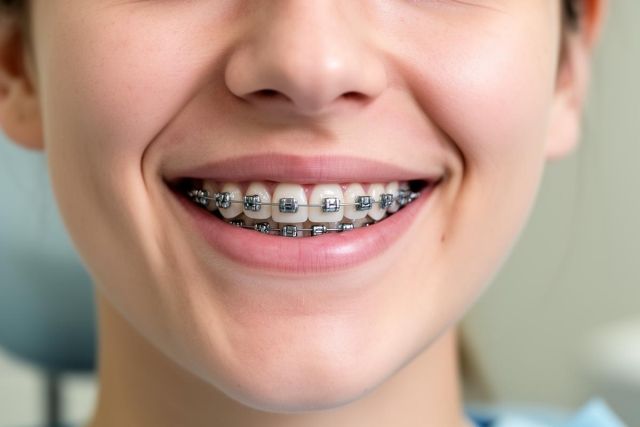
Self-ligating braces represent a modern advancement in orthodontic treatment, designed to improve the efficiency and comfort of tooth movement. Unlike traditional braces that rely on elastic or metal ties to hold the archwire in place, self-ligating braces use a specialized built-in clip or door mechanism integrated into each bracket. This mechanism secures the archwire directly, reducing friction between the wire and brackets, which often translates into a more comfortable experience for the patient and can contribute to shorter treatment times.
In addition to improving comfort and efficiency, self-ligating braces may simplify maintenance. Without elastic ties, there are fewer areas where food and plaque can accumulate, potentially making oral hygiene easier to manage during treatment. However, good oral care remains essential to prevent complications such as gum irritation or tooth decay.
For patients considering orthodontic treatment, especially those exploring options abroad, understanding the differences between self-ligating and traditional braces is important. The unique features of self-ligating braces offer benefits not only in comfort and hygiene but also in the overall treatment experience. Patients should weigh these advantages alongside factors such as treatment complexity, cost, and access to follow-up care to make an informed decision that aligns with their needs and lifestyle.
Find the Right Orthodontic Treatment for Your Smile
Answer a few short questions and HealthNode will help you connect with the right orthodontist for braces, clear aligners, or bite correction.
Treatment Preferences
This helps us understand which orthodontic option may fit your lifestyle and expectations.
Dental and Bite Details
A few details help the orthodontist understand whether you may need simple alignment, bite correction, or a more detailed treatment plan.
Contact information
Your information is only used to contact you and is never shared with third parties.
Your request has been received!
Thank you. If you have recent dental photos, dental X-rays, panoramic X-ray, cephalometric X-ray, intraoral scan, previous braces or aligner records, retainer records, or orthodontic treatment plans, please keep them ready. A HealthNode consultant will guide you through the next step.
How Self-Ligating Braces Improve Orthodontic Treatment
Self-ligating braces differ fundamentally from traditional braces in the way the archwire is attached to the brackets on your teeth. Traditional braces use elastic bands or metal ties to hold the archwire in place, which can create additional friction and resistance during tooth movement.
In contrast, self-ligating braces incorporate a built-in mechanism, such as a sliding door, clip, or spring-loaded gate, within each bracket that securely holds the archwire without the need for external ligatures. This innovative mechanism reduces friction between the wire and brackets, allowing teeth to move more freely and with less force. The decreased resistance means that orthodontic treatment can be gentler on your teeth and gums, potentially reducing discomfort and soreness during adjustments.
Because the wire is held firmly by the bracket’s clip, these braces often require fewer and shorter adjustment appointments, as the wire can slide more easily within the bracket to accommodate tooth movement. This can make the treatment process smoother and sometimes faster, though treatment length still depends on individual factors.
The absence of elastic ties reduces areas where food and plaque can accumulate, contributing to improved oral hygiene during treatment. The consistent and controlled pressure applied by self-ligating braces helps guide teeth into proper alignment efficiently.
Overall, self-ligating braces represent an advancement in orthodontic technology that enhances the traditional braces system by combining effective tooth movement with improved comfort and maintenance.
Advantages of Self-Ligating Braces Over Traditional Braces
Self-ligating braces offer several advantages over traditional braces that use elastic or metal ties to secure the archwire. One of the primary benefits is increased comfort. Because self-ligating braces reduce friction between the wire and brackets, the pressure applied to move teeth is gentler and more consistent, often resulting in less soreness and discomfort during and after adjustments. This can make the treatment experience more tolerable, especially for patients sensitive to pain.
Another significant advantage is the potential for shorter overall treatment times. The reduced resistance allows teeth to move more efficiently, which may accelerate alignment and bite correction in some cases. Additionally, self-ligating braces often require fewer and shorter orthodontic visits since the mechanism for securing the wire simplifies adjustments, reducing chair time and inconvenience for patients.
Hygiene is also improved with self-ligating braces. Traditional braces use elastic ties that can trap food particles and plaque, increasing the risk of gum irritation, inflammation, and tooth decay. The absence of these ties in self-ligating systems means there are fewer areas for debris to accumulate, making it easier to maintain oral cleanliness and contributing to better gum health throughout treatment.
Aesthetically, self-ligating brackets tend to be smaller and more streamlined than traditional brackets, making them less noticeable. Some patients prefer this sleeker appearance, which can enhance confidence during orthodontic treatment.
While these advantages make self-ligating braces an attractive option for many, it is important to remember that individual results vary. Treatment should be tailored to each patient’s unique dental needs and preferences. Consulting with an experienced orthodontist can help determine if self-ligating braces are the best choice for your specific case.
Are Self-Ligating Braces Suitable for Everyone?
Self-ligating braces are a versatile orthodontic option suitable for many patients, but they are not the ideal choice for every case. Their suitability depends on various factors including the patient’s age, the severity and complexity of dental misalignments, bite issues, and overall oral health.
These braces can benefit both teenagers and adults, as they are designed to accommodate a wide range of orthodontic needs. However, certain complex cases such as severe crowding, significant bite discrepancies, or jaw alignment problems may require alternative or additional treatments. These alternatives might include traditional braces, clear aligners, or even surgical interventions.
A thorough evaluation by a qualified orthodontist is essential to determine the best treatment approach. This assessment typically involves a clinical examination, diagnostic imaging, and sometimes digital scans to fully understand the dental and skeletal conditions. For patients considering treatment abroad, this evaluation is particularly important to ensure the chosen clinic can provide comprehensive care, including follow-up visits and emergency support.
Your orthodontist will also discuss your personal preferences, lifestyle considerations, and treatment expectations to tailor the plan to your unique situation. Understanding the potential benefits and limitations of self-ligating braces in your context allows you to make an informed decision.
Ultimately, professional guidance ensures that you receive the most effective and appropriate orthodontic care for optimal results and long-term oral health.
What to Expect During Your Treatment Journey with Self-Ligating Braces
The treatment journey with self-ligating braces begins with an initial consultation, during which your orthodontist conducts a comprehensive dental assessment. This evaluation includes examining your teeth, gums, and jaw alignment, often supplemented by X-rays or digital scans to create a precise treatment plan.
Once suitability is confirmed, impressions or digital scans of your teeth are taken to fabricate customized braces and archwires tailored to your dental anatomy. The placement of self-ligating braces involves attaching brackets to each tooth and securing the archwire using the integrated clips or sliding doors, eliminating the need for elastic ties. This design typically allows for gentler and more consistent pressure on the teeth.
Adjustments are usually scheduled every 6 to 10 weeks, which may be less frequent than traditional braces due to the reduced friction and efficient tooth movement. The total treatment duration generally ranges from 12 to 24 months, but this varies depending on the complexity of your case and how your teeth respond to treatment.
Throughout this period, maintaining excellent oral hygiene is crucial to prevent plaque buildup, gum inflammation, and other complications. Patients should avoid hard, sticky, or chewy foods that could damage the braces or cause discomfort. Regular brushing, flossing, and possibly the use of interdental brushes or water flossers are recommended to keep teeth and braces clean.
Your orthodontist will monitor your progress closely during follow-up visits, making necessary adjustments to the archwire and brackets to guide your teeth into their desired positions. While some discomfort or soreness after adjustments is normal, it is typically less intense with self-ligating braces due to the reduced force applied. Open communication with your orthodontist about any pain or concerns helps ensure a smooth and effective treatment experience.
Choosing the Right Orthodontist for Self-Ligating Braces Abroad
Selecting the right orthodontist is a critical step when pursuing self-ligating braces abroad, as the quality of care directly influences treatment outcomes and patient satisfaction. It is important to choose clinics staffed by board-certified orthodontists who have specialized training and experience with self-ligating braces. Certification ensures that the practitioner has met rigorous standards in orthodontic education and practice.
Beyond credentials, researching the clinic’s accreditation status and reading patient reviews can provide insight into the quality of care, professionalism, and patient experience. Many reputable clinics offer comprehensive initial consultations that cover detailed treatment planning, transparent cost estimates, and discussions about the entire treatment timeline, including follow-up visits.
Clear communication is especially vital when receiving treatment overseas. Language barriers can lead to misunderstandings about procedures, care instructions, or emergency protocols. Therefore, verifying that the clinic provides language support or translators in your preferred language can help ensure you feel comfortable and informed throughout your treatment journey.
Find the Right Orthodontic Treatment for Your Smile
Answer a few short questions and HealthNode will help you connect with the right orthodontist for braces, clear aligners, or bite correction.
Treatment Preferences
This helps us understand which orthodontic option may fit your lifestyle and expectations.
Dental and Bite Details
A few details help the orthodontist understand whether you may need simple alignment, bite correction, or a more detailed treatment plan.
Contact information
Your information is only used to contact you and is never shared with third parties.
Your request has been received!
Thank you. If you have recent dental photos, dental X-rays, panoramic X-ray, cephalometric X-ray, intraoral scan, previous braces or aligner records, retainer records, or orthodontic treatment plans, please keep them ready. A HealthNode consultant will guide you through the next step.
It is also important to consider the clinic’s location and accessibility, particularly if multiple follow-up appointments are required. Easy access to the clinic can reduce travel stress and facilitate timely adjustments or emergency care. Reliable aftercare and ongoing support are essential components of successful orthodontic treatment, so confirm that the clinic has protocols for managing complications or concerns remotely if you return home between visits.
Taking the time to thoroughly research and ask detailed questions about the clinic’s expertise, facilities, and patient care policies empowers you to select a provider that aligns with your expectations and orthodontic goals.
Frequently Asked Questions
Q: Are self-ligating braces more comfortable than traditional braces?
A: Many patients find self-ligating braces more comfortable due to their design which reduces friction and pressure on teeth.
Q: How long does treatment with self-ligating braces typically last?
A: Treatment duration varies but generally ranges from 12 to 24 months, depending on individual cases.
Q: Can I eat normally with self-ligating braces?
A: Patients are advised to avoid hard, sticky, or chewy foods to prevent damage, but normal eating is possible with proper care.
Q: Are there any risks or disadvantages associated with self-ligating braces?
A: While generally safe, some patients may experience longer treatment times or specific orthodontic issues; consulting with a professional is essential.
Q: Is it necessary to visit the orthodontist frequently during treatment?
A: Regular check-ups are important but may be less frequent than with traditional braces, depending on the treatment plan.
The information provided is for educational purposes only and does not constitute medical advice. Always consult with a healthcare professional for medical guidance specific to your situation.