Quick Answer
Orthodontics is a dental specialty focused on diagnosing, preventing, and treating dental and facial irregularities, primarily by correcting the alignment of teeth and jaws using appliances like braces and clear aligners. It improves both the function and appearance of the smile, contributing to better oral health and overall well-being.
- Orthodontics addresses malocclusion, which includes issues like overcrowding, overbites, underbites, crossbites, and spacing problems.
- Modern orthodontic treatments include traditional metal braces, clear aligners, ceramic braces, lingual braces, and additional devices like palatal expanders and retainers.
- Orthodontic care benefits individuals of all ages, with early evaluation recommended for children and growing popularity among adults.
- Properly aligned teeth improve oral hygiene by making cleaning easier and reducing the risk of cavities and gum disease.
- Correcting bite problems enhances chewing efficiency, speech clarity, and distributes bite forces evenly to prevent abnormal wear and TMJ disorders.
- Orthodontic treatment supports long-term dental health by stabilizing teeth and jaw function, preventing tooth loss and jawbone deterioration.
- Choosing a qualified, board-certified orthodontist with experience and modern technology is important for safe and effective treatment.
What Is Orthodontics?
Orthodontics is a specialized branch of dentistry dedicated to diagnosing, preventing, and treating dental and facial irregularities, primarily focusing on the alignment of teeth and jaws. This field utilizes various appliances such as braces, clear aligners, and other orthodontic devices to correct malocclusion, which refers to improper bites caused by misaligned teeth or jaws. Orthodontic care plays a crucial role not only in enhancing the appearance of your smile but also in improving overall oral function and long-term dental health.
The practice of orthodontics has evolved significantly over time, with its origins tracing back centuries to early attempts at tooth alignment. However, it was not until the 20th century that orthodontics gained a modern scientific foundation, supported by advances in dental materials, biomechanics, and diagnostic technologies. Today, orthodontic treatments are widely accessible and tailored to individuals of all ages, addressing a broad range of issues from overcrowded teeth to complex bite problems that can affect chewing, speech, and dental stability.
Understanding orthodontics is important because dental alignment impacts much more than just aesthetics. Misaligned teeth can create challenges in cleaning, leading to an increased risk of tooth decay, gum disease, and jaw discomfort. Malocclusion can also contribute to uneven wear of teeth and strain on the jaw joints and muscles. Orthodontic care aims to provide a healthier, more balanced bite and a confident smile, making it a valuable investment in your overall dental well-being and quality of life. By correcting alignment issues, orthodontics helps promote better oral hygiene, improved function, and enhanced self-esteem.
Find the Right Orthodontic Treatment for Your Smile
Answer a few short questions and HealthNode will help you connect with the right orthodontist for braces, clear aligners, or bite correction.
Treatment Preferences
This helps us understand which orthodontic option may fit your lifestyle and expectations.
Dental and Bite Details
A few details help the orthodontist understand whether you may need simple alignment, bite correction, or a more detailed treatment plan.
Contact information
Your information is only used to contact you and is never shared with third parties.
Your request has been received!
Thank you. If you have recent dental photos, dental X-rays, panoramic X-ray, cephalometric X-ray, intraoral scan, previous braces or aligner records, retainer records, or orthodontic treatment plans, please keep them ready. A HealthNode consultant will guide you through the next step.
Orthodontics Explained: Essential Insights into Correcting Dental Alignment
Orthodontics is a specialized field of dentistry focused on correcting dental alignment to improve both function and appearance. Malocclusion, which refers to the misalignment of teeth and jaws, can present in various forms such as crowded teeth, gaps between teeth, overbites (where upper front teeth overlap the lower teeth excessively), underbites (where lower teeth protrude beyond the upper teeth), and crossbites (where upper and lower teeth do not align properly). These conditions often cause difficulties in biting, chewing, speaking, and maintaining proper oral hygiene, which can lead to further dental problems.
The roots of orthodontics date back to ancient civilizations, where rudimentary methods were used to straighten teeth. However, modern orthodontic techniques began developing in the early 1900s with advancements in dental materials, appliance design, and a better understanding of tooth movement biology. Today, orthodontic treatment aims to guide teeth into their proper positions gradually by applying controlled pressure through braces, clear aligners, or other specialized appliances.
Correcting dental alignment is not merely a cosmetic concern. Properly aligned teeth distribute bite forces evenly across the dental arches, which reduces abnormal wear on individual teeth and helps prevent temporomandibular joint (TMJ) problems. Additionally, straight teeth are easier to clean thoroughly, lowering the risk of cavities, gum inflammation, and periodontal disease.
Orthodontics thus supports both dental health and self-confidence by helping patients achieve a balanced, functional smile. The treatment process requires careful planning and monitoring to ensure that tooth movement occurs safely and effectively, with consideration for the patient’s age, dental health, and overall goals.
Common Orthodontic Treatments: Braces, Aligners, and More
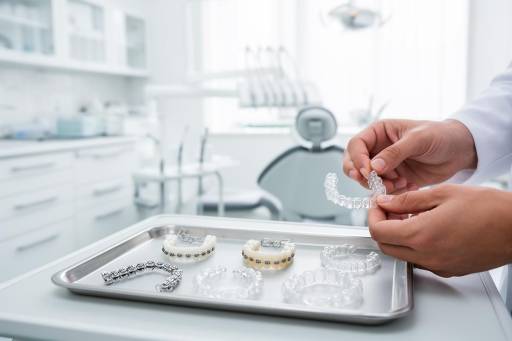
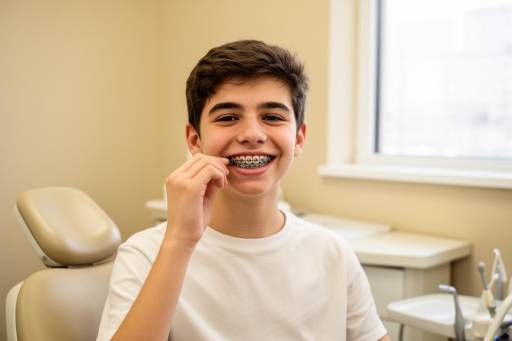
Several effective orthodontic treatment options are available today, each designed to address different dental conditions and accommodate patient preferences. Traditional metal braces remain the most widely recognized and commonly used treatment. These braces consist of small metal brackets bonded to the front surfaces of teeth, connected by archwires that are periodically adjusted by the orthodontist to gradually shift teeth into their desired positions. Metal braces are highly effective for treating a broad range of alignment issues and are often the preferred choice for complex cases.
Clear aligners have become increasingly popular as a discreet alternative to traditional braces. These removable, transparent trays are custom-made to fit snugly over your teeth and are replaced every few weeks to progressively move teeth into alignment. Clear aligners are especially favored by adults and teens who want a less noticeable treatment option and the convenience of removing the trays for eating and oral hygiene.
Other orthodontic appliances include ceramic braces, which function like metal braces but use tooth-colored or clear brackets that blend more naturally with your teeth, making them less visible. Lingual braces are another option; these are placed on the back surfaces of the teeth, hidden from view, and are suitable for patients seeking a completely invisible treatment.
Orthodontic treatment often involves the use of additional devices such as palatal expanders, which widen the upper jaw to create space for crowded teeth, and retainers, which are worn after active treatment to maintain the new tooth positions and prevent relapse. Your orthodontist will carefully evaluate your specific dental condition, age, and lifestyle factors to recommend the most appropriate treatment plan that balances effectiveness, comfort, and aesthetics.
Who Can Benefit from Orthodontic Care? Identifying Candidates
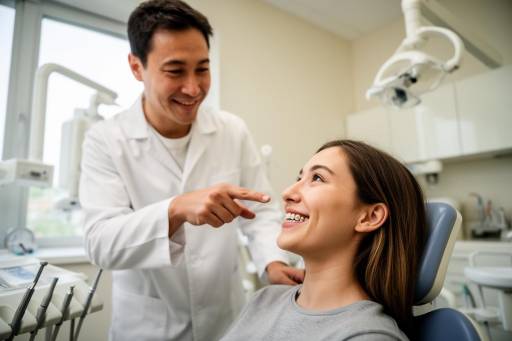
Orthodontic care can benefit individuals with a wide range of dental alignment issues, regardless of their age. Children and teenagers are often the most common candidates because their jaws and teeth are still developing, which makes it easier to correct malocclusion during growth phases. Early evaluation by an orthodontist is recommended as it allows for the identification of potential problems before they worsen or lead to more complex issues.
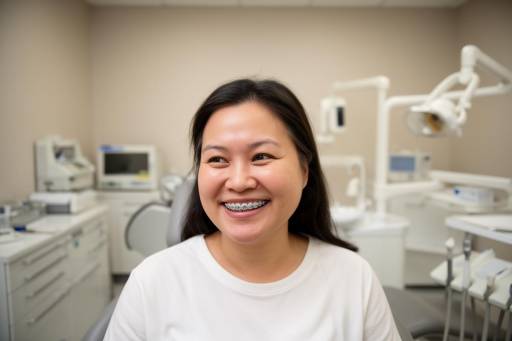
However, adults are increasingly seeking orthodontic treatment to improve both the appearance and function of their smiles. Advances in orthodontic technology and treatment methods have made adult orthodontics more accessible, efficient, and comfortable than ever before. Many adults who previously thought orthodontics was only for children now benefit from options like clear aligners or discreet braces that fit their lifestyle and aesthetic preferences.
Specific dental issues that indicate orthodontic treatment include overcrowding, where teeth overlap due to insufficient space; overbites, where the upper front teeth excessively overlap the lower teeth; underbites, where the lower teeth protrude beyond the upper teeth; crossbites, where some upper teeth bite inside the lower teeth; open bites, where front teeth do not touch when biting; and spacing problems, such as gaps between teeth.
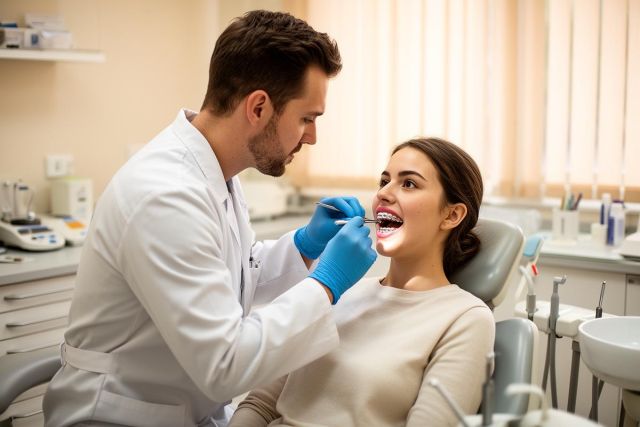
Your orthodontist will conduct a thorough assessment of your teeth alignment, jaw relationship, and overall oral health to determine whether you are a suitable candidate for treatment. Factors such as gum health, bone density, and the presence of any dental restorations will be considered to ensure that orthodontic care is safe and effective for you. Ultimately, orthodontic treatment can be tailored to meet the needs of patients at various life stages, helping them achieve improved dental function and aesthetics.
The Benefits of Orthodontics Beyond Aesthetics
Orthodontics offers significant health benefits that extend well beyond simply improving the appearance of your smile. Properly aligned teeth contribute to better oral hygiene by reducing the number of hard-to-reach areas where plaque and food debris can accumulate. These areas are often breeding grounds for bacteria that cause cavities and gum disease, so straightening teeth helps lower the risk of these common dental problems.
In addition to hygiene benefits, correcting bite problems improves chewing efficiency, allowing you to break down food properly for better digestion and nutrition. Speech clarity can also be enhanced when teeth and jaws are correctly aligned, as misalignment may interfere with tongue placement and sound formation. Furthermore, a well-aligned bite distributes bite forces evenly across all teeth, which protects them from abnormal wear, fractures, or damage that can occur when certain teeth bear excessive pressure.
Proper alignment also reduces strain on the temporomandibular joints (TMJ) and associated muscles, which can help prevent or alleviate temporomandibular joint disorders (TMJ). These disorders often cause jaw pain, headaches, and difficulty opening or closing the mouth, so orthodontic treatment can contribute to improved comfort and function.
Long-term dental health is supported by orthodontic treatment because it stabilizes teeth positioning and jaw function, which helps prevent tooth loss and jawbone deterioration commonly linked to severe malocclusion. By addressing these underlying issues, orthodontics contributes to a healthier mouth and an overall better quality of life, including increased confidence and comfort in daily activities such as eating, speaking, and smiling.
Choosing an Orthodontist: What to Look For
Selecting a qualified orthodontist is essential for safe and effective treatment, as the expertise and approach of your provider can significantly influence both the process and outcome. Orthodontists are dental specialists who complete additional training beyond dental school, focusing specifically on tooth movement, jaw alignment, and the correction of malocclusion. When choosing an orthodontist, look for board-certified professionals who hold credentials from recognized orthodontic associations, as this certification indicates a commitment to maintaining high standards of care and ongoing education.
Experience is another critical factor; an orthodontist who has treated cases similar to yours will be more familiar with the nuances of your specific condition and able to recommend the most appropriate treatment options. Additionally, consider the range of treatment modalities offered, such as traditional braces, clear aligners, or other appliances, which allows for a personalized approach tailored to your unique dental needs and lifestyle preferences.
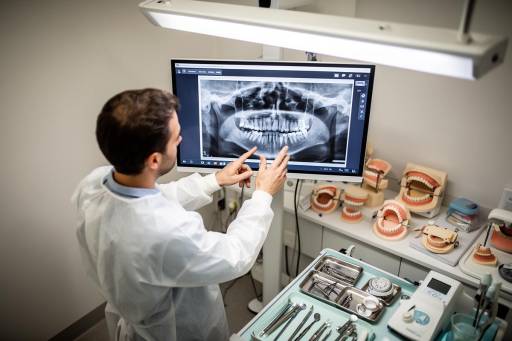
Patient reviews and testimonials can provide valuable insights into the orthodontist’s communication style, office environment, and quality of follow-up care, helping you set realistic expectations about the treatment journey. It is also important to ensure that the orthodontic office uses modern technology, such as digital imaging and 3D scanning, which can enhance diagnostic accuracy and treatment planning.
High standards of hygiene and patient comfort should be evident in the office setting to minimize infection risks and create a welcoming atmosphere. Ultimately, establishing trust and clear communication with your orthodontist will support a positive treatment experience, enabling you to feel confident and informed throughout the process, which contributes to successful outcomes and satisfaction with your care.
Find the Right Orthodontic Treatment for Your Smile
Answer a few short questions and HealthNode will help you connect with the right orthodontist for braces, clear aligners, or bite correction.
Treatment Preferences
This helps us understand which orthodontic option may fit your lifestyle and expectations.
Dental and Bite Details
A few details help the orthodontist understand whether you may need simple alignment, bite correction, or a more detailed treatment plan.
Contact information
Your information is only used to contact you and is never shared with third parties.
Your request has been received!
Thank you. If you have recent dental photos, dental X-rays, panoramic X-ray, cephalometric X-ray, intraoral scan, previous braces or aligner records, retainer records, or orthodontic treatment plans, please keep them ready. A HealthNode consultant will guide you through the next step.
Frequently Asked Questions
Q: What age is best for starting orthodontic treatment?
A: Orthodontic treatment can begin as early as age 7, when the first permanent teeth appear. Early evaluation helps detect issues early, but many treatments are effective during adolescence or adulthood. The best timing depends on individual dental development and needs.
Q: How long does orthodontic treatment usually last?
A: Treatment duration typically ranges from one to three years, depending on the complexity of the case. Regular adjustments and patient compliance with care instructions influence the length of treatment. Your orthodontist will provide a personalized timeline during consultation.
Q: Are clear aligners as effective as traditional braces?
A: Clear aligners are effective for many mild to moderate orthodontic issues and offer the advantage of being removable and less visible. However, complex cases may require traditional braces for better control. Your orthodontist will advise the most suitable option based on your needs.
Q: Does orthodontic treatment improve oral health?
A: Yes, by aligning teeth properly, orthodontic treatment makes cleaning easier and reduces the risk of cavities and gum disease. Correcting bite issues also improves chewing, speech, and jaw function, which contributes to overall oral health and comfort.
Q: How do I choose the right orthodontist for me?
A: Look for an orthodontist who is board-certified and has extensive experience with cases like yours. Check patient reviews and ensure the office offers modern treatment options. A good orthodontist communicates clearly, answers your questions, and makes you feel comfortable throughout the process.
The information provided is for educational purposes only and does not constitute medical advice. Always consult with a healthcare professional for medical guidance specific to your situation.