Can Pediatric Dentistry Help Prevent Future Dental Problems?
Pediatric dentistry plays a crucial role in preventing future dental problems by focusing on early intervention and consistent preventive care tailored specifically for children. Through regular dental visits, education on proper oral hygiene, and specialized treatments such as fluoride applications and dental sealants, pediatric dental care helps maintain healthy teeth and gums while reducing the risk of cavities, misalignment, and other oral diseases as children grow.
Establishing good dental habits early in life creates a strong foundation for lifelong oral health. Pediatric dentists are specially trained to address the unique needs of young patients, including managing their behavior and making dental visits less intimidating and more effective. This early care not only prevents immediate dental problems but also helps avoid more complex and costly treatments later in life.
For parents and caregivers, understanding the importance of pediatric dentistry and preventive strategies is essential to support their child's oral development. Emphasizing early dental visits, proper hygiene practices, and a balanced diet can significantly reduce the likelihood of future dental complications. By fostering a positive attitude toward dental care and providing consistent support, families can help ensure healthier smiles and better overall well-being for their children throughout their lives.
Find the Right Dental Care for Your Child
Answer a few short questions and HealthNode will help you connect with the right pediatric dentist or child-friendly dental specialist.
Symptoms and Comfort
This helps us understand whether your child may need routine care, cavity treatment, urgent dental review, or a child-friendly approach.
Previous Dental Care and Treatment Interest
A few details help the dentist understand what type of pediatric dental care may be most suitable.
Final Details
Share anything important so the pediatric dentist can better understand your child’s needs.
Contact information
Your information is only used to contact you and is never shared with third parties.
Your request has been received!
Thank you. If you have dental X-rays, photos of the tooth or gums, previous treatment notes, orthodontic records, medication history, or details about pain, swelling, injury, or cavities, please keep them ready. A HealthNode consultant will guide you through the next step.
The Importance of Early Dental Care for Children
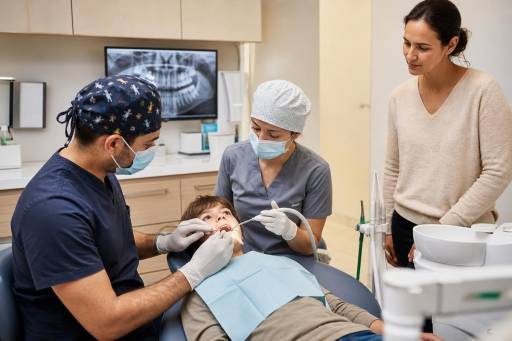
Starting dental care at a young age is vital for promoting long-term oral health in children. Early dental visits allow pediatric dentists to closely monitor the development of teeth and gums, identify any potential issues such as early signs of decay or developmental abnormalities, and provide guidance tailored to a child's specific needs. This proactive approach helps children establish good oral hygiene habits, including regular brushing and flossing, which are crucial for preventing dental problems.
Preventive dentistry in early childhood also includes educating both parents and children about the impact of diet on oral health. Reducing the consumption of sugary foods and drinks, which contribute significantly to cavity formation, is a key focus. Pediatric dentists may offer practical advice on healthy dietary choices that support strong teeth and gums.
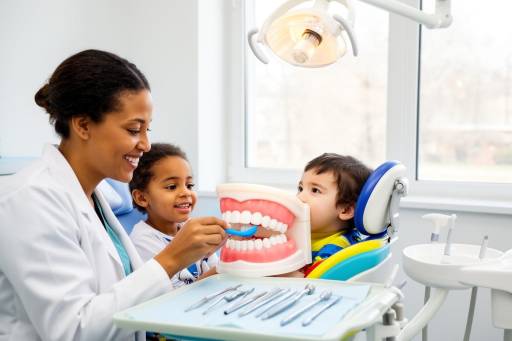
Early dental care supports healthy tooth development by ensuring that any concerns are addressed promptly and by fostering a positive dental experience. Familiarizing children with the dental environment from an early age reduces anxiety and fear associated with dental visits, making future appointments less stressful.
By prioritizing pediatric dental health from the start, parents can help their children avoid common dental issues and build a positive relationship with oral care that lasts a lifetime. This foundation encourages children to maintain good oral hygiene practices and seek regular dental care as they grow older, ultimately contributing to better overall health and well-being.
Common Dental Problems in Children and How Prevention Helps
Children are susceptible to several common dental problems, including cavities (dental caries), misaligned teeth, and gum disease. Cavities are the most prevalent chronic childhood disease and typically result from inadequate oral hygiene combined with frequent consumption of sugary foods and drinks. These cavities can cause pain, infection, and may affect eating and speaking if left untreated.
Misalignment of teeth can arise from habits such as prolonged thumb sucking, tongue thrusting, or early loss of baby teeth, which can disrupt the natural eruption pattern of permanent teeth. This misalignment may lead to orthodontic issues requiring braces or other corrective treatments later in life.
Gum disease, although less common in young children, can occur due to poor oral hygiene and may progress to more serious conditions if not addressed.
Preventive dental measures, including regular dental check-ups, fluoride treatments, and the application of dental sealants, play a critical role in mitigating these risks. Fluoride strengthens tooth enamel, making it more resistant to decay, while sealants provide a protective barrier on the chewing surfaces of molars where cavities frequently develop.
Early intervention is essential to managing these dental problems before they worsen. By addressing issues promptly and maintaining good oral hygiene practices at home, parents can significantly reduce the likelihood of complications that might require extensive and costly dental treatments in the future. Additionally, educating children about the importance of oral care encourages them to take responsibility for their dental health as they grow.
Preventive Strategies in Pediatric Dentistry
Effective preventive strategies in pediatric dentistry focus on maintaining healthy teeth and gums through a combination of professional dental treatments and diligent home care routines. One of the cornerstone preventive treatments is the application of fluoride during dental visits, which helps strengthen tooth enamel and reduce the risk of decay by making teeth more resistant to acid attacks from plaque bacteria and sugars.
Dental sealants are another valuable preventive tool, especially for protecting the grooves and pits of molars where cavities commonly develop. Sealants act as a physical barrier, preventing food particles and bacteria from accumulating in these hard-to-clean areas.
Equally important is teaching children proper brushing and flossing techniques to ensure effective plaque removal. Supervised brushing with fluoride toothpaste at least twice daily and daily flossing help prevent plaque buildup and gum inflammation, which can lead to gingivitis and other periodontal issues.
Dietary recommendations also play a critical role in prevention. Limiting sugary snacks and beverages reduces the substrate available for cavity-causing bacteria, while encouraging nutrient-rich foods supports overall oral health and development.
Routine dental visits enable pediatric dentists to monitor your child's oral growth, apply preventive treatments as needed, and provide personalized advice based on your child's unique risk factors and habits. Together, these strategies form a comprehensive approach that not only reduces the incidence of dental disease but also promotes lifelong oral health habits that children can carry into adulthood.
Choosing the Right Pediatric Dentist for Your Child
Selecting a pediatric dentist involves more than just verifying qualifications and experience; it requires finding a professional who can create a positive and reassuring experience for your child. Pediatric dentists undergo specialized training that focuses on children's dental development, behavior management techniques, and preventive care tailored specifically to young patients. This specialized knowledge enables them to address the unique dental needs of infants, toddlers, and adolescents effectively.
A welcoming clinic atmosphere designed with children in mind can significantly reduce anxiety and fear associated with dental visits. Staff members skilled in communicating with children use gentle language and engaging approaches to help children feel comfortable and safe. This environment fosters trust and cooperation, making it easier to perform necessary dental procedures.
When choosing a pediatric dentist, look for those who emphasize preventive dentistry, such as fluoride treatments and sealants, and who actively educate families on maintaining oral health at home. This educational aspect empowers parents and children to take an active role in their dental care, which can lead to better outcomes.
Quality dental care extends beyond clinical skills to include a compassionate, patient-centered approach that builds long-term trust between the dentist, child, and family. Asking for recommendations from other parents, reading online reviews, and visiting the dental office beforehand can provide valuable insights. These steps help ensure you select a pediatric dentist who not only meets your child's clinical needs but also makes dental visits positive, stress-free experiences that encourage lifelong oral health habits.
When to Start Visiting the Dentist and How Often
The American Academy of Pediatric Dentistry recommends scheduling your child's first dental visit by their first birthday or within six months after the eruption of the first tooth. Early dental visits are important because they allow the dentist to assess your child's oral health, identify any early signs of dental issues, and provide guidance on preventive care tailored to your child's developmental stage. Additionally, these visits help familiarize your child with the dental environment, reducing anxiety and fear associated with dental appointments.
Routine dental check-ups are generally advised every six months to monitor oral health and maintain preventive care. However, your pediatric dentist may recommend a different schedule based on your child's individual risk factors, such as a history of cavities, dietary habits, or medical conditions. More frequent visits might be necessary for children at higher risk of dental problems.
Regular dental visits enable early detection of decay, developmental abnormalities, or other oral health concerns that can be addressed promptly before they worsen. Establishing a consistent dental visit routine supports preventive care and reinforces positive attitudes toward oral health from an early age.
These appointments also provide opportunities to update preventive treatments like fluoride applications and sealants, as well as to discuss any concerns regarding your child's dental development, dietary habits, or oral hygiene practices. Maintaining open communication with your pediatric dentist ensures your child receives personalized care that adapts as they grow.
Long-Term Benefits of Preventive Pediatric Dental Care
Early preventive dental care plays a crucial role in reducing the need for complex and costly treatments later in life by addressing potential issues before they escalate. Maintaining healthy baby teeth is essential not only for proper chewing and nutrition but also for supporting speech development and guiding the correct alignment of permanent teeth. Healthy primary teeth serve as natural placeholders, preventing misalignment and crowding as the adult teeth emerge.
Preventive dentistry significantly decreases the risk of cavities, gum disease, and other oral health problems that can impact a child's overall well-being. Children who receive regular dental care tend to experience fewer cavities, less dental pain, and improved self-esteem related to their smiles. This positive self-image can influence social interactions and confidence during formative years.
Find the Right Dental Care for Your Child
Answer a few short questions and HealthNode will help you connect with the right pediatric dentist or child-friendly dental specialist.
Symptoms and Comfort
This helps us understand whether your child may need routine care, cavity treatment, urgent dental review, or a child-friendly approach.
Previous Dental Care and Treatment Interest
A few details help the dentist understand what type of pediatric dental care may be most suitable.
Final Details
Share anything important so the pediatric dentist can better understand your child’s needs.
Contact information
Your information is only used to contact you and is never shared with third parties.
Your request has been received!
Thank you. If you have dental X-rays, photos of the tooth or gums, previous treatment notes, orthodontic records, medication history, or details about pain, swelling, injury, or cavities, please keep them ready. A HealthNode consultant will guide you through the next step.
Investing in pediatric dental prevention promotes lifelong oral health habits, reducing the likelihood of dental emergencies and lowering healthcare costs over time. Establishing these habits early fosters a sense of comfort and familiarity with dental care, making it easier for children to maintain their oral health as they transition into adulthood.
Preventive care also supports general health by minimizing the risk of infections and inflammation that can affect other parts of the body. By prioritizing early dental care, parents help their children build a foundation for a lifetime of healthy smiles and overall wellness.
Frequently Asked Questions
Q: When should I take my child to see a dentist for the first time?
A: It is recommended to schedule your child's first dental visit by their first birthday or within six months after their first tooth appears.
Q: Are dental sealants effective in preventing cavities?
A: Yes, dental sealants are a proven preventive measure that can significantly reduce the risk of cavities in children's molars.
Q: How often should my child visit the dentist?
A: Children should generally visit the dentist every six months for routine check-ups and cleanings, but your dentist may recommend a different schedule based on your child's needs.
Q: What can I do at home to prevent dental problems in my child?
A: Ensure proper brushing twice daily with fluoride toothpaste, supervise flossing, maintain a healthy diet low in sugary snacks, and schedule regular dental visits.
Q: Can early dental problems affect my child's permanent teeth?
A: Yes, untreated dental issues in childhood can lead to problems with permanent teeth, including misalignment and decay, making early prevention essential.
The information provided is for educational purposes only and does not constitute medical advice. Always consult with a healthcare professional for medical guidance specific to your situation.