Quick Answer
Parents should choose a pediatric dentist for their child when the child's dental needs involve early dental problems, behavioral challenges, special healthcare needs, dental trauma, or early orthodontic concerns that require specialized expertise in children's oral health.
- Pediatric dentists have specialized training in children's oral health, including child psychology and growth development.
- Early dental problems like cavities, tooth decay, and dental trauma are signs a child may need a pediatric dentist.
- Pediatric dentists use behavior management techniques and child-friendly environments to reduce fear and anxiety.
- Children with special healthcare needs or developmental delays benefit from pediatric dental care.
- Pediatric dentists provide services tailored to children, such as fluoride treatments, sealants, and early orthodontic evaluations.
- The American Academy of Pediatric Dentistry recommends a child's first dental visit by age one or within six months of the first tooth.
- Regular pediatric dental checkups every six months help monitor oral development and prevent dental issues.
How Can Parents Tell When Their Child Needs a Pediatric Dentist Rather Than a General Dentist?
A child should see a pediatric dentist rather than a general dentist when their dental needs extend beyond routine care and require specialized expertise in children's oral health. Pediatric dentists are trained to manage the unique developmental, behavioral, and medical aspects of children's dentistry, making them the preferred choice when early dental problems or complex dental issues arise.
Identifying the right time for specialized pediatric dental care helps ensure your child's teeth, gums, and jaw develop healthily and that any emerging dental problems are addressed promptly. While general dentists provide standard dental services for patients of all ages, pediatric dentists tailor their treatments to children's specific needs, including behavior management and preventive strategies designed for young patients.
As a parent, understanding when your child may benefit from a pediatric specialist empowers you to make informed decisions that support their oral health journey from infancy through adolescence. This guidance clarifies the clinical differences, common dental conditions requiring pediatric care, and when to schedule checkups to maintain your child's healthy smile.
Find the Right Dental Care for Your Child
Answer a few short questions and HealthNode will help you connect with the right pediatric dentist or child-friendly dental specialist.
Symptoms and Comfort
This helps us understand whether your child may need routine care, cavity treatment, urgent dental review, or a child-friendly approach.
Previous Dental Care and Treatment Interest
A few details help the dentist understand what type of pediatric dental care may be most suitable.
Final Details
Share anything important so the pediatric dentist can better understand your child’s needs.
Contact information
Your information is only used to contact you and is never shared with third parties.
Your request has been received!
Thank you. If you have dental X-rays, photos of the tooth or gums, previous treatment notes, orthodontic records, medication history, or details about pain, swelling, injury, or cavities, please keep them ready. A HealthNode consultant will guide you through the next step.
Signs Your Child May Need a Pediatric Dentist
Several signs indicate that your child could benefit from seeing a pediatric dentist instead of a general dentist. Early dental problems like tooth decay in baby teeth, frequent cavities, or pain during eating are clear indicators. Pediatric dentists specialize in diagnosing and treating these early issues effectively to prevent complications.
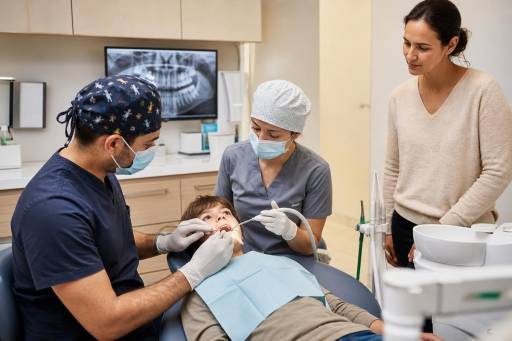
Behavioral signs also play a role. Pediatric dentists are trained in managing children’s anxiety and fear during dental visits, making them better equipped to handle young patients who have trouble cooperating. If your child has special healthcare needs, developmental delays, or medical conditions affecting oral health, a pediatric dentist’s expertise is especially valuable.
If your child experiences dental trauma, such as a knocked-out or fractured tooth, pediatric dentists provide specialized emergency care tailored to children’s dental anatomy. Early orthodontic concerns like misaligned teeth or bite problems can also be assessed and managed by pediatric specialists, who understand the growth patterns of children’s jaws and teeth.
Differences Between Pediatric and General Dentists
Pediatric dentists undergo additional training beyond dental school focused exclusively on children’s oral health. This specialized education includes child psychology, growth and development, sedation techniques appropriate for children, and management of childhood dental diseases. General dentists, while capable of treating children, may not have this focused expertise.
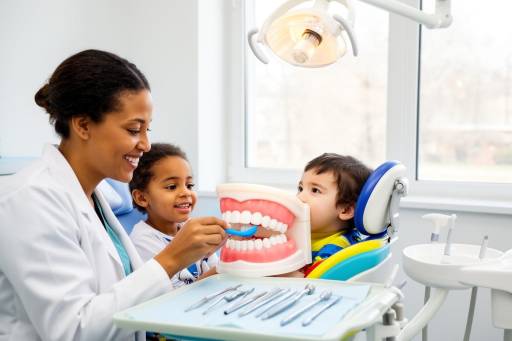
The approach to care varies significantly. Pediatric dentists create a child-friendly environment designed to reduce fear and build trust. They use behavior management techniques to make visits comfortable and positive, which supports better long-term dental habits. Their offices often include child-sized equipment and decor that makes children feel at ease.
Services provided by pediatric dentists cover a broader scope tailored to young patients, such as fluoride treatments, dental sealants, space maintainers, and early orthodontic evaluations. They also coordinate care for children with special health needs, ensuring comprehensive oral health management from infancy through adolescence.
Choosing a pediatric dentist means selecting a provider who understands the nuances of child dental treatment and prioritizes safe, gentle care aligned with your child’s developmental stage.
Common Dental Issues That Require Pediatric Specialization
Certain dental problems in children are best managed by pediatric dentists due to their specialized training and experience. Early childhood cavities are among the most common issues; pediatric dentists use preventive methods and restorative treatments designed specifically for small teeth and young patients.
Dental trauma is another area requiring pediatric expertise. Children are prone to accidents that can damage teeth or oral tissues. Pediatric dentists provide emergency care with techniques that minimize pain and consider the child’s growth stage.
Developmental concerns such as delayed tooth eruption, abnormal bite patterns, or jaw growth issues benefit from early assessment by a pediatric specialist. These dentists monitor oral development closely and intervene when necessary to guide proper alignment and function.
Other conditions like gum diseases in children, thumb sucking habits, or teeth grinding also warrant pediatric dental care. Their knowledge of pediatric oral health complexities ensures these issues are treated effectively to avoid long-term consequences.
When to Schedule a Pediatric Dental Checkup
The American Academy of Pediatric Dentistry recommends that a child’s first dental visit occur by their first birthday or within six months after the first tooth erupts. Early visits establish a dental home and allow pediatric dentists to assess oral development and provide guidance on hygiene and diet.
Regular checkups are important to maintain oral health and monitor for any emerging issues. Typically, visits are scheduled every six months, but your pediatric dentist may recommend more frequent appointments based on your child’s risk factors or treatment needs.
Scheduling dental visits aligned with developmental milestones helps identify problems early and supports timely preventive care. For example, visits during the primary to mixed dentition transition allow evaluation of tooth eruption and bite alignment.
Consistent dental care from infancy through adolescence promotes healthy habits and ensures that your child receives age-appropriate treatments to protect and enhance their smile.
Questions to Ask Your Child’s Dentist When Choosing Pediatric Care
When selecting a pediatric dentist, asking the right questions helps ensure your child receives qualified and compassionate care. Inquire about the dentist’s training and board certification in pediatric dentistry. Confirm their experience with children of your child’s age and any special health considerations.
Ask about the office environment and how they handle dental anxiety or fear in young patients. Understanding their approach to behavior management and sedation options can help you feel confident in their ability to make visits comfortable.
Discuss preventive care strategies they recommend, such as fluoride treatments, sealants, and oral hygiene education tailored for children. Also, ask how they coordinate care with other healthcare providers if your child has special medical needs.
It is also important to clarify appointment scheduling flexibility and emergency care availability. These practical considerations ensure that your child’s dental care fits your family’s needs and lifestyle.
Find the Right Dental Care for Your Child
Answer a few short questions and HealthNode will help you connect with the right pediatric dentist or child-friendly dental specialist.
Symptoms and Comfort
This helps us understand whether your child may need routine care, cavity treatment, urgent dental review, or a child-friendly approach.
Previous Dental Care and Treatment Interest
A few details help the dentist understand what type of pediatric dental care may be most suitable.
Final Details
Share anything important so the pediatric dentist can better understand your child’s needs.
Contact information
Your information is only used to contact you and is never shared with third parties.
Your request has been received!
Thank you. If you have dental X-rays, photos of the tooth or gums, previous treatment notes, orthodontic records, medication history, or details about pain, swelling, injury, or cavities, please keep them ready. A HealthNode consultant will guide you through the next step.
Frequently Asked Questions
Q: What age should my child first see a pediatric dentist?
A: Your child should have their first dental visit by age one or within six months after the first tooth appears. Early visits allow the dentist to check oral development and provide preventive advice.
Q: Can a general dentist treat all my child’s dental needs?
A: General dentists can handle routine dental care for children, but pediatric dentists specialize in child-specific conditions, behavior management, and developmental concerns. Complex or early dental problems often require pediatric expertise.
Q: How do pediatric dentists manage children’s fear of dental visits?
A: Pediatric dentists use child-friendly environments, behavior management techniques, and sometimes sedation to help children feel relaxed and cooperative during appointments, making dental care less stressful.
Q: What common dental problems require a pediatric specialist?
A: Early cavities, dental trauma, delayed tooth eruption, bite problems, and gum diseases in children are common issues best managed by pediatric dentists due to their specialized training.
Q: How often should children visit a pediatric dentist for checkups?
A: Most children benefit from dental checkups every six months, but frequency can vary based on individual risk factors. Your pediatric dentist will recommend a schedule tailored to your child’s needs.
The information provided is for educational purposes only and does not constitute medical advice. Always consult with a healthcare professional for medical guidance specific to your situation.