How Is Pediatric Dental Treatment Planned?
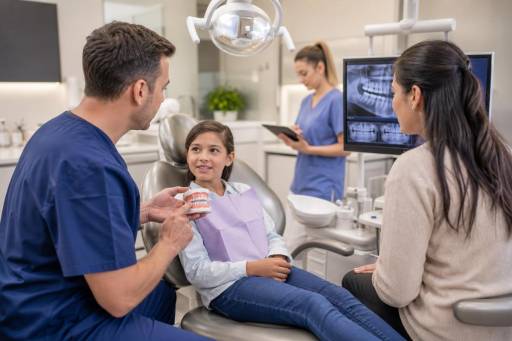
Pediatric dental treatment planning begins with a thorough evaluation of your child's oral health to identify any existing issues and determine the most suitable care approach. This early assessment allows dental professionals to customize treatment plans that address your child's unique needs, developmental stage, and comfort level. By understanding the specific dental conditions and risks your child faces, the dental team can develop a plan that is both effective and minimally invasive.
Every child's oral health situation is different, which means treatment plans must be tailored specifically to them rather than applying a one-size-fits-all approach. Effective planning involves collaboration among dentists, specialists, and caregivers to ensure comprehensive care that supports healthy dental development and overall wellbeing. This process helps set the foundation for lifelong oral health by addressing current concerns and anticipating future needs.
Planning pediatric dental treatment is not only about addressing existing problems but also about preventing future issues through education and preventive strategies. This includes teaching children and caregivers about proper oral hygiene, dietary choices, and regular dental checkups. Understanding how this planning works can empower you to support your child’s dental journey confidently and with peace of mind, knowing that their oral health is being managed thoughtfully and proactively.
Find the Right Dental Care for Your Child
Answer a few short questions and HealthNode will help you connect with the right pediatric dentist or child-friendly dental specialist.
Symptoms and Comfort
This helps us understand whether your child may need routine care, cavity treatment, urgent dental review, or a child-friendly approach.
Previous Dental Care and Treatment Interest
A few details help the dentist understand what type of pediatric dental care may be most suitable.
Final Details
Share anything important so the pediatric dentist can better understand your child’s needs.
Contact information
Your information is only used to contact you and is never shared with third parties.
Your request has been received!
Thank you. If you have dental X-rays, photos of the tooth or gums, previous treatment notes, orthodontic records, medication history, or details about pain, swelling, injury, or cavities, please keep them ready. A HealthNode consultant will guide you through the next step.
Assessing Children's Dental Needs: The First Step in Treatment Planning
The initial step in pediatric dental treatment planning is a comprehensive assessment of your child's oral health to establish a clear understanding of their current condition. Dentists perform careful examinations that may include visual checks of the teeth and gums, palpation to assess soft tissues, and dental X-rays to detect cavities, tooth alignment issues, gum health, and other concerns that may not be visible during a routine exam. This evaluation often involves a review of your child's medical and dental history to understand any risk factors, ongoing conditions, or previous treatments that could impact dental care.
Dental diagnostics for children are tailored to be as comfortable and non-invasive as possible, helping to reduce anxiety and build trust. Techniques such as using child-friendly language, allowing the child to familiarize themselves with the equipment, and minimizing exposure during X-rays contribute to a positive experience.
By accurately assessing your child's current dental status, the dentist can identify potential problems early on, such as tooth decay, developmental abnormalities, or risk factors for future issues. Early detection allows for timely interventions that are often less invasive and more effective.
This assessment informs the entire treatment planning process, ensuring that interventions are appropriate for your child's age, dental development, and individual risk profile. It also helps prioritize treatments based on urgency and your child's specific oral health risks, setting the stage for effective and targeted care that promotes optimal dental health outcomes.
Creating a Personalized Pediatric Dental Treatment Plan
After the initial assessment, the dentist develops a personalized treatment plan that takes into account your child's age, dental growth stage, and any special needs or medical conditions. This plan outlines the recommended procedures, preventive measures, and follow-up schedule designed to maintain or improve your child’s oral health while minimizing discomfort and anxiety.
Personalized dental treatment for children is essential because their teeth and jaws are still developing, which requires careful consideration of timing and type of interventions. Treatments are carefully chosen to support natural growth and development while addressing any issues such as cavities, misalignment, or enamel defects. The plan may include restorations like fillings for cavities, orthodontic evaluations to assess the need for braces or other appliances, or preventive treatments such as sealants and fluoride applications to strengthen teeth and reduce decay risk.
This tailored approach ensures your child receives gentle, effective care that fits their unique situation, including any behavioral or medical considerations that might influence treatment choices. It also allows flexibility to adjust the plan as your child grows or if new dental concerns arise, promoting a positive dental experience and better long-term outcomes. Open communication between the dental team and caregivers helps ensure that the plan is understood and followed, supporting your child's comfort and cooperation throughout their dental care journey.
Collaborating with Pediatric Dental Specialists and Caregivers
Effective pediatric dental treatment planning often involves a collaborative team approach that includes general pediatric dentists, specialists, and caregivers working together to provide comprehensive care tailored to the child's unique needs. Specialists such as orthodontists, pediatric oral surgeons, or pediatric periodontists may be consulted to address complex issues like misaligned teeth, impacted teeth, or gum diseases that require targeted expertise beyond general dentistry.
Caregiver involvement is crucial throughout the entire process. Parents and guardians provide valuable information about the child’s habits, health history, and behavior, which helps shape the treatment approach and identify potential risk factors such as dietary patterns or oral hygiene challenges. They also play a key role in supporting at-home oral hygiene routines, ensuring that preventive measures are followed consistently, and encouraging positive attitudes toward dental visits by modeling calm and supportive behavior.
This collaborative, team-based dental planning ensures comprehensive care that aligns with your child’s developmental needs and family circumstances. It fosters open communication and trust among all parties, creating a supportive environment that helps your child feel safe and cared for during treatment. Regular updates and discussions allow caregivers to stay informed and involved in decision-making, empowering them to advocate for their child’s best oral health outcomes.
Implementing and Monitoring the Treatment Plan for Children
Once a pediatric dental treatment plan is established, dental professionals focus on implementing it using child-friendly techniques that prioritize comfort, cooperation, and positive experiences. This may involve behavior management strategies such as tell-show-do, distraction, positive reinforcement, or, in some cases, sedation to help ease anxiety and ensure the child remains calm and cooperative during procedures. Gentle communication tailored to the child's age and developmental level helps build trust and reduces fear. Creating a welcoming and child-friendly environment with colorful decor, toys, and friendly staff also contributes to reducing anxiety and making visits enjoyable.
Treatment implementation includes performing necessary procedures such as cleanings, fillings, or extractions, applying preventive measures like sealants and fluoride varnishes, and educating both the child and caregiver about effective oral hygiene practices to maintain treatment benefits at home. Clear instructions on brushing techniques, flossing, and dietary recommendations are provided to support ongoing oral health.
Regular follow-up visits are scheduled to monitor progress, evaluate treatment effectiveness, and adjust the plan as needed based on the child's response and any new dental developments. These visits allow the dental team to catch any emerging issues early and reinforce preventive education.
Ongoing monitoring is vital to ensure sustained oral health and to catch any new issues early, preventing complications and more extensive treatments. This dynamic, individualized approach helps maintain your child's dental well-being and builds a foundation for positive lifelong oral health habits, encouraging regular dental care as a normal part of life.
Preventive Strategies for Long-Term Pediatric Dental Health
Preventive dentistry plays a central role in pediatric dental treatment planning by focusing on measures that protect and maintain oral health before problems arise. Strategies such as applying dental sealants, a protective coating placed on the chewing surfaces of back teeth, and fluoride treatments help protect your child's teeth from decay and strengthen enamel, making teeth more resistant to acid attacks from plaque bacteria and sugars in the mouth. These treatments are typically painless and quick, making them well-suited for children.
In addition to professional preventive treatments, education about proper brushing and flossing techniques, as well as guidance on healthy dietary habits, is provided to both children and caregivers. This education aims to establish healthy routines early in life, emphasizing the importance of limiting sugary snacks and drinks that contribute to tooth decay. Caregivers are taught how to supervise and assist with brushing to ensure thorough cleaning, especially for younger children who may lack the dexterity to brush effectively on their own.
These preventive measures not only reduce the likelihood of future dental problems such as cavities and gum disease but also promote overall oral health and wellbeing. Establishing these habits early can foster a positive attitude toward dental care and reduce dental anxiety.
Long-term pediatric dental health depends on consistent preventive care combined with regular dental visits, typically every six months or as recommended by the dentist. This approach minimizes the need for invasive treatments like fillings or extractions and supports your child's comfort and confidence in their dental care journey. It also allows dental professionals to monitor growth and development, identify emerging issues early, and provide timely interventions tailored to your child's needs.
Find the Right Dental Care for Your Child
Answer a few short questions and HealthNode will help you connect with the right pediatric dentist or child-friendly dental specialist.
Symptoms and Comfort
This helps us understand whether your child may need routine care, cavity treatment, urgent dental review, or a child-friendly approach.
Previous Dental Care and Treatment Interest
A few details help the dentist understand what type of pediatric dental care may be most suitable.
Final Details
Share anything important so the pediatric dentist can better understand your child’s needs.
Contact information
Your information is only used to contact you and is never shared with third parties.
Your request has been received!
Thank you. If you have dental X-rays, photos of the tooth or gums, previous treatment notes, orthodontic records, medication history, or details about pain, swelling, injury, or cavities, please keep them ready. A HealthNode consultant will guide you through the next step.
Frequently Asked Questions
Q: At what age should I start bringing my child to the dentist?
A: It is generally recommended to schedule a child's first dental visit by their first birthday or within six months after their first tooth erupts. Early visits help establish a dental home and allow for timely assessment and guidance.
Q: How do pediatric dentists differ from general dentists?
A: Pediatric dentists have specialized training focused on children's dental care, including child psychology and behavior management. This allows them to provide age-appropriate treatments and create a comfortable environment tailored to young patients.
Q: What are common pediatric dental treatments?
A: Common treatments include cavity fillings, dental sealants to protect teeth, fluoride applications to strengthen enamel, space maintainers for developing jaws, and orthodontic evaluations to monitor teeth alignment.
Q: How can I prepare my child for their dental appointment?
A: Use simple, positive language to explain what will happen during the visit. Bringing comfort items like a favorite toy can help reduce anxiety and make the experience more reassuring for your child.
Q: Are there specific considerations for children with special healthcare needs?
A: Yes, children with special healthcare needs may require tailored treatment plans and extra coordination among healthcare providers. Dental teams often use specialized approaches to address their unique medical and behavioral requirements.
The information provided is for educational purposes only and does not constitute medical advice. Always consult with a healthcare professional for medical guidance specific to your situation.