What Are the Different Types of Pediatric Dental Treatments?
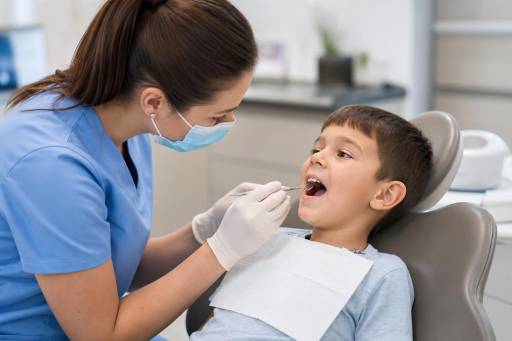
Pediatric dental treatments encompass a variety of procedures designed specifically to maintain and improve the oral health of children at every stage of their development. These treatments range from routine cleanings and fluoride applications to more specialized care like orthodontics and dental crowns, all aimed at promoting healthy teeth and gums and preventing common childhood dental problems. Early and regular dental care helps prevent issues such as cavities, gum disease, misaligned teeth, and dental trauma, supporting a healthy smile as your child grows.
Children's teeth require special attention because they are still developing and are more susceptible to decay and injury. Pediatric dentists are trained to provide treatments tailored to young patients' unique physical and emotional needs, using techniques that minimize discomfort and anxiety. Preventive care plays a crucial role in avoiding dental problems before they start, utilizing methods such as sealants to protect vulnerable tooth surfaces and fluoride treatments to strengthen enamel. When dental issues do arise, specialized interventions help address challenges like tooth decay, dental trauma, or alignment problems with approaches suited to children.
Understanding the different types of pediatric dental treatments can empower you as a parent to make informed decisions about your child's oral health. It helps you recognize the importance of routine dental visits, know when specialized treatment may be necessary, and understand how to respond to emergencies. This knowledge ensures that your child receives the appropriate dental support for each stage of their growth, fostering lifelong oral health and confidence in their smile.
Find the Right Dental Care for Your Child
Answer a few short questions and HealthNode will help you connect with the right pediatric dentist or child-friendly dental specialist.
Symptoms and Comfort
This helps us understand whether your child may need routine care, cavity treatment, urgent dental review, or a child-friendly approach.
Previous Dental Care and Treatment Interest
A few details help the dentist understand what type of pediatric dental care may be most suitable.
Final Details
Share anything important so the pediatric dentist can better understand your child’s needs.
Contact information
Your information is only used to contact you and is never shared with third parties.
Your request has been received!
Thank you. If you have dental X-rays, photos of the tooth or gums, previous treatment notes, orthodontic records, medication history, or details about pain, swelling, injury, or cavities, please keep them ready. A HealthNode consultant will guide you through the next step.
Common Pediatric Dental Procedures Explained
Routine pediatric dental treatments form the foundation of your child's oral health care and are essential for preventing dental problems and maintaining healthy teeth and gums. Regular dental cleanings, typically recommended every six months, involve the removal of plaque and tartar buildup that brushing and flossing alone may not eliminate. This helps prevent cavities, gum inflammation, and periodontal disease. These appointments also provide an opportunity for the dentist to conduct a thorough examination of your child's teeth, gums, bite, and oral tissues, allowing for early detection of any developing issues such as cavities, enamel defects, or orthodontic concerns.
Fillings are a common treatment when cavities appear in children's teeth. Pediatric dentists often use tooth-colored composite resin materials that blend naturally with the teeth, restoring both function and appearance. These materials bond directly to the tooth structure and require minimal removal of healthy tooth tissue. The procedure is usually performed under local anesthesia to ensure comfort and is designed to be as quick and painless as possible to reduce anxiety.
Fluoride treatments applied during dental visits serve to strengthen tooth enamel, making it more resistant to acid attacks from plaque bacteria and sugars. These treatments can also help reverse early signs of decay by remineralizing weakened enamel. The frequency of fluoride application depends on your child’s individual risk factors, such as diet, oral hygiene habits, and previous dental history.
These standard procedures are generally pain-free and designed to be comfortable for children, with dental professionals trained in behavior management techniques to help young patients feel at ease. Emphasizing routine care helps establish positive dental habits early, reducing the risk of more complex problems later in life. Scheduling dental visits every six months is a common recommendation, but your pediatric dentist may suggest more frequent visits if your child has a higher risk of dental issues. Regular check-ups also provide opportunities for ongoing education about oral hygiene and nutrition, empowering children and parents to maintain optimal oral health.
Specialized Treatments for Pediatric Dental Issues
Beyond routine care, some children may require specialized dental treatments to address specific challenges that cannot be managed through standard preventive measures alone. Orthodontics is one such area, focusing on correcting misaligned teeth, bite problems, and jaw growth discrepancies. Early orthodontic evaluation, often recommended by age seven, allows the pediatric dentist or orthodontist to identify potential issues and guide proper jaw development. Early intervention can prevent more severe problems during adolescence, reduce treatment time, and improve overall oral function and aesthetics.
Space maintainers are devices used when a child loses a baby tooth prematurely, either due to decay, trauma, or extraction. These appliances preserve the space needed for the permanent tooth to erupt properly by preventing adjacent teeth from shifting into the gap. Without space maintainers, the surrounding teeth may drift, leading to crowding, misalignment, or bite problems that require more extensive orthodontic treatment later. Space maintainers can be fixed or removable and are customized to fit the child’s mouth.
Dental crowns for children are often used to restore teeth that are severely decayed, fractured, or structurally compromised. These crowns protect the remaining tooth structure, restore proper function, and prevent further damage or infection. Pediatric dental crowns are typically made from stainless steel, which is durable and cost-effective, or tooth-colored materials such as zirconia or composite resin for improved aesthetics, especially on front teeth. The choice of crown material depends on the location of the tooth, the extent of damage, and the child’s individual needs.
These specialized treatments require careful assessment by a pediatric dentist who will consider factors such as the child’s age, dental development, oral hygiene, and overall health. The dentist will discuss treatment options, benefits, risks, and expected outcomes with parents to ensure informed decision-making. Close follow-up and maintenance are important to monitor the success of these interventions and to support the child’s ongoing oral health.
Preventive Care and Early Dental Interventions
Preventive care is pivotal in pediatric dentistry to avoid the development of dental problems and to maintain overall oral health from an early age. Sealants are thin protective coatings applied to the chewing surfaces of back teeth, particularly molars and premolars, where cavities commonly form due to grooves and pits that can trap bacteria and food particles. These sealants act as a physical barrier, preventing bacteria and food debris from settling into these vulnerable areas, thereby significantly reducing the risk of decay. The application is quick, painless, and usually requires no drilling, making it an ideal preventive measure for children.
Fluoride treatments represent another cornerstone of preventive care. Delivered professionally during dental visits or through prescribed home use, fluoride strengthens tooth enamel, making it more resistant to acid attacks from plaque bacteria and sugars in the mouth. Additionally, fluoride can help reverse early signs of decay by remineralizing weakened enamel. The frequency and type of fluoride treatment depend on the child’s risk factors, such as diet, oral hygiene habits, and previous dental history.
Establishing good oral hygiene habits early, including proper brushing techniques and flossing, complements these preventive measures. Parents play a crucial role in supervising and assisting young children with brushing to ensure effective plaque removal. Regular dental check-ups allow the dentist to monitor oral health, reinforce hygiene education, and address any concerns promptly.
Early dental interventions also involve educating parents and children about the importance of a balanced diet low in sugary snacks and drinks, appropriate fluoride use, and injury prevention strategies such as wearing mouthguards during sports. This proactive approach not only minimizes the need for extensive dental work later but also promotes lifelong oral health habits, reducing the risk of chronic dental issues as the child grows.
Choosing the Right Pediatric Dentist for Your Child
Selecting the right pediatric dentist involves considering several important factors to ensure your child receives the best possible dental care tailored to their unique needs. First and foremost, look for dentists who have specialized training in pediatric dentistry and are board-certified. These professionals have completed additional education focused on children's dental development, behavior management, and specialized treatments, which equips them to handle the physical and emotional aspects of treating young patients.
The environment of the dental clinic plays a significant role in your child's comfort and willingness to visit the dentist. Child-friendly clinics often feature colorful decor, child-sized dental chairs and equipment, toys, and entertainment options such as videos or games. A welcoming and patient staff trained in working with children can help reduce dental anxiety and create a positive experience.
Experience with a wide range of pediatric dental treatments is also crucial. This ensures that the dentist can provide comprehensive care, from routine cleanings and fluoride treatments to managing complex dental issues such as cavities, orthodontic concerns, or dental trauma. Reading online reviews, seeking recommendations from other parents or healthcare providers, and visiting the clinic beforehand can help you assess the quality and reputation of the provider.
Effective communication is key to building trust between the dentist, your child, and your family. A good pediatric dentist will take the time to explain procedures clearly and in an age-appropriate manner to your child, as well as discuss treatment options and preventive strategies with you. They should be approachable and willing to answer questions, helping you feel confident in the care your child receives.
It is also important to consider practical factors such as the dentist’s location, office hours, insurance acceptance, and emergency care availability. Choosing a pediatric dentist who fits your family’s logistical needs can help ensure consistent dental visits and ongoing oral health maintenance for your child.
When to Seek Emergency Pediatric Dental Care
Dental emergencies in children require prompt attention to prevent further damage, alleviate pain, and reduce the risk of complications. Common signs of a dental emergency include severe toothache that does not subside with over-the-counter pain medication, knocked-out (avulsed) teeth, broken or chipped teeth, oral bleeding, swelling, and signs of infection such as fever or pus.
If your child experiences dental trauma, it is important to remain calm and act quickly. For a knocked-out tooth, handle it carefully by the crown (the visible part of the tooth) rather than the root to avoid damaging the cells necessary for reattachment. If possible, gently rinse the tooth with water but avoid scrubbing it. Placing the tooth in a container of milk, saliva, or a specialized tooth preservation solution can help preserve the tooth until you reach a dentist. Time is critical; ideally, the tooth should be reimplanted within an hour for the best chance of success.
Find the Right Dental Care for Your Child
Answer a few short questions and HealthNode will help you connect with the right pediatric dentist or child-friendly dental specialist.
Symptoms and Comfort
This helps us understand whether your child may need routine care, cavity treatment, urgent dental review, or a child-friendly approach.
Previous Dental Care and Treatment Interest
A few details help the dentist understand what type of pediatric dental care may be most suitable.
Final Details
Share anything important so the pediatric dentist can better understand your child’s needs.
Contact information
Your information is only used to contact you and is never shared with third parties.
Your request has been received!
Thank you. If you have dental X-rays, photos of the tooth or gums, previous treatment notes, orthodontic records, medication history, or details about pain, swelling, injury, or cavities, please keep them ready. A HealthNode consultant will guide you through the next step.
In cases of broken or chipped teeth, save any broken pieces and bring them to the dentist, as sometimes they can be reattached. If your child is bleeding, apply gentle pressure with a clean cloth or gauze. For swelling or signs of infection, seek urgent dental care promptly to prevent the spread of infection and more serious health issues.
Knowing when and how to respond to dental emergencies is essential for safeguarding your child's oral health and comfort. It is also helpful to have a plan in place and know the location and contact information of an emergency pediatric dental provider. In any dental emergency, avoid giving your child aspirin or other medications unless advised by a healthcare professional. If your child experiences severe pain, difficulty breathing or swallowing, or persistent bleeding, seek emergency medical care immediately. Prompt and appropriate care can improve outcomes and reduce the likelihood of long-term dental problems.
Frequently Asked Questions
Q: What age should my child first visit a dentist?
A: The American Academy of Pediatric Dentistry recommends that children visit a dentist by their first birthday or within six months after the first tooth erupts. Early visits help monitor dental development and establish a dental home for preventive care.
Q: Are pediatric dental treatments safe for young children?
A: Yes, pediatric dental treatments are safe when performed by qualified pediatric dentists using child-appropriate techniques and materials. These specialists are trained to manage young patients with care to ensure comfort and safety.
Q: How can I help my child prevent cavities between dental visits?
A: Encourage regular brushing with fluoride toothpaste twice daily, flossing once teeth touch, and a healthy diet low in sugary snacks and drinks. Routine dental checkups and professional cleanings also support cavity prevention.
Q: What should I do if my child has a dental emergency at home?
A: If your child has a dental emergency such as a knocked-out tooth or severe pain, contact a pediatric dentist immediately. For a knocked-out tooth, keep it moist in milk or saliva and avoid touching the root to increase chances of successful reimplantation.
The information provided is for educational purposes only and does not constitute medical advice. Always consult with a healthcare professional for medical guidance specific to your situation.