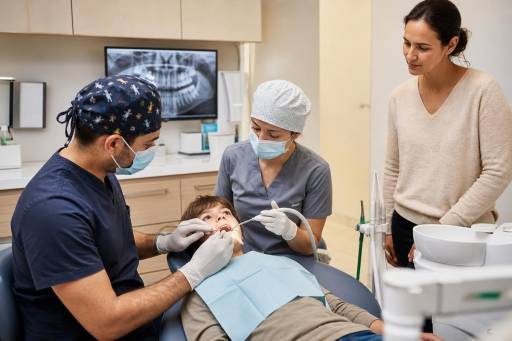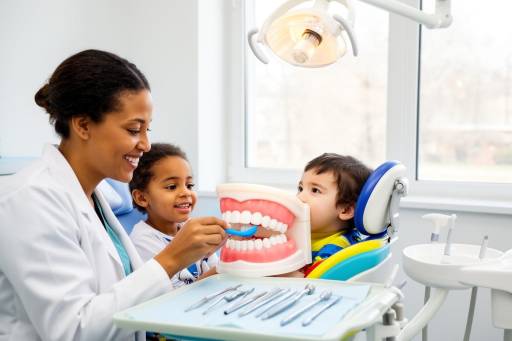
What Dental Problems Can Pediatric Dental Treatments Address?
Pediatric dental treatments encompass a wide range of procedures designed to address common dental problems that affect children, including cavities, misaligned teeth, and issues caused by habits like thumb-sucking. These treatments focus on correcting dental problems early to support healthy oral development and prevent more complex and costly issues later in life. Early intervention is essential for maintaining your child's dental health and ensuring their smile develops properly.
Children's teeth face unique challenges because they are still growing and developing. Habits such as thumb-sucking or early tooth decay can disrupt this natural development, potentially leading to long-term dental complications if not addressed promptly. Understanding the common dental problems children face helps parents recognize when professional care is needed and what to expect during treatment.
Pediatric dentists specialize in treating these issues with approaches tailored specifically to young patients. They use child-friendly techniques and environments that help reduce anxiety and make dental visits more comfortable. Taking timely action with appropriate pediatric dental treatments can prevent pain, infection, and difficulties with chewing or speaking, which are common consequences of untreated dental problems.
Find the Right Dental Care for Your Child
Answer a few short questions and HealthNode will help you connect with the right pediatric dentist or child-friendly dental specialist.
Symptoms and Comfort
This helps us understand whether your child may need routine care, cavity treatment, urgent dental review, or a child-friendly approach.
Previous Dental Care and Treatment Interest
A few details help the dentist understand what type of pediatric dental care may be most suitable.
Final Details
Share anything important so the pediatric dentist can better understand your child’s needs.
Contact information
Your information is only used to contact you and is never shared with third parties.
Your request has been received!
Thank you. If you have dental X-rays, photos of the tooth or gums, previous treatment notes, orthodontic records, medication history, or details about pain, swelling, injury, or cavities, please keep them ready. A HealthNode consultant will guide you through the next step.
This guidance also includes advice on maintaining your child's oral hygiene at home, supporting long-term dental health and confidence. Being informed about the types of problems pediatric dental care can address empowers you to protect your child's smile effectively and promote their overall well-being.
Common Pediatric Dental Problems and Their Causes
Children commonly experience a variety of dental problems, including cavities, malocclusion (misaligned teeth), and issues related to oral habits such as thumb-sucking. Cavities, also known as early childhood caries, are primarily caused by prolonged exposure to sugary foods and drinks, inadequate oral hygiene practices, and sometimes genetic susceptibility. When left untreated, cavities can lead to tooth pain, infections, difficulty eating, and even problems with speech development.
Malocclusion occurs when the teeth do not align properly, which can result from genetic factors, early loss of baby teeth, or persistent oral habits like thumb-sucking and prolonged pacifier use. Thumb-sucking beyond the toddler years can alter the shape of the mouth and affect the position of the teeth, potentially causing an open bite or other alignment issues that may require orthodontic treatment.
Other frequent dental problems in children include dental trauma from accidents, which can cause chipped or knocked-out teeth, delayed eruption of permanent teeth, and gum inflammation or gingivitis due to plaque buildup. Recognizing the underlying causes of these issues helps parents take preventive measures, such as promoting good oral hygiene and limiting harmful habits.
Early identification and intervention by a pediatric dental professional are crucial for effective treatment and to avoid complications that could impact a child's oral health and overall well-being. Regular dental check-ups and parental vigilance play key roles in managing these common pediatric dental problems.
How Pediatric Dental Treatments Can Correct Dental Issues Early
Pediatric dental treatments offer several effective methods to correct dental problems early, guiding proper tooth development and preventing future complications. One common preventive treatment is the application of dental sealants, which are protective coatings applied to the chewing surfaces of back teeth. These sealants create a barrier that shields the grooves and pits from bacteria and food particles, significantly reducing the risk of cavities in these vulnerable areas.
Space maintainers are another important intervention used when a baby tooth is lost prematurely due to decay or trauma. These devices keep the space open to allow the permanent tooth to erupt properly, preventing crowding or misalignment that can result from neighboring teeth shifting into the empty space. Timely use of space maintainers helps maintain proper dental arch development.
Early orthodontic interventions, such as braces or removable appliances, can address bite issues and misaligned teeth during the child's growth phase. By correcting problems like crossbites, overbites, or crowding early on, these treatments make later orthodontic care simpler, shorter, and more successful. Early treatment can also prevent jaw growth discrepancies and improve facial aesthetics.
Other pediatric dental treatments include fillings to restore teeth affected by decay, fluoride applications to strengthen enamel and reduce sensitivity, and habit appliances designed to discourage thumb-sucking or tongue thrusting, which can negatively impact dental alignment. Pediatric dentists carefully tailor these treatments to each child's specific needs, ensuring that procedures are safe, comfortable, and effective in promoting healthy oral development.
Preventive Measures and Oral Hygiene Tips for Children
Maintaining good oral hygiene is essential in preventing dental problems in children and promoting lifelong oral health. Parents play a critical role by establishing and reinforcing a consistent daily routine that includes brushing teeth twice a day with fluoride toothpaste, which helps strengthen enamel and prevent decay. Flossing once daily is also important to remove plaque and food particles from between the teeth where toothbrushes cannot reach, reducing the risk of cavities and gum inflammation.
In addition to oral hygiene, dietary habits significantly influence dental health. Limiting sugary snacks and drinks is crucial because sugar feeds harmful bacteria that produce acids, leading to tooth decay. Encouraging children to choose healthy foods like fruits, vegetables, and dairy products supports not only oral health but overall nutrition. Drinking plenty of water, especially fluoridated water, further helps wash away food debris and maintain a neutral pH in the mouth.
Regular dental visits every six months allow for early detection of potential problems and professional cleaning to remove plaque and tartar buildup. These visits also provide an opportunity for dental professionals to educate both parents and children on proper brushing techniques and oral care practices.
Teaching children how to brush effectively, supervising their oral care until they develop good habits, and making dental visits a positive and stress-free experience are all important steps in building lifelong healthy practices. When combined with pediatric dental treatments such as fluoride applications and sealants, these preventive measures help maintain strong, healthy teeth and gums, reducing the likelihood of dental problems as children grow.
When to Seek Specialized Pediatric Dental Care
Specialized pediatric dental care becomes essential when your child faces dental emergencies, severe tooth decay, or complex alignment issues that general dental treatments cannot adequately address. These situations often require the expertise of a pediatric dental specialist who has advanced training in managing children's unique dental needs. Some clear signs that indicate the need for specialized care include persistent tooth pain that does not resolve with home remedies, noticeable swelling or bleeding around the gums, or visible damage such as fractured or knocked-out teeth. These symptoms suggest underlying problems that need prompt professional evaluation to prevent further complications.
Children with certain dental conditions, such as severe malocclusion (where the teeth do not align properly), impacted teeth that fail to erupt normally, or developmental dental anomalies like enamel defects or missing teeth, benefit greatly from assessment by pediatric dental specialists or orthodontists. Early referral to these specialists ensures that treatment can begin at the optimal time for the best possible outcomes, often reducing the need for more invasive procedures later. For example, interceptive orthodontics can guide jaw growth and tooth eruption, improving both function and appearance.
When choosing the right pediatric dentist, it is important to look for board-certified specialists who have experience in children's dental care and are skilled in using gentle, child-friendly techniques. A welcoming and supportive environment helps reduce dental anxiety and encourages cooperation during treatment. Prompt attention from a qualified pediatric dentist not only prevents the progression of dental disease but also supports your child's overall comfort and oral health development. Early and appropriate specialized care can make a significant difference in your child's dental experience and long-term wellbeing.
Long-term Benefits of Pediatric Dental Treatments for Your Child’s Oral Health
Early pediatric dental treatments are crucial because they establish the foundation for a lifetime of healthy teeth and proper oral function. By addressing common issues such as cavities, misalignment, and harmful oral habits early in childhood, these treatments help prevent more complicated dental problems that often arise during adolescence and adulthood. For example, treating cavities promptly avoids the progression to painful infections or the need for extensive restorative work later on.
Correcting dental issues during childhood also has important functional benefits. Properly aligned teeth improve chewing efficiency, which supports good nutrition and digestion. Additionally, early correction of misaligned teeth and bite problems can enhance speech development by allowing the tongue and lips to move freely and correctly. Beyond physical health, maintaining healthy teeth boosts a child's confidence and self-esteem, positively impacting social interactions and emotional wellbeing.
The long-term benefits of pediatric dental care extend to reducing the risk of tooth loss and gum disease in later life. Preventive and early corrective treatments minimize the need for costly and invasive restorative procedures such as root canals, crowns, or orthodontic surgery. Establishing consistent dental care habits from a young age encourages children to maintain good oral hygiene practices throughout their lives, fostering lasting oral health. Overall, investing in pediatric dental treatments is a wise decision that supports your child's oral health and quality of life well into adulthood.
Find the Right Dental Care for Your Child
Answer a few short questions and HealthNode will help you connect with the right pediatric dentist or child-friendly dental specialist.
Symptoms and Comfort
This helps us understand whether your child may need routine care, cavity treatment, urgent dental review, or a child-friendly approach.
Previous Dental Care and Treatment Interest
A few details help the dentist understand what type of pediatric dental care may be most suitable.
Final Details
Share anything important so the pediatric dentist can better understand your child’s needs.
Contact information
Your information is only used to contact you and is never shared with third parties.
Your request has been received!
Thank you. If you have dental X-rays, photos of the tooth or gums, previous treatment notes, orthodontic records, medication history, or details about pain, swelling, injury, or cavities, please keep them ready. A HealthNode consultant will guide you through the next step.
Frequently Asked Questions
Q: At what age should my child have their first dental visit?
A: The American Academy of Pediatric Dentistry recommends that children visit a dentist by age one or within six months of the first tooth erupting. Early visits help establish a dental home and allow for guidance on oral hygiene and development.
Q: What are the most common dental problems in children?
A: Common dental issues in children include cavities, misaligned teeth, thumb-sucking habits, and early childhood caries. These problems can affect oral health and development if left untreated.
Q: Are pediatric dental treatments safe for young children?
A: Yes, pediatric dental treatments are safe when performed by qualified pediatric dentists. These professionals use child-friendly techniques and tailor treatments to meet the specific needs of young patients.
Q: How can I help my child develop good oral hygiene habits?
A: Encourage your child to brush twice daily with fluoride toothpaste and floss regularly. Limiting sugary snacks and scheduling routine dental check-ups also support good oral hygiene habits.
Q: When should my child see a specialist for dental issues?
A: If your child has severe tooth decay, persistent pain, or significant misalignment that cannot be managed with general dental care, it is important to consult a pediatric dental specialist for advanced treatment.
The information provided is for educational purposes only and does not constitute medical advice. Always consult with a healthcare professional for medical guidance specific to your situation.