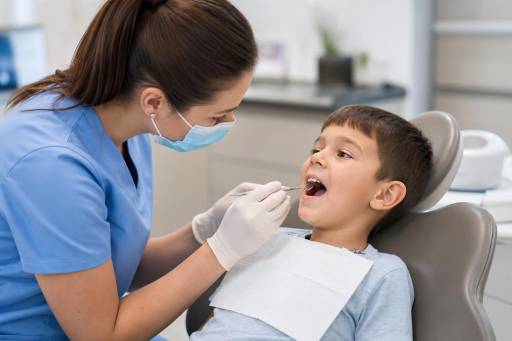
What Is Preventive Dental Cleaning for Children?
Preventive dental cleaning for children is a vital practice that plays an essential role in maintaining healthy teeth and gums by removing plaque and tartar buildup before they lead to more serious problems. This process involves professional cleaning performed by a dentist or dental hygienist, combined with guidance on daily oral hygiene habits tailored specifically for children. By addressing potential issues early and reinforcing good habits, preventive dental cleaning supports long-term dental wellness and helps prevent common oral health problems such as cavities, gum disease, and enamel erosion from an early age.
Children's oral health is foundational not only to their dental well-being but also to their overall health and quality of life. Establishing good dental care routines early on can significantly reduce the risk of tooth decay, infections, and other complications as children grow. Preventive dental cleaning plays a key role by ensuring that children's teeth are professionally cleaned and examined regularly, allowing for early detection of any potential problems and fostering positive dental habits.
Many parents and guardians have questions about what exactly happens during these cleanings and why they are so important. Understanding the process, benefits, and what to expect can empower you to support your child's dental visits with confidence. This knowledge helps you prepare your child for appointments and encourages them to develop a lifetime of healthy smiles. Ultimately, preventive dental cleaning is a proactive investment in your child's oral health that can lead to improved comfort, function, and self-esteem throughout their lives.
Find the Right Dental Care for Your Child
Answer a few short questions and HealthNode will help you connect with the right pediatric dentist or child-friendly dental specialist.
Symptoms and Comfort
This helps us understand whether your child may need routine care, cavity treatment, urgent dental review, or a child-friendly approach.
Previous Dental Care and Treatment Interest
A few details help the dentist understand what type of pediatric dental care may be most suitable.
Final Details
Share anything important so the pediatric dentist can better understand your child’s needs.
Contact information
Your information is only used to contact you and is never shared with third parties.
Your request has been received!
Thank you. If you have dental X-rays, photos of the tooth or gums, previous treatment notes, orthodontic records, medication history, or details about pain, swelling, injury, or cavities, please keep them ready. A HealthNode consultant will guide you through the next step.
The Role of Preventive Dental Cleaning in Children's Oral Health
Preventive dental cleaning is a cornerstone of maintaining healthy teeth and gums in children, playing a critical role in their overall oral health. This professional cleaning involves the careful removal of plaque and tartar, which are the primary contributors to common childhood oral health issues such as cavities and gum inflammation. By eliminating these harmful deposits, preventive cleanings help stop the progression of tooth decay and prevent the onset of gum disease, which can lead to more serious problems if left untreated.
Beyond cleaning, early dental care supports the proper development of permanent teeth and jaw alignment. Regular visits allow dental professionals to monitor growth patterns and identify any abnormalities that may require intervention. For example, early detection of enamel defects or bite issues can lead to timely treatments that improve long-term oral function and appearance.
Regular dental cleanings provide an opportunity for dentists and hygienists to closely observe your child's oral health status. They can detect early signs of dental problems such as decay, enamel erosion, or gum disease before symptoms become severe. Early detection means that treatment can be simpler, less invasive, and more effective, reducing the risk of complications and the need for extensive procedures later on.
This proactive approach to oral health encourages children to adopt positive habits like regular brushing and flossing, which complement professional care and contribute to lifelong dental wellness. Preventive dental cleaning not only helps children avoid painful procedures and costly treatments but also promotes a healthy smile from an early age. By establishing a foundation of good oral health, children are more likely to enjoy strong teeth and gums throughout their lives.
Step-by-Step Process of a Pediatric Dental Cleaning
A pediatric dental cleaning appointment typically begins with a gentle and thorough examination of your child's teeth and gums. The dentist or dental hygienist will carefully check for any signs of cavities, gum inflammation, enamel defects, or other oral health concerns. This initial assessment helps tailor the cleaning and any additional care to your child's specific needs, ensuring the most effective and comfortable treatment.
Next, the cleaning process starts by using specialized dental tools designed to safely and effectively remove plaque and tartar from the surfaces of the teeth and along the gumline. This step is crucial because plaque harbors bacteria that can cause tooth decay and gum disease if not regularly removed. The procedure is usually painless, and dental professionals employ gentle techniques and may use distraction methods to help your child feel at ease throughout the process.
After the removal of plaque and tartar, the teeth are polished using a mildly abrasive paste to smooth the tooth surfaces and remove any remaining stains. Polishing not only improves the appearance of the teeth but also makes it harder for plaque to accumulate between visits. In many cases, a fluoride treatment is applied at the end of the cleaning to strengthen the enamel and provide extra protection against cavities. Fluoride treatments are safe and effective and are an important preventive measure, especially for children at higher risk of decay.
To conclude the appointment, the dental team offers personalized advice on oral hygiene practices, such as proper brushing and flossing techniques, diet recommendations, and how to care for your child's teeth at home. They will also answer any questions you or your child may have to ensure you feel informed and supported.
Parents can generally expect the entire appointment to last about 30 to 45 minutes, depending on the child's age and cooperation. Preparing your child with positive conversation, reassurance, and perhaps a small reward after the visit can make the experience smoother and less intimidating, helping to build a foundation for regular dental care throughout their life.
Benefits of Regular Dental Cleanings for Kids
Regular dental cleanings provide several important benefits for children's oral health that extend well beyond just keeping teeth clean. First and foremost, these cleanings help prevent cavities by thoroughly removing plaque and tartar buildup that contribute to tooth decay. Plaque is a sticky film of bacteria that constantly forms on teeth, and if not removed, it hardens into tartar, which can only be removed professionally. By eliminating these deposits, dental cleanings reduce the risk of cavities, which in turn reduces the need for fillings or more invasive dental treatments that can be uncomfortable and costly.
Routine dental cleanings also allow for the early detection of dental issues such as misaligned teeth, enamel wear, or gum problems like gingivitis. Dentists and hygienists can spot subtle signs of trouble during these visits, enabling early intervention that can prevent complications and support healthier dental development. For example, identifying misalignment early may lead to timely orthodontic referrals, which can improve bite function and appearance.
Regular dental visits help foster positive dental habits in children by familiarizing them with the dental care environment and procedures. This exposure reduces anxiety and fear commonly associated with dental visits, helping children develop a more comfortable and cooperative attitude toward oral health care. Establishing these positive experiences encourages lifelong routines of brushing, flossing, and regular dental checkups.
Additional benefits of regular cleanings include fresher breath, a brighter smile from polished teeth, and protection against gum disease, which can have long-term effects on oral and overall health. Consistent dental cleanings contribute to healthier teeth and gums, support proper oral development, and help children maintain a confident, attractive smile throughout childhood and beyond. Overall, these cleanings are a critical component of comprehensive pediatric oral health care.
Tips for Preparing Your Child for a Dental Visit
Helping your child feel comfortable and confident before a dental visit can make a significant difference in how they experience the appointment. Start by talking about the upcoming visit in a positive and reassuring way, explaining that the dentist is a friendly professional whose job is to help keep their teeth healthy, strong, and pain-free. Framing the visit as a helpful and routine part of staying healthy can reduce fear and build trust.
Reading children's books or watching age-appropriate videos about dental visits can familiarize your child with what to expect during the appointment. These resources often portray dental visits in a fun and non-threatening way, helping to normalize the experience. Bringing along a favorite toy, blanket, or comfort item to the appointment can provide your child with a sense of security while sitting in the dental chair.
When discussing the cleaning process, use simple, gentle language that emphasizes the experience is usually painless and quick. Avoid using words that might cause fear or anxiety, such as "needle," "pain," or "shot." Instead, describe the tools as tickling or buzzing and explain that the cleaning helps keep teeth shiny and healthy.
Scheduling the appointment at a time when your child is well-rested and not hungry can help them stay calm and cooperative during the visit. Children are often more patient and less irritable when they have had sufficient sleep and food. Finally, it is important for you as a parent or caregiver to remain calm and positive, as children often pick up on adult emotions. Offering praise and encouragement before, during, and after the visit will build your child's confidence and help establish a positive association with dental care that can last a lifetime.
Choosing the Right Dental Clinic for Your Child's Preventive Care
Selecting the right dental clinic for your child's preventive care is an important decision that can significantly impact their oral health experience and outcomes. Choosing a clinic that specializes in pediatric dentistry ensures that your child receives treatment tailored to their unique developmental needs. Pediatric dental clinics typically have staff trained specifically in working with young patients, which helps create a welcoming, supportive, and child-friendly environment.
Look for clinics that use age-appropriate communication styles and behavior management techniques to minimize anxiety and make dental visits a positive experience. Staff who are skilled at explaining procedures in simple terms and comforting children can help reduce fear and build trust. Facilities designed with children in mind, such as colorful waiting areas, toys, books, and child-sized equipment, can also help ease nervousness and make visits more enjoyable.
It is important to verify that the dental clinic is accredited and that the dentists are board-certified specialists in pediatric dentistry or have significant experience working with children. This ensures that your child receives care based on the latest standards and best practices. You may also want to consider the clinic’s approach to preventive care, including the availability of fluoride treatments, dental sealants, and education on oral hygiene.
Choosing a provider who communicates clearly and compassionately with both you and your child fosters trust and partnership in managing your child’s oral health. A good pediatric dentist will involve you in care decisions, answer your questions thoroughly, and provide guidance on maintaining your child’s dental health between visits. This collaborative approach supports consistent, effective preventive care over time.
Frequently Asked Questions
Q: How often should my child have a dental cleaning?
Find the Right Dental Care for Your Child
Answer a few short questions and HealthNode will help you connect with the right pediatric dentist or child-friendly dental specialist.
Symptoms and Comfort
This helps us understand whether your child may need routine care, cavity treatment, urgent dental review, or a child-friendly approach.
Previous Dental Care and Treatment Interest
A few details help the dentist understand what type of pediatric dental care may be most suitable.
Final Details
Share anything important so the pediatric dentist can better understand your child’s needs.
Contact information
Your information is only used to contact you and is never shared with third parties.
Your request has been received!
Thank you. If you have dental X-rays, photos of the tooth or gums, previous treatment notes, orthodontic records, medication history, or details about pain, swelling, injury, or cavities, please keep them ready. A HealthNode consultant will guide you through the next step.
A: Most children should have a dental cleaning every six months, but your child's dentist may recommend a different schedule based on their oral health needs.
Q: Is dental cleaning painful for children?
A: Dental cleanings are generally comfortable for children. Dentists use gentle techniques, and any discomfort is usually minimal.
Q: At what age should children start dental visits?
A: Children should start visiting the dentist by their first birthday or within six months after their first tooth erupts.
Q: What can I do to make my child's dental cleaning experience positive?
A: Bring comfort items, talk positively about dental visits, and choose a child-friendly dental clinic to help your child feel safe and relaxed.
Q: Are there any risks associated with dental cleanings for children?
A: Dental cleanings are safe when performed by trained professionals. They help prevent dental problems and detect issues early.
Q: Should I be concerned about fluoride treatments during dental visits?
A: Fluoride treatments are safe and effective in strengthening teeth and preventing decay, especially when recommended by your child's dentist.
The information provided is for educational purposes only and does not constitute medical advice. Always consult with a healthcare professional for medical guidance specific to your situation.