Quick Answer
Patients should consult a dentist before using high-strength whitening products to ensure safe and effective treatment and to minimize risks such as tooth sensitivity and gum irritation.
- High-strength whitening products can cause tooth sensitivity, gum irritation, and other oral health issues if used without professional guidance.
- A dentist can assess oral health to identify issues like cavities or gum disease before whitening, ensuring safety.
- Dental supervision helps tailor whitening treatments to individual needs and prevents complications such as over-bleaching or enamel damage.
- Professional whitening options include in-office treatments and dentist-recommended over-the-counter products that balance effectiveness and safety.
- Proper preparation, including dental cleaning and addressing oral health problems, is essential for optimal whitening results.
- Patients should discuss whitening methods, risks, expected outcomes, costs, and post-treatment care with their dentist.
- Natural whitening methods may be safer but should still be used cautiously and under dental advice to avoid enamel abrasion.
Should Patients See a Dentist Before Using a High-Strength Whitening Product?
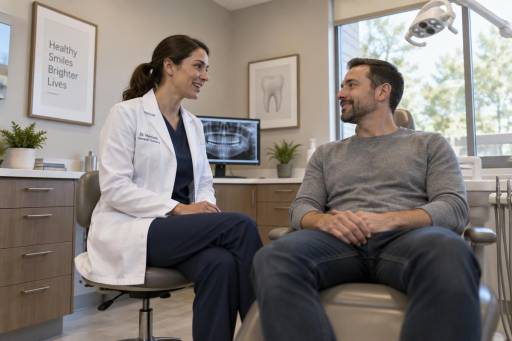
Patients should always consult a dentist before using high-strength whitening products to ensure that the treatment is both safe and effective. These potent whitening agents, while capable of significantly brightening teeth, can also cause adverse effects such as tooth sensitivity, gum irritation, and other oral health issues if used improperly or without professional guidance. A dental consultation provides an opportunity for a thorough oral health evaluation, allowing the dentist to tailor advice and treatment options specifically to your individual needs.
Whitening treatments have grown increasingly popular as a means to enhance smile aesthetics, but it is important to recognize that not all approaches are suitable for every individual. High-strength whitening products often contain bleaching agents that are much more potent than over-the-counter options, which can increase the risk of side effects, especially if underlying dental problems exist. This is why seeking a dentist's input is essential to identify any issues such as cavities, gum disease, or enamel erosion that may require attention before whitening can safely proceed.
With professional advice, you can select whitening options that minimize risks while maximizing the effectiveness of the treatment. Understanding the potential hazards, such as sensitivity or tissue damage, and exploring safer alternatives empowers you to care for your smile responsibly. This article delves into the importance of dental supervision, the risks involved with unsupervised whitening, and practical steps to prepare for whitening treatments to achieve the best possible outcomes.
Find the Right Teeth Whitening Option for Your Smile
Answer a few short questions and HealthNode will help you connect with the right cosmetic dentist for safe and effective teeth whitening.
Your Teeth and Dental History
A few details help us understand whether whitening, cleaning, veneers, bonding, or another option may be more suitable.
Dental Health Check
This helps the dentist understand whether any dental issue should be checked before whitening.
Contact information
Your information is only used to contact you and is never shared with third parties.
Your request has been received!
Thank you. If you have recent dental photos, dental X-rays, previous whitening records, sensitivity history, or information about crowns, veneers, fillings, or bonding, please keep them ready. A HealthNode consultant will guide you through the next step.
Risks of Using High-Strength Whitening Products Without Dental Supervision
Using high-strength whitening products without consulting a dentist can expose you to several dental health risks that may outweigh the cosmetic benefits. The potent bleaching agents in these products are designed to penetrate the enamel and break down stains, but without professional supervision, they can irritate the nerves inside your teeth, leading to tooth sensitivity. This sensitivity may range from mild discomfort to severe pain, potentially interfering with everyday activities such as eating hot or cold foods and drinking beverages.
Another significant concern is gum damage. When whitening agents come into prolonged or improper contact with the soft tissues of the mouth, they can cause irritation, inflammation, or even chemical burns. Such damage may result in bleeding gums, increased discomfort, and a higher risk of infections. Overuse or incorrect application techniques, common in unsupervised treatments, increase these risks substantially.
Self-administered whitening also carries the possibility of uneven results or over-bleaching. Without a professional assessment, you might use a product that is too strong or unsuitable for your dental condition, which can weaken enamel over time and compromise tooth integrity. Over-bleaching can lead to an unnatural appearance and may require additional dental work to correct.
Therefore, dental supervision is essential to minimize these risks. A dentist can evaluate your oral health, recommend appropriate products or procedures, and monitor your response to treatment. This professional guidance ensures that whitening is performed safely and effectively, protecting your teeth and gums while enhancing your smile.
How a Dentist Can Assess Your Suitability for Whitening Treatments
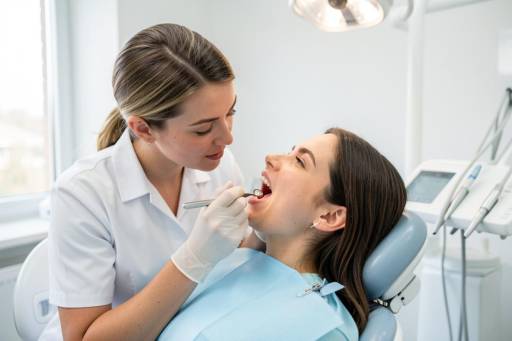
A dentist plays a vital role in determining whether teeth whitening is a suitable and safe option for you. During a comprehensive dental assessment, the dentist will carefully examine your teeth and gums to identify any issues such as cavities, gum disease, enamel erosion, or other oral health problems that could affect the safety or effectiveness of whitening treatments. This thorough evaluation helps prevent complications and ensures your mouth is healthy enough to undergo whitening.
If any dental problems are detected, your dentist will recommend appropriate treatment to address these issues before proceeding with whitening. For example, cavities may need to be filled, and gum inflammation treated to avoid worsening symptoms during whitening. Addressing these concerns first not only protects your oral health but also improves the overall outcome of the whitening process.
In addition to assessing oral health, the dentist evaluates the type and degree of tooth discoloration to suggest the most appropriate whitening method. Different stains respond differently to bleaching agents; for instance, discoloration caused by medications or dental restorations may not improve significantly with whitening. Your dentist can help set realistic expectations by explaining which results are achievable based on your specific condition.
Professional advice also includes guidance on the safest and most effective whitening products or procedures for your situation. By tailoring recommendations to your unique dental health and cosmetic goals, your dentist ensures that you receive treatment that maximizes benefits while minimizing risks, leading to a safer and more satisfying whitening experience.
Alternatives to High-Strength Whitening Products for Safe Results
If high-strength whitening products are not appropriate for your dental condition or personal preferences, there are several safer alternatives that can still help enhance your smile's brightness. One option is in-office professional whitening performed by a dentist, which uses carefully controlled concentrations of bleaching agents. This method includes protective measures such as gum barriers and precise application techniques to safeguard soft tissues. The advantage is that it delivers quick, noticeable results under expert supervision, reducing the risk of complications.
Another alternative is over-the-counter whitening products that your dentist may recommend based on your oral health. These include whitening strips, gels, or custom-fitted trays with lower concentrations of bleaching agents compared to professional treatments. When used under your dentist's guidance, these products offer a balance between effectiveness and safety, allowing for gradual whitening with less risk of sensitivity or gum irritation.
Some people consider natural whitening methods, such as brushing with baking soda or activated charcoal. While these approaches are generally less potent and may have limited whitening effects, they tend to be safer when used cautiously. However, excessive or improper use can cause enamel abrasion, which may weaken teeth over time. Therefore, it is important to consult your dentist before trying these methods to ensure they are appropriate for your dental health.
Ultimately, working with your dentist to select the best whitening approach tailored to your unique dental needs and cosmetic goals will help you achieve safe, effective, and satisfying results without unnecessary risks.
Preparing Your Teeth for Whitening: What You Need to Know
Proper preparation before undergoing teeth whitening is crucial to achieving the best possible results while minimizing potential side effects. Typically, your dentist will begin by performing a thorough dental cleaning to remove plaque, tartar, and surface stains. This cleaning not only improves the appearance of your teeth but also creates an optimal environment for the whitening agents to penetrate evenly and work effectively. Without this step, whitening products may not adhere properly or may produce uneven results.
In addition to cleaning, your dentist will carefully assess your oral health to identify any cavities, gum inflammation, or other issues that need to be addressed before whitening. Treating these problems beforehand is essential because whitening agents can sometimes exacerbate existing conditions, leading to discomfort, increased sensitivity, or further complications. For example, whitening on teeth with untreated decay may cause pain or damage the pulp.
Your dentist may also provide guidance on lifestyle factors that influence whitening outcomes. This includes advising you to avoid certain foods and beverages known to stain teeth, such as coffee, tea, red wine, and tobacco products, both before and after treatment. Maintaining good oral hygiene and following specific pre- and post-whitening care instructions can help sustain the brightness of your smile and protect your dental health throughout the process.
By preparing your teeth properly and addressing any underlying issues, you can expect safer treatment with more consistent and longer-lasting whitening results.
Questions to Ask Your Dentist About Teeth Whitening
When considering teeth whitening, engaging in a detailed discussion with your dentist is invaluable for making informed decisions tailored to your unique dental needs. Start by asking which whitening methods are safest and most effective for your specific teeth, as factors like enamel thickness, existing restorations, and sensitivity can influence the suitability of various treatments. Your dentist can also evaluate whether any underlying dental issues, such as cavities or gum disease, might affect the safety or success of whitening.
It's important to inquire about the expected duration of whitening results, as longevity can vary depending on the method used and your lifestyle habits. Understanding potential side effects, including tooth sensitivity or gum irritation, helps you prepare for and manage any temporary discomfort. Your dentist can explain how common these side effects are and what measures can minimize them.
Clarify the full costs involved, including the initial treatment, any necessary follow-up sessions, and maintenance products like whitening toothpaste or touch-up kits. This transparency allows you to plan financially and avoid surprises.
Be sure to ask about post-whitening care recommendations to protect your teeth and prolong the effects. This may include advice on diet, oral hygiene practices, and avoiding staining substances. Such conversations ensure you feel confident, well-informed, and supported throughout your whitening journey, leading to safer and more satisfying outcomes.
Frequently Asked Questions
Q: Is it safe to use high-strength whitening products at home?
Find the Right Teeth Whitening Option for Your Smile
Answer a few short questions and HealthNode will help you connect with the right cosmetic dentist for safe and effective teeth whitening.
Your Teeth and Dental History
A few details help us understand whether whitening, cleaning, veneers, bonding, or another option may be more suitable.
Dental Health Check
This helps the dentist understand whether any dental issue should be checked before whitening.
Contact information
Your information is only used to contact you and is never shared with third parties.
Your request has been received!
Thank you. If you have recent dental photos, dental X-rays, previous whitening records, sensitivity history, or information about crowns, veneers, fillings, or bonding, please keep them ready. A HealthNode consultant will guide you through the next step.
A: Using high-strength whitening products at home without dental supervision can pose risks such as tooth sensitivity and gum irritation. It's best to consult a dentist before use.
Q: How can I know if my teeth are suitable for whitening?
A: A dental assessment can determine if your teeth and gums are healthy enough for whitening and if any underlying issues need to be addressed first.
Q: What are the benefits of seeing a dentist before whitening?
A: A dentist can customize treatment, minimize risks, and recommend the most effective and safe whitening options for your specific needs.
Q: Are there safer alternatives to high-strength whitening products?
A: Yes, professional in-office treatments and dentist-recommended over-the-counter products are generally safer and more effective.
Q: How should I prepare my teeth before whitening?
A: Ensure your teeth are clean, address any dental issues, and follow your dentist's advice to optimize whitening results and reduce risks.
Q: What questions should I ask my dentist about teeth whitening?
A: Ask about the best whitening options for your teeth, potential risks, expected results, and post-treatment care.
The information provided is for educational purposes only and does not constitute medical advice. Always consult with a healthcare professional for medical guidance specific to your situation.