Table of Contents
How Is Full-Mouth Prosthetic Treatment Planned?
Full-mouth prosthetic treatment is a carefully planned and comprehensive process that involves a detailed dental evaluation, personalized prosthetic design, and active patient involvement. This structured approach ensures that the treatment addresses your unique oral health needs while delivering a functional and aesthetic dental rehabilitation that restores both comfort and confidence in your smile.
This treatment option becomes relevant when multiple teeth are damaged, missing, or compromised due to factors such as decay, trauma, periodontal disease, or other dental conditions. The overarching goal is not only to replace or restore teeth but also to improve your overall oral function, including chewing, speech, and bite alignment, as well as enhancing your appearance.
Understanding the steps involved in planning full-mouth prosthetic treatment can help you feel more confident and prepared as you consider this complex dental rehabilitation. Your dental team will guide you through comprehensive assessments, material and design choices, and shared decision-making processes to tailor the treatment specifically to your needs and preferences. This collaborative journey aims to achieve lasting improvements in oral health, function, and quality of life.
Restore Your Smile With Dentures or Full-Mouth Prosthetics
Answer a few short questions and HealthNode will help you connect with the right prosthodontic or restorative dental specialist.
Comfort, Function, and Appearance
This helps us understand whether you may need new dentures, denture adjustment, implant-supported dentures, or full-mouth prosthetics.
Dental History and Treatment Planning
A few details help the specialist understand whether you may need extractions, denture relining, implants, or full-mouth reconstruction.
Health and Prosthetic Factors
These details help the specialist understand any factors that may affect healing, denture fit, or implant-supported options.
Contact information
Your information is only used to contact you and is never shared with third parties.
Your request has been received!
Thank you. If you have dental X-rays, panoramic X-ray, CBCT scan, previous denture records, implant records, extraction notes, gum treatment records, or photos of your current dentures, please keep them ready. A HealthNode consultant will guide you through the next step.
Comprehensive Insights into Full-Mouth Prosthetic Treatment
Full-mouth prosthetic treatment involves the comprehensive restoration or replacement of all teeth in both the upper and lower jaws using dental prostheses such as crowns, bridges, dentures, or implant-supported restorations. This approach in restorative dentistry aims to rehabilitate oral function, enhance aesthetics, and significantly improve the patient’s quality of life.
Patients typically seek this treatment due to extensive tooth loss, severe decay, advanced periodontal disease, or trauma affecting multiple teeth. The process addresses not only the teeth themselves but also the supporting structures, including gums and jawbone, to ensure a balanced bite and a healthy oral environment. This holistic approach helps prevent further deterioration and supports long-term oral health.
Dental rehabilitation through full-mouth prosthetics is highly individualized, requiring careful evaluation and planning tailored to each patient’s unique condition and goals. Collaboration between the patient and dental professionals is essential to determine the most appropriate treatment options, taking into account factors such as oral health status, functional needs, aesthetic preferences, and lifestyle considerations. This partnership helps achieve lasting improvements in oral health and functional restoration, enabling patients to regain confidence in their smile and oral capabilities.
Initial Assessment and Diagnostic Process
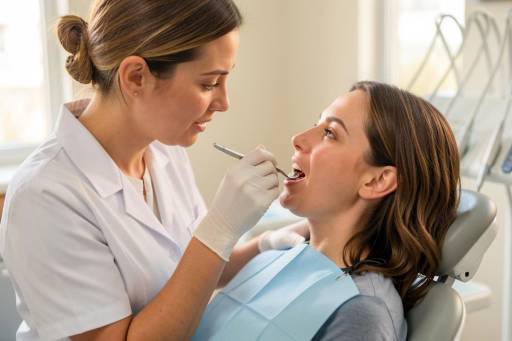
The planning of full-mouth prosthetic treatment begins with a thorough dental assessment designed to gather comprehensive information about your oral health. This includes a detailed clinical examination to evaluate the condition of your existing teeth, gums, jawbone, and other oral structures. Your dentist will also review your complete dental and medical history to identify any underlying health issues, such as diabetes or osteoporosis, which could affect treatment planning and healing.
Diagnostic imaging plays a crucial role in this evaluation process. Techniques such as X-rays, CT scans, or 3D imaging provide detailed views of bone density, root health, nerve locations, and anatomical considerations. These images guide the precise planning of prosthetic placement, help identify areas requiring preliminary treatment, and assist in avoiding complications during surgery or prosthetic fitting.
Gathering this comprehensive information through the diagnostic process allows your dental team to develop a safe, effective, and tailored treatment plan. This foundational step is essential to minimize risks, anticipate potential challenges, and improve the chances of successful rehabilitation. It also provides a baseline for monitoring progress throughout the treatment journey.
Designing a Customized Treatment Plan
Once the comprehensive assessment is complete, your dentist will design a treatment plan customized specifically to your oral health needs and personal preferences. This detailed plan outlines the sequence of procedures, the types of prosthetics to be used, and the materials selected to best suit your situation.
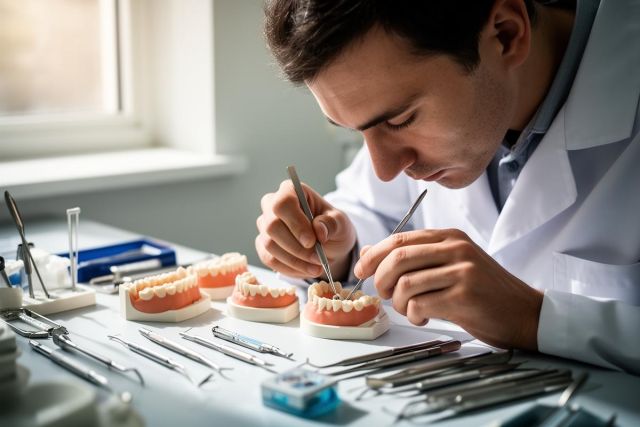
Material selection plays a crucial role in ensuring the durability, functionality, and aesthetics of your prosthetics. Options such as porcelain, acrylic, or composite resins are chosen based on factors including strength, appearance, cost, and compatibility with your oral environment. For instance, porcelain may be preferred for its natural look and stain resistance, while acrylic might be selected for its affordability and ease of adjustment. The prosthetic design will also accommodate your bite alignment, speech patterns, and overall comfort to ensure a natural feel.
The treatment plan also considers any necessary preliminary treatments, such as tooth extractions, periodontal therapy to address gum disease, or bone grafting to provide adequate support for implants. This stepwise approach ensures that each phase of treatment supports the next, leading to a well-integrated final result that not only restores function but also enhances oral health and aesthetics. Throughout the process, your dentist will keep you informed and involved, allowing for adjustments based on your feedback and evolving needs.
Collaborative Decision-Making and Patient Involvement
Your active participation in the treatment planning process is vital for achieving the best possible outcome. Dentists highly encourage open and honest communication to fully understand your expectations, concerns, and lifestyle needs. This shared decision-making process ensures that the treatment options presented align closely with what matters most to you, whether that involves prioritizing aesthetics, comfort, longevity, or ease of maintenance.
Discussing the benefits and limitations of different prosthetic choices allows you to make well-informed decisions about your care. For example, you might weigh the durability of implant-supported prosthetics against the convenience of removable dentures. Your preferences regarding appearance, comfort during daily use, and the level of maintenance you are willing to commit to are all integral factors that shape the final treatment plan.
This collaborative approach fosters trust and satisfaction by making you an active partner rather than a passive recipient in your dental rehabilitation journey. It empowers you with knowledge and control, helping you understand the rationale behind each recommendation and what to expect throughout the process. When patients feel involved and informed, they are more likely to adhere to care instructions and follow-up visits, which contributes significantly to positive long-term outcomes. Additionally, this partnership allows your dental team to tailor solutions that fit your unique oral health condition and personal lifestyle, ultimately enhancing your overall quality of life.
Pre-Procedure Preparation and Expectations
Preparing for full-mouth prosthetic treatment involves carefully following your dentist’s instructions to optimize the success of the procedures. This preparation may include maintaining excellent oral hygiene to reduce bacterial load, managing any existing dental infections such as abscesses or gum disease, and scheduling any necessary preliminary procedures like tooth extractions or periodontal therapy.
Setting realistic expectations is a critical part of this phase. Full-mouth rehabilitation is a complex and often lengthy process that may require multiple visits over several weeks or months. You should be prepared for some degree of discomfort during and after procedures, as well as an adjustment period while adapting to new prosthetics. Understanding this timeline helps reduce anxiety and fosters patience throughout your treatment.
Being physically and emotionally prepared can improve your cooperation and overall experience. Your dental team will provide detailed guidance on what to expect before, during, and after each stage of treatment. This may include instructions on diet modifications, pain management, and activity restrictions. They will also discuss any potential risks and how to recognize signs of complications, ensuring you feel confident and ready to proceed with the rehabilitation journey.
Post-Treatment Care and Follow-Up
After your full-mouth prosthetics are placed, proper care is essential to maintain their function, appearance, and longevity. This includes maintaining excellent oral hygiene practices such as regular brushing and flossing to prevent plaque buildup around the prosthetics, which can lead to gum inflammation or decay of any remaining natural teeth.
Regular dental check-ups are crucial for monitoring the condition of your prosthetics and surrounding oral tissues. During follow-up visits, your dentist can assess healing progress, make necessary adjustments to improve fit or comfort, and address any concerns such as soreness, pressure points, or speech difficulties. Timely care can prevent complications like prosthetic loosening, infections, or damage.
Adopting a good maintenance routine also involves following any specific care instructions provided by your dentist, such as using specialized cleaning tools or avoiding certain foods that could damage the prosthetics. Attending scheduled appointments supports the long-term success of your dental rehabilitation, helping you enjoy improved oral health, function, and quality of life for years to come.
Frequently Asked Questions
Q: How long does full-mouth prosthetic treatment typically take?
A: The duration varies depending on individual needs, but it generally spans several appointments over a few months, including planning, procedures, and follow-up.
Restore Your Smile With Dentures or Full-Mouth Prosthetics
Answer a few short questions and HealthNode will help you connect with the right prosthodontic or restorative dental specialist.
Comfort, Function, and Appearance
This helps us understand whether you may need new dentures, denture adjustment, implant-supported dentures, or full-mouth prosthetics.
Dental History and Treatment Planning
A few details help the specialist understand whether you may need extractions, denture relining, implants, or full-mouth reconstruction.
Health and Prosthetic Factors
These details help the specialist understand any factors that may affect healing, denture fit, or implant-supported options.
Contact information
Your information is only used to contact you and is never shared with third parties.
Your request has been received!
Thank you. If you have dental X-rays, panoramic X-ray, CBCT scan, previous denture records, implant records, extraction notes, gum treatment records, or photos of your current dentures, please keep them ready. A HealthNode consultant will guide you through the next step.
Q: Is full-mouth prosthetic treatment painful?
A: Most patients experience minimal discomfort, as local anesthesia is used. Your dentist will provide guidance on managing any post-procedure soreness.
Q: What materials are used for full-mouth prosthetics?
A: Common materials include porcelain, acrylic, and composite resins, selected based on durability, aesthetics, and patient preferences.
Q: How do I know if I am a good candidate for full-mouth prosthetics?
A: A comprehensive dental evaluation can determine your suitability, considering factors like oral health, bone density, and overall health.
Q: What are the risks or complications associated with this treatment?
A: Potential risks include infection, prosthetic failure, or discomfort, but these are minimized through proper planning and professional care.
Q: How much does full-mouth prosthetic treatment cost?
A: Costs vary widely based on materials, complexity, and location, so a consultation with a dental specialist is recommended for an accurate estimate.
The information provided is for educational purposes only and does not constitute medical advice. Always consult with a healthcare professional for medical guidance specific to your situation.