Table of Contents
How Is the Need for Dentures Evaluated?
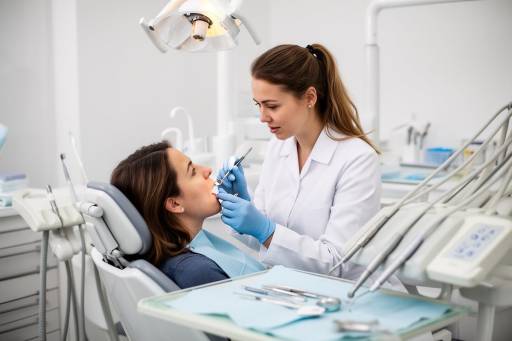
The need for dentures is typically evaluated through a comprehensive dental examination that considers multiple factors related to your oral health, including the extent of tooth loss, condition of the jawbone, gum health, and your overall ability to chew and speak comfortably. Dentists carefully assess these elements to determine if dentures are the most suitable option to restore your dental function and aesthetics.
Many individuals experience gradual tooth loss or oral health deterioration due to common conditions such as tooth decay, gum disease (periodontitis), or injury. When natural teeth can no longer be preserved or replaced with other restorative methods like crowns, bridges, or implants, dentures often become a practical and effective solution. Understanding the evaluation process can help you prepare for your dental consultation and engage in informed discussions with your healthcare provider.
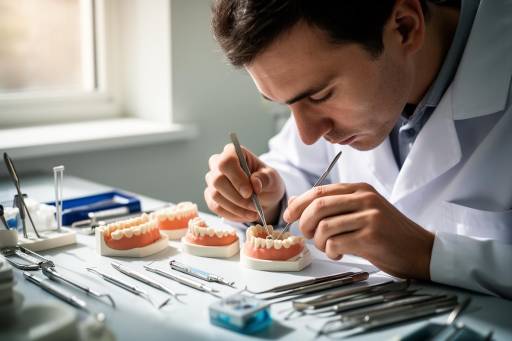
Dental professionals use a combination of clinical examinations, imaging studies, and patient history to make decisions about denture suitability. This thorough approach ensures that any dental prosthetics fit well, support oral health, and improve quality of life by restoring essential functions like chewing and speaking, as well as enhancing facial appearance.
Restore Your Smile With Dentures or Full-Mouth Prosthetics
Answer a few short questions and HealthNode will help you connect with the right prosthodontic or restorative dental specialist.
Comfort, Function, and Appearance
This helps us understand whether you may need new dentures, denture adjustment, implant-supported dentures, or full-mouth prosthetics.
Dental History and Treatment Planning
A few details help the specialist understand whether you may need extractions, denture relining, implants, or full-mouth reconstruction.
Health and Prosthetic Factors
These details help the specialist understand any factors that may affect healing, denture fit, or implant-supported options.
Contact information
Your information is only used to contact you and is never shared with third parties.
Your request has been received!
Thank you. If you have dental X-rays, panoramic X-ray, CBCT scan, previous denture records, implant records, extraction notes, gum treatment records, or photos of your current dentures, please keep them ready. A HealthNode consultant will guide you through the next step.
If you are considering dentures, knowing what to expect during the evaluation can ease anxiety and help guide your decisions about treatment options. Being informed allows you to participate actively in your care, set realistic expectations, and achieve the best possible outcomes with your dental prosthetics.
Key Signs You May Need Dentures
Dentures are generally recommended when significant tooth loss has occurred, impacting your ability to chew food effectively, speak clearly, or maintain the natural shape and structure of your face. Common signs that dentures may be needed include missing multiple teeth, difficulty eating certain types of foods such as hard or chewy items, and noticeable changes in your facial appearance, such as sunken cheeks or altered jawline, which result from the loss of dental support.
Oral health deterioration, including advanced gum disease (periodontitis) or severe tooth decay, can also necessitate dentures if the affected teeth cannot be saved through other treatments like fillings, root canals, or crowns. During an oral health assessment, dentists look for these indicators to evaluate the extent of tooth and supporting tissue loss and to determine the most appropriate restorative option.
In some cases, dentures become the recommended solution after other dental restorations, such as crowns or fixed bridges, are no longer viable due to further tooth loss or structural complications. Your dentist will consider your overall oral condition, including the health of your gums and jawbone, as well as your personal preferences, lifestyle, and budget before recommending dentures as the next step.
Understanding when dentures are needed involves recognizing both functional and aesthetic concerns. Dentures not only restore your ability to eat and speak but also help preserve your facial contours and improve your confidence. Discussing these factors with your dentist can help you weigh the benefits and limitations of dentures and prepare you for the treatment process.
How Dentists Evaluate Dental and Oral Health for Denture Fit
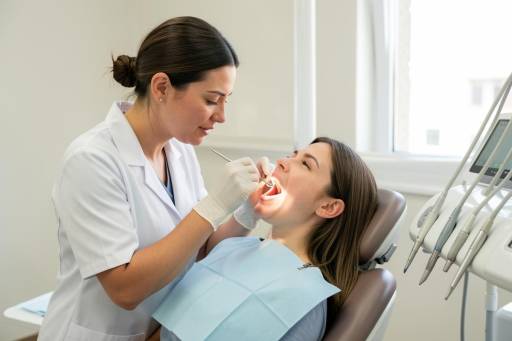
When evaluating your dental and oral health for denture fitting, dentists perform a comprehensive oral examination to assess the condition of your remaining teeth, gums, and jawbone structure. This thorough evaluation helps determine the most appropriate denture type and design for your specific needs.
The dentist examines any remaining teeth for decay, stability, and positioning, as these factors influence whether partial dentures can be used or if full dentures are necessary. Gum health is assessed to identify inflammation, infection, or recession that could affect denture comfort and fit.
Imaging techniques such as dental X-rays or 3D cone beam computed tomography (CBCT) scans provide detailed views of the jawbone and tooth roots. These images help detect bone loss, anatomical variations, or other structural issues that could impact denture stability and comfort. Dentists select radiographic examinations based on individual patient needs, balancing the requirement for diagnostic information with minimizing radiation exposure in accordance with current clinical guidelines.
Bite analysis is another critical component of the evaluation. The dentist assesses how your upper and lower jaws come together, including the alignment and occlusion, to design dentures that restore your bite effectively. Proper bite alignment ensures that dentures function well during chewing and speaking and helps prevent discomfort, jaw pain, or temporomandibular joint (TMJ) problems after fitting.
Overall, this comprehensive evaluation process enables your dentist to develop a personalized denture treatment plan that maximizes comfort, function, and oral health outcomes.
Key Factors Considered in Denture Evaluation
Several critical factors influence the planning and fitting of dentures to ensure they are comfortable, functional, and supportive of your oral health.
First, the jawbone structure is carefully assessed because adequate bone volume and density are essential to securely support dentures. Significant bone loss can compromise denture stability, leading to discomfort or poor fit. In cases of severe bone loss, additional treatments such as bone grafting may be necessary before denture placement.
The health of your gums is equally important. Healthy gums provide a stable and resilient foundation for dentures, helping to prevent irritation, sores, or infections that can arise from ill-fitting prosthetics. Dentists check for signs of inflammation, infection, gum recession, or other conditions that may require treatment prior to fitting dentures.
If you have remaining natural teeth, their position, condition, and number are considered in the design of partial dentures. These teeth can serve as anchors or support points, influencing the type and retention method of the denture. The dentist also evaluates your bite alignment and facial muscle tone to restore a natural appearance and ensure proper function.
Additional factors include your jaw movements, saliva production, and overall oral hygiene habits, all of which can affect denture comfort and longevity. By carefully considering these elements, your dentist aims to create dentures that fit well, function effectively, and support your oral health over the long term.
Preparing for Your Dental Evaluation for Dentures
Before your dental evaluation, it is beneficial to gather comprehensive information about your dental history, including any previous tooth loss, dental treatments such as fillings, crowns, or root canals, and any ongoing oral health issues like gum disease or sensitivity. Providing your dentist with details about your daily diet, oral hygiene habits, smoking or tobacco use, and any discomfort or pain you currently experience can greatly assist in tailoring the assessment to your specific needs. This information helps the dentist understand potential risk factors and anticipate challenges during denture fitting.
It is also helpful to prepare a list of questions or concerns you may have regarding dentures. These might include inquiries about the different types of dentures available (such as full or partial dentures), the fitting process, how long the procedure takes, what to expect during adjustment periods, and how to care for your dentures to maintain oral health. Having these questions ready can make your consultation more productive and empower you to make informed decisions about your treatment plan.
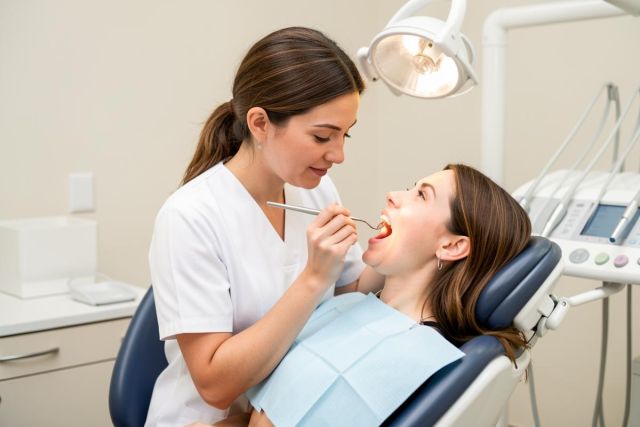
During the appointment, expect the dentist to perform a detailed oral examination, which may include checking the condition of your gums, remaining teeth, and jawbone structure. The dentist might also recommend imaging studies like dental X-rays or 3D scans to obtain a clearer picture of your oral anatomy. These images help in planning the best approach for denture fitting.
You may also receive pre-appointment instructions, such as avoiding certain foods, medications, or smoking before the evaluation to ensure accurate results. Following these guidelines is important for a thorough and effective assessment. Understanding these preparatory steps can help reduce anxiety and ensure that your dental evaluation proceeds smoothly, ultimately contributing to a successful denture fitting experience.
Alternative Solutions to Dentures and When They Are Suitable
Dentures are one of several options available for restoring missing teeth, and alternatives such as dental implants and fixed bridges may offer different advantages depending on your individual oral health status and personal preferences.
Restore Your Smile With Dentures or Full-Mouth Prosthetics
Answer a few short questions and HealthNode will help you connect with the right prosthodontic or restorative dental specialist.
Comfort, Function, and Appearance
This helps us understand whether you may need new dentures, denture adjustment, implant-supported dentures, or full-mouth prosthetics.
Dental History and Treatment Planning
A few details help the specialist understand whether you may need extractions, denture relining, implants, or full-mouth reconstruction.
Health and Prosthetic Factors
These details help the specialist understand any factors that may affect healing, denture fit, or implant-supported options.
Contact information
Your information is only used to contact you and is never shared with third parties.
Your request has been received!
Thank you. If you have dental X-rays, panoramic X-ray, CBCT scan, previous denture records, implant records, extraction notes, gum treatment records, or photos of your current dentures, please keep them ready. A HealthNode consultant will guide you through the next step.
Dental implants involve surgically placing titanium posts into the jawbone, which act as artificial tooth roots to anchor replacement teeth securely. This option provides excellent stability, functionality, and a natural appearance. Additionally, implants help preserve jawbone density by stimulating bone growth, which can prevent the bone loss often associated with missing teeth. However, implants require sufficient bone volume and good overall health to be suitable, and the surgical procedure involves a longer treatment timeline and higher costs compared to dentures.
Fixed bridges are another alternative that uses adjacent healthy teeth as anchors to support one or more replacement teeth. Bridges can be a good option when some natural teeth remain strong and healthy. Compared to dentures, bridges and implants often feel more like natural teeth and do not require removal for cleaning. However, bridges may require alteration of the supporting teeth and may not prevent bone loss in the area of the missing teeth.
Your dentist will discuss these alternative solutions during your evaluation, considering factors such as your oral health, bone density, budget, lifestyle, and aesthetic goals. This thorough discussion enables you to make an informed choice about the best restorative option to meet your needs and enhance your quality of life.
Frequently Asked Questions
Q: What are the common signs that I might need dentures?
A: Common signs include missing multiple teeth, difficulty chewing, changes in speech, and noticeable facial changes due to loss of dental support. Pain or discomfort from damaged teeth or gums can also indicate the need for dentures.
Q: How do dentists determine the best type of dentures for me?
A: Dentists assess your oral health, jawbone structure, remaining teeth, and bite alignment. They may use X-rays and 3D imaging to plan the fitting and choose between complete, partial, or implant-supported dentures based on your needs.
Q: Can I prepare for my denture evaluation appointment?
A: Yes, gathering your dental history and noting any symptoms or concerns will be helpful. Prepare questions about the process, and follow any instructions your dentist provides before the appointment to ensure accurate assessment.
Q: Are there alternatives to dentures for missing teeth?
A: Yes, alternatives include dental implants and fixed bridges. Implants are anchored in the jawbone and offer stability, while bridges use neighboring teeth for support. Your dentist will help determine the best option based on your oral health and preferences.
The information provided is for educational purposes only and does not constitute medical advice. Always consult with a healthcare professional for medical guidance specific to your situation.