Table of Contents
What Happens During a Full-Mouth Prosthetic Consultation?
A full-mouth prosthetic consultation is a vital first step in restoring your dental health when extensive tooth replacement or rehabilitation is needed. During this appointment, your dentist will thoroughly evaluate your oral health, discuss your treatment goals, and develop a personalized plan that fits your needs. This consultation sets the foundation for successful full-mouth restoration using prosthetic solutions such as dentures or implant-supported restorations.
Understanding what happens during the consultation can help you feel more confident and prepared. You will undergo a detailed dental assessment to check your gums, remaining teeth, jawbone structure, and overall oral condition. The dentist will also explain various prosthetic options, materials, and technologies that may be suitable for you. By the end of the visit, you should have a clear understanding of your treatment pathway and the next steps involved.
This process is especially important if you are considering treatment abroad or want to ensure you receive high-quality care. Knowing what to expect can ease any concerns and help you ask the right questions to make informed decisions about your dental restoration journey.
Restore Your Smile With Dentures or Full-Mouth Prosthetics
Answer a few short questions and HealthNode will help you connect with the right prosthodontic or restorative dental specialist.
Comfort, Function, and Appearance
This helps us understand whether you may need new dentures, denture adjustment, implant-supported dentures, or full-mouth prosthetics.
Dental History and Treatment Planning
A few details help the specialist understand whether you may need extractions, denture relining, implants, or full-mouth reconstruction.
Health and Prosthetic Factors
These details help the specialist understand any factors that may affect healing, denture fit, or implant-supported options.
Contact information
Your information is only used to contact you and is never shared with third parties.
Your request has been received!
Thank you. If you have dental X-rays, panoramic X-ray, CBCT scan, previous denture records, implant records, extraction notes, gum treatment records, or photos of your current dentures, please keep them ready. A HealthNode consultant will guide you through the next step.
Key Goals of a Full-Mouth Prosthetic Consultation
The full-mouth prosthetic consultation is designed to evaluate your oral health comprehensively and determine the best approach to restoring your mouth function and aesthetics. Your dentist will assess the condition of your gums, any remaining teeth, and the jawbone to ensure a suitable foundation for prosthetics. This evaluation helps detect any oral diseases or issues that need treatment before prosthetic work begins.
Besides the physical examination, the consultation involves a detailed discussion about your dental history, lifestyle, and expectations. Your dentist will listen to your concerns and goals to tailor a treatment plan that aligns with your needs. This may include options like complete dentures, implant-supported prosthetics, or hybrid solutions.
Ultimately, the consultation aims to create a clear, realistic plan and timeline for your full-mouth rehabilitation. It ensures you understand the process and are comfortable with the proposed treatment before moving forward. This step is crucial for achieving the best possible outcomes in your dental restoration.
What to Expect During Your Consultation: Step-by-Step Process
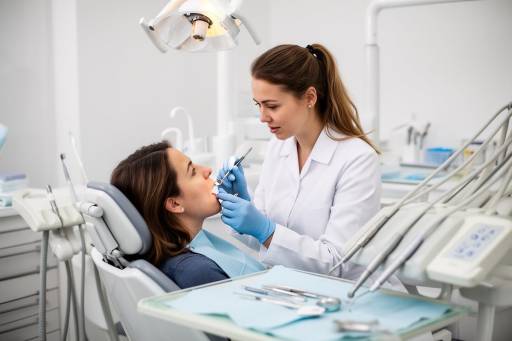
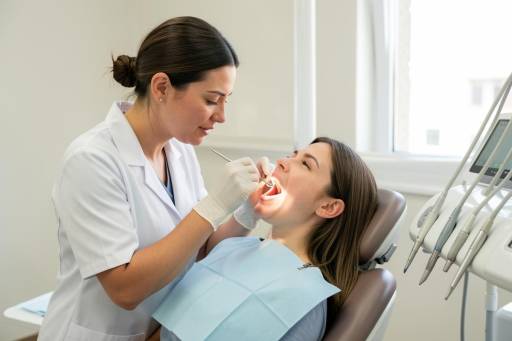
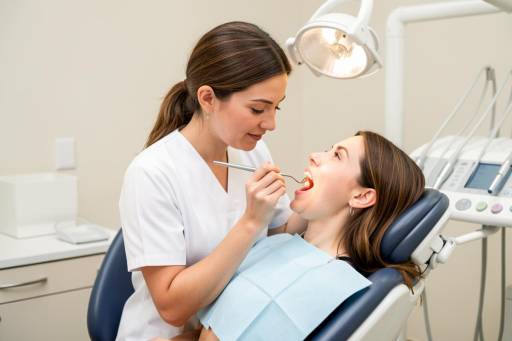
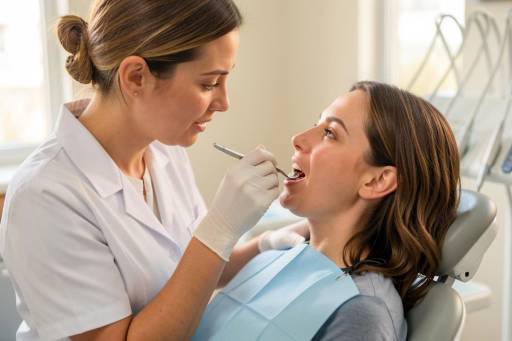
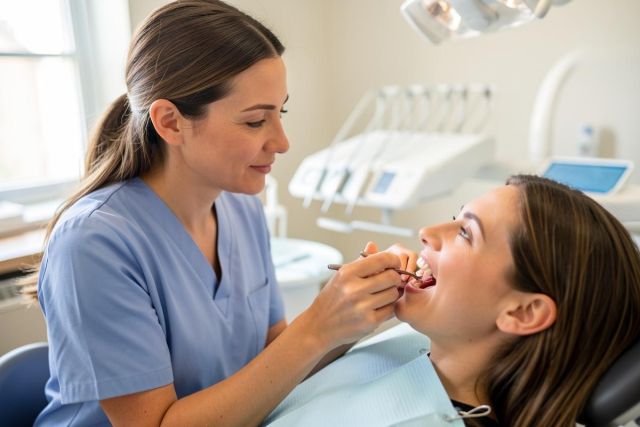
Your full-mouth prosthetic consultation typically begins with a thorough dental examination. The dentist will inspect your oral tissues, check for any signs of gum disease or infection, and evaluate the condition of existing teeth and bone structure. Diagnostic imaging such as X-rays or 3D scans may be taken to gain detailed insights.
Following the examination, your dentist will discuss the findings with you. They will explain which prosthetic options are feasible given your oral health and personal preferences. This discussion includes the pros and cons of different materials and technologies, such as traditional dentures versus implant-supported prosthetics.
Together, you will review the treatment plan, including timelines, procedural steps, and expected outcomes. The dentist will also explain care requirements and any necessary preparatory treatments like extractions or periodontal therapy. This step-by-step consultation ensures you have a clear roadmap and realistic expectations about your full-mouth restoration journey.
Preparing for Your Full-Mouth Prosthetic Consultation: Tips and Recommendations
Being prepared for your consultation can help you make the most of your appointment and feel more at ease. Before your visit, gather any previous dental records, X-rays, or treatment histories if available. Having this information aids your dentist in understanding your dental background and current condition.
Write down any questions or concerns you want to address during the consultation. Examples include asking about the durability of different prosthetic materials, the expected treatment duration, or how to manage discomfort post-procedure. Clear communication helps ensure your treatment plan fits your lifestyle and expectations.
Maintain good oral hygiene leading up to the appointment to provide the best possible assessment environment. Finally, bring a list of any medications or health conditions you have, as these can affect treatment choices. Being proactive in your preparation empowers you to participate actively in your dental care decisions.
Advanced Materials and Digital Technologies in Full-Mouth Prosthetics
Modern full-mouth prosthetics use advanced materials and technologies that improve comfort, function, and appearance. Common materials include acrylic resins for denture bases, porcelain or composite for teeth, and titanium for dental implants. These materials are chosen for their durability, biocompatibility, and aesthetic qualities.
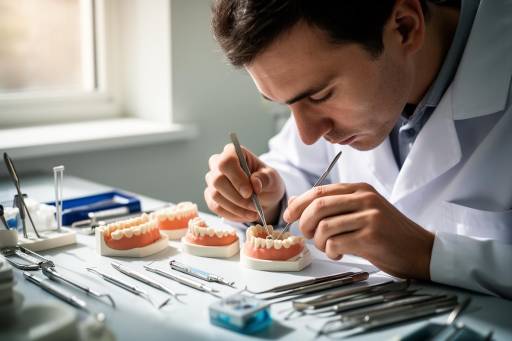
Digital technologies such as 3D scanning and computer-aided design (CAD) allow for precise customization of prosthetic devices. This means your dentures or implants are tailored to fit your mouth accurately, enhancing comfort and chewing efficiency. Some clinics also use digital impressions instead of traditional molds, which can be more comfortable and faster.
Understanding these options during your consultation helps you make informed choices about your treatment. Your dentist can explain which materials and technologies suit your specific needs and budget, ensuring a personalized dental restoration experience.
Post-Consultation: Next Steps and What to Expect After Your Appointment
After your full-mouth prosthetic consultation, you will receive a detailed treatment plan outlining the recommended procedures and timelines. Depending on your oral health, preparatory treatments such as extractions or gum therapy may be scheduled first. Your dentist will guide you through each phase to ensure readiness for prosthetic placement.
Once treatment begins, you can expect regular follow-up visits to monitor healing and adjust prosthetics for optimal fit and function. Proper maintenance and oral hygiene are essential to prolong the lifespan of your prosthetics and prevent complications.
Your dentist will provide instructions on caring for your new dental appliances, including cleaning techniques and dietary recommendations. Staying informed and engaged in post-consultation care helps you achieve the best possible long-term results from your full-mouth rehabilitation.
Frequently Asked Questions
Q: How long does a full-mouth prosthetic consultation take?
Restore Your Smile With Dentures or Full-Mouth Prosthetics
Answer a few short questions and HealthNode will help you connect with the right prosthodontic or restorative dental specialist.
Comfort, Function, and Appearance
This helps us understand whether you may need new dentures, denture adjustment, implant-supported dentures, or full-mouth prosthetics.
Dental History and Treatment Planning
A few details help the specialist understand whether you may need extractions, denture relining, implants, or full-mouth reconstruction.
Health and Prosthetic Factors
These details help the specialist understand any factors that may affect healing, denture fit, or implant-supported options.
Contact information
Your information is only used to contact you and is never shared with third parties.
Your request has been received!
Thank you. If you have dental X-rays, panoramic X-ray, CBCT scan, previous denture records, implant records, extraction notes, gum treatment records, or photos of your current dentures, please keep them ready. A HealthNode consultant will guide you through the next step.
A: A full-mouth prosthetic consultation usually lasts between 45 minutes to an hour. This allows enough time for a thorough dental examination, discussion of treatment options, and planning. Some cases may require additional imaging or tests, which could extend the appointment.
Q: Do I need to bring any dental records to the consultation?
A: Bringing previous dental records, X-rays, or treatment histories can be very helpful. They provide your dentist with valuable information about your oral health history, which can influence treatment planning. If you don't have any records, your dentist can still perform a complete assessment during the consultation.
Q: What questions should I ask during my prosthetic consultation?
A: Consider asking about the types of prosthetic materials available, the expected treatment timeline, and maintenance requirements. You may also want to inquire about the risks and benefits of different prosthetic options. Clarifying these points helps you make informed decisions about your dental care.
Q: Will the consultation include a discussion about costs?
A: Most dentists will provide an overview of the estimated costs associated with your treatment plan during the consultation. However, specific pricing can vary based on the materials and procedures involved. It's important to discuss payment options and insurance coverage directly with your provider.
Q: Can I get a second opinion after the consultation?
A: Yes, seeking a second opinion is a reasonable step if you want to compare treatment options or feel uncertain about the proposed plan. It can provide additional perspective and help you feel more confident in your dental restoration decisions.
The information provided is for educational purposes only and does not constitute medical advice. Always consult with a healthcare professional for medical guidance specific to your situation.