Can exercise improve long-term eye health?
Can exercise improve long-term eye health? This crucial question highlights the connection between physical activity and eye wellness. Regular exercise not only benefits overall health but also plays a vital role in maintaining good vision. Engaging in consistent physical activity can protect against various eye diseases and enhance visual performance.
Research indicates that exercise for eye health can lead to improved circulation and reduced eye strain. Long-term eye health is influenced by lifestyle choices, including physical activity levels. Incorporating simple exercises into daily routines can help prevent common eye issues, such as glaucoma and macular degeneration.
Maintaining physical activity and prioritizing eye care are essential for everyone. Simple, enjoyable exercises can improve eyesight and promote long-lasting eye health. Taking proactive steps towards fitness can lead to a brighter, clearer vision in the future. Embracing these practices today sets the foundation for healthier eyes tomorrow.
Get Support From an Eye Health Specialist
Answer a few short questions and HealthNode will help you connect with the right eye care specialist for your needs.
Share Your Symptoms
This helps us understand whether you may need routine care, vision correction, surgery consultation, or urgent eye review.
Eye History & Preferences
A few details help us route you to the right type of eye care specialist.
Final Details
Share anything important so the specialist can better understand your case.
Contact information
Your information is only used to contact you and is never shared with third parties.
Your request has been received!
Thank you. If you have recent eye exam results, glasses or contact lens prescription, eye pressure test, OCT, retinal images, visual field test, diabetes-related eye records, or previous surgery notes, please keep them ready. A HealthNode consultant will guide you through the next step.
5 Essential Ways Exercise Boosts Eye Health Naturally
Exercise for eye health plays a vital role in maintaining vision. Regular physical activity can enhance overall well-being while providing specific benefits for your eyes. These advantages include improved circulation, reduced eye strain, and better eye coordination. Prioritizing exercise will lead to significant benefits of exercise on vision.
Enhanced blood flow is one key benefit of regular exercise. Increased circulation delivers essential nutrients to the eyes, promoting healthier tissues. This improved nutrient supply helps maintain optimal eye function and reduces the risk of common eye diseases. Incorporating activities such as brisk walking or cycling can significantly improve eyesight with exercise.
Reduced eye strain is another essential advantage gained through physical activity. Engaging in regular workouts helps alleviate stress on your eyes. Less tension leads to fewer headaches and improved focus. Activities like yoga can be particularly beneficial for relaxation and eye health.
Aim for at least 150 minutes of moderate activity weekly. Simple workouts, such as swimming or jogging, can greatly enhance long-term eye health. Remember to incorporate eye exercises with your physical routine. Adopting these habits will pave the way for clearer vision and a healthier future.
How Physical Activity Reduces Risk of Common Eye Diseases
Physical activity and eye care work hand in hand to protect vision. Regular exercise significantly reduces the risk of common eye diseases. Staying active can help prevent conditions such as glaucoma and macular degeneration. Engaging in physical activity promotes overall eye wellness and long-term health.
Regular exercise helps maintain healthy blood pressure and cholesterol levels. These factors are crucial in reducing the risk of eye diseases. Lowered blood pressure decreases stress on blood vessels in the eyes. Adequate circulation ensures that vital nutrients reach eye tissues, supporting their function and health.
Exercise also plays a significant role in managing diabetes. Diabetic individuals face a higher risk of developing diabetic retinopathy. Staying physically active helps regulate blood sugar levels and improves overall health. The benefits of exercise on vision become evident as individuals maintain better control over their diabetes.
Practical steps include incorporating at least 30 minutes of activity daily. Simple exercises like walking or cycling can make a difference. Prioritizing physical activity will help reduce the risk of eye diseases over time. Embrace these habits to safeguard your vision and enhance your overall well-being.
Top 7 Exercises Proven to Support Better Eye Health
Top exercises proven to support better eye health can enhance vision. Many activities specifically target eye muscles, improving overall functionality. These exercises can help decrease eye strain and promote relaxation. Incorporating these routines into your daily life can significantly improve eyesight with exercise.
One effective exercise is the 20-20-20 rule. This technique encourages individuals to take breaks every 20 minutes. Focusing on an object 20 feet away for 20 seconds relaxes eye muscles. Regularly practicing this simple exercise helps reduce fatigue and supports long-term eye health.
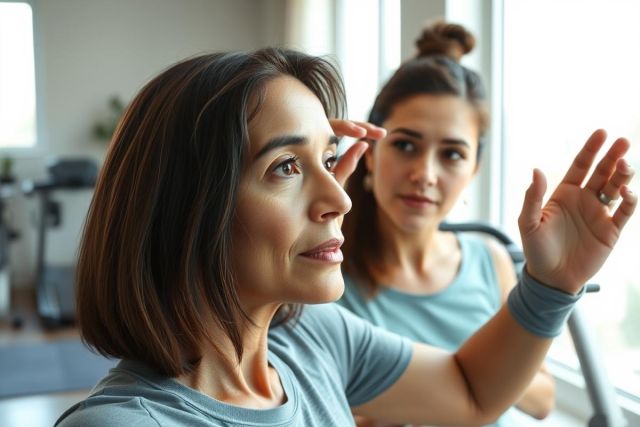
Another beneficial activity is eye rolling. This exercise helps strengthen eye muscles and improve coordination. Slowly rolling your eyes in a circular motion improves flexibility and reduces tension. Incorporating eye exercises for vision like this into your routine can lead to noticeable improvements.
Lastly, blinking exercises are crucial for maintaining moisture. Blinking frequently keeps eyes hydrated and prevents dryness. Try closing your eyes tightly for a few seconds, then opening them wide. These small exercises for better eye health can make a significant difference in overall comfort.
Practical implementation of these exercises includes setting reminders throughout your day. Aim to perform eye exercises multiple times daily for optimal results. Prioritizing these activities can lead to better vision and greater comfort over time. Embrace these eye-friendly practices for a healthier future.
How to Create a Sustainable Fitness Plan for Lasting Eye Health
Creating a sustainable fitness plan for lasting eye health is essential. Regular exercise for eye health can significantly improve vision over time. A well-structured routine helps maintain consistency and promotes long-term wellness. This plan will encourage physical activity and eye care, benefiting your overall health.
Start by setting specific and achievable fitness goals. Determine your current fitness level and identify activities you enjoy. Incorporating exercises such as walking, swimming, or cycling can be effective. These enjoyable activities will keep you motivated and engaged in your fitness journey.
Incorporate eye exercises into your routine to enhance your plan. Simple activities like focusing on distant objects can strengthen eye muscles. Regularly practicing these exercises can support long-term eye health. Include short breaks during your workouts to incorporate these eye-friendly practices.
Practical tips for a sustainable fitness plan include tracking progress and scheduling workouts. Aim for at least 150 minutes of moderate exercise each week. Make it a priority to include physical activity and eye care in your daily life. Embracing these habits will lead to better vision and overall well-being. Take the first step towards a healthier future today.
Get Support From an Eye Health Specialist
Answer a few short questions and HealthNode will help you connect with the right eye care specialist for your needs.
Share Your Symptoms
This helps us understand whether you may need routine care, vision correction, surgery consultation, or urgent eye review.
Eye History & Preferences
A few details help us route you to the right type of eye care specialist.
Final Details
Share anything important so the specialist can better understand your case.
Contact information
Your information is only used to contact you and is never shared with third parties.
Your request has been received!
Thank you. If you have recent eye exam results, glasses or contact lens prescription, eye pressure test, OCT, retinal images, visual field test, diabetes-related eye records, or previous surgery notes, please keep them ready. A HealthNode consultant will guide you through the next step.
Crucial Warning Signs: When to Seek Professional Eye Care
Crucial warning signs indicate when to seek professional eye care. Recognizing these signs can prevent serious vision problems in the future. Timely intervention is essential for maintaining optimal eye health. Being aware of these symptoms can help you take proactive steps.
Blurred vision is a significant warning sign of potential issues. This condition can indicate various problems, including retinal detachment. If you experience sudden blurriness, consult a doctor immediately. Knowing when to see an eye doctor is vital for preserving your sight.
Frequent headaches can also signal underlying eye issues. Strain from improper vision can lead to discomfort and pain. If headaches occur regularly, especially after reading or using screens, it’s time to evaluate your eye health. Eye care tips include scheduling regular check-ups to address any concerns early.
Practical steps involve paying attention to your body’s signals. Keep a journal of any changes in vision or discomfort. Making note of these changes can help your eye doctor assess your situation. Prioritizing eye health today will help improve eyesight with exercise and proper care. Schedule an appointment if you notice any warning signs.
Frequently Asked Questions
Q: What are the benefits of exercise for eye health?
A: Exercise for eye health improves blood circulation to the eyes. Better circulation provides essential nutrients that support vision. Regular physical activity can reduce the risk of eye diseases. Overall, staying active contributes to long-term eye health.
Q: How does exercise affect eyesight over time?
A: Exercise positively affects eyesight by enhancing eye function. Regular activity helps maintain healthy blood pressure and blood sugar levels. These factors are crucial for preventing vision problems. Consistent physical activity leads to improved eyesight with exercise.
Q: When should I start incorporating exercises for better eye health?
A: Incorporating exercises for better eye health should begin early. Start by adding simple eye exercises to your daily routine. Consider including physical activity and eye care for optimal vision. Regular practices promote long-term eye health and well-being.
Q: Can physical activity prevent common eye diseases?
A: Yes, physical activity can significantly reduce the risk of eye diseases. Regular exercise helps maintain healthy weight and blood pressure levels. These factors are essential for protecting your vision. Staying active is crucial for long-term eye health.
Q: How can I improve eyesight with exercise at home?
A: Improving eyesight with exercise at home is achievable with simple routines. Focus on eye exercises like blinking and eye rolling. Incorporate physical activities such as yoga or walking. These practices enhance eye health and overall well-being.
The information provided is for educational purposes only and does not constitute medical advice. Always consult with a healthcare professional for medical guidance specific to your situation.