What Is Full-Mouth Rehabilitation?
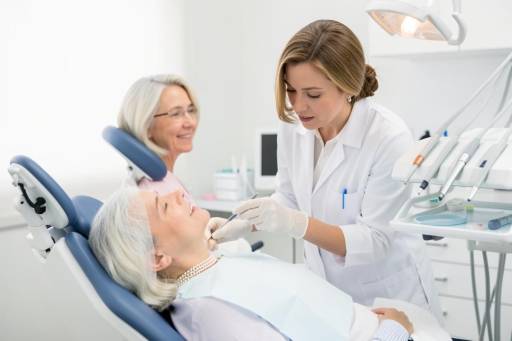
Full-mouth rehabilitation is a comprehensive dental treatment designed to restore the health, function, and aesthetics of your entire mouth. It involves multiple restorative procedures tailored to address complex dental issues such as extensive tooth decay, missing teeth, worn enamel, and bite problems. This approach aims to rebuild your oral structure to improve chewing ability, speech, and overall dental health. The process is highly individualized, taking into account your specific dental conditions, lifestyle, and personal goals to create a treatment plan that best suits your needs.
If you are experiencing widespread dental problems affecting several teeth or your bite, full-mouth rehabilitation offers a personalized solution that combines various dental treatments. The goal is not only to repair damage but also to prevent further oral health issues, ultimately enhancing your quality of life. These treatments are carefully planned by dental specialists to meet your unique needs and ensure long-term oral function. The comprehensive nature of this approach means that it addresses both the symptoms and the underlying causes of dental problems, providing a more durable and effective outcome.
For many patients, full-mouth rehabilitation represents a path to regaining confidence in their smile and improving oral health after years of neglect or trauma. Whether caused by dental disease, injury, or wear, this comprehensive dental care approach addresses multiple concerns in a coordinated way, restoring both appearance and function. Patients can expect a multidisciplinary approach that may involve restorative dentists, periodontists, and oral surgeons working together. While the process may require several visits and a commitment to follow-up care, the long-term benefits often include improved oral health, enhanced aesthetics, and better overall well-being.
Restore Your Smile, Bite, and Chewing Function
Answer a few short questions and HealthNode will help you connect with the right prosthodontic, restorative, or full-mouth rehabilitation specialist.
Function, Comfort, and Appearance
This helps us understand whether your main need is chewing function, bite correction, smile restoration, or replacement of existing dental work.
Previous Dental Work and Treatment Options
A few details help the specialist understand whether crowns, bridges, implants, veneers, dentures, or a combined plan may be needed.
Dental Health and Planning Factors
These details help the specialist understand whether any gum, bone, bite, or healing factors may affect your treatment plan.
Contact information
Your information is only used to contact you and is never shared with third parties.
Your request has been received!
Thank you. If you have dental X-rays, panoramic X-ray, CBCT scan, intraoral scan, photos, previous crown, bridge, implant, denture, veneer, root canal, or treatment plan records, please keep them ready. A HealthNode consultant will guide you through the next step.
Exploring Full-Mouth Rehabilitation: A Solution for Complex Dental Issues
Full-mouth rehabilitation is a specialized dental care approach aimed at addressing complex and widespread oral health problems. It is typically recommended when multiple teeth are damaged, missing, or affected by conditions such as severe decay, gum disease, or trauma. This treatment restores the entire mouth’s function, health, and appearance rather than focusing on individual teeth. It is particularly beneficial for patients who have experienced extensive dental wear or have bite problems that affect their ability to eat or speak comfortably.
The purpose of full-mouth rehabilitation extends beyond cosmetic improvement. It aims to reestablish proper bite alignment, improve chewing efficiency, and prevent further deterioration of oral structures. Patients who suffer from worn teeth, jaw pain, or difficulty eating may benefit significantly from this comprehensive dental restoration. By addressing the root causes of these issues, the treatment helps to reduce discomfort and improve overall oral function.
By combining several restorative techniques, full-mouth rehabilitation can tackle issues that simpler treatments cannot fully resolve. This holistic approach ensures your mouth functions harmoniously, supporting overall oral health and well-being. The treatment plan is carefully tailored to each patient’s unique situation, often involving a combination of crowns, bridges, implants, and soft tissue therapies. This ensures not only the restoration of individual teeth but also the balance and health of the entire oral system. Patients should be prepared for a multi-step process that requires collaboration with their dental team and adherence to recommended care to achieve the best results.
Key Procedures Involved in Full-Mouth Rehabilitation
Full-mouth rehabilitation often involves a combination of restorative dentistry procedures tailored to your unique needs. Common treatments include dental crowns that cover and protect damaged teeth, bridges that replace one or more missing teeth, and dental implants that serve as permanent tooth replacements. Each of these procedures plays a specific role in restoring the function and appearance of your teeth, and the choice among them depends on factors such as the condition of your existing teeth, bone health, and personal preferences.
Veneers are another important component, often used to improve the appearance of front teeth by covering imperfections such as chips or discoloration. They can enhance the smile aesthetically while also providing some protection to the tooth surface. In addition to these, root canals may be performed to treat infected teeth, while gum treatments address periodontal disease that can compromise the foundation of your teeth. Managing gum health is critical since healthy gums are essential for the success of many restorative procedures.
Together, these procedures work to restore function, aesthetics, and oral health. A carefully coordinated treatment plan ensures that all aspects of your mouth are addressed systematically, often over multiple visits, to achieve optimal results. Your dental provider will consider the sequence of treatments to maximize healing and functionality, often starting with addressing infections or gum disease before moving on to restorative work. This comprehensive approach helps ensure that your mouth is not only restored but also maintained in a healthy state for the long term.
Benefits of Full-Mouth Rehabilitation for Patients
Undergoing full-mouth rehabilitation offers several significant benefits that go beyond simple dental fixes. Physically, it restores your ability to chew and speak properly by correcting bite issues and replacing missing teeth. This can lead to improved nutrition and overall health, as you are better able to consume a wider variety of foods comfortably and effectively. Improved chewing function also reduces strain on your jaw muscles and joints, which can alleviate associated pain or discomfort.
Aesthetically, this treatment can dramatically enhance your smile by fixing discoloration, misalignment, and structural damage. Such improvements often boost self-confidence and social comfort, positively affecting mental well-being. Many patients report feeling more willing to engage in social situations and express themselves freely after their rehabilitation, which can improve quality of life.
Psychologically, knowing that your dental health is restored can reduce anxiety related to oral pain or embarrassment. The relief from chronic discomfort and the elimination of visible dental issues can significantly improve your emotional outlook. Long-term, full-mouth rehabilitation helps protect your remaining teeth and gums, reducing the risk of future dental problems and the need for emergency care. By addressing underlying issues comprehensively, it also helps prevent the progression of dental diseases that could otherwise lead to tooth loss or more invasive treatments down the line. Overall, full-mouth rehabilitation supports both your physical health and psychological well-being through a holistic approach to oral care.
Choosing the Right Dental Provider for Your Full-Mouth Rehab Journey
Selecting a qualified dental professional is crucial for successful full-mouth rehabilitation. You should look for providers who specialize in restorative dentistry and have experience managing complex cases. Board certification and affiliations with professional dental organizations are good indicators of expertise and commitment to ongoing education. These credentials suggest that the provider is up to date with the latest techniques and standards in dental care.
Patient reviews and before-and-after treatment photos can provide insight into a provider’s skill and patient satisfaction. These resources help you understand the quality of work you can expect and the provider’s ability to handle cases similar to yours. It is also important to choose a dental team that communicates clearly, understands your goals, and offers personalized care plans tailored to your unique needs and preferences.
Because full-mouth rehabilitation involves multiple procedures, your provider should coordinate treatment smoothly, ensuring your comfort and safety throughout the process. This includes managing appointments efficiently, explaining each step clearly, and monitoring your progress closely. Trust and confidence in your dental team contribute significantly to a positive treatment experience and outcome, helping to reduce anxiety and encourage adherence to post-treatment care recommendations. Choosing the right provider is a key step toward achieving the best possible results from your full-mouth rehabilitation journey.
What to Expect During Your Full-Mouth Rehabilitation Process
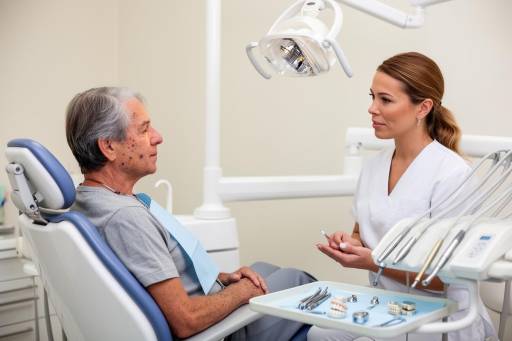
Your journey through full-mouth rehabilitation begins with a thorough dental evaluation, including imaging and oral health assessments. This comprehensive examination allows your dentist to identify all existing issues and plan the most effective treatment strategy. Based on this, your dentist will develop a customized treatment plan outlining the recommended procedures and timeline, tailored to your specific needs and goals.
Treatments are usually staged, starting with urgent issues such as infections or gum disease, followed by restorative work like crowns, bridges, or implants. Addressing infections and gum health first is essential to create a stable foundation for further restorative procedures. Healing and adjustment periods may be necessary between steps, especially when surgical procedures like implants are involved, as these require time for integration and recovery.
Throughout the process, your dental team will provide guidance on oral hygiene and care to support healing and long-term success. This may include instructions on brushing, flossing, diet, and avoiding habits that could jeopardize your treatment. Recovery times vary depending on the treatments performed, but most patients gradually return to normal function as their rehabilitation progresses. Regular follow-up visits are important to monitor healing and make any necessary adjustments to your treatment plan, ensuring the best possible outcome.
Frequently Asked Questions
Q: How long does full-mouth rehabilitation typically take?
Restore Your Smile, Bite, and Chewing Function
Answer a few short questions and HealthNode will help you connect with the right prosthodontic, restorative, or full-mouth rehabilitation specialist.
Function, Comfort, and Appearance
This helps us understand whether your main need is chewing function, bite correction, smile restoration, or replacement of existing dental work.
Previous Dental Work and Treatment Options
A few details help the specialist understand whether crowns, bridges, implants, veneers, dentures, or a combined plan may be needed.
Dental Health and Planning Factors
These details help the specialist understand whether any gum, bone, bite, or healing factors may affect your treatment plan.
Contact information
Your information is only used to contact you and is never shared with third parties.
Your request has been received!
Thank you. If you have dental X-rays, panoramic X-ray, CBCT scan, intraoral scan, photos, previous crown, bridge, implant, denture, veneer, root canal, or treatment plan records, please keep them ready. A HealthNode consultant will guide you through the next step.
A: The duration varies depending on individual needs, but it generally ranges from several weeks to a few months, including healing time.
Q: Is full-mouth rehabilitation painful?
A: Most procedures are performed under anesthesia or sedation, and post-treatment discomfort is manageable with prescribed medications.
Q: How much does full-mouth rehabilitation cost?
A: Costs vary widely based on the procedures involved and geographic location; it's best to consult with a dental specialist for an accurate estimate.
Q: Can full-mouth rehabilitation be done with dental implants?
A: Yes, dental implants are often a key component of full-mouth restoration, especially for replacing missing teeth.
Q: Is full-mouth rehabilitation suitable for everyone?
A: It depends on individual oral health status; a comprehensive dental evaluation is necessary to determine suitability.
The information provided is for educational purposes only and does not constitute medical advice. Always consult with a healthcare professional for medical guidance specific to your situation.