What Is Removable Full-Mouth Rehabilitation?
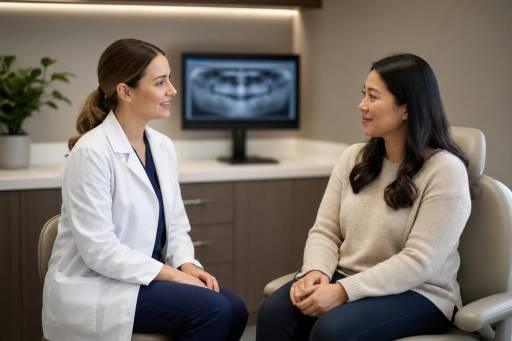
Removable full-mouth rehabilitation is a comprehensive dental treatment designed to restore both the function and appearance of all your teeth using removable prosthetic devices, commonly known as dentures. This approach replaces missing or severely damaged teeth with custom-made removable dentures that can be taken out daily for cleaning and maintenance. The primary goal is to improve your oral health, enhance your ability to chew food effectively, support clear speech, and restore the aesthetics of your smile.
This treatment is especially recommended for patients who have lost many or all of their teeth due to factors such as decay, injury, or disease, and who either cannot undergo or prefer not to pursue fixed dental implants or bridges. Removable dentures offer a practical, cost-effective, and less invasive alternative to fixed prosthetics. They are carefully designed to fit comfortably over your gums and can be adjusted over time to accommodate natural changes in your mouth’s shape and structure.
Understanding what removable full-mouth rehabilitation entails is essential for making informed decisions about your dental care. Whether you are actively considering this treatment option or simply wish to learn more about how complete oral restoration works with removable prosthetics, this guide provides clear, patient-focused information. It covers the entire process, the benefits and potential limitations, and helps identify who can benefit most from this type of dental rehabilitation, empowering you to take an active role in your oral health journey.
Restore Your Smile, Bite, and Chewing Function
Answer a few short questions and HealthNode will help you connect with the right prosthodontic, restorative, or full-mouth rehabilitation specialist.
Function, Comfort, and Appearance
This helps us understand whether your main need is chewing function, bite correction, smile restoration, or replacement of existing dental work.
Previous Dental Work and Treatment Options
A few details help the specialist understand whether crowns, bridges, implants, veneers, dentures, or a combined plan may be needed.
Dental Health and Planning Factors
These details help the specialist understand whether any gum, bone, bite, or healing factors may affect your treatment plan.
Contact information
Your information is only used to contact you and is never shared with third parties.
Your request has been received!
Thank you. If you have dental X-rays, panoramic X-ray, CBCT scan, intraoral scan, photos, previous crown, bridge, implant, denture, veneer, root canal, or treatment plan records, please keep them ready. A HealthNode consultant will guide you through the next step.
Exploring the Basics of Removable Full-Mouth Rehabilitation
Removable full-mouth rehabilitation primarily involves replacing all of the teeth in your upper and lower jaws with removable dentures, which are custom-made prosthetic devices designed to restore both function and aesthetics. These dentures consist of artificial teeth set in a gum-colored base that rests comfortably on your gums. Unlike fixed bridges or dental implants, removable dentures can be easily taken out for cleaning and maintenance, offering convenience and flexibility.
There are two main types of removable dentures used in full-mouth rehabilitation: complete dentures and partial dentures. Complete dentures replace an entire arch of teeth, either the upper or lower jaw, and are typically used when all natural teeth are missing. Partial dentures replace several missing teeth but rely on the support of remaining natural teeth, using clasps or other attachments to stay securely in place. The choice between complete and partial dentures depends on your oral condition, the extent of tooth loss, and your specific functional and aesthetic needs.
The primary goals of this treatment are to restore your ability to chew and speak properly, maintain the natural contours of your face by supporting the lips and cheeks, and enhance your smile aesthetics. Additionally, removable full-mouth rehabilitation helps protect your gums and jawbone from further deterioration by distributing bite forces evenly during chewing, which can help preserve bone structure. This comprehensive solution blends functional restoration with improved oral health and quality of life, making it a viable option for many patients seeking full-mouth rehabilitation.
Who Can Benefit from Removable Full-Mouth Rehabilitation?
Ideal candidates for removable full-mouth rehabilitation are patients who have lost most or all of their teeth due to a variety of causes such as advanced tooth decay, periodontal (gum) disease, trauma, or congenital dental issues. This treatment is particularly suitable for individuals who may not be candidates for dental implants due to underlying health conditions, insufficient bone density, or personal preference against surgical procedures.
Patients experiencing edentulism, which is the complete loss of natural teeth in one or both jaws, often benefit significantly from removable full-mouth rehabilitation. It also serves those with partial tooth loss who require a functional and aesthetic replacement option that can restore their ability to eat and speak comfortably. For successful outcomes, good oral hygiene and healthy gum tissue are important, as these factors influence the fit and longevity of removable dentures.
Your overall health status and lifestyle factors also play a crucial role in determining suitability for this treatment. For example, manual dexterity is important for proper denture care and maintenance, and a willingness to adapt to wearing and managing new oral appliances is essential. During your evaluation, your dentist will carefully assess your oral condition, bone structure, and medical history to determine whether removable full-mouth rehabilitation is the most appropriate and effective option for your individual needs.
Benefits and Limitations of Removable Full-Mouth Rehabilitation
Removable full-mouth rehabilitation offers several notable benefits that can significantly improve a patient’s quality of life. These include enhanced chewing efficiency, which allows you to enjoy a wider variety of foods and maintain proper nutrition. The treatment also improves speech clarity by restoring the natural positioning of teeth, which is important for clear pronunciation. Additionally, these dentures help restore facial aesthetics by supporting the lips and cheeks, preventing the sunken appearance that can occur with tooth loss.
Removable dentures are custom-designed to fit comfortably and can be adjusted over time to accommodate changes in the shape of your mouth, ensuring continued comfort and functionality. They are typically more affordable and less invasive than fixed prosthetic options such as dental implants, making them accessible to a broader range of patients. The ability to remove dentures easily also facilitates thorough cleaning, which is crucial for maintaining oral hygiene and preventing infections or irritation.
However, there are some limitations to consider. Removable dentures may require an adjustment period during which you learn to speak and eat with them comfortably. Some patients may experience initial discomfort or irritation as their mouth adapts to the prosthetics. Compared to fixed prosthetics, removable dentures can be less stable and may shift during use, which can affect comfort and function. Regular maintenance, including periodic relining or replacement, is necessary to ensure that the dentures continue to fit properly and function effectively.
Understanding these benefits and limitations can help you make an informed decision about whether removable full-mouth rehabilitation aligns with your expectations, lifestyle, and oral health needs.
The Procedure: What to Expect During Removable Full-Mouth Rehabilitation
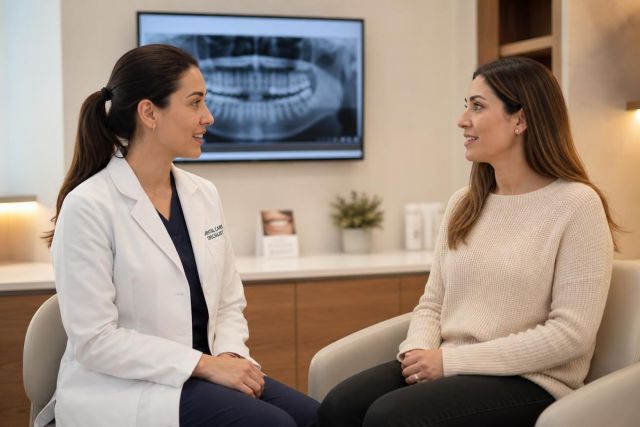
The treatment process for removable full-mouth rehabilitation begins with a comprehensive dental examination and consultation. During this initial visit, your dentist will assess your overall oral health, including the condition of your gums, jawbone, and any remaining teeth, while also discussing your personal goals and expectations for the rehabilitation. Impressions of your gums and any remaining teeth are then taken to create accurate models that will guide the design of dentures tailored to fit your mouth precisely.
If you have any remaining teeth that are unhealthy or unsalvageable, these will be carefully extracted to prepare your mouth for the new dentures. Following extractions, a healing period is necessary to allow your gums and bone to recover adequately before proceeding. After healing, you will receive a wax or plastic model of the dentures to try on. This trial fitting allows you and your dentist to evaluate the fit, appearance, and comfort of the prosthetics, making any necessary adjustments before the final dentures are fabricated.
Once your final removable dentures are ready, your dentist will fit and adjust them to ensure optimal comfort and proper bite alignment. You will receive detailed instructions on how to wear, remove, and clean your dentures to maintain oral hygiene and prolong the life of the prosthetics. Follow-up visits are an important part of the process to address any discomfort, make further adjustments, and monitor your oral health as you adapt to the dentures. Over time, as your mouth naturally changes, your dentures may require relining or replacement to maintain an ideal fit and function, ensuring continued comfort and effectiveness.
Choosing the Right Dental Provider for Your Full-Mouth Rehabilitation
Selecting a qualified dental professional is crucial for a successful removable full-mouth rehabilitation. It is important to seek out dentists or prosthodontists who have specialized training and extensive experience in removable prosthetics and full-mouth restoration, as these complex treatments require a high level of expertise. Credentials such as board certification and ongoing continuing education indicate that the provider stays current with the latest techniques and best practices in prosthetic dentistry. Additionally, reading patient reviews and testimonials can offer valuable insights into the provider’s approach, quality of patient care, and typical treatment outcomes, helping you gauge their reputation and reliability.
A good provider will conduct a thorough evaluation of your oral health, including detailed assessments of your gums, bone structure, and any remaining teeth. They should clearly explain all available treatment options, including the benefits and potential limitations of removable dentures, and involve you actively in the decision-making process to ensure your goals and preferences are addressed. Furthermore, comprehensive follow-up care is essential; your provider should be responsive to any concerns or complications that arise during the rehabilitation process, offering adjustments and support to optimize comfort and function.
Choosing the right dental provider not only helps ensure that your removable dentures fit well and function properly but also contributes positively to your overall oral health and quality of life. A skilled and compassionate provider can make the journey of full-mouth rehabilitation smoother, more predictable, and ultimately more successful.
Frequently Asked Questions
Q: What is removable full-mouth rehabilitation?
Restore Your Smile, Bite, and Chewing Function
Answer a few short questions and HealthNode will help you connect with the right prosthodontic, restorative, or full-mouth rehabilitation specialist.
Function, Comfort, and Appearance
This helps us understand whether your main need is chewing function, bite correction, smile restoration, or replacement of existing dental work.
Previous Dental Work and Treatment Options
A few details help the specialist understand whether crowns, bridges, implants, veneers, dentures, or a combined plan may be needed.
Dental Health and Planning Factors
These details help the specialist understand whether any gum, bone, bite, or healing factors may affect your treatment plan.
Contact information
Your information is only used to contact you and is never shared with third parties.
Your request has been received!
Thank you. If you have dental X-rays, panoramic X-ray, CBCT scan, intraoral scan, photos, previous crown, bridge, implant, denture, veneer, root canal, or treatment plan records, please keep them ready. A HealthNode consultant will guide you through the next step.
A: It is a dental treatment that replaces all missing teeth in your mouth with removable dentures to restore function and appearance.
Q: Who is a good candidate for removable full-mouth rehabilitation?
A: Patients with extensive tooth loss, poor candidates for implants, or those seeking a less invasive option can benefit from this treatment.
Q: How long does it take to get removable full-mouth dentures?
A: The process usually takes several weeks, including consultations, impressions, try-ins, and final fittings with follow-up adjustments.
Q: Are removable dentures comfortable to wear?
A: There may be an adjustment period, but properly fitted dentures are designed for comfort and can improve chewing and speech.
Q: How do I care for removable full-mouth dentures?
A: Clean them daily using a soft brush and denture cleaner, soak them overnight, and maintain regular dental check-ups for adjustments.
The information provided is for educational purposes only and does not constitute medical advice. Always consult with a healthcare professional for medical guidance specific to your situation.