What Is Tooth-Supported Full-Mouth Rehabilitation?
Tooth-supported full-mouth rehabilitation is a comprehensive dental treatment designed to restore the function and aesthetics of all or most of the teeth in your mouth. This process typically involves using restorations such as crowns, bridges, and implants that rely on your natural teeth as anchors to rebuild a healthy, functional smile. It is a complex procedure that addresses multiple dental issues simultaneously, aiming to create a balanced bite and improve overall oral health.
This type of rehabilitation is ideal for patients who have experienced significant tooth damage, decay, or loss due to trauma, disease, or wear. Often, these patients have struggled with discomfort, difficulty eating, or dissatisfaction with the appearance of their teeth. The goal is to improve chewing ability, speech, and overall oral health while enhancing the appearance of your teeth, which can significantly boost self-confidence and quality of life.
Understanding the fundamentals of this procedure can help you make informed decisions about your dental care and explore options that best suit your needs and goals. It is important to consider factors such as the condition of your remaining teeth, your oral hygiene habits, and your expectations for the outcome. Additionally, full-mouth rehabilitation often requires multiple visits over an extended period, so being prepared for the commitment and understanding the recovery process are key to achieving successful results.
Restore Your Smile, Bite, and Chewing Function
Answer a few short questions and HealthNode will help you connect with the right prosthodontic, restorative, or full-mouth rehabilitation specialist.
Function, Comfort, and Appearance
This helps us understand whether your main need is chewing function, bite correction, smile restoration, or replacement of existing dental work.
Previous Dental Work and Treatment Options
A few details help the specialist understand whether crowns, bridges, implants, veneers, dentures, or a combined plan may be needed.
Dental Health and Planning Factors
These details help the specialist understand whether any gum, bone, bite, or healing factors may affect your treatment plan.
Contact information
Your information is only used to contact you and is never shared with third parties.
Your request has been received!
Thank you. If you have dental X-rays, panoramic X-ray, CBCT scan, intraoral scan, photos, previous crown, bridge, implant, denture, veneer, root canal, or treatment plan records, please keep them ready. A HealthNode consultant will guide you through the next step.
The Fundamentals of Tooth-Supported Full-Mouth Rehabilitation
Tooth-supported full-mouth rehabilitation focuses on restoring the entire dental arch or both arches by using your remaining teeth as support for various restorative devices. This approach differs from implant-only or denture-only treatments by integrating your natural teeth with prosthetic elements to provide stability and function. The natural teeth act as anchors, allowing for restorations that feel more secure and maintain a more natural bite sensation.
Patients who typically benefit from this treatment have extensive tooth wear, multiple missing teeth, or severe dental decay affecting their ability to eat or speak comfortably. Often, these patients experience pain, sensitivity, or difficulty maintaining oral hygiene due to compromised tooth structure. A thorough dental examination assesses tooth health, jaw function, and bite alignment to determine if you are a suitable candidate. This evaluation may include imaging, bite analysis, and sometimes consultation with specialists.
The process aims not only to replace or repair damaged teeth but also to address underlying functional problems such as bite misalignment or jaw joint issues. Correcting these problems can relieve symptoms like jaw pain or headaches and improve overall oral mechanics. Full-mouth rehabilitation can drastically improve your quality of life by restoring oral health, enhancing chewing efficiency, and boosting confidence in your smile. It is important to understand that this treatment is highly individualized and requires careful planning to balance aesthetics, function, and long-term durability.
Key Procedures Involved in Tooth-Supported Full-Mouth Rehabilitation
The rehabilitation journey usually combines several restorative dentistry procedures tailored to your specific dental needs. Common treatments include dental crowns, bridges, and implants, each playing a vital role in rebuilding your oral structure and restoring function.
Dental crowns are tooth-shaped caps that cover damaged teeth, restoring their shape, strength, and appearance. They protect weakened teeth from further damage and prepare them to support bridges or other prosthetics. Crowns can be made from various materials such as porcelain, ceramic, or metal alloys, chosen based on durability and aesthetic considerations.
Dental bridges replace one or more missing teeth by anchoring artificial teeth to adjacent natural teeth, filling gaps and restoring chewing function. These bridges rely on the strength of your existing teeth to hold the replacement teeth securely, so the health and stability of the supporting teeth are critical for success. Bridges help maintain proper tooth alignment and prevent shifting that can lead to bite problems.
In some cases, dental implants may be placed to serve as stable anchors for crowns or bridges. These titanium posts integrate with the jawbone through a process called osseointegration, providing long-lasting support and preventing bone loss that often accompanies missing teeth. Implants can improve comfort and function compared to removable dentures.
Together, these procedures form a comprehensive approach to restoring your entire mouth, ensuring both functionality and an aesthetically pleasing outcome. The treatment plan is customized based on your oral condition, preferences, and overall health, and may involve multiple stages to achieve optimal results.
Advantages of Opting for Full-Mouth Dental Restoration
Choosing full-mouth dental restoration offers several significant benefits beyond mere cosmetic improvement. One of the main advantages is the restoration of proper oral function, allowing you to chew, speak, and smile with comfort and confidence. When your teeth are properly aligned and structurally sound, everyday activities become easier and more enjoyable.
This comprehensive treatment also helps improve your oral health by addressing decay, gum disease, and tooth wear holistically. By restoring the structural integrity of your teeth, it reduces the risk of further damage and helps maintain healthy jawbone density, which is crucial for overall facial structure and function. The procedure can also help alleviate discomfort caused by bite misalignment or uneven wear.
Aesthetic benefits are notable, as the procedure corrects discoloration, misalignment, and uneven tooth shapes, resulting in a harmonious and natural-looking smile. This boost in appearance often contributes positively to self-esteem and social interactions, which can improve mental well-being and quality of life.
Long-term, full-mouth rehabilitation can prevent additional dental problems by stabilizing your bite and distributing chewing forces evenly across your teeth, reducing wear and the likelihood of fractures or tooth loss. By addressing multiple issues at once, it can also reduce the need for frequent dental visits and emergency treatments in the future, making it a practical investment in your oral health.
Choosing the Right Dental Provider for Your Full-Mouth Rehab
Selecting a qualified dental provider is crucial for a successful full-mouth rehabilitation experience. Look for dentists who specialize in restorative dentistry or prosthodontics, as they have advanced training in complex dental restorations and are skilled in managing comprehensive treatment plans. These specialists understand the intricacies of restoring both function and aesthetics in challenging cases.
Credentials such as board certification, continuing education courses, and membership in professional dental organizations indicate a commitment to high standards of care and staying current with the latest techniques and technologies. Experience with full-mouth rehabilitation cases is particularly important because it reflects the provider’s ability to manage complex treatment sequences and troubleshoot potential complications.
Access to modern technology, such as digital imaging, computer-aided design and manufacturing (CAD/CAM), and advanced materials, also contributes to better outcomes by improving precision and efficiency. Patient reviews and before-and-after case examples offer valuable insights into the provider’s expertise and patient satisfaction. These testimonials can help you gauge the quality of care and the provider’s communication style.
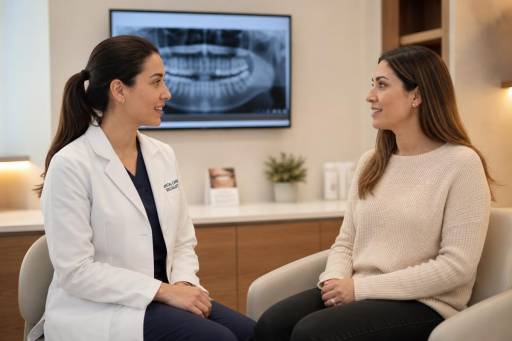
Open communication and personalized treatment planning are essential qualities to seek, ensuring your specific needs and concerns are addressed. A comprehensive consultation should include thorough assessments, clear explanations of your options, and realistic discussions about timelines, costs, and expected results. Choosing a provider who listens attentively and involves you in decision-making fosters trust and helps set appropriate expectations for your rehabilitation journey.
Preparing for Your Full-Mouth Rehabilitation Journey
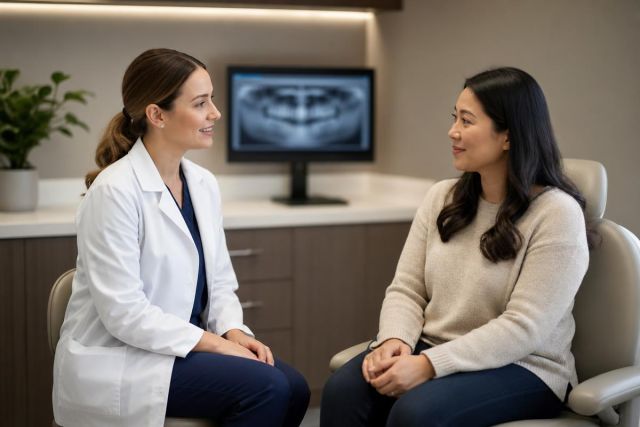
Before undergoing full-mouth rehabilitation, you’ll need to participate in several preparatory steps to ensure the best possible outcome. Initial consultations involve detailed dental examinations, including visual assessments, X-rays, and sometimes 3D imaging to evaluate the condition of your teeth, gums, and jawbone. Bite analysis is also performed to understand how your teeth come together and to identify any functional issues that need correction.
Discuss your medical history, dental concerns, and lifestyle habits openly with your dentist. This includes sharing information about any chronic health conditions, medications you are taking, smoking habits, and your daily oral hygiene routine. Such information helps tailor the procedure to your health status and expectations, ensuring that potential risks are minimized and the treatment plan is realistic.
Preoperative planning may include treatments to address gum disease, tooth decay, or infections to ensure your mouth is healthy enough to support restorations. Sometimes, preliminary procedures such as deep cleanings, root canals, or extractions are necessary before the rehabilitation can begin. Your provider will also explain the sequence of procedures, recovery times, and any temporary restorations needed during the process to maintain function and aesthetics while the permanent work is being completed.
Preparing mentally and physically for multiple appointments over weeks or months can help you stay comfortable and informed throughout your rehabilitation journey. It’s important to have realistic expectations about the time commitment, possible discomfort during healing phases, and the need for diligent oral care to maintain the results long-term. Open communication with your dental team will help address any concerns and ensure a smoother treatment experience.
Frequently Asked Questions
Q: What is tooth-supported full-mouth rehabilitation?
Restore Your Smile, Bite, and Chewing Function
Answer a few short questions and HealthNode will help you connect with the right prosthodontic, restorative, or full-mouth rehabilitation specialist.
Function, Comfort, and Appearance
This helps us understand whether your main need is chewing function, bite correction, smile restoration, or replacement of existing dental work.
Previous Dental Work and Treatment Options
A few details help the specialist understand whether crowns, bridges, implants, veneers, dentures, or a combined plan may be needed.
Dental Health and Planning Factors
These details help the specialist understand whether any gum, bone, bite, or healing factors may affect your treatment plan.
Contact information
Your information is only used to contact you and is never shared with third parties.
Your request has been received!
Thank you. If you have dental X-rays, panoramic X-ray, CBCT scan, intraoral scan, photos, previous crown, bridge, implant, denture, veneer, root canal, or treatment plan records, please keep them ready. A HealthNode consultant will guide you through the next step.
A: It is a comprehensive dental treatment that restores all or most of the teeth in the mouth using tooth-supported restorations such as crowns, bridges, and implants to improve function and appearance.
Q: Who is a good candidate for full-mouth dental restoration?
A: Candidates typically have extensive dental damage, missing teeth, or severe wear. A thorough dental evaluation is necessary to determine suitability.
Q: How long does the full-mouth rehabilitation process take?
A: The duration can vary from a few weeks to several months, depending on the complexity of the case and the procedures involved.
Q: Are there any risks associated with full-mouth rehab?
A: As with any dental procedure, risks include infection, discomfort, and potential need for adjustments. Choosing an experienced provider minimizes these risks.
Q: What are the long-term benefits of full-mouth dental restoration?
A: Long-term benefits include improved oral function, aesthetics, oral health, and overall quality of life.
Q: How do I find a qualified dental provider for full-mouth rehabilitation?
A: Look for board-certified prosthodontists or restorative dentists with extensive experience in full-mouth rehab and positive patient reviews.
The information provided is for educational purposes only and does not constitute medical advice. Always consult with a healthcare professional for medical guidance specific to your situation.