Table of Contents
What Are Implant-Supported Dentures?
Implant-supported dentures are a modern dental restoration solution that combines the stability of dental implants with the full coverage of dentures. Unlike traditional dentures that rest on the gums and rely on adhesives or suction, implant-supported dentures anchor securely to implants surgically placed in the jawbone. This provides superior support, improved function, and greater comfort for patients who need full or partial tooth replacement.
This advanced solution addresses many challenges associated with conventional dentures, such as slipping, difficulty chewing, and bone loss over time. If you are exploring options for replacing multiple missing teeth or full arches, understanding implant-supported dentures can help you make an informed decision. These dentures offer a blend of durability, oral health benefits, and aesthetic improvement that many patients find life-changing.
Knowing how implant-supported dentures work and what to expect during treatment will prepare you for the process. This article will guide you through the fundamentals, benefits, procedure, candidacy considerations, and maintenance tips to support your journey toward restored dental function and confidence.
Restore Your Smile With Dentures or Full-Mouth Prosthetics
Answer a few short questions and HealthNode will help you connect with the right prosthodontic or restorative dental specialist.
Comfort, Function, and Appearance
This helps us understand whether you may need new dentures, denture adjustment, implant-supported dentures, or full-mouth prosthetics.
Dental History and Treatment Planning
A few details help the specialist understand whether you may need extractions, denture relining, implants, or full-mouth reconstruction.
Health and Prosthetic Factors
These details help the specialist understand any factors that may affect healing, denture fit, or implant-supported options.
Contact information
Your information is only used to contact you and is never shared with third parties.
Your request has been received!
Thank you. If you have dental X-rays, panoramic X-ray, CBCT scan, previous denture records, implant records, extraction notes, gum treatment records, or photos of your current dentures, please keep them ready. A HealthNode consultant will guide you through the next step.
Implant-Supported Dentures: A Modern Solution for Stable and Comfortable Tooth Replacement
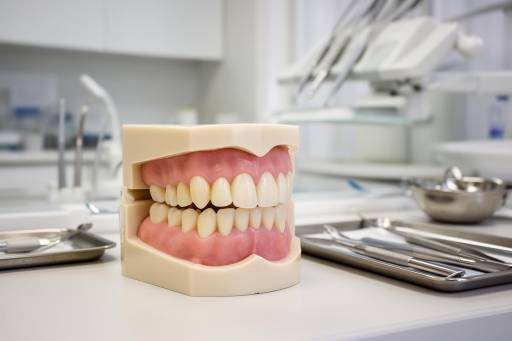
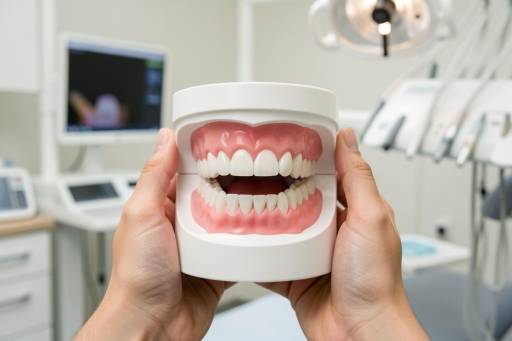
Implant-supported dentures are prosthetic teeth anchored to dental implants implanted in the jawbone. These implants act as artificial tooth roots, providing a strong foundation for the dentures. This differs from traditional removable dentures, which sit loosely on the gums and may cause discomfort or instability.
The dental implants are typically made of biocompatible titanium and integrate with the jawbone through a process called osseointegration. This integration helps preserve bone density and prevents the bone loss commonly seen with conventional dentures.
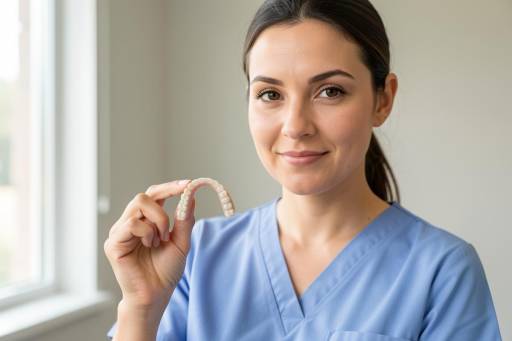
There are two main types of implant-supported dentures: fixed and removable. Fixed implant dentures are permanently attached and can only be removed by a dentist, while removable implant dentures snap onto implants and can be taken out by the patient for cleaning. Both types improve chewing ability, speech, and overall oral function compared to traditional dentures.
Because implant-supported dentures combine the benefits of dental implants and dentures, they represent a modern dental solution for patients seeking reliable tooth replacement with enhanced comfort and stability.
The Benefits of Choosing Implant-Supported Dentures
Implant-supported dentures offer several advantages over traditional dentures that can significantly improve your quality of life. One of the primary benefits is enhanced denture stability. Since implants anchor the dentures securely, you avoid the slipping or shifting that can occur with conventional dentures.
This stability also boosts patient comfort, as implant-supported dentures reduce gum irritation and sore spots caused by loose dentures rubbing against the soft tissues. The improved fit leads to better chewing efficiency, allowing you to enjoy a wider variety of foods without discomfort or worry.
Another key advantage is the preservation of jawbone health. The implants stimulate the bone similarly to natural tooth roots, preventing the bone resorption and facial changes that often accompany long-term denture wear.
Overall, implant-supported dentures improve oral health by maintaining bone structure and offering easier cleaning compared to denture adhesives. They also restore natural speech patterns and support facial aesthetics, contributing to increased confidence and social comfort.
The Procedure: What to Expect When Getting Implant-Supported Dentures
The journey to implant-supported dentures begins with a comprehensive dental consultation, where your oral health, bone density, and medical history are evaluated. Imaging such as X-rays or CT scans may be used to plan implant placement precisely.
During the dental implant surgery, small titanium posts are surgically placed into your jawbone under local anesthesia or sedation. After placement, a healing period of several months allows the implants to fuse securely with the bone, a process called osseointegration.
Once the implants have integrated, your dentist will take impressions to design your custom dentures. Depending on your case, you may receive temporary dentures during healing. Finally, your implant-supported dentures are attached either permanently or with removable clasps to the implants.
Throughout the process, your dental team will guide you on care instructions and monitor healing. While the treatment requires multiple visits and time for healing, the result is a durable and stable dental restoration.
Candidacy and Considerations: Is This the Right Choice for You?
Determining whether implant-supported dentures are right for you involves assessing your overall health, oral condition, and personal preferences. Adequate bone density is essential to support the implants; if bone loss has occurred, bone grafting procedures may be required.
Good general health and absence of conditions that impair healing, such as uncontrolled diabetes or heavy smoking, improve candidacy. Your dentist will also consider factors like gum health and your ability to maintain oral hygiene.
Age alone is not a limiting factor; many older adults successfully receive implant-supported dentures. Your lifestyle goals, comfort with surgery, and budget will also influence the decision.
A thorough dental evaluation and consultation with your provider will help determine the best approach tailored to your needs, ensuring the implant-supported dentures will provide long-term satisfaction and function.
Maintaining Your Implant-Supported Dentures: Tips for Longevity and Oral Health
Caring for implant-supported dentures requires attention to both the dentures themselves and the surrounding gum and bone tissues. Maintaining excellent oral hygiene is critical to prevent infection and ensure the longevity of your implants.
Brush your dentures and gums twice daily using a soft-bristle toothbrush and non-abrasive toothpaste. Floss around the implants or use interdental brushes to clean areas where food debris can accumulate.
Regular dental check-ups and professional cleanings are important to monitor the health of the implants and surrounding tissues. Your dentist can identify early signs of complications and provide treatments to maintain implant health.
Avoid hard or sticky foods that could damage the denture components, and refrain from smoking, as it can impair healing and increase the risk of implant failure.
Restore Your Smile With Dentures or Full-Mouth Prosthetics
Answer a few short questions and HealthNode will help you connect with the right prosthodontic or restorative dental specialist.
Comfort, Function, and Appearance
This helps us understand whether you may need new dentures, denture adjustment, implant-supported dentures, or full-mouth prosthetics.
Dental History and Treatment Planning
A few details help the specialist understand whether you may need extractions, denture relining, implants, or full-mouth reconstruction.
Health and Prosthetic Factors
These details help the specialist understand any factors that may affect healing, denture fit, or implant-supported options.
Contact information
Your information is only used to contact you and is never shared with third parties.
Your request has been received!
Thank you. If you have dental X-rays, panoramic X-ray, CBCT scan, previous denture records, implant records, extraction notes, gum treatment records, or photos of your current dentures, please keep them ready. A HealthNode consultant will guide you through the next step.
By following these care tips, you can enjoy the benefits of your implant-supported dentures for many years while supporting your overall oral health.
Frequently Asked Questions
Q: How long do implant-supported dentures last?
A: With proper care and regular dental check-ups, implant-supported dentures can last 10-15 years or longer. Their longevity depends on factors such as oral hygiene, bone health, and routine maintenance. It's important to follow your dentist's advice to maximize their lifespan.
Q: Are implant-supported dentures painful to get?
A: The procedure is performed under anesthesia, so you should not feel pain during surgery. Some post-operative discomfort or swelling is normal but can usually be managed with prescribed pain relievers. Most patients find the recovery manageable and experience significant comfort improvements once healed.
Q: How do I care for my implant-supported dentures?
A: Maintain good oral hygiene by brushing your dentures and gums twice daily with a soft brush and flossing around implants. Schedule regular dental visits for professional cleanings and check-ups. Proper care reduces the risk of infection and helps your dentures last longer.
Q: Are implant-supported dentures suitable for everyone?
A: Candidates generally need sufficient jawbone density and good overall health to receive implants. Certain medical conditions or lifestyle factors may affect candidacy. A thorough dental assessment is necessary to determine if implant-supported dentures are appropriate for your situation.
Q: What is the cost range for implant-supported dentures?
A: Costs vary widely depending on geographic location, number of implants, and specific treatment plans. Generally, implant-supported dentures can range from $3,000 to $8,000 per arch. Consult your dental provider for detailed pricing and financing options.
The information provided is for educational purposes only and does not constitute medical advice. Always consult with a healthcare professional for medical guidance specific to your situation.