Quick Answer
Effective wellness tips to reduce daily stress include regular physical activity, practicing mindfulness exercises such as deep breathing and mindful walking, maintaining a consistent sleep schedule, and adopting healthy coping strategies like good time management and social support.
- Regular physical activity releases endorphins that improve mood and reduce tension, helping to lower stress levels.
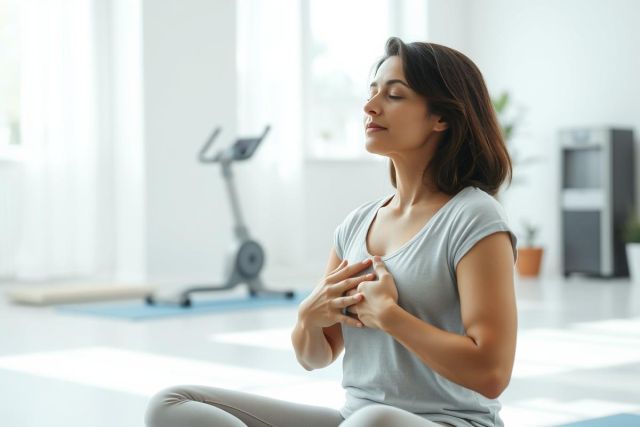
- Mindfulness exercises, including deep breathing and mindful walking, focus attention on the present moment and promote relaxation.
- Establishing a consistent sleep schedule and calming bedtime routine supports cognitive function and stress management.
- Healthy coping strategies include good time management, breaking tasks into manageable steps, and seeking social support.
- Nutrition plays a role in stress reduction; omega-3 fatty acids, complex carbohydrates, fruits, vegetables, and proper hydration support mental well-being.
- Building a personal stress management toolkit involves identifying stress triggers and incorporating tailored practices like exercise, mindfulness, and relaxation techniques.
- Experimenting with different wellness practices and maintaining consistency helps achieve lasting benefits in stress relief.
What Wellness Tips Help Reduce Daily Stress?
Daily stress can take a toll on both mental and physical health. Implementing effective wellness tips to reduce daily stress is essential for enhancing overall well-being. Chronic stress can lead to numerous health issues, including anxiety, depression, and heart disease. By adopting simple yet impactful practices for stress relief, individuals can improve their quality of life and foster resilience.
Mindfulness exercises for stress relief have gained popularity due to their effectiveness. These techniques allow individuals to focus on the present moment, reducing feelings of overwhelm. Incorporating these practices into daily routines can lead to profound changes in stress management.
Healthy coping strategies play a vital role in managing stress effectively. Establishing routines that include physical activity and social connection can enhance emotional support. Exploring various approaches to wellness can empower individuals to take control of their stress levels.
Get expert support for your treatment
Let our coordination team prepare a personalized plan for you.
Contact information
Your information is only used to contact you and is never shared with third parties.
Your request has been received!
Your request has been received! Our coordination team will contact you as soon as possible.
7 Essential Daily Habits to Instantly Lower Stress Levels
Adopting daily habits for stress can significantly enhance your well-being. Simple actions integrated into your routine can lead to major improvements. Each habit provides a unique way to reduce daily stress and improve your overall health. Implementing these wellness tips can help you feel more balanced and in control.
Regular physical activity is one of the most effective ways to lower stress levels. Engaging in even short bursts of exercise can release endorphins, the body's natural mood lifters. Activities such as walking, yoga, or dancing can improve your mood and relieve tension. Aim for at least 30 minutes of movement most days to maximize these benefits.
Practicing mindfulness is another crucial method to reduce daily stress. Mindfulness techniques encourage focusing on the present moment without judgment. Simple practices, like deep breathing or meditation, can help calm racing thoughts. These techniques serve as effective stress management tools, allowing you to regain control over your feelings.
Establishing a consistent sleep schedule is vital for managing stress. Quality sleep helps your body recover and recharge, improving cognitive function. Create a calming bedtime routine to promote better sleep quality. Incorporating these daily habits will lead to a more relaxed mind and body, enhancing your resilience against stress.
How to Use Mindfulness Exercises for Stress Relief
Mindfulness exercises for stress relief offer powerful techniques for calming the mind. These exercises help you focus on the present moment, reducing anxiety and promoting relaxation. Practicing mindfulness can enhance your emotional resilience and improve overall well-being.
Deep breathing is one of the most accessible mindfulness exercises. This technique involves inhaling slowly through your nose and exhaling through your mouth. Focusing on your breath helps ground you in the present. Regularly practicing deep breathing can significantly lower stress levels and improve your mental clarity.
Mindful walking is another effective stress management technique. This practice encourages awareness of your surroundings while you walk. Paying attention to each step and your breathing creates a meditative experience. Mindful walking can be done anywhere, making it a convenient way to integrate mindfulness into daily life.
Incorporating these stress relief practices into your routine can lead to lasting benefits. Set aside time each day for mindfulness exercises that resonate with you. Experiment with different techniques to find what works best. Committing to these practices will help you manage stress and cultivate a sense of peace.
Top 5 Healthy Coping Strategies for Managing Stress
Healthy coping strategies for managing stress are essential for well-being. These strategies empower individuals to navigate daily challenges without harmful behaviors. Choosing effective methods allows you to confront stressors head-on and promotes resilience. Implementing these techniques can significantly enhance your ability to cope with life's demands.
Regular physical activity is a vital strategy for stress management. Exercise releases endorphins, which improve mood and reduce tension. Activities like jogging, swimming, or even brisk walking can have profound effects. Incorporating at least 30 minutes of exercise most days helps lower stress levels effectively.
Practicing good time management is another key approach. Organizing tasks and setting priorities can create a sense of control. Break large projects into smaller, manageable steps to reduce feelings of overwhelm. Utilizing planners or digital tools can help streamline your responsibilities, making it easier to stay on track.
Social support plays a crucial role in managing stress. Connecting with friends, family, or support groups provides emotional relief. Sharing your feelings and experiences can foster understanding and encouragement. Exploring these healthy coping strategies will enhance your ability to face stress and promote overall well-being. Start integrating these techniques today to experience lasting benefits in your life.
Crucial Nutrition Tips That Support Stress Reduction
Nutrition tips for stress can significantly impact your mental well-being. The foods you consume play a vital role in how your body manages stress. Certain nutrients can enhance your mood and promote relaxation. Prioritizing these nutrition tips may help you reduce daily stress effectively.
Incorporating omega-3 fatty acids into your diet is essential. Foods like fatty fish, walnuts, and flaxseeds are rich in these beneficial fats. Omega-3s have been shown to decrease anxiety and improve overall mood. Regular consumption of these foods can support your body in coping with stress.
Another important aspect is maintaining stable blood sugar levels. Consuming complex carbohydrates, such as whole grains and legumes, can help. These foods release energy slowly, preventing mood swings and irritability. Including a variety of colorful fruits and vegetables also provides essential vitamins and minerals to enhance well-being.
Hydration is equally crucial for managing stress effectively. Drinking enough water helps your body function optimally and keeps your mind clear. Aim to consume at least eight cups of water daily. Implementing these wellness tips will empower you to make healthier food choices and reduce daily stress.
Get expert support for your treatment
Let our coordination team prepare a personalized plan for you.
Contact information
Your information is only used to contact you and is never shared with third parties.
Your request has been received!
Your request has been received! Our coordination team will contact you as soon as possible.
How to Build Your Personal Stress Management Toolkit
Building your personal stress management toolkit is essential for well-being. A well-rounded toolkit includes various practices for stress relief tailored to your needs. By identifying effective strategies, you can create a resource that helps you manage stress effectively. This proactive approach enables you to tackle daily challenges with confidence.
Start by identifying stress triggers and effective coping methods. Reflect on situations that elevate your stress levels and how you react. Recognizing these patterns will guide you in selecting appropriate techniques. Incorporating mindfulness exercises and deep-breathing practices can be beneficial for immediate relief.
Next, include physical activities that resonate with you. Exercise is a powerful tool for lowering stress levels. Choose activities you enjoy, such as jogging, yoga, or dancing. Regular physical activity not only improves mood but also contributes to long-term resilience against stress.
Finally, prioritize relaxation techniques that promote mental clarity. Incorporating practices like journaling or guided meditation can help you unwind. Create a dedicated space where you can practice these wellness tips regularly.
Frequently Asked Questions
Q: What are effective wellness tips for reducing stress?
A: Effective wellness tips for reducing stress include regular exercise. Mindfulness exercises for stress can also be very beneficial. Eating a balanced diet and staying hydrated plays a key role. Engaging in hobbies helps to alleviate daily stress.
Q: How can I implement healthy coping strategies for stress?
A: Implementing healthy coping strategies for stress starts with identifying triggers. Journaling your feelings can provide clarity and insight. Practicing yoga or meditation can enhance mental well-being. Regular social interactions also support emotional resilience.
Q: What are some mindfulness exercises for stress relief?
A: Mindfulness exercises for stress relief include deep breathing techniques. Guided imagery and progressive muscle relaxation can also help. Engaging in mindful walking promotes a sense of calm. These practices can improve overall stress management.
Q: When should I consider professional help for stress management?
A: Consider professional help for stress management if stress persists. If daily activities become overwhelming, seeking support is vital. Signs of anxiety or depression warrant immediate attention. A healthcare provider can guide effective stress management techniques.
Q: How do I choose the right practices for stress relief?
A: Choosing the right practices for stress relief involves personal preference. Experiment with various techniques to find what works best. Consider integrating physical activities and relaxation methods. Consistency is key to achieving lasting benefits.
The information provided is for educational purposes only and does not constitute medical advice. Always consult with a healthcare professional for medical guidance specific to your situation.