Quick Answer
Fluoroscopy during hip replacement surgery provides real-time X-ray imaging that helps surgeons verify the precise placement of hip implants such as the acetabular cup and femoral stem. This ensures optimal joint function, stability, and reduces the risk of complications by allowing immediate adjustments during the procedure.
- Fluoroscopy offers continuous intraoperative imaging to guide accurate implant positioning in hip replacement surgery.
- It helps confirm the correct angle, depth, and alignment of the acetabular cup and femoral stem to maintain joint stability and leg length equality.
- The technique is especially useful in minimally invasive surgeries where direct visualization is limited.
- Fluoroscopy reduces the risk of complications like dislocation, implant loosening, leg length discrepancy, and abnormal wear.
- It allows surgeons to detect intraoperative fractures or bone defects promptly for immediate management.
- Radiation exposure from fluoroscopy is low and carefully controlled with protective measures to ensure patient safety.
- Using fluoroscopy contributes to better functional outcomes, faster recovery, and improved implant longevity tailored to the patient's anatomy.
Intraoperative X-Rays During Hip Replacement: What Does Fluoroscopy Help the Surgeon Check?
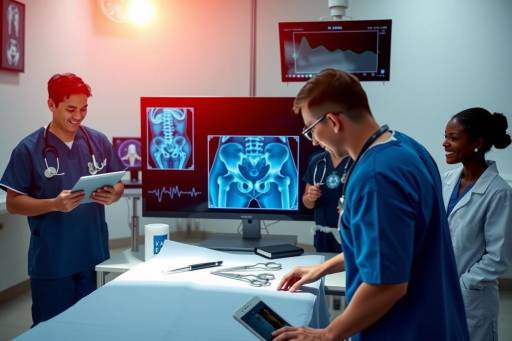
Fluoroscopy plays a crucial role during hip replacement surgery by providing surgeons with real-time X-ray imaging that guides the precise placement of implants. This continuous imaging technique allows the surgical team to verify the positioning of key components such as the acetabular cup and femoral stem during the operation. Accurate placement is vital for joint stability, proper function, and the long-term success of the implant, helping to reduce the risk of complications.
During hip replacement, the surgeon must carefully align implant parts to match the patient’s unique anatomy and biomechanics. Fluoroscopy assists by offering immediate visual feedback, helping to avoid malpositioning that could lead to issues such as dislocation, leg length discrepancy, or abnormal wear of the prosthetic components. This intraoperative imaging enhances surgical precision and overall outcomes by allowing the surgeon to make adjustments in real time.
For patients preparing for hip replacement surgery, understanding how fluoroscopy is used can help demystify the procedure and provide reassurance about the advanced techniques involved. This technology is an important tool in modern orthopedic surgery, especially for complex cases or minimally invasive approaches where direct visualization of the surgical site is limited.
Find Out If Hip Replacement Surgery May Be Right for You
Answer a few short questions and HealthNode will help you connect with the right orthopedic hip specialist.
Pain and Daily Mobility
This helps us understand how much your hip affects walking, sleep, and daily activities.
Previous Diagnosis or Treatment
Tell us what has already been checked or tried before considering surgery.
Surgery Goals and Timing
Tell us what kind of support you are looking for now.
Contact information
Your information is only used to contact you and is never shared with third parties.
Your request has been received!
Thank you. If you have hip X-ray, MRI, CT scan, diagnosis notes, medication history, injection records, physical therapy notes, or previous surgery records, please keep them ready. A HealthNode consultant will guide you through the next step.
By integrating fluoroscopy into the surgical process, orthopedic teams can tailor the procedure to each patient’s specific needs, improving implant longevity and functional recovery. The use of this technology reflects ongoing advancements in surgical care aimed at optimizing patient safety and satisfaction.
How Fluoroscopy Guides Accurate Placement of Hip Implants
Fluoroscopy provides continuous X-ray imaging during hip replacement surgery, enabling surgeons to visualize the position of implants as they are inserted in real time. This immediate feedback is essential because precise alignment of the hip components directly affects joint function, stability, and the longevity of the implant.
The surgeon uses fluoroscopy to confirm that the acetabular cup is implanted at the correct angle and depth within the pelvic bone. Proper positioning of the cup helps replicate natural joint mechanics, reducing the risk of dislocation and uneven wear, which can compromise the implant’s durability. Similarly, the placement of the femoral stem in the thigh bone is verified to maintain leg length equality and joint stability, both of which are crucial for comfortable mobility after surgery.
Intraoperative imaging is especially helpful in minimally invasive or anterior approach hip replacements where the surgical field is more limited. These smaller incisions restrict direct visualization, so fluoroscopy compensates by providing a clear view of implant positioning that might otherwise be difficult to assess visually.
By continuously checking implant alignment throughout the procedure, surgeons can make immediate adjustments as needed, reducing the likelihood of postoperative complications such as dislocation, leg length discrepancy, or implant loosening. This proactive approach helps avoid the need for revision surgeries and supports better functional outcomes.
Ultimately, fluoroscopy enhances surgical accuracy and contributes to higher patient satisfaction by promoting optimal implant placement tailored to the individual’s anatomy and surgical approach.
What Specific Implant Positions Does Fluoroscopy Verify During Surgery?
Fluoroscopy assists surgeons in assessing several critical aspects of implant positioning during hip replacement, ensuring that each component is placed with precision to optimize joint function and longevity. One of the primary uses is verifying the orientation and placement of the acetabular cup, which must be angled correctly to provide joint stability and maximize the range of motion. Incorrect cup positioning, such as excessive tilt or improper depth, can lead to complications like dislocation or accelerated wear of the implant, potentially necessitating revision surgery.
The technique also confirms the femoral stem’s alignment within the femur, including its depth and rotational position. Proper alignment of the femoral stem is essential for maintaining equal leg length and balanced muscle function, both of which are important for postoperative mobility and comfort. Misalignment can result in gait disturbances or uneven stress on surrounding tissues.
In addition to these key positions, fluoroscopy allows assessment of the overall hip joint center and offset, which influence the biomechanics of walking and standing. Accurate restoration of these parameters helps prevent gait abnormalities and reduces stress on muscles, tendons, and ligaments around the hip, contributing to better functional outcomes.
Surgeons may also use fluoroscopy to check for any intraoperative fractures or bone defects that require immediate attention, further enhancing surgical safety and outcomes. Detecting such issues during surgery allows for timely management, reducing the risk of postoperative complications.
By providing real-time imaging throughout the procedure, fluoroscopy enables the surgical team to make informed decisions and adjustments, ensuring the implant is positioned optimally for each patient’s unique anatomy and functional needs.
How Fluoroscopy Improves Surgical Safety and Outcome Quality
The use of fluoroscopy during hip replacement significantly enhances surgical safety by minimizing the risk of implant misplacement, which is a critical factor in the success of the procedure. Accurate implant positioning reduces the chance of complications such as dislocation, implant loosening, or the need for early revision surgery, all of which can negatively impact patient outcomes and quality of life.
Real-time imaging allows the surgeon to visualize the anatomy continuously and avoid unexpected challenges that may arise during the operation. This immediate feedback is invaluable, especially in patients with complex hip anatomy, deformities, or those who have undergone previous surgeries that may have altered normal landmarks. The ability to adapt the surgical plan instantly based on fluoroscopic images helps ensure the implant is placed optimally.
Fluoroscopy also decreases the likelihood of leg length discrepancies, a common postoperative concern that can cause discomfort, gait abnormalities, and mobility issues. By providing immediate visual confirmation, the surgeon can verify leg length equality during the procedure and make necessary adjustments before closing the surgical site.
Overall, the use of fluoroscopy contributes to better functional outcomes by supporting precise implant positioning, which in turn promotes faster recovery and longer durability of the hip replacement. This technology supports a more personalized surgical approach tailored to the individual patient’s anatomy and needs, ultimately improving patient satisfaction and reducing the risk of complications.
Fluoroscopy can also help detect any intraoperative complications such as fractures or hardware misalignment early, allowing for prompt correction. This proactive approach enhances surgical safety and contributes to the overall success of the procedure.
Considerations for Patients Regarding Fluoroscopy Use in Hip Replacement
While fluoroscopy offers clear benefits during hip replacement, patients may naturally have concerns about radiation exposure and how it might affect their health. It is important to understand that the radiation dose during intraoperative fluoroscopy is generally low and is carefully managed by the surgical team to ensure patient safety. The amount of radiation used is significantly less than what one might receive from diagnostic imaging like CT scans, and the exposure is limited to the duration necessary for accurate implant placement.
Surgeons and operating room staff employ various protective measures to minimize radiation exposure. These include using lead aprons, shields, and limiting the fluoroscopy time to the absolute minimum needed for effective guidance. The surgical team is trained to balance the need for imaging with safety protocols to protect both patients and staff.
The benefits of improved implant accuracy and reduced risk of complications such as dislocation, implant loosening, or leg length discrepancies generally outweigh the minimal radiation involved. Accurate implant positioning facilitated by fluoroscopy can lead to better functional outcomes and potentially reduce the need for revision surgeries later on.
If you have specific concerns about radiation exposure, a history of radiation sensitivity, or other health conditions, discussing these with your surgeon before surgery is advisable. Your surgeon can explain how fluoroscopy will be used safely in your particular case and what steps will be taken to minimize any risks.
Find Out If Hip Replacement Surgery May Be Right for You
Answer a few short questions and HealthNode will help you connect with the right orthopedic hip specialist.
Pain and Daily Mobility
This helps us understand how much your hip affects walking, sleep, and daily activities.
Previous Diagnosis or Treatment
Tell us what has already been checked or tried before considering surgery.
Surgery Goals and Timing
Tell us what kind of support you are looking for now.
Contact information
Your information is only used to contact you and is never shared with third parties.
Your request has been received!
Thank you. If you have hip X-ray, MRI, CT scan, diagnosis notes, medication history, injection records, physical therapy notes, or previous surgery records, please keep them ready. A HealthNode consultant will guide you through the next step.
Understanding the role of intraoperative imaging can also help you feel more confident in your surgical care. Knowing that advanced technology supports the best possible outcomes can provide reassurance that your surgical team is utilizing all available tools to optimize your recovery and long-term joint function.
Frequently Asked Questions
Q: What is the main benefit of fluoroscopy during hip replacement?
A: Fluoroscopy provides real-time X-ray images that help the surgeon ensure precise placement of hip implants during surgery. This accuracy reduces complications and improves joint function after the procedure.
Q: Does fluoroscopy increase radiation risk for the patient?
A: The radiation exposure from intraoperative fluoroscopy is low and carefully controlled. Surgeons use protective measures and limit imaging time to keep radiation doses within safe levels.
Q: Can fluoroscopy detect problems during hip replacement surgery?
A: Yes, fluoroscopy helps identify implant misalignment, bone fractures, or other issues during surgery. Detecting these problems immediately allows the surgeon to correct them before finishing the procedure.
Q: Is fluoroscopy always used in hip replacement surgeries?
A: Fluoroscopy is commonly used but not mandatory in all hip replacements. Its use depends on the surgical approach, patient anatomy, and surgeon preference to optimize implant positioning.
Q: How does fluoroscopy affect recovery after hip replacement?
A: By helping place implants accurately, fluoroscopy contributes to better joint stability and function. This can lead to smoother recovery, less pain, and a lower chance of needing revision surgery later.
The information provided is for educational purposes only and does not constitute medical advice. Always consult with a healthcare professional for medical guidance specific to your situation.