Quick Answer
Navigating stairs and driving home alone do not automatically rule out same-day hip replacement, but require careful assessment of fitness, home safety, and recovery planning. Patient health, mobility, and support systems are key factors in determining eligibility for same-day discharge.
- Same-day hip replacement eligibility depends on overall health, mobility, and ability to manage recovery tasks independently.
- Patients must be assessed for strength, balance, and endurance to safely navigate stairs after surgery.
- Driving oneself home immediately after surgery is generally not recommended due to anesthesia and medication effects.
- Home safety modifications and emergency planning are essential for patients recovering without a caregiver.
- Advances in surgical and anesthetic techniques have made same-day hip replacement more feasible and safer.
- Patients should discuss their home environment, caregiving situation, and transportation plans with their surgeon before surgery.
- Recognizing warning signs and maintaining communication with healthcare providers is crucial for a safe recovery.
Stairs, No Caregiver and a Long Drive Home: Can These Rule Out Same-Day Hip Replacement?
Same-day hip replacement surgery is increasingly feasible for patients who meet specific health and mobility criteria. Navigating stairs independently and driving home after surgery do not automatically rule out the option of same-day discharge, but they do require thorough assessment and preparation.
Your overall fitness, the presence or absence of a caregiver, and the logistics of your home environment and transportation all influence whether same-day hip replacement is a safe and practical choice. Advances in surgical techniques and anesthesia have made outpatient procedures more common, but patient safety remains the priority.
Understanding your personal health status and recovery needs is essential before deciding if same-day hip replacement fits your circumstances. This includes evaluating your mobility, home setup, and support systems to ensure a smooth and safe recovery period.
Find Out If Hip Replacement Surgery May Be Right for You
Answer a few short questions and HealthNode will help you connect with the right orthopedic hip specialist.
Pain and Daily Mobility
This helps us understand how much your hip affects walking, sleep, and daily activities.
Previous Diagnosis or Treatment
Tell us what has already been checked or tried before considering surgery.
Surgery Goals and Timing
Tell us what kind of support you are looking for now.
Contact information
Your information is only used to contact you and is never shared with third parties.
Your request has been received!
Thank you. If you have hip X-ray, MRI, CT scan, diagnosis notes, medication history, injection records, physical therapy notes, or previous surgery records, please keep them ready. A HealthNode consultant will guide you through the next step.
Assessing Patient Fitness for Same-Day Hip Replacement
Determining eligibility for same-day hip replacement relies heavily on your overall health and mobility status. Surgeons and healthcare teams evaluate your medical history, current physical condition, and ability to perform basic movements safely before recommending outpatient surgery.
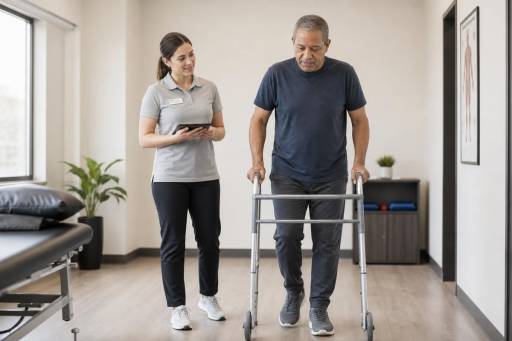
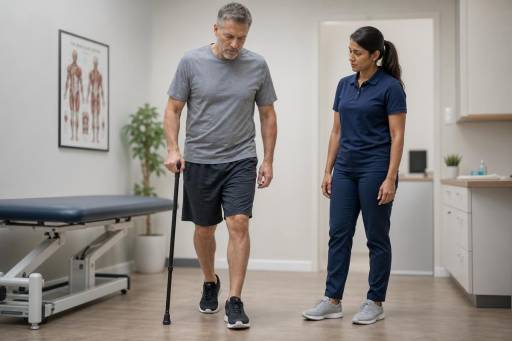
Key factors include your cardiovascular and respiratory health, absence of significant comorbidities, and your capacity to move independently with or without assistive devices. A mobility assessment often focuses on your ability to walk, climb stairs, and manage personal care tasks safely.
Patients who demonstrate sufficient strength, balance, and endurance are better candidates for same-day discharge. This fitness evaluation helps minimize postoperative complications and supports a more comfortable recovery at home.
Your surgical team will also consider your pain tolerance and how well you respond to anesthesia, as these impact your ability to manage recovery without extended inpatient care. Clear communication about your health status with your surgeon is crucial to determine if same-day hip replacement is appropriate for you.
Risks and Benefits of Going Home Alone After Hip Surgery
Leaving the hospital the same day as your hip replacement surgery and managing without a caregiver carries both potential advantages and risks. Independence in your recovery can boost confidence and comfort, reducing exposure to hospital-related infections and promoting faster psychological adjustment.
However, unsupervised recovery requires careful consideration of safety risks, especially if you must navigate stairs or undertake a long drive home. Falls, pain management challenges, or unexpected complications can be harder to address without immediate support.
Patients going home alone should assess their ability to manage daily tasks and recognize warning signs that require medical attention. Planning for emergency contacts and having accessible aid devices can mitigate some risks.
Balancing the benefits of independence with these safety considerations is essential. Transparent discussions with your healthcare provider can help you weigh whether same-day discharge without a caregiver matches your personal needs and capabilities.
Preparation Tips for a Safe Same-Day Hip Replacement Recovery
Preparing your home environment before surgery is key to ensuring safety and comfort during recovery without a caregiver. Remove loose rugs, secure handrails, and create clear pathways to minimize fall risks, particularly on stairs.
Organize essential items within easy reach to avoid unnecessary movement. If you have stairs at home, consider temporary modifications such as portable ramps or stairlifts if feasible.
Transportation planning is equally important. Arrange for a reliable ride home, ideally with someone who can assist if needed, even if they do not stay with you. Avoid driving yourself immediately after surgery as anesthesia and pain medications can impair reaction times.
Stock your home with supplies like ice packs, medications, and easy-to-prepare meals. Having a phone accessible to call for help if needed adds an extra safety layer.
These proactive steps help create a safer recovery environment, supporting your independence while reducing potential hazards after same-day hip replacement.
Medical Innovations Making Same-Day Hip Replacement More Feasible
Recent advances in surgical and anesthetic techniques have significantly increased the safety and success of same-day hip replacement surgeries. Minimally invasive surgery reduces tissue damage, resulting in less pain, lower blood loss, and quicker mobilization after the procedure.
Enhanced recovery protocols, including multimodal pain management and early physical therapy, help patients regain mobility faster and reduce hospital stays. These innovations support same-day discharge even for patients who require some independence in their recovery.
Improved anesthesia techniques minimize side effects and facilitate quicker awakening, enabling thorough mobility assessments before discharge. Surgeons also tailor procedures to individual patient needs, ensuring safer outcomes.
These medical advances make outpatient hip replacement a viable option for more patients, including those who navigate stairs and manage transportation independently, provided they meet fitness and safety criteria.
When to Consult Your Surgeon About Your Recovery Plan
Discussing your specific circumstances with your surgeon is essential to create a recovery plan that aligns with your health status and home situation. If you live alone, have stairs to navigate, or face a long drive home, your surgeon can help assess potential risks and recommend necessary precautions.
Bring up concerns about caregiving, transportation, and home safety during your preoperative consultations. Your healthcare team may suggest additional support services, home modifications, or alternative discharge plans to ensure your safety.
Regular communication with your surgeon throughout the preoperative period allows adjustments based on your progress and any new health developments. This partnership helps optimize your recovery experience and outcomes.
Find Out If Hip Replacement Surgery May Be Right for You
Answer a few short questions and HealthNode will help you connect with the right orthopedic hip specialist.
Pain and Daily Mobility
This helps us understand how much your hip affects walking, sleep, and daily activities.
Previous Diagnosis or Treatment
Tell us what has already been checked or tried before considering surgery.
Surgery Goals and Timing
Tell us what kind of support you are looking for now.
Contact information
Your information is only used to contact you and is never shared with third parties.
Your request has been received!
Thank you. If you have hip X-ray, MRI, CT scan, diagnosis notes, medication history, injection records, physical therapy notes, or previous surgery records, please keep them ready. A HealthNode consultant will guide you through the next step.
Never hesitate to ask questions about your readiness for same-day discharge and what signs to watch for after surgery. Personalized guidance from your surgical provider is vital for a safe and confident recovery journey.
Frequently Asked Questions
Q: Can I safely climb stairs after same-day hip replacement surgery?
A: Many patients can navigate stairs safely after same-day hip replacement if they have been assessed for adequate strength and balance. Surgeons usually recommend using handrails and taking one step at a time. Practicing stair use with a physical therapist before surgery improves confidence and safety.
Q: Is it advisable to drive myself home after hip replacement surgery?
A: Driving yourself home immediately after hip replacement is generally not recommended due to anesthesia effects and pain medications. Arrange for someone to drive you or use professional transportation services. Your surgeon will advise when it’s safe to resume driving based on your recovery progress.
Q: What if I don’t have a caregiver at home after surgery?
A: Recovering without a caregiver requires thorough preparation, including home safety modifications and emergency plans. Consider arranging periodic check-ins from friends, family, or professional caregivers. Discuss your situation with your surgeon to identify additional support options.
Q: How do I know if I am fit for same-day hip replacement?
A: Your surgeon will evaluate your overall health, mobility, and ability to manage post-surgery tasks independently. Preoperative assessments include medical history review and physical exams. Being physically active and free from major health issues improves your eligibility.
Q: What are the signs that I need immediate medical attention after going home?
A: Signs needing urgent care include severe pain uncontrolled by medication, sudden weakness or numbness, chest pain, shortness of breath, fever above 101°F (38.3°C), or excessive bleeding or swelling at the surgery site. Contact your healthcare provider immediately if you experience any of these symptoms.
The information provided is for educational purposes only and does not constitute medical advice. Always consult with a healthcare professional for medical guidance specific to your situation.