Quick Answer
Avoiding revision surgery after knee replacement does not guarantee a good long-term outcome, as patients may still experience complications like implant failure, joint deterioration, or persistent pain. Proper postoperative care and regular medical evaluations are essential to manage risks and maintain knee function.
- Avoiding revision surgery can lead to worsening joint damage and increased discomfort over time despite no immediate surgery.
- Long-term complications include implant failure, instability, chronic pain, swelling, and bone loss around the implant.
- Poor outcomes can develop due to persistent implant wear, loosening, inflammation, or mechanical issues that worsen without revision.
- Both inadequate and excessive physical activity can negatively impact knee replacement longevity and function.
- Preventive measures include physical therapy, maintaining healthy weight, avoiding high-impact activities, balanced nutrition, and smoking cessation.
- Recognizing symptoms like increased pain, swelling, instability, or decreased range of motion is critical for timely medical evaluation.
- Regular follow-up care with imaging and clinical assessments helps detect early implant problems and supports optimal knee function over time.
A Knee Replacement Patient Can Avoid Revision and Still Have a Poor Long-Term Outcome
Avoiding revision surgery after a knee replacement does not guarantee a positive long-term outcome. While some patients may not require revision procedures, they can still experience complications such as implant failure, joint deterioration, or persistent pain. These issues can significantly affect mobility, daily function, and overall quality of life if they are not properly addressed in a timely manner.
Knee replacement surgery is designed to relieve pain and restore function in individuals with severe joint damage or arthritis, but it is not without risks over time. Implants can wear out, loosen, or become infected, and the surrounding bone and soft tissues may deteriorate. Understanding the potential long-term complications and how avoiding revision surgery might impact your knee health is crucial for making informed decisions about your care.
Proper postoperative care, including rehabilitation, lifestyle adjustments, and regular medical evaluations, plays a key role in managing these risks effectively. Staying informed about your knee's condition helps you recognize warning signs early and seek appropriate treatment.
Get Support for Joint Pain and Osteoarthritis
Answer a few short questions and HealthNode will help you connect with the right orthopedics, physical therapy, or joint care specialist.
Pain and Daily Life
This helps us understand how much the joint problem affects your movement and daily activities.
Previous Diagnosis or Treatment
Tell us what has already been checked or tried so we can route you to the right care option.
Contact information
Your information is only used to contact you and is never shared with third parties.
Your request has been received!
Thank you. If you have X-ray, MRI, blood test results, previous diagnosis notes, medication history, injection records, physical therapy notes, or previous surgery records, please keep them ready. A HealthNode consultant will guide you through the next step.
If you have had a knee replacement, it is important to monitor your symptoms, maintain recommended physical activity levels, and engage in strategies that support joint health. Consulting with your healthcare provider about any concerns or changes in your knee function will help you maintain the best possible knee function and quality of life over the long term.
Risks of Avoiding Revision Surgery After Knee Replacement
Revision surgery is often recommended to address issues such as implant loosening, infection, or wear that compromise knee function and cause pain. Choosing to avoid revision surgery when it is clinically indicated can lead to worsening joint damage and increased discomfort over time. Even if revision is avoided, the underlying problems with the implant or joint often continue to progress, potentially leading to more severe complications.
Long-term complications from untreated implant issues can include implant failure, where the prosthesis no longer functions properly; instability, which may cause the knee to feel weak or give way; persistent inflammation, leading to chronic pain and swelling; and bone loss around the implant, which can compromise the structural support of the joint. These conditions may significantly reduce your knee's mobility and cause ongoing discomfort.
In some cases, untreated problems can lead to deformities in the knee joint or difficulty walking, which can impact your ability to perform daily activities and reduce your overall quality of life. Additionally, delaying revision surgery may result in more complex surgical procedures later on, with longer recovery times and potentially less favorable outcomes.
Patients who avoid revision surgery should carefully weigh the risks of postponing or declining the procedure against the potential consequences for their knee health. It is important to maintain regular follow-up care and communicate any new or worsening symptoms to your healthcare provider to ensure timely management of complications and to preserve joint function as much as possible.
How Poor Long-Term Outcomes Can Develop Without Revision Surgery
Several factors contribute to poor long-term outcomes when revision surgery is avoided after a knee replacement. One of the primary issues is persistent implant wear or loosening, which can lead to chronic joint inflammation. This inflammation damages the surrounding soft tissues and bone, potentially resulting in pain, swelling, and decreased joint function. The process of wear and loosening can be gradual and may not cause immediate severe symptoms, which sometimes leads patients to delay seeking medical care or reconsidering revision surgery.
Patient behaviors also play a significant role in long-term knee health. Inadequate physical activity or failure to adhere to rehabilitation guidelines can worsen knee function by leading to muscle weakness and joint stiffness, which place additional stress on the implant. Conversely, overusing the joint without proper support or engaging in high-impact activities can accelerate implant wear and increase the risk of mechanical failure. Both extremes, too little or too much activity, can negatively affect the longevity and performance of the knee replacement.
Undiagnosed infections or mechanical issues such as implant malalignment or instability can also persist without revision surgery, causing ongoing pain, swelling, and functional decline. These problems may not resolve on their own and often worsen over time, making future treatment more complex and recovery more difficult.
Without timely medical intervention, the progression of these issues can lead to significant joint damage, reduced mobility, and diminished quality of life. Patients who avoid revision surgery should remain vigilant about monitoring symptoms and maintaining regular follow-up care to detect and address complications as early as possible.
Preventing Long-Term Problems After Knee Replacement Without Revision
You can take several proactive steps to optimize your knee health and reduce the risk of poor outcomes even if revision surgery is not pursued. Engaging in regular physical therapy is one of the most effective strategies, as it helps maintain joint mobility and strengthens the muscles surrounding the knee. Stronger muscles provide better support and stability, which reduces stress on the implant and can alleviate discomfort.
Lifestyle modifications also play a crucial role in protecting your knee joint. Maintaining a healthy weight minimizes the mechanical load on the knee, decreasing wear and tear on the implant. Avoiding high-impact activities, such as running or jumping, helps prevent excessive stress that could accelerate implant deterioration. Instead, low-impact exercises like swimming, cycling, or walking are generally recommended to promote joint health without undue strain.
Nutritional support is another important factor; a balanced diet rich in vitamins and minerals supports tissue healing and overall musculoskeletal health. Additionally, smoking cessation is strongly advised, as smoking can impair blood flow and delay tissue repair, potentially compromising recovery and implant longevity.
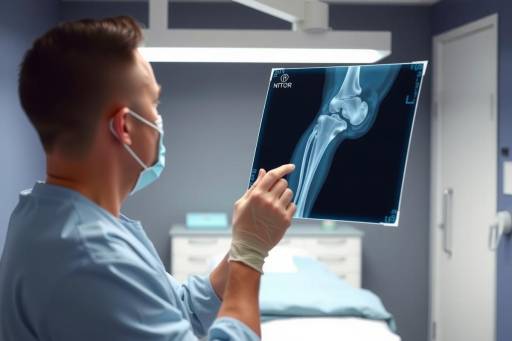
Regular medical check-ups are essential for monitoring the condition of your implant and identifying potential issues early. Imaging studies such as X-rays and physical assessments allow your healthcare provider to detect subtle changes before they become severe. Adhering to these strategies, along with maintaining open communication with your healthcare team, can help you preserve knee function and quality of life over time, even without undergoing revision surgery.
Signs That Indicate the Need for Medical Evaluation Long-Term
Recognizing symptoms that suggest emerging problems with your knee replacement is critical for timely medical evaluation and intervention. Increased knee pain, swelling, or stiffness that goes beyond what is expected during the normal recovery period should prompt you to consult your healthcare provider. These symptoms may indicate inflammation, implant wear, or other complications that require professional assessment.
Other warning signs to watch for include a sensation of instability or a feeling that your knee might give way unexpectedly, which can affect your balance and increase the risk of falls. Decreased range of motion, such as difficulty fully bending or straightening the knee, can signal joint deterioration or mechanical issues with the implant. Additionally, difficulty bearing weight on the affected leg or experiencing persistent weakness should not be ignored.
Visible changes in the knee's alignment or any new deformities, such as swelling that alters the shape of the joint or abnormal positioning of the leg, are also important indicators of potential complications. These signs may reflect loosening of the implant, bone loss, or other structural problems.
If you experience any of these symptoms, even if you initially chose to avoid revision surgery, it is important to seek professional assessment promptly. Early detection of problems allows for interventions that may slow disease progression, improve knee function, and prevent more serious damage. Delaying evaluation can lead to worsening symptoms and more complex treatment needs in the future. Maintaining open communication with your healthcare provider about any new or worsening symptoms is essential for preserving your knee health over the long term.
The Importance of Follow-Up Care and Monitoring After Knee Replacement
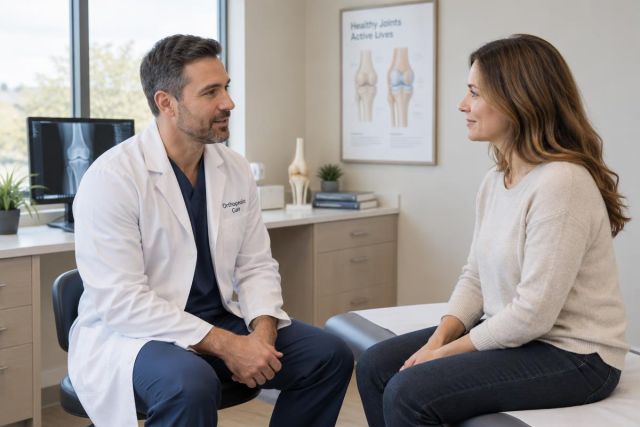
Ongoing follow-up care after knee replacement surgery is vital for detecting complications early and managing them effectively to ensure the best possible long-term outcomes. Regular visits to your orthopedic surgeon or specialist provide opportunities to assess the integrity of the implant and the function of the joint through thorough clinical examinations and appropriate imaging studies, such as X-rays or MRI scans.
These routine evaluations help identify subtle changes that might not yet cause noticeable symptoms but could indicate early implant wear, loosening, or other mechanical issues. Detecting these problems at an early stage allows healthcare providers to recommend timely interventions, which can prevent further damage and reduce the likelihood of needing more complex and invasive revision surgeries later on.
Consistent postoperative management also supports your rehabilitation progress by addressing any new concerns promptly, such as pain, swelling, or reduced mobility. This ongoing care helps optimize your knee function and comfort, enabling you to maintain an active lifestyle.
Get Support for Joint Pain and Osteoarthritis
Answer a few short questions and HealthNode will help you connect with the right orthopedics, physical therapy, or joint care specialist.
Pain and Daily Life
This helps us understand how much the joint problem affects your movement and daily activities.
Previous Diagnosis or Treatment
Tell us what has already been checked or tried so we can route you to the right care option.
Contact information
Your information is only used to contact you and is never shared with third parties.
Your request has been received!
Thank you. If you have X-ray, MRI, blood test results, previous diagnosis notes, medication history, injection records, physical therapy notes, or previous surgery records, please keep them ready. A HealthNode consultant will guide you through the next step.
Follow-up care also provides an opportunity to discuss lifestyle factors, physical activity levels, and any challenges you may be facing, allowing your healthcare team to tailor recommendations to your individual needs. Staying engaged with your healthcare providers and adhering to scheduled follow-up appointments ensures that your knee replacement continues to serve you well over the long term, helping to preserve joint function and improve your overall quality of life.
Frequently Asked Questions
Q: What are common long-term complications after knee replacement?
A: Common long-term complications include implant loosening, wear, infection, joint stiffness, and instability. These issues can cause pain and reduced mobility. Monitoring your knee regularly helps detect these problems early.
Q: Can I avoid revision surgery and still maintain good knee function?
A: Avoiding revision surgery does not always guarantee good knee function. Some patients maintain stability and comfort, but others may develop complications that impair mobility. Following rehabilitation and attending regular check-ups are important for the best outcomes.
Q: What lifestyle changes help protect my knee after replacement?
A: Maintaining a healthy weight, engaging in low-impact exercises, and avoiding high-impact activities help protect your knee. Balanced nutrition and quitting smoking also support tissue health and healing. Discuss personalized lifestyle advice with your healthcare provider.
Q: When should I see my doctor after knee replacement surgery?
A: You should see your doctor if you experience increasing pain, swelling, instability, or difficulty moving your knee. Routine follow-ups are also important even without symptoms to monitor implant condition. Prompt evaluation ensures timely management of any issues.
Q: How often should I have follow-up appointments after knee replacement?
A: Follow-up appointment frequency varies but commonly includes visits at 6 weeks, 3 months, 6 months, and annually thereafter. Your surgeon may recommend more frequent visits if problems arise. Regular monitoring helps maintain knee health over time.
The information provided is for educational purposes only and does not constitute medical advice. Always consult with a healthcare professional for medical guidance specific to your situation.