Quick Answer
Knee replacement surgery involves a short hospital stay and initial recovery over weeks, but the full outcome is typically assessed about a year later to evaluate long-term success and implant performance.
- The immediate recovery after knee replacement includes a hospital stay of a few days focusing on pain management and early mobilization.
- Long-term success depends on patient health, surgical technique, implant type, rehabilitation, and lifestyle factors.
- Normal healing signs include mild swelling, discomfort, and gradual mobility improvement, while severe pain or infection signs require medical attention.
- The one-year follow-up is crucial to assess implant position, function, and detect any complications like loosening or wear.
- Ongoing physical therapy and lifestyle adjustments such as maintaining healthy weight and low-impact exercise support implant durability.
- Regular follow-up visits and imaging help monitor the implant and address issues early to ensure lasting benefits.
- Patients should have realistic expectations about recovery timelines and prioritize long-term care to optimize knee replacement outcomes.
A Knee Replacement Trip Ends in Days, but the Outcome May Be Judged a Year Later
Knee replacement surgery is a common and effective procedure designed to relieve pain and restore function in patients with severe knee joint damage. The surgery typically involves a short hospital stay, often lasting just a few days, followed by an initial recovery period that spans several weeks. During this time, patients focus on healing, pain management, and regaining basic mobility.
However, the true success of the procedure is often judged months or even a year later, as the implant settles into place and you regain strength, flexibility, and function in your knee. The healing process continues well beyond the immediate postoperative phase, involving gradual tissue adaptation and rehabilitation to optimize outcomes.
For patients traveling abroad for knee replacement surgery, understanding this extended timeline is especially crucial. While the surgical procedure and immediate postoperative care may conclude quickly, your body’s adaptation to the new joint and the long-term durability of the implant will become clear only over time. This means that ongoing care, follow-up evaluations, and rehabilitation are essential components of your recovery journey, regardless of where the surgery was performed.
Get Support for Joint Pain and Osteoarthritis
Answer a few short questions and HealthNode will help you connect with the right orthopedics, physical therapy, or joint care specialist.
Pain and Daily Life
This helps us understand how much the joint problem affects your movement and daily activities.
Previous Diagnosis or Treatment
Tell us what has already been checked or tried so we can route you to the right care option.
Contact information
Your information is only used to contact you and is never shared with third parties.
Your request has been received!
Thank you. If you have X-ray, MRI, blood test results, previous diagnosis notes, medication history, injection records, physical therapy notes, or previous surgery records, please keep them ready. A HealthNode consultant will guide you through the next step.
Having realistic expectations about the recovery process helps you stay motivated and engaged in your rehabilitation efforts. It also encourages you to prioritize long-term follow-up visits and lifestyle adjustments that support the health of your new knee. By appreciating the full scope of recovery, you can better navigate the challenges and milestones of your knee replacement journey, ultimately achieving the best possible outcome and improved quality of life.
The Immediate Post-Surgery Experience and What to Expect in the First Days
After undergoing knee replacement surgery abroad, the initial recovery phase generally involves a hospital stay of a few days to allow for close monitoring and management of your condition. During this time, effective pain control is a top priority, typically achieved through prescribed medications such as opioids, nonsteroidal anti-inflammatory drugs, or nerve blocks. Healthcare professionals carefully monitor your pain levels and adjust treatments as needed to keep you comfortable.
Early mobilization is encouraged and usually begins within 24 hours after surgery. Physical therapists assist you with gentle movements, range of motion exercises, and walking with support such as crutches or a walker. This early activity promotes circulation, reduces the risk of blood clots, and helps prevent complications like stiffness or muscle atrophy. It also lays the foundation for regaining independence in daily activities.
While some discomfort, swelling, and bruising around the knee are normal during this immediate postoperative period, your care team will provide guidance on pain relief strategies, wound care, and signs to watch for that may indicate complications. Understanding that these initial outcomes set the stage for your long-term recovery is important for your overall treatment plan.
You will also receive instructions on how to manage your knee at home, including safe ways to move, elevate the leg, and care for the surgical site. Being proactive in following these recommendations helps ensure a smoother recovery and reduces the likelihood of setbacks as you progress toward full healing.
Factors Influencing Long-Term Success of Your Knee Replacement
The durability and function of your knee replacement depend on a combination of factors that extend beyond the surgical procedure itself. Patient health characteristics such as body weight, activity level, and the presence of underlying medical conditions like diabetes, arthritis, or osteoporosis significantly influence how well your knee performs over time. Maintaining optimal health supports tissue healing and reduces stress on the implant.
Surgical techniques and the type of implant used also play a critical role in long-term outcomes. Advances in technology and materials have improved implant longevity and wear resistance. However, proper surgical placement, alignment, and fixation of the implant components remain essential to ensure even load distribution and prevent premature loosening or failure.
Postoperative rehabilitation and adherence to physical therapy recommendations are vital to restoring muscle strength and joint function, which help protect the implant from excessive strain. Maintaining a healthy lifestyle with appropriate activity levels, including low-impact exercises, supports implant durability while avoiding activities that place high stress on the knee, such as running, jumping, or heavy lifting.
Regular follow-up care with your orthopedic surgeon allows monitoring of implant condition and early intervention if problems arise. By understanding and managing these factors, you can maximize the longevity and success of your knee replacement, helping you maintain mobility and quality of life for many years.
Signs That Indicate Your Knee Replacement Is Healing Well or Needs Attention
Recognizing normal healing signs after knee replacement surgery helps you feel confident in your recovery progress and allows you to distinguish between expected symptoms and potential problems. Mild swelling around the knee, occasional discomfort or aching, and gradual improvement in mobility and range of motion are typical in the weeks following surgery as your body adjusts to the implant and begins tissue repair. These signs indicate that healing is progressing as expected.
However, it is important to remain vigilant for symptoms that may suggest complications requiring prompt medical attention. Persistent severe pain that does not improve with pain medication, increased or worsening swelling, redness or warmth around the surgical incision, drainage or foul odor from the wound, and systemic symptoms such as fever or chills could be signs of infection or implant-related issues. Additionally, new numbness, tingling, or weakness in the leg may indicate nerve involvement.
Regular postoperative monitoring through scheduled follow-up visits allows your surgeon to assess the healing process, evaluate the surgical site, and address any concerns early before they develop into more serious problems. Imaging studies or laboratory tests may be ordered if complications are suspected. Staying attentive to your body's signals, adhering to postoperative instructions, and maintaining open communication with your healthcare team are essential steps to ensure a safe recovery and avoid long-term problems with your knee replacement.
Why a One-Year Follow-Up Is Crucial for Assessing Your Knee Replacement Outcome
While the early recovery period after knee replacement surgery focuses primarily on wound healing, pain control, and regaining basic mobility, the one-year follow-up visit is a critical milestone for evaluating the overall success and durability of your knee replacement. By this point, most swelling has resolved, the soft tissues have healed, and you have adapted to the new joint, allowing for a more accurate assessment of function and implant performance.
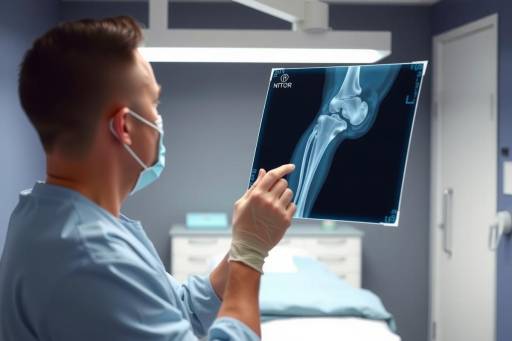
During the one-year evaluation, your surgeon will carefully examine your knee for range of motion, stability, and alignment. Imaging studies such as X-rays may be taken to check the position of the implant components, look for signs of loosening, wear, or bone changes around the implant. These issues can develop gradually and may not be apparent during the early postoperative period.
Identifying problems at this stage is important because it allows for timely intervention, which might include physical therapy adjustments, medication changes, or in some cases, revision surgery to correct implant issues before they worsen. This follow-up also provides an opportunity to discuss your activity level, any ongoing symptoms, and strategies to optimize long-term knee health.
The one-year visit also informs your ongoing care plan, including recommendations for continued physical therapy, exercise modifications, and lifestyle changes to maintain implant function and prevent complications. Scheduling and attending this follow-up appointment ensures that your knee replacement provides lasting benefit and supports your quality of life over the years to come.
Preparing for Your Long-Term Recovery and Maintaining Your Knee Health
Sustaining the benefits of knee replacement surgery requires ongoing care and attention well beyond the initial recovery period and first year after your procedure. Physical therapy remains a cornerstone of long-term recovery, focusing on strengthening the muscles around the knee, improving flexibility, and enhancing joint function to support daily activities and prevent stiffness.
In addition to structured rehabilitation, lifestyle modifications play a crucial role in maintaining your knee health and prolonging the life of your implant. Maintaining a healthy weight reduces stress on the joint and implant components, while engaging in low-impact exercises such as swimming, cycling, or walking helps improve cardiovascular fitness without overloading the knee. Avoiding high-impact activities like running or jumping is recommended to minimize wear and tear.
Nutrition and overall health also contribute significantly to your body's ability to heal and maintain joint integrity. Eating a balanced diet rich in vitamins, minerals, and anti-inflammatory foods supports tissue repair and bone health. Managing chronic conditions such as diabetes or osteoporosis is equally important to reduce risks associated with implant longevity.
Regular check-ups with your orthopedic surgeon and periodic imaging studies help monitor the condition of your implant over time, allowing early detection of any issues such as loosening or wear. Planning for long-term recovery empowers you to take an active role in your health, enabling you to enjoy improved mobility, reduced pain, and a better quality of life following your knee replacement surgery.
Frequently Asked Questions
Q: How soon can I expect to see improvements after knee replacement surgery?
Get Support for Joint Pain and Osteoarthritis
Answer a few short questions and HealthNode will help you connect with the right orthopedics, physical therapy, or joint care specialist.
Pain and Daily Life
This helps us understand how much the joint problem affects your movement and daily activities.
Previous Diagnosis or Treatment
Tell us what has already been checked or tried so we can route you to the right care option.
Contact information
Your information is only used to contact you and is never shared with third parties.
Your request has been received!
Thank you. If you have X-ray, MRI, blood test results, previous diagnosis notes, medication history, injection records, physical therapy notes, or previous surgery records, please keep them ready. A HealthNode consultant will guide you through the next step.
A: Most patients notice significant improvements within the first few months, but full recovery and optimal function may take up to a year.
Q: What are common long-term complications after knee replacement?
A: Long-term complications can include implant loosening, wear, infection, or stiffness, which may require medical intervention.
Q: How important is physical therapy after knee replacement?
A: Physical therapy is essential to regain mobility, strengthen the knee, and improve overall outcomes, especially in the first year post-surgery.
Q: When should I contact my surgeon after the procedure?
A: You should contact your surgeon if you experience severe pain, swelling, signs of infection, or any unusual symptoms during recovery.
Q: Can I return to sports after knee replacement?
A: Many patients can return to low-impact sports, but high-impact activities should be discussed with your surgeon to prevent implant damage.
Q: Why is the final outcome of my knee replacement judged a year later?
A: Because some issues, such as implant wear or loosening, develop gradually over time, making the one-year mark crucial for assessing success.
The information provided is for educational purposes only and does not constitute medical advice. Always consult with a healthcare professional for medical guidance specific to your situation.