Quick Answer
Knee replacement surgery can improve joint function and reduce pain even if you have peripheral neuropathy, though neuropathy may affect recovery speed and increase complication risks. A thorough medical evaluation and personalized treatment plan are essential for optimizing outcomes.
- Peripheral neuropathy affects nerve function, which can influence knee replacement recovery and outcomes.
- Neuropathy symptoms like numbness and muscle weakness may complicate surgery and rehabilitation.
- Preoperative assessments help identify risks and guide surgical and postoperative care adjustments.
- Customized rehabilitation plans addressing both joint recovery and neuropathy symptoms improve safety and effectiveness.
- A multidisciplinary healthcare team approach ensures personalized treatment and better management of neuropathy-related challenges.
- Knee replacement can lead to meaningful long-term improvements in pain relief and joint function despite neuropathy.
- Ongoing management of neuropathy alongside orthopedic care supports sustained mobility and quality of life improvements.
Can Knee Replacement Help if You Already Have Peripheral Neuropathy?
Knee replacement surgery can provide significant relief from joint pain and improve mobility even if you have peripheral neuropathy. However, peripheral neuropathy, which affects nerve function and sensation, may influence how you recover from the procedure and the overall outcomes. Medical professionals emphasize that a thorough evaluation of your neuropathy and knee condition is essential before deciding on surgery to ensure the best possible results.
Peripheral neuropathy can cause symptoms such as numbness, tingling, or weakness in your legs, which may complicate both the surgery itself and the rehabilitation process afterward. These symptoms can affect your balance, muscle control, and ability to perceive pain, all of which play important roles in healing and regaining function after knee replacement.
Understanding how neuropathy interacts with knee replacement helps you set realistic expectations and plan your treatment carefully. This knowledge is especially important if you live with chronic nerve issues alongside joint degeneration, as it informs decisions about timing, surgical techniques, and postoperative care tailored to your needs.
Get Support for Joint Pain and Osteoarthritis
Answer a few short questions and HealthNode will help you connect with the right orthopedics, physical therapy, or joint care specialist.
Pain and Daily Life
This helps us understand how much the joint problem affects your movement and daily activities.
Previous Diagnosis or Treatment
Tell us what has already been checked or tried so we can route you to the right care option.
Contact information
Your information is only used to contact you and is never shared with third parties.
Your request has been received!
Thank you. If you have X-ray, MRI, blood test results, previous diagnosis notes, medication history, injection records, physical therapy notes, or previous surgery records, please keep them ready. A HealthNode consultant will guide you through the next step.
Exploring knee replacement when you have peripheral neuropathy involves weighing the benefits of pain relief and improved joint function against potential challenges such as slower recovery or increased risk of complications. By examining medical assessments, surgical risks, postoperative recovery, and long-term quality-of-life improvements, you can make an informed decision in partnership with your healthcare team that aligns with your health goals and lifestyle.
Assessing the Impact of Peripheral Neuropathy on Knee Replacement Outcomes
Peripheral neuropathy affects the nerves outside your brain and spinal cord, often leading to altered sensation, muscle weakness, or impaired balance in your legs. These factors can influence the success of knee replacement surgery because nerve function is critical in joint movement, proprioception, and healing processes.
Studies indicate that patients with neuropathy may experience slower recovery or an increased risk of complications such as delayed wound healing, infections, or joint instability. The altered sensation can reduce your ability to sense pain or discomfort, which may delay recognizing postoperative issues that require prompt attention. Moreover, muscle weakness associated with neuropathy can affect how well you regain strength and mobility, potentially necessitating more intensive or prolonged rehabilitation.
Despite these challenges, many patients with peripheral neuropathy still benefit from knee replacement, especially when their joint pain and mobility limitations significantly reduce quality of life. The key to optimizing outcomes is a thorough medical evaluation that considers the severity of your neuropathy, its underlying cause, and how it affects your limb function and overall health.
This evaluation helps your surgical team anticipate potential risks and tailor your treatment plan accordingly, including adjustments in surgical technique, anesthesia, postoperative monitoring, and rehabilitation protocols. By addressing neuropathy-related factors proactively, your healthcare providers can improve the safety and effectiveness of knee replacement surgery, helping you achieve the best possible functional recovery.
Preoperative Considerations for Patients with Peripheral Neuropathy
Before undergoing knee replacement, patients with peripheral neuropathy require detailed and thorough preoperative assessments to optimize surgical safety and outcomes. This includes comprehensive neurological examinations to determine the extent and distribution of nerve damage, as well as screening for any associated conditions such as diabetes, which can further impact surgical risk and healing capacity.
Your surgeon will carefully evaluate your overall health status, the specific symptoms and severity of your neuropathy, and the condition of your knee joint to weigh the potential benefits against the risks of surgery. Neuropathy-related factors such as poor skin integrity, reduced sensation, and impaired circulation can increase the possibility of postoperative complications, including infections, delayed wound healing, or even joint instability. Recognizing these risks beforehand allows your healthcare team to implement targeted strategies to mitigate them.
Preparation may involve optimizing your neuropathy management through adjustments in medications, physical therapy to improve strength and circulation, and controlling underlying diseases like diabetes or vascular disorders prior to surgery. Informing your healthcare team about all neuropathy symptoms, current treatments, and any recent changes is critical to developing a personalized surgical approach that minimizes risks and enhances recovery potential.
Adequate preoperative preparation also includes patient education about the surgical procedure, expected recovery process, and specific precautions related to neuropathy. This comprehensive approach contributes to safer surgery, reduces the likelihood of complications, and improves your overall recovery trajectory and functional outcomes.
How Peripheral Neuropathy Might Affect Postoperative Recovery and Rehabilitation
Recovery after knee replacement involves regaining strength, joint mobility, and function through structured physical therapy and rehabilitation programs. However, peripheral neuropathy can complicate this process by affecting your sensation and muscle control, which may make rehabilitation more challenging and require tailored strategies.
You may experience difficulties with balance, coordination, or muscle activation due to neuropathy, which can impact your ability to safely perform prescribed exercises and carry out daily activities. Sensory symptoms such as numbness, tingling, or pain may also interfere with your comfort and motivation during rehabilitation sessions, potentially slowing progress.
Successful recovery often necessitates a multidisciplinary approach that combines orthopedic rehabilitation with specialized neurological management. Customized physical therapy plans can address both the needs of your recovering joint and the symptoms of neuropathy, incorporating exercises that enhance proprioception and muscle strength while accommodating sensory deficits. In some cases, assistive devices like walkers or braces, or modified exercise routines, are necessary to ensure safety and effectiveness given sensory or motor limitations.
Setting realistic, achievable goals and maintaining close communication with your therapy team are essential for monitoring progress and adjusting interventions as needed. Your therapists can provide guidance on how to manage neuropathy symptoms during rehabilitation and suggest strategies to prevent falls or injuries. With this comprehensive, individualized approach, you can enhance your chances of achieving meaningful functional improvement despite the challenges posed by peripheral neuropathy.
Consulting Your Healthcare Team for Personalized Treatment Planning
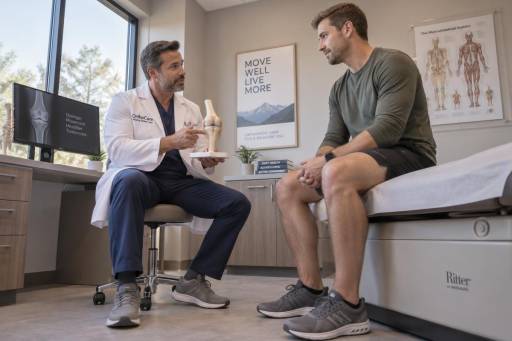
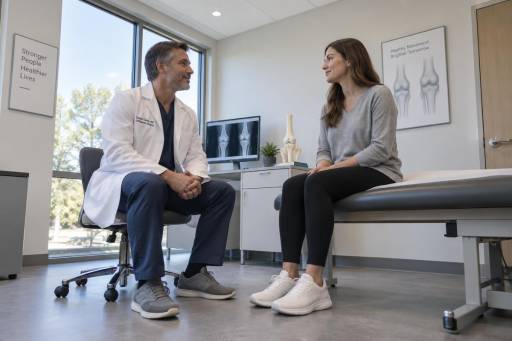
Discussing your peripheral neuropathy alongside your knee issues with your healthcare providers is essential for crafting a treatment plan that fits your unique needs. Your orthopedic surgeon, neurologist, and physical therapist should collaborate closely to balance the risks and benefits of knee replacement in your specific context. This multidisciplinary approach ensures that all aspects of your health are considered, including how your neuropathy might affect surgical outcomes and rehabilitation.
A personalized approach takes into account the severity and underlying cause of your neuropathy, the condition of your knee joint, and your individual functional goals and lifestyle needs. For example, if your neuropathy causes significant sensory loss or muscle weakness, your team may recommend modifications to standard surgical or rehabilitation protocols to enhance safety and effectiveness. Your healthcare providers can also help manage expectations about postoperative recovery timelines, potential challenges related to neuropathy, and the likelihood of achieving your desired functional improvements.
Open and ongoing communication allows you to address important concerns such as pain management strategies tailored to neuropathy-related symptoms, rehabilitation exercises that accommodate sensory or motor limitations, and preventive measures to reduce the risk of complications like falls or infections. This patient-centered care approach fosters a supportive environment where you can express your preferences and concerns, ultimately ensuring you receive tailored advice and comprehensive support throughout your surgical journey. Such collaboration not only improves safety but also enhances your overall satisfaction with the treatment process and outcomes.
Long-Term Outcomes and Quality of Life Improvements with Knee Replacement in Neuropathy Patients
Patients with peripheral neuropathy who undergo knee replacement often experience meaningful improvements in pain relief and joint function over the long term, contributing to enhanced mobility and quality of life. While neuropathy may influence the speed of recovery and increase the risk of certain complications, many individuals report significant benefits that outweigh these challenges.
Research indicates that the degree of neuropathy and how well it is managed can affect the extent of improvement you might gain from surgery. However, knee replacement remains a valuable option for addressing severe joint degeneration that significantly impairs daily activities. Improved joint stability and reduced pain following surgery can also help counterbalance some of the functional limitations caused by neuropathy, such as muscle weakness or sensory loss.
Continued management of neuropathy symptoms alongside orthopedic care is crucial to maintaining these benefits over time. Regular follow-ups with your healthcare team allow for ongoing monitoring of both your knee health and nerve condition, enabling timely interventions if new issues arise. This integrated care approach supports sustained improvements in mobility and comfort.
With appropriate treatment, rehabilitation, and vigilant management of neuropathy, knee replacement can contribute positively to your ability to perform daily activities, reduce pain, and improve overall well-being despite the presence of peripheral neuropathy. Understanding the potential outcomes and maintaining realistic expectations can help you navigate your recovery journey with confidence.
Get Support for Joint Pain and Osteoarthritis
Answer a few short questions and HealthNode will help you connect with the right orthopedics, physical therapy, or joint care specialist.
Pain and Daily Life
This helps us understand how much the joint problem affects your movement and daily activities.
Previous Diagnosis or Treatment
Tell us what has already been checked or tried so we can route you to the right care option.
Contact information
Your information is only used to contact you and is never shared with third parties.
Your request has been received!
Thank you. If you have X-ray, MRI, blood test results, previous diagnosis notes, medication history, injection records, physical therapy notes, or previous surgery records, please keep them ready. A HealthNode consultant will guide you through the next step.
Frequently Asked Questions
Q: Can knee replacement surgery improve my mobility if I have peripheral neuropathy?
A: Knee replacement surgery can enhance joint function and reduce pain, which may improve your overall mobility. However, peripheral neuropathy can affect balance and sensation, which might limit some mobility improvements. It's important to discuss your specific condition with your healthcare team to understand the potential benefits and limitations.
Q: Are there increased risks of complications for neuropathy patients undergoing knee replacement?
A: Yes, peripheral neuropathy may increase the risk of complications such as delayed wound healing, infections, or nerve-related issues after surgery. A thorough preoperative medical assessment helps identify and manage these risks to improve surgical safety and outcomes.
Q: Will my neuropathy symptoms worsen after knee surgery?
A: Knee replacement surgery targets joint problems and does not typically worsen neuropathy symptoms. However, nerve-related symptoms may persist or fluctuate postoperatively. Discuss your neuropathy with your surgeon to set realistic expectations and manage any changes effectively.
Q: What rehabilitation strategies are recommended for patients with neuropathy after knee replacement?
A: Customized physical therapy that addresses both joint recovery and neuropathy symptoms is recommended. This may include balance training, strength exercises, and neurological symptom management. Working closely with therapists experienced in neuropathy can help optimize your rehabilitation.
Q: Is it necessary to treat peripheral neuropathy before considering knee replacement?
A: Managing peripheral neuropathy before surgery can improve your overall health and surgical outcomes, but it is not always mandatory. The decision depends on your neuropathy severity and overall medical condition. Your healthcare provider can guide you on whether treating neuropathy first is advisable.
The information provided is for educational purposes only and does not constitute medical advice. Always consult with a healthcare professional for medical guidance specific to your situation.