Quick Answer
Hip or spine problems can cause pain that feels like it originates in the knee, so accurate diagnosis is essential before considering knee replacement surgery to avoid unnecessary procedures.
- Hip and spine conditions can cause referred pain that mimics knee pain, leading to potential misdiagnosis.
- Hip arthritis and spinal stenosis are common causes of pain that radiates to the knee area.
- Symptoms such as hip stiffness, groin discomfort, back pain, or neurological signs can indicate hip or spine involvement.
- Doctors use physical exams, imaging studies, and sometimes diagnostic injections to differentiate the source of knee pain.
- Conservative treatments like physical therapy and medications are often effective for hip and spine problems causing knee pain.
- Surgery for hip or spine conditions may be necessary if conservative treatments fail, potentially alleviating knee pain without knee replacement.
- Accurate diagnosis prevents unnecessary knee replacement surgeries and ensures treatment targets the true source of pain.
Could Hip or Spine Problems Be the Source of Pain Before You Consider Knee Replacement?
Hip and spine problems can often cause pain that feels like it originates in the knee. This referred pain can mislead patients and doctors, sometimes resulting in unnecessary consideration of knee replacement surgery. Accurately identifying whether your knee pain stems from hip or spine issues is crucial before deciding on treatment.
Many people focus solely on the knee when they experience discomfort, but the interconnected nature of the musculoskeletal system means that problems in the hips or spine can present as knee pain. Conditions such as hip arthritis or spinal stenosis can cause pain to radiate down to the knee, making diagnosis challenging without thorough clinical evaluation.
Knowing the source of your pain helps guide appropriate treatment plans and can prevent undergoing knee replacement surgery when it may not be needed. If you are experiencing knee pain, discussing your symptoms with a healthcare provider who can assess your hips and spine alongside your knees will help ensure the most effective and personalized care.
Get Support for Joint Pain and Osteoarthritis
Answer a few short questions and HealthNode will help you connect with the right orthopedics, physical therapy, or joint care specialist.
Pain and Daily Life
This helps us understand how much the joint problem affects your movement and daily activities.
Previous Diagnosis or Treatment
Tell us what has already been checked or tried so we can route you to the right care option.
Contact information
Your information is only used to contact you and is never shared with third parties.
Your request has been received!
Thank you. If you have X-ray, MRI, blood test results, previous diagnosis notes, medication history, injection records, physical therapy notes, or previous surgery records, please keep them ready. A HealthNode consultant will guide you through the next step.
Recognizing the Signs of Hip and Spine Problems That Mimic Knee Pain
Symptoms from hip or spine conditions can closely resemble those of knee problems, often leading to confusion about the true source of pain. Hip pain symptoms that affect the knee area may include discomfort in the groin, thigh, or buttocks, sometimes accompanied by stiffness or reduced range of motion in the hip joint. These symptoms can be mistaken for knee arthritis or injury.
Spine problems, especially those affecting the lower back such as lumbar spinal stenosis or degenerative disc disease, may cause nerve irritation that radiates pain down through the thigh and knee. This referred pain can feel like it originates in the knee itself, even though the knee joint may not have any structural damage.
Misdiagnosis of knee pain is common when hip or spine issues are overlooked. Patients might report worsening knee pain with certain movements or positions that actually reflect hip or spinal nerve involvement. Paying close attention to accompanying symptoms like back pain, hip stiffness, or neurological signs such as numbness or weakness can help differentiate these conditions.
If you notice knee pain alongside hip discomfort or lower back pain, it is important to inform your healthcare provider. Accurate diagnosis often requires a comprehensive clinical assessment that considers all potential sources of your symptoms to avoid inappropriate treatment focused only on the knee.
How Hip and Spine Conditions Can Lead to Knee Pain and Mislead Treatment Choices
Hip arthritis is a common condition that can cause pain to radiate to the knee. When the hip joint deteriorates due to arthritis, inflammation and altered gait mechanics can stress the knee joint, leading to discomfort there. This phenomenon often causes patients and clinicians to focus on the knee symptoms without recognizing the hip as the primary problem.
Spinal conditions like spinal stenosis narrow the spinal canal, compressing nerves that supply the lower limbs. This nerve compression can cause referred pain or a burning sensation in the knee and leg. Unlike primary knee joint pain, this discomfort might fluctuate with posture changes, such as worsening with standing or walking and improving with sitting.
Because the pain signals from hips and spine travel along shared nerve pathways, distinguishing their source can be challenging. This overlap sometimes misleads treatment choices, resulting in interventions targeting the knee that do not resolve the underlying hip or spine condition.
Understanding the connection between hip arthritis and knee pain, as well as how spinal nerve issues manifest, is key to avoiding unnecessary knee surgeries. A comprehensive evaluation that considers referred pain patterns ensures treatment addresses the root cause, improving outcomes and preserving joint function.
The Diagnostic Process: Differentiating Knee Pain from Hip or Spine Sources
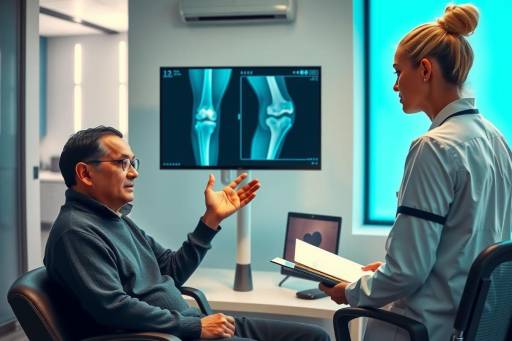
Doctors rely on a combination of clinical assessment, patient history, and imaging studies to determine whether knee pain originates from the knee itself or from hip or spine issues. A thorough clinical assessment includes physical examination maneuvers that test hip range of motion, spine flexibility, and nerve function.
Imaging plays a crucial role in diagnosis. X-rays of the knee, hip, and spine help reveal arthritis, bone abnormalities, or spinal degeneration. MRI scans provide detailed views of soft tissues and nerves that might be affected by spine conditions. These imaging results, combined with symptom patterns, help pinpoint the true pain source.
Tests such as nerve conduction studies may be used if nerve involvement from spinal problems is suspected. In some cases, diagnostic injections into the hip or spine can help clarify if pain relief from these areas reduces the knee symptoms, confirming referral.
Accurate diagnosis is essential before proceeding with invasive treatments like knee replacement. By differentiating the pain source effectively, healthcare providers tailor treatment plans to address the correct joint or nerve pathway, improving patient satisfaction and functional outcomes.
Treatment Approaches for Hip and Spine Issues That Affect Knee Health
Treatment for hip and spine conditions that cause knee pain often begins with conservative management techniques. Physical therapy focuses on strengthening muscles around the hips and spine, improving flexibility, and correcting gait abnormalities that contribute to knee stress.
Medications such as nonsteroidal anti-inflammatory drugs (NSAIDs) can reduce inflammation and pain in affected joints or nerves. Injections, including corticosteroids or nerve blocks, may provide targeted relief when conservative therapies are insufficient.
In cases where conservative measures do not adequately control symptoms, surgical options may be considered. Hip replacement surgery can relieve pain and restore function in patients with advanced hip arthritis. Spine surgeries, such as decompression for spinal stenosis, aim to alleviate nerve pressure and reduce referred leg and knee pain.
Addressing hip and spine problems early and effectively can improve overall mobility, reduce knee discomfort, and potentially delay or eliminate the need for knee replacement surgery. A multidisciplinary approach involving orthopedic specialists, physical therapists, and pain management professionals provides the best outcomes for complex cases.
When to Consider Knee Replacement and the Role of Accurate Diagnosis in Your Treatment Plan
Knee replacement surgery is typically recommended when knee joint damage causes persistent pain and functional limitations that do not respond to nonsurgical treatments. However, accurate diagnosis is critical to confirm that the knee itself is the primary pain source.
If hip or spine problems are causing knee pain, knee replacement will not resolve the symptoms and may expose you to unnecessary surgical risks. Therefore, diagnostic accuracy helps avoid unnecessary surgeries and directs you toward the most appropriate treatments.
Criteria for knee replacement include confirmed joint arthritis with imaging evidence, failure of conservative therapies, and significant impact on quality of life. Your healthcare provider will carefully evaluate these factors alongside assessments of hip and spine health.
By ensuring the true origin of your pain is identified, you can pursue a treatment plan that best suits your condition. This approach optimizes outcomes, reduces complications, and supports long-term joint health.
Get Support for Joint Pain and Osteoarthritis
Answer a few short questions and HealthNode will help you connect with the right orthopedics, physical therapy, or joint care specialist.
Pain and Daily Life
This helps us understand how much the joint problem affects your movement and daily activities.
Previous Diagnosis or Treatment
Tell us what has already been checked or tried so we can route you to the right care option.
Contact information
Your information is only used to contact you and is never shared with third parties.
Your request has been received!
Thank you. If you have X-ray, MRI, blood test results, previous diagnosis notes, medication history, injection records, physical therapy notes, or previous surgery records, please keep them ready. A HealthNode consultant will guide you through the next step.
Frequently Asked Questions
Q: Can hip or spine problems cause knee pain?
A: Yes, issues in the hips or spine can refer pain to the knee area, mimicking primary knee problems and potentially leading to misdiagnosis.
Q: How do doctors determine if my knee pain is due to hip or spine issues?
A: Doctors use physical examinations, imaging tests like X-rays or MRI, and clinical history to differentiate between knee, hip, or spine sources of pain.
Q: Is it possible to treat hip or spine problems without surgery?
A: Many hip and spine conditions can be managed with conservative treatments such as physical therapy, medication, and injections, depending on severity.
Q: Why is accurate diagnosis important before considering knee replacement?
A: Correct diagnosis ensures that knee replacement is only performed when knee issues are the primary source of pain, preventing unnecessary surgery and addressing the true problem.
Q: What are the risks of unnecessary knee surgery?
A: Unnecessary surgery can lead to complications, prolonged recovery, and ongoing pain if the actual source of the problem is not properly identified and treated.
The information provided is for educational purposes only and does not constitute medical advice. Always consult with a healthcare professional for medical guidance specific to your situation.