Quick Answer
Your surgical team in Turkey, including surgeons and rehabilitation specialists, should actively monitor your progress during the first year after knee replacement surgery, while you also play a crucial role through self-monitoring and communication with healthcare providers in both Turkey and Canada.
- The surgical team in Turkey is essential for postoperative monitoring to detect complications and guide rehabilitation.
- Rehabilitation specialists track improvements in mobility and adjust therapy as needed.
- Self-monitoring and clear communication with healthcare providers in Turkey and Canada are vital for coordinated care.
- Regular follow-up appointments help assess healing and address concerns promptly.
- Warning signs such as increased pain, swelling, redness, or fever require immediate medical attention.
- Using tools like pain diaries and mobility logs supports tracking recovery progress between appointments.
- Choosing a qualified healthcare team with good communication capabilities enhances recovery and cross-border care management.
Knee Replacement in Turkey From Canada: Who Should Track Your Progress During the First Year?
The first year after knee replacement surgery in Turkey is critical for successful recovery and long-term joint function. Your surgical team, including surgeons and rehabilitation specialists, should actively monitor your progress to detect complications early and guide your rehabilitation. Alongside professional oversight, you play an essential role through self-monitoring and communication with your healthcare providers both in Turkey and Canada.
Choosing knee replacement abroad from Canada offers cost savings and access to specialized care, but it also demands careful coordination of postoperative monitoring. This ensures your recovery milestones are met and any issues like infection or limited mobility are addressed promptly. Understanding who tracks your progress and what to watch for empowers you to take charge of your health journey with confidence.
With clear communication channels and scheduled follow-ups, your care team can provide ongoing support across borders. This collaborative approach helps maintain your recovery trajectory and maximizes the benefits of your knee replacement surgery in Turkey.
Get Support for Joint Pain and Osteoarthritis
Answer a few short questions and HealthNode will help you connect with the right orthopedics, physical therapy, or joint care specialist.
Pain and Daily Life
This helps us understand how much the joint problem affects your movement and daily activities.
Previous Diagnosis or Treatment
Tell us what has already been checked or tried so we can route you to the right care option.
Contact information
Your information is only used to contact you and is never shared with third parties.
Your request has been received!
Thank you. If you have X-ray, MRI, blood test results, previous diagnosis notes, medication history, injection records, physical therapy notes, or previous surgery records, please keep them ready. A HealthNode consultant will guide you through the next step.
The Critical Role of Your Surgical Team in Postoperative Monitoring
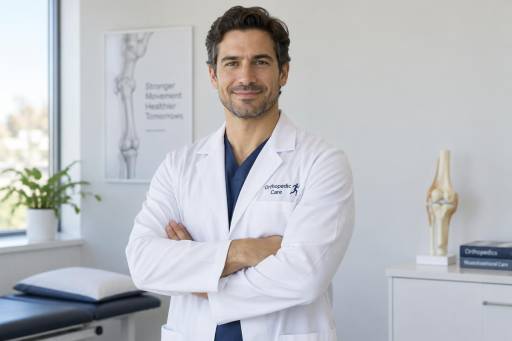
Your surgical team in Turkey plays a vital role in overseeing your recovery after knee replacement surgery. Surgeons evaluate the healing of surgical wounds, joint stability, and implant positioning through follow-up visits and imaging tests. Their expertise is crucial for early detection of complications such as infection, blood clots, or prosthesis issues that could impair your outcome.
Rehabilitation specialists, including physical therapists, guide your functional recovery by designing personalized exercise programs. They track improvements in range of motion, strength, and mobility, adjusting therapy to meet your progress or address setbacks. This team approach ensures that medical and physical aspects of recovery are managed comprehensively.
Regular postoperative monitoring by your healthcare providers helps maintain a safe recovery environment. They can identify subtle signs that you might overlook on your own, such as unusual swelling or pain patterns. Their oversight is essential for timely interventions that prevent minor issues from becoming major problems.
Key Milestones in Your First Year After Knee Replacement Surgery
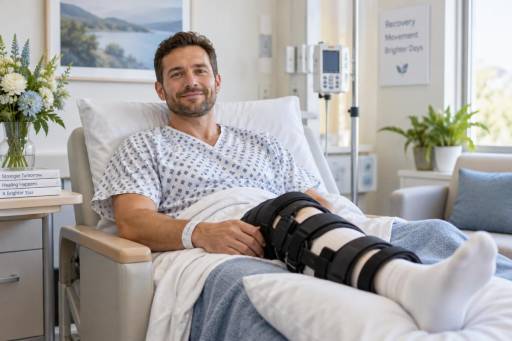
Recovery after knee replacement surgery typically follows a structured timeline with several important milestones. In the first few weeks, focus is on managing pain, reducing swelling, and regaining basic knee movement. You will start physical therapy to improve flexibility and begin weight-bearing activities.
By three months, many patients achieve significant improvements in walking ability and joint function. Strengthening exercises are intensified to support daily activities and reduce stiffness. Around six months, most individuals can resume low-impact activities like swimming or cycling, with continued gains in endurance and stability.
At the one-year mark, your knee should have near-normal function, allowing you to perform most routine tasks comfortably. However, some patients may experience lingering stiffness or discomfort requiring further therapy. Maintaining communication with your care team helps ensure you are meeting these milestones or receiving additional support if progress stalls.
Signs That Indicate You Need Medical Follow-Up During Recovery
Certain symptoms during your recovery after knee replacement surgery signal the need for prompt medical evaluation. Increasing pain beyond expected levels or pain that worsens after initial improvement can indicate complications. Persistent or worsening swelling, redness, or warmth around the joint may suggest infection or inflammation.
Limited mobility that suddenly worsens or does not improve despite therapy warrants assessment to rule out mechanical issues or nerve involvement. Fever, chills, or drainage from the surgical site are urgent signs requiring immediate medical attention. Monitoring these symptoms closely helps prevent serious complications and supports timely treatment.
If you notice any of these warning signs, contact your surgical team or local healthcare provider without delay. Early intervention can make a significant difference in your recovery trajectory and overall outcome.
How to Effectively Communicate with Your Healthcare Providers in Turkey and Canada
Maintaining clear and consistent communication with your healthcare team across Turkey and Canada is essential for coordinated care during your recovery. Keep detailed records of your medical history, surgical reports, and rehabilitation progress to share with all providers involved.
Utilizing telehealth services can facilitate regular check-ins with your Turkish surgical team without the need for frequent travel. Prepare questions in advance and report any concerns clearly to help your providers assess your condition remotely. Similarly, keep your Canadian primary care physician informed to aid in local support and emergency care if needed.
Establishing a reliable communication channel minimizes misunderstandings and delays in care. Use patient portals, email, or phone calls as appropriate and confirm follow-up appointment schedules. Empowering yourself with organized information and proactive updates strengthens your recovery management across borders.
The Importance of Follow-Up Appointments and Self-Monitoring Tools
Scheduled follow-up appointments are a cornerstone of effective knee replacement recovery. These visits enable your surgical team to assess healing, adjust treatment plans, and address any concerns. Missing appointments can delay the detection of problems that may affect your long-term joint function.
In addition to professional care, self-monitoring tools like pain diaries and mobility logs help you track daily progress and identify changes early. Recording pain levels, swelling, and activity tolerance provides valuable information for your healthcare providers. Digital apps designed for rehabilitation can also support goal setting and reminders for exercises.
Active engagement in self-monitoring fosters a sense of control over your recovery. It complements clinical evaluations by offering continuous data points between appointments. Together, these strategies enhance your ability to achieve optimal outcomes after knee replacement surgery in Turkey.
Choosing the Right Healthcare Team for Your Knee Replacement Recovery in Turkey
Selecting a qualified healthcare team in Turkey is paramount to successful knee replacement recovery. Look for clinics with accredited surgeons experienced in international patient care and who offer comprehensive postoperative support. The expertise of orthopedic specialists and rehabilitation therapists familiar with medical tourism enhances your safety and satisfaction.
Verify the team’s communication capabilities to ensure you can maintain contact after returning to Canada. Clinics that provide clear care pathways, multilingual staff, and telehealth options facilitate seamless cross-border management. Patient testimonials and outcome data can also guide your decision.
Investing time in choosing the right recovery team helps you access personalized care tailored to your needs. This foundation supports a smoother rehabilitation journey and instills confidence throughout your first year after surgery.
Frequently Asked Questions
Q: Why is ongoing monitoring important after knee replacement surgery?
A: Ongoing monitoring helps detect complications early, ensures proper healing, and guides effective rehabilitation to restore mobility.
Get Support for Joint Pain and Osteoarthritis
Answer a few short questions and HealthNode will help you connect with the right orthopedics, physical therapy, or joint care specialist.
Pain and Daily Life
This helps us understand how much the joint problem affects your movement and daily activities.
Previous Diagnosis or Treatment
Tell us what has already been checked or tried so we can route you to the right care option.
Contact information
Your information is only used to contact you and is never shared with third parties.
Your request has been received!
Thank you. If you have X-ray, MRI, blood test results, previous diagnosis notes, medication history, injection records, physical therapy notes, or previous surgery records, please keep them ready. A HealthNode consultant will guide you through the next step.
Q: Who should I rely on for tracking my recovery progress?
A: Your surgical team, physical therapists, and primary care physicians should coordinate to monitor your recovery closely.
Q: What are common signs indicating I need immediate medical attention?
A: Severe pain, increased swelling, signs of infection like redness or fever, and sudden mobility loss require prompt medical assessment.
Q: Can I manage my recovery independently?
A: While self-care is important, professional oversight ensures safe progress and helps address issues promptly.
Q: How often should I have follow-up appointments after surgery?
A: Typically, follow-ups are scheduled at regular intervals during the first year, but your healthcare provider will tailor this to your specific needs.
Q: What tools can help me track my recovery at home?
A: Pain diaries, mobility logs, and digital apps designed for rehabilitation can help you monitor your progress and communicate effectively with your care team.
The information provided is for educational purposes only and does not constitute medical advice. Always consult with a healthcare professional for medical guidance specific to your situation.